
The passing of Hugh Hefner in 2017 marked more than the end of a life; it signaled the conclusion of a singular era in American media and lifestyle branding. For decades, the Playboy brand was inextricably linked to Hefner’s persona, the physical Playboy Mansion, and the “Playboy Bunny”—a symbol that functioned as both a service professional and a cultural icon. However, the brand Hefner left behind faced a critical existential crisis. In a post-#MeToo world, the traditional “Bunny” archetype was increasingly viewed as an anachronism.
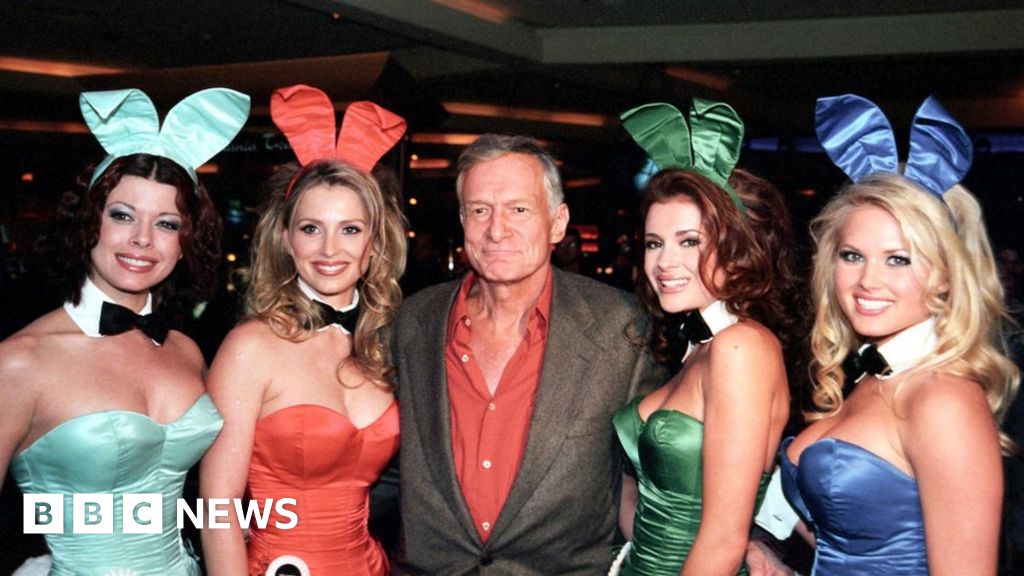
To survive, the Playboy brand had to undergo a radical transformation. What happened to the Playboy Bunnies after Hefner died is not just a story of a changing workforce, but a masterclass in brand strategy, intellectual property (IP) management, and the pivot from a personality-driven entity to a global lifestyle powerhouse.
1. Decoupling the Brand from the Personality: Managing Key Person Risk
The most significant challenge facing Playboy Enterprises after 2017 was “key person risk.” For sixty years, the brand’s identity was Hugh Hefner. His silk pajamas, the pipe, and the revolving door of Bunnies at the Mansion were the marketing collateral. When the face of a brand is a person, the brand often dies with them. The corporate strategy following his death focused on decoupling the iconic Bunny logo from the specific lifestyle of its founder.
The Shift from “Lifestyle” to “Legacy IP”
In the years following Hefner’s death, the brand moved away from the “living the dream” narrative. The corporate leadership recognized that while Hefner was the architect, the Bunny logo was the asset. The strategy shifted toward treating the Bunny as a piece of “Legacy IP” similar to Disney’s Mickey Mouse or the Nike Swoosh. This meant the Bunnies themselves—the women who wore the ears—had to be reimagined. They were no longer hostesses of a private club; they became the vanguard of a broader, more inclusive lifestyle brand.
Moving Beyond the Physical Mansion
The sale of the Playboy Mansion and the cessation of the legendary parties was a deliberate brand move. By removing the physical “headquarters” of the Bunny lifestyle, the company forced the brand into the digital and retail space. This helped mitigate the “exclusive club” perception, which was limiting growth, and allowed the Bunny identity to become a decentralized symbol that could be marketed to a global audience who would never step foot in a mansion.
2. Reimagining the Bunny Identity: From Uniforms to Empowerment Branding
Perhaps the most complex task for the brand’s new leadership was redefining what it meant to be a “Bunny.” Historically, the Bunny was defined by a specific aesthetic and a subservient service role within the Playboy Clubs. To remain relevant in the 21st century, the brand had to pivot its messaging from the “male gaze” to “female empowerment” and “body positivity.”
The Strategic Rebranding of the “Centerfold”
In a bold move to modernize the brand’s relationship with its talent, Playboy launched “Centerfold,” a creator-led platform. This was a strategic pivot that changed the power dynamic of the Bunny. Instead of being “chosen” by an editor to appear in a magazine, the modern Bunny (now often referred to as a creator) owns her own content and brand. This shift allowed Playboy to align itself with the “Creator Economy,” rebranding the Bunny as an entrepreneur rather than just a model.
Inclusivity as a Brand Value
Under the new corporate strategy, the “Bunny” identity expanded. The brand began featuring a more diverse array of models, including transgender women, women of different body types, and activists. From a brand strategy perspective, this was a move to capture a younger, socially conscious demographic (Gen Z and Millennials) who value inclusivity. By diversifying the face of the Bunny, Playboy protected its trademark from being dismissed as a relic of 1950s gender politics.
3. The Digital Pivot: Monetizing the Bunny in the Creator Economy
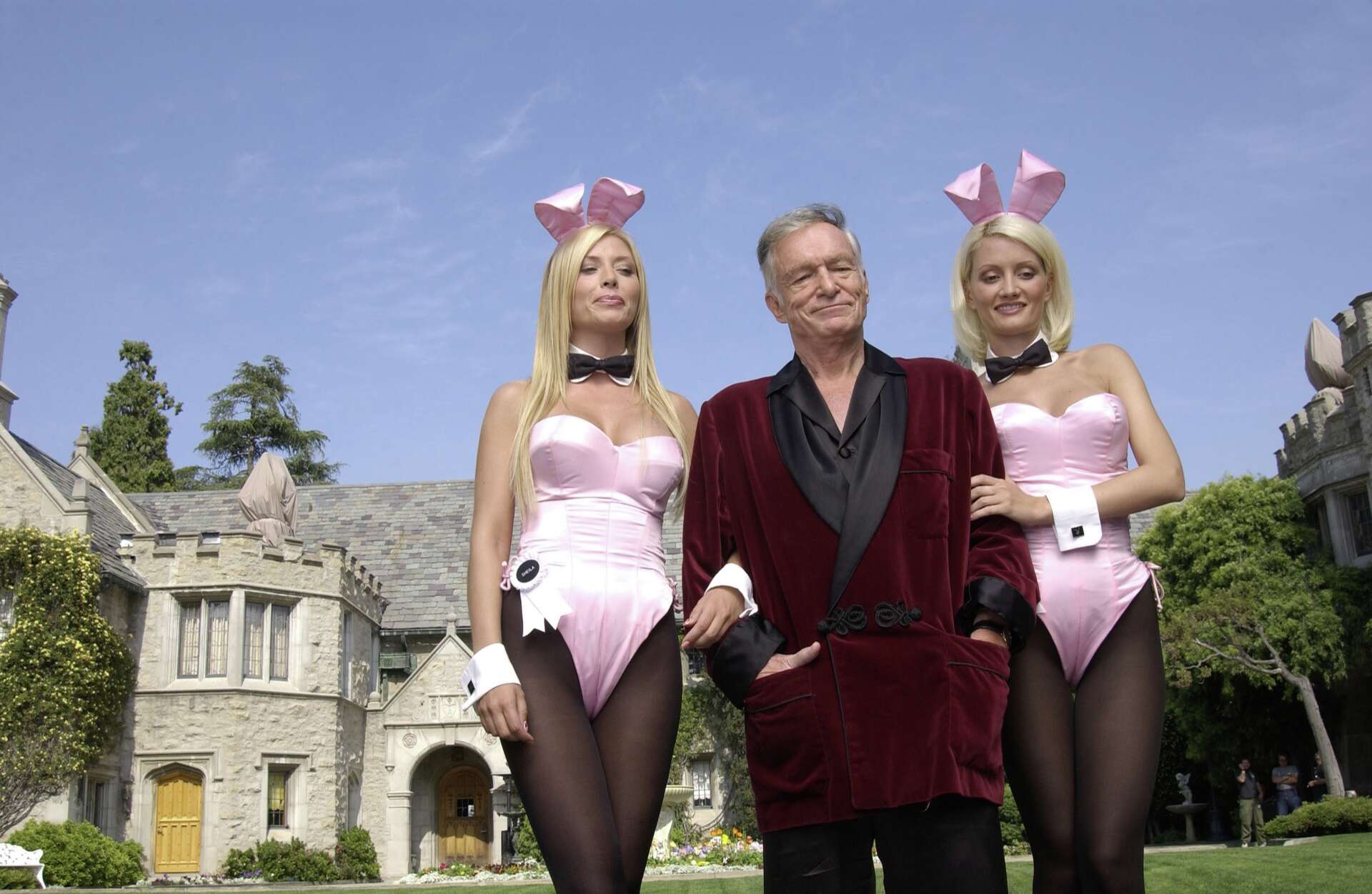
As print media declined, the Playboy brand had to find a way to monetize its most famous asset—the Bunny—in a purely digital landscape. The “Bunnies” of the post-Hefner era are largely digital entities, leveraging social media and proprietary platforms to drive revenue.
Leveraging Social Media and Influence
Modern Playboy Bunnies are essentially high-tier influencers. The brand uses its massive social media following to funnel traffic to its digital properties. The strategy here is “brand amplification.” By partnering with creators who already have their own audiences, Playboy revitalizes its brand equity without the overhead costs of the physical clubs or the print magazine. The “Bunny” is now a digital badge of prestige that helps creators monetize their personal brands.
The NFT and Metaverse Integration
Playboy was one of the first legacy media brands to aggressively pursue the NFT (Non-Fungible Token) space with its “Rabbitars” collection. This was a sophisticated brand play to transition the Bunny into the Web3 era. By turning the Bunny into a digital collectible, the brand found a way to engage with a tech-savvy audience. This move demonstrated that the Bunny symbol could exist entirely independent of human models, existing as a digital asset that carries brand value in virtual spaces.
4. Strategic Licensing: The Bunny as a Global Fashion Statement
Today, the most profitable part of the Playboy brand isn’t media—it’s licensing. What happened to the Bunnies after Hefner is that they became “the brand” on a T-shirt, a perfume bottle, or a streetwear collaboration. The Bunny logo is now one of the most recognized trademarks in the world, and its application has shifted from adult entertainment to high-fashion and lifestyle goods.
High-Fashion Collaborations and Streetwear
Playboy’s brand strategy has focused heavily on collaborations with fashion labels like Supreme, Moschino, and Missguided. In these contexts, the “Bunny” is treated as an iconic graphic, akin to a band logo or a sports team. This strategy has successfully transitioned the brand from “raunchy” to “retro-cool.” The women who model these collections are “Bunnies” in a modern sense—fashion influencers who represent a curated, edgy aesthetic rather than a specific job description.
Global Market Penetration
Interestingly, the Playboy brand (and the Bunny symbol) often performs best in international markets like China and Southeast Asia, where it is viewed strictly as a luxury fashion brand with little to no association with the magazine’s history. The brand strategy here is “pure aesthetic.” By stripping away the historical baggage of the Playboy Mansion, the company has been able to license the Bunny logo for everything from lounges in India to apparel in London, ensuring the brand’s financial survival long after the original magazine’s relevance faded.
5. The Business of Legacy: Maintaining Equity in a Changing World
The evolution of the Playboy Bunny brand after Hugh Hefner illustrates a fundamental principle of business finance and brand management: adapt or die. The “Bunnies” didn’t disappear; they transformed from a workforce into a global marketing concept.
Intellectual Property Protection
Central to the brand’s survival has been the aggressive protection of its trademarks. The company has focused on ensuring that the “Bunny Suit” and the “Rabbit Head Design” remain exclusive assets. By controlling who can use these symbols, the brand maintains a “premium” feel. Even as the company moved away from print, the IP remained the core driver of value for the public company (PLBY Group).

The Future of the Playboy Brand
As we look toward the future, the Playboy Bunny will likely continue to shift further into the digital and lifestyle sectors. The “Bunnies” of tomorrow may be AI-generated avatars or creators on a decentralized platform, but they will still carry the ears. The brand has successfully navigated the transition from a founder-led “cult of personality” to a modern, diversified corporate entity.
In conclusion, what happened to the Playboy Bunnies after Hefner died was a strategic metamorphosis. The brand shed its physical limitations—the Mansion, the club, the print magazine—and uploaded its essence into the global marketplace. By focusing on licensing, digital creator platforms, and inclusive rebranding, Playboy ensured that its most famous asset remained a multi-billion dollar icon, proving that with the right strategy, a brand can outlive its creator and adapt to an entirely new century.
aViewFromTheCave is a participant in the Amazon Services LLC Associates Program, an affiliate advertising program designed to provide a means for sites to earn advertising fees by advertising and linking to Amazon.com. Amazon, the Amazon logo, AmazonSupply, and the AmazonSupply logo are trademarks of Amazon.com, Inc. or its affiliates. As an Amazon Associate we earn affiliate commissions from qualifying purchases.