
In the world of high-stakes finance, time is more than just a measurement; it is a primary asset. For seasoned investors and novice traders alike, the question “when does the NYSE open?” is often the first step in a daily ritual that dictates the flow of billions of dollars across the global economy. The New York Stock Exchange (NYSE), located at 11 Wall Street in Lower Manhattan, stands as the world’s largest stock exchange by market capitalization. Understanding its operating hours, the nuances of its opening auction, and the implications of extended trading is fundamental to any successful investment strategy.
While the digital age has made trading feel like a 24/7 endeavor, the NYSE still adheres to a disciplined schedule that provides structure to the chaotic world of finance. This article delves into the temporal mechanics of the Big Board, exploring not just the “when,” but the “how” and “why” behind market timing.
1. The Standard Trading Session: The Heartbeat of Global Finance
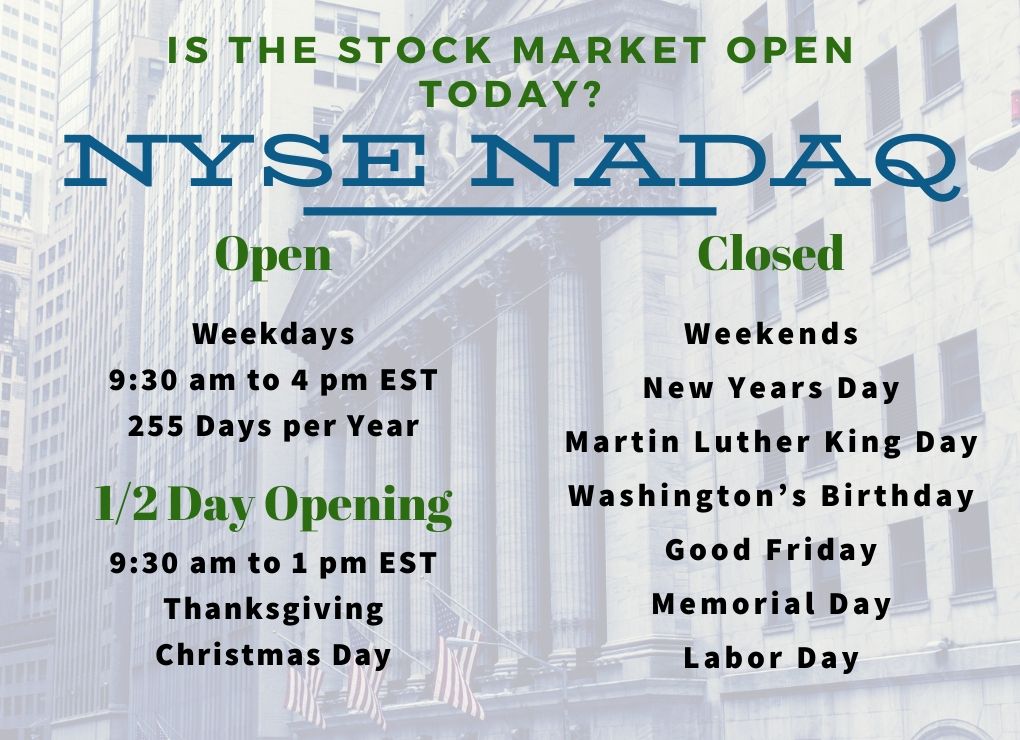
The core of the American financial system beats between specific hours from Monday through Friday. For the NYSE, the standard trading session begins at 9:30 AM Eastern Time (ET) and concludes at 4:00 PM ET. This six-and-a-half-hour window is when the vast majority of trading volume occurs and when liquidity is at its highest.
The Significance of the Opening Bell
The ringing of the opening bell at 9:30 AM is one of the most iconic traditions in the financial world. Beyond the ceremony, this moment marks the transition from static overnight pricing to dynamic, real-time valuation. For a “Money” focused individual, this is the moment when news that broke overnight—earnings reports, geopolitical shifts, or economic data—is finally baked into the stock prices through active trading.
Holiday Schedules and Early Closures
A vital aspect of personal finance management is knowing when the market is not open. The NYSE observes nine major holidays annually, including New Year’s Day, Martin Luther King Jr. Day, Washington’s Birthday, Good Friday, Memorial Day, Juneteenth, Independence Day, Labor Day, Thanksgiving, and Christmas.
Furthermore, the market often observes “early close” days, typically the day after Thanksgiving or the day before Christmas, where trading ends at 1:00 PM ET. For investors, missing these dates can lead to failed executions or unexpected “gapping” in portfolio value when the market reopens after a long weekend.
2. Beyond the Bell: Navigating Pre-Market and After-Hours Trading
In the modern era, the 9:30 AM to 4:00 PM window is merely the “core” session. Electronic Communication Networks (ECNs) have enabled trading to occur outside these traditional hours, providing opportunities—and risks—for those looking to react to news in real-time.
The Mechanics of Pre-Market Trading
NYSE Arca, the exchange’s fully electronic platform, allows for pre-market trading to begin as early as 4:00 AM ET. However, the bulk of pre-market activity usually picks up around 8:00 AM ET. This period is crucial for institutional investors who need to position themselves before the general public enters the fray. For the individual investor, pre-market trading offers a chance to trade on European market movements or early morning US economic indicators, such as the Jobs Report or Consumer Price Index (CPI) data.
The Risks and Rewards of Extended Hours
After-hours trading begins immediately after the 4:00 PM closing bell and can run until 8:00 PM ET. While this allows investors to react to earnings calls (which almost always happen after the bell), it is a landscape fraught with peril.
The two biggest challenges are liquidity and volatility. During the standard session, millions of shares change hands, creating a narrow “bid-ask spread.” In the after-hours, fewer participants mean it can be harder to buy or sell at your desired price. A stock might jump 5% on news at 4:15 PM, only to retreat by 9:30 AM the next day as the broader market digests the information. Understanding this “Money” dynamic is essential for protecting your capital.
3. The Opening Auction: How Prices are Born
The transition from the 9:29 AM stillness to the 9:30 AM frenzy is not instantaneous; it is the result of a highly sophisticated process known as the Opening Auction. This is perhaps the most critical moment of the day for price discovery.

The Opening Cross and Price Discovery
The NYSE utilizes a centralized auction process to determine the “opening price” of every listed security. Throughout the pre-market, the exchange collects buy and sell orders. At exactly 9:30 AM, the NYSE’s systems run an algorithm to find the single price that will satisfy the maximum number of shares. This is known as the “Opening Cross.”
For an investor, understanding the auction is vital because it eliminates the “noise” of individual trades and creates a fair, transparent starting point for the day. If you place a “market order” to buy at the open, you are participating in this massive liquidity event.
Why the First 30 Minutes are Critical
Financial experts often refer to the first 30 minutes of the trading day (9:30 AM to 10:00 AM) as the “amateur hour,” though this is slightly misleading. It is the period of highest volatility as the market “clears” all the orders that accumulated overnight. Institutional “smart money” often waits for this initial volatility to subside before executing large trades. For those managing their own business finance or personal portfolios, caution is advised during this window; prices can swing wildly before finding a stable trend for the afternoon.
4. Time Zones and Global Market Synchronization
Investing is no longer a localized activity. Because the NYSE operates on Eastern Time, its opening has a “domino effect” on global markets, influencing everything from the FTSE in London to the Nikkei in Tokyo.
Syncing with the London and Tokyo Markets
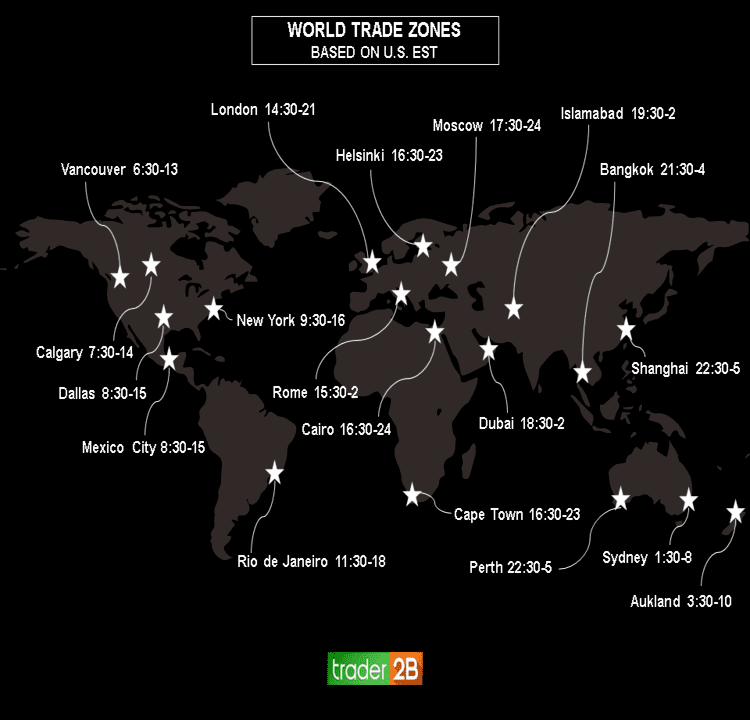
A fascinating “Money” overlap occurs between 9:30 AM and 11:30 AM ET. This is when the New York market and the London Stock Exchange (LSE) are both open. This two-hour window often sees the highest global liquidity, as traders on both sides of the Atlantic are active. Conversely, when the NYSE opens, Asian markets are typically closed, meaning New York often serves as the first opportunity for global investors to react to news that occurred in the East.
The Impact of Daylight Savings Time
Not all countries observe Daylight Savings Time (DST) on the same schedule. This can create “shifting windows” for international investors. For example, for a few weeks a year, the gap between London and New York might be four hours instead of five. For traders involved in arbitrage or global macro strategies, keeping a meticulous calendar of these shifts is the difference between profit and loss.
5. Strategic Execution: When Should You Actually Trade?
Knowing when the NYSE opens is the first step, but knowing when to execute is where the real financial expertise comes in. Market timing is less about “beating the clock” and more about “using the clock” to minimize costs and maximize returns.
The “Golden Hours” of Trading
Most professional traders identify two “Golden Hours”: the first hour (9:30–10:30 AM) and the last hour (3:00–4:00 PM). The morning provides volatility and opportunity, while the final hour—often called the “Power Hour”—sees a surge in volume as fund managers rebalance their portfolios and day traders close their positions.
For the passive, long-term investor, trading during the “mid-day lull” (between 12:00 PM and 2:00 PM ET) is often preferred. Volatility is lower, and prices are generally more stable, making it an ideal time for those who aren’t looking to capitalize on minute-by-minute price swings.
Tools for Tracking Market Momentum
In the modern financial landscape, you don’t have to watch the clock manually. Financial tools and brokerage apps now offer “conditional orders” that trigger only at certain times of the day. You can set an order to execute only during the closing auction to ensure you get the “Closing Print” price, which is the official benchmark used by mutual funds and index trackers. Leveraging these tools allows you to manage your money with the precision of a Wall Street firm.
Conclusion: The Disciplined Investor’s Clock
The question “when does the NYSE open” serves as the gateway to a deeper understanding of market mechanics. While the 9:30 AM bell signifies the start of the session, the sophisticated investor looks at the entire 24-hour cycle. By understanding the pre-market buildup, the volatility of the opening auction, the liquidity of the mid-day overlap, and the risks of after-hours trading, you can position your capital more effectively.
In the realm of personal finance and investing, discipline is the bridge between goals and accomplishment. Respecting the market’s hours and understanding the “Money” logic behind its schedule is a hallmark of a disciplined investor. Whether you are trading a small personal account or managing business assets, remember that the clock never stops moving—and in the New York Stock Exchange, every second counts.
aViewFromTheCave is a participant in the Amazon Services LLC Associates Program, an affiliate advertising program designed to provide a means for sites to earn advertising fees by advertising and linking to Amazon.com. Amazon, the Amazon logo, AmazonSupply, and the AmazonSupply logo are trademarks of Amazon.com, Inc. or its affiliates. As an Amazon Associate we earn affiliate commissions from qualifying purchases.