
In the world of global marketing and personal branding, few entities have ever achieved the “superbrand” status of Michael Jackson. To his millions of fans, he was the King of Pop; to the corporate world, he was a multi-billion-dollar intellectual property. However, one of the most debated aspects of his career—”what happened to Michael Jackson’s face”—is rarely analyzed through the lens of brand strategy. From a branding perspective, Jackson’s face was not merely a biological feature; it was a high-value corporate logo. When a logo undergoes radical, frequent, and unauthorized-feeling revisions, the impact on brand equity, consumer trust, and marketability is profound.
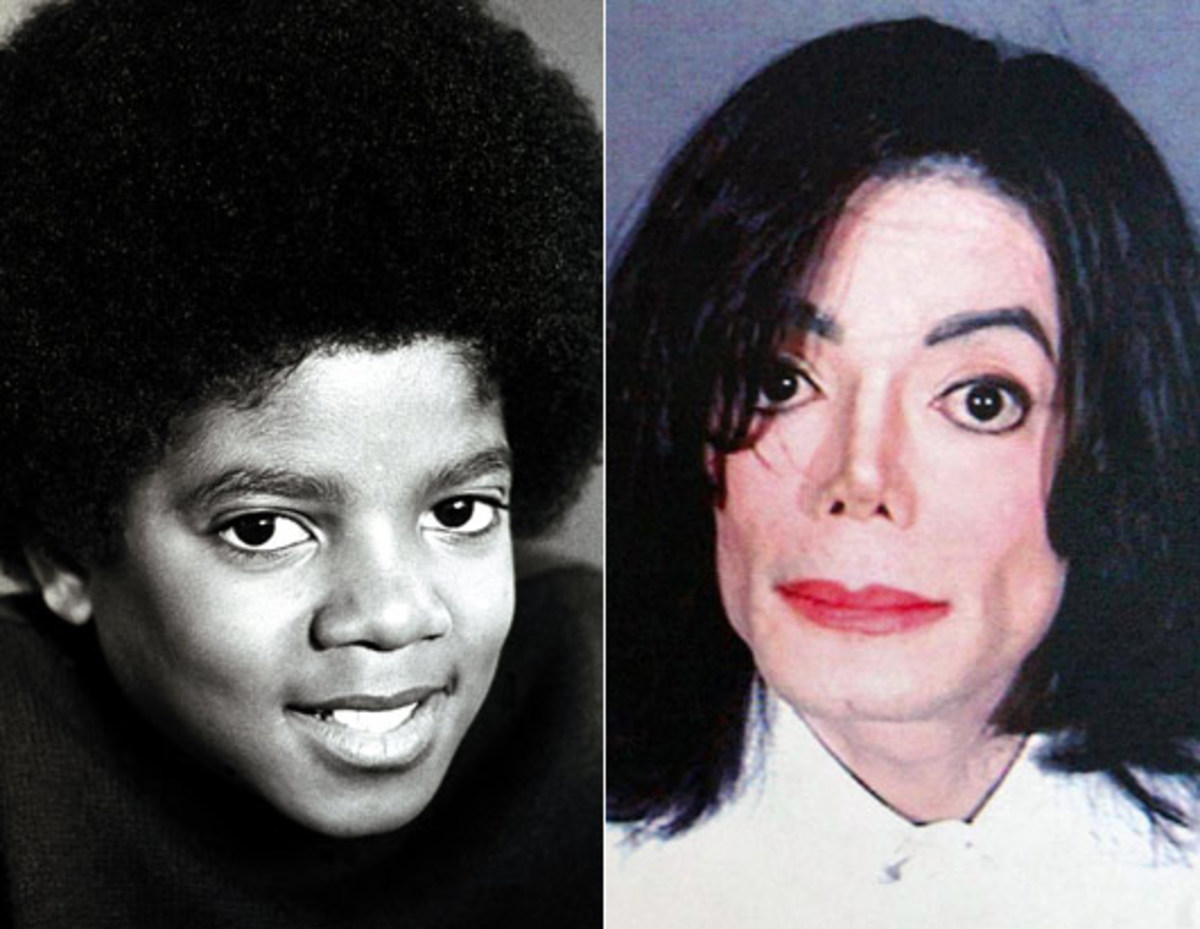
This article examines the evolution of the Michael Jackson brand, exploring how his physical transformation served as a case study in the risks and rewards of radical rebranding, the management of visual identity, and the ultimate preservation of a legacy.
The Visual Identity of a Global Superbrand
Every successful brand relies on a consistent visual identity. For Michael Jackson, the early stages of his solo career represented the pinnacle of brand cohesion. During the Off the Wall and Thriller eras, his visual identity was a masterclass in marketability: it was youthful, approachable, and universally appealing.
From the Jackson 5 to the King of Pop: Establishing the Core Aesthetic
The initial Michael Jackson brand was built on the foundation of “authentic talent.” His face, characterized by a wide smile and Afro-textured hair during the Jackson 5 era, represented the “Boy Next Door” archetype. As he transitioned into his solo career in the late 1970s and early 1980s, his brand shifted toward “The Global Innovator.”
During this period, the brand was at its most stable. His appearance was consistent enough to be distilled into a silhouette. This is the ultimate goal of any brand designer—to create an image so iconic that the audience recognizes it from a few lines. The red leather jacket, the single white glove, and the specific facial structure of the Thriller era became the “logo” that generated billions in revenue.
The Power of Symbolic Imagery: Gloves, Fedora, and the Face
In personal branding, the individual becomes the product. For Jackson, the face was the primary packaging. However, he supplemented this with secondary brand assets: the fedora, the aviator sunglasses, and the sequined glove. These assets served a dual purpose. First, they reinforced brand recognition. Second, they provided a “buffer” for the brand.
By the mid-1980s, as his facial structure began to change through documented rhinoplasty and the onset of vitiligo, the brand strategy leaned heavily on these secondary assets. By emphasizing the “costume” of Michael Jackson, the management team attempted to maintain brand consistency even as the primary “product”—his face—began to deviate from its original 1982 version.
Radical Rebranding and the Risk of Alienation
In corporate branding, a “rebrand” is usually a calculated move to signal a change in direction or to appeal to a new demographic. Michael Jackson’s physical transformation, however, represented a radical, ongoing rebrand that often felt disjointed from his musical output.
The Narrative of Metamorphosis: Beyond Physical Appearance
As the 1980s turned into the 1990s, the “What happened to his face?” narrative began to overshadow the “What music is he making?” narrative. From a brand management perspective, this is a “pivot failure.” When the peripheral attributes of a brand (the controversy surrounding the CEO’s appearance or lifestyle) become more prominent than the core product (the music), the brand loses its competitive edge.
Jackson’s metamorphosis was an attempt at total self-authorship. He wanted to be a “blank canvas,” a figure that transcended race and age. While this was a bold philosophical statement, it was a risky branding move. Brands thrive on relatability and predictability. As Jackson’s features became sharper and his skin tone lighter, he moved from the “Boy Next Door” archetype to the “Enigmatic Alien” archetype. This shifted his brand from “Mainstream Mass Appeal” to “Niche/Cult Phenomenon,” even as he continued to pursue record-breaking sales.
When the Product Outpaces the Brand: Managing Public Perception
One of the most difficult challenges in brand strategy is managing a narrative that has been hijacked by the public. As Jackson’s face changed, the public developed its own theories, most of which were disconnected from the official brand messaging.
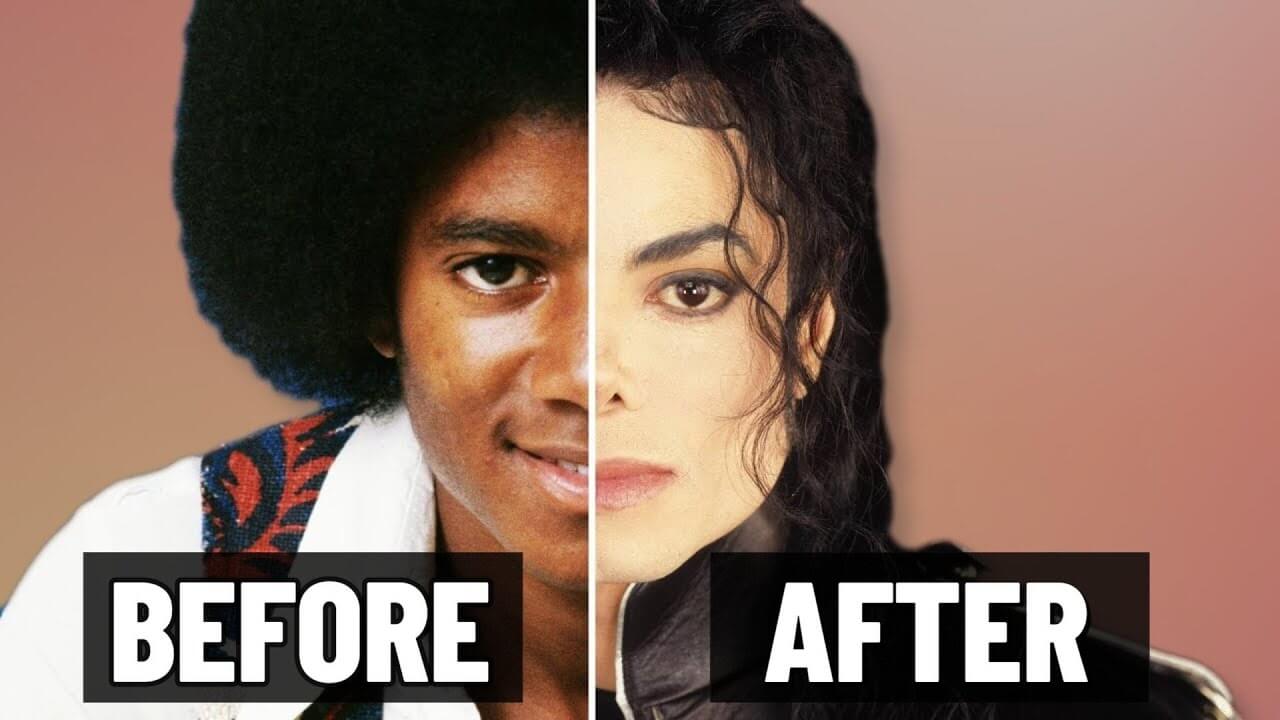
In a professional corporate environment, if a brand’s logo began to shift without a clear “Why,” the company would face a PR crisis. Jackson’s team attempted to mitigate this by attributing changes to medical conditions (vitiligo). However, the brand was already suffering from “image fatigue.” The public struggled to reconcile the soulful singer of “Man in the Mirror” with the increasingly fragile-looking figure on their television screens. This illustrates a vital branding lesson: if the visual identity changes too fast for the consumer to process, the consumer will disconnect from the brand’s emotional core.
Strategic Impacts on Corporate Partnerships and Endorsements
The physical transformation of Michael Jackson’s face had direct, measurable consequences on his commercial viability and his ability to secure long-term corporate partnerships.
The Pepsi Era: Aligning the Face with Global Giants
The partnership between Michael Jackson and Pepsi-Cola in the 1980s remains one of the most successful brand alignments in history. At the time, Jackson’s face was the face of “The New Generation.” Pepsi utilized his image to signal that their product was modern, cool, and innovative.
However, as the “uncanny valley” effect began to take hold in the 1990s, corporate sponsors became more cautious. A face that is constantly changing is a liability for a brand that seeks stability. When a corporation signs a celebrity, they are “renting” that person’s image. If the image changes significantly mid-contract, the ROI (Return on Investment) diminishes because the celebrity no longer represents the qualities they were originally hired for.
Brand Dilution and the Challenges of Inconsistency
By the late 1990s and early 2000s, Jackson’s face had become a focal point of tabloid scrutiny rather than a symbol of musical excellence. This led to brand dilution. In marketing, brand dilution occurs when a brand is spread too thin or becomes associated with negative or confusing traits.
Luxury brands and high-end tech companies, which once would have vied for a Jackson endorsement, began to distance themselves. The brand had become “too loud” in its controversy and “too quiet” in its product delivery. The lesson here for personal brands is that the “packaging” (the physical image) must remain congruent with the “brand promise.” If the promise is “The Greatest Entertainer,” but the packaging suggests “medical mystery,” the brand’s market value will inevitably drop.
Legacy Management: Preserving the Brand Beyond the Transformation
Despite the turbulence caused by his physical changes, the Michael Jackson brand has seen a massive resurgence in the decade following his passing. This is largely due to a strategic decision by his estate to “reset” the brand.
Posthumous Branding: Returning to the Iconic Image
If you look at the marketing materials for the MJ Broadway musical, the Michael Jackson One Cirque du Soleil show, or his posthumous albums, you will notice a common theme: the imagery almost exclusively utilizes his look from the 1982–1988 period.
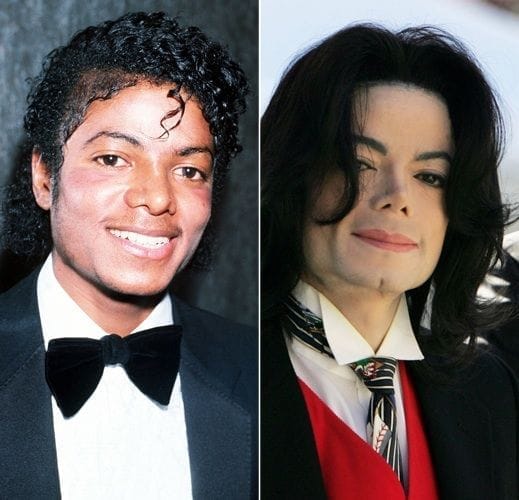
The estate’s brand strategy has been to minimize the “What happened to his face?” era and maximize the “Peak Icon” era. By focusing on the Thriller and Bad aesthetics, the estate has successfully re-stabilized the brand. They have effectively “de-aged” the corporate identity, proving that in branding, you can choose which version of your history to emphasize. This “Legacy Reset” has allowed the brand to regain its status as a premier global IP, untethered from the physical transformations of the later years.
Lessons in Personal Branding: The Balance of Innovation and Authenticity
The story of Michael Jackson’s face is a cautionary tale for modern influencers and personal brands. It highlights the delicate balance between the desire for self-expression and the necessity of brand consistency.
- Authenticity is a Metric: Modern consumers value authenticity above all else. When a brand’s physical evolution appears to be a rejection of its origins, it creates a “trust gap.”
- Consistency is King: While brands must evolve to stay relevant, the core elements (the “DNA” of the brand) should remain recognizable.
- Narrative Control: If you don’t define the reason for your brand’s change, the market will define it for you—often in ways that are detrimental to your equity.
In conclusion, Michael Jackson’s physical journey was more than a personal or medical story; it was a decades-long experiment in visual branding. While the drastic changes to his face created significant hurdles for his commercial partnerships during his lifetime, his core brand—the music and the movement—proved resilient enough to survive. Today, through careful legacy management, the “King of Pop” brand remains a dominant force, proving that while a face may change, a well-built brand can last forever.
aViewFromTheCave is a participant in the Amazon Services LLC Associates Program, an affiliate advertising program designed to provide a means for sites to earn advertising fees by advertising and linking to Amazon.com. Amazon, the Amazon logo, AmazonSupply, and the AmazonSupply logo are trademarks of Amazon.com, Inc. or its affiliates. As an Amazon Associate we earn affiliate commissions from qualifying purchases.