
The meteoric rise of the Italian rock band Måneskin serves as one of the most compelling case studies in modern brand strategy. In less than three years, the quartet transitioned from busking on the streets of Rome to dominating the global charts, revitalizing a genre many critics deemed commercially dormant. However, as 2024 unfolds, the public discourse has shifted from “Who are they?” to “What happened to them?”
From a brand perspective, Måneskin has not disappeared; rather, they are navigating a sophisticated phase of brand evolution, individual diversification, and strategic market cooling. To understand the current state of the Måneskin brand, one must look past the music and analyze the deliberate choices made in personal branding, luxury positioning, and global market penetration.
The Architecture of an Overnight Sensation: Building the Måneskin Brand Identity
The success of Måneskin was not merely a byproduct of a catchy Eurovision entry. It was the result of a meticulously crafted brand identity that resonated with a specific demographic: Gen Z and late Millennials seeking “authentic” rebellion within a curated digital framework.
Visual Storytelling and the Glam-Rock Aesthetic
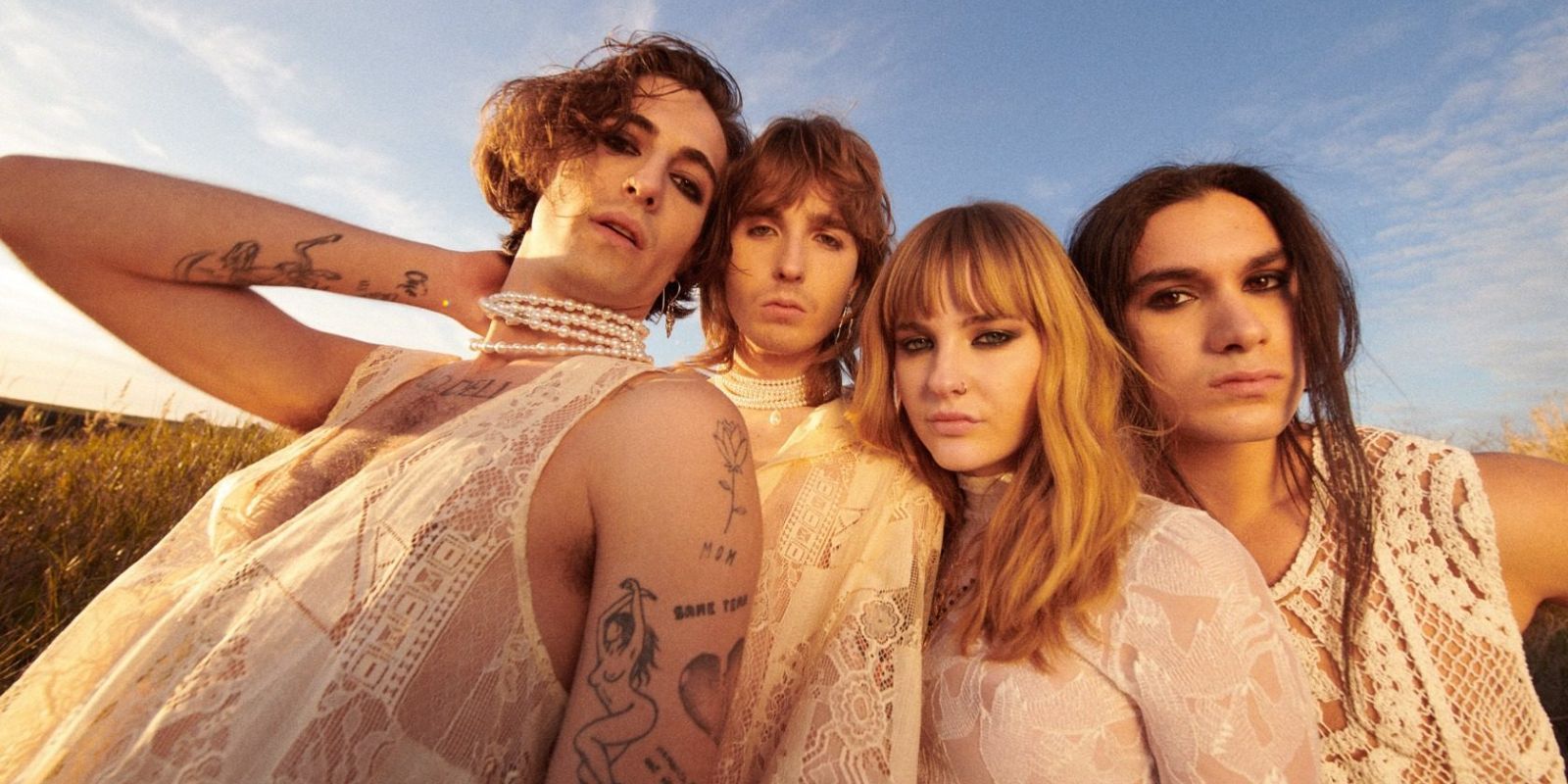
Brand identity is visual before it is auditory. Måneskin utilized a “Neo-Glam” aesthetic that paid homage to the 1970s while integrating contemporary gender-fluid fashion. This visual consistency made them instantly recognizable. By adopting a uniform aesthetic—heavy eyeliner, leather, and vintage silhouettes—the band created a visual shorthand for their brand. This allowed them to stand out in a crowded digital marketplace where “thumb-stopping” visuals are the primary currency of consumer attention.
Authenticity as a Marketable Asset
In the world of personal branding, “authenticity” is often the most valuable, albeit manufactured, asset. Måneskin positioned themselves as the antithesis of the highly polished, algorithm-driven pop stars of the late 2010s. Their narrative—four childhood friends who grew up together and refused to change their sound—became a core pillar of their brand equity. This narrative fostered a deep sense of loyalty among fans, who felt they were supporting a grassroots movement rather than a corporate product.
Leveraging Global Platforms for Brand Awareness
While many Eurovision winners fail to capitalize on their temporary fame, Måneskin used the platform as a “minimum viable product” (MVP) launch. They leveraged the initial burst of awareness to pivot immediately into the U.S. and U.K. markets. Their strategy involved rapid-fire content creation on TikTok, transforming their cover of “Beggin'” into a global viral sensation. This was a masterclass in brand scaling: taking a localized success and adapting the “product” for a global audience through digital-first distribution.
Scaling the Brand: From Eurovision Winners to Global Icons
The transition from a European novelty to a global powerhouse required a shift in marketing strategy. The band’s management moved away from the “contest winner” label and toward “luxury rock icons.”
Penetrating the U.S. Market: A Strategic Masterclass
Many international brands fail to crack the United States due to a lack of cultural resonance. Måneskin’s strategy involved high-profile collaborations and strategic media placements. Appearing on Saturday Night Live and opening for The Rolling Stones were not just performances; they were “brand endorsements” from established institutions. These associations provided the band with the institutional “social proof” needed to be taken seriously by a skeptical American audience.
Brand Partnerships and Luxury Alignments
One of the clearest indicators of Måneskin’s brand power was their partnership with Gucci. Under the creative direction of Alessandro Michele, the band became the faces of the luxury house. This move was a calculated effort to elevate the brand from “pop-rock band” to “high-fashion cultural icons.” By aligning with Gucci, Måneskin entered a different market tier, one where their value was determined not just by album sales, but by their influence on lifestyle and fashion trends. This diversification of brand touchpoints ensured that even if a consumer wasn’t listening to their music, they were seeing their faces in high-end fashion editorials.

Managing the “Viral” Lifecycle
The danger of viral success is its inherent volatility. Måneskin’s team managed this by ensuring a steady stream of “prestige” content. They moved away from the short-form, low-fidelity content of their early days toward high-production music videos and documentary-style glimpses into their lives. This helped transition the brand from a “fleeting trend” to a “legacy brand” in the making.
The Current Pivot: Diversification and Individual Brand Equity
The question of “what happened” often arises when a collective brand begins to prioritize individual assets. In 2024, the members of Måneskin have moved toward a “House of Brands” model, where the individual identities of the members are being cultivated alongside the group identity.
Damiano David and the Solo Strategy
The most visible shift in the Måneskin ecosystem is the solo emergence of lead singer Damiano David. From a branding perspective, this is a classic move to maximize market share. By launching solo projects like “Silverlines,” David is exploring a different “brand vertical”—one that is more melodic, cinematic, and perhaps more palatable to a mainstream adult contemporary audience. This doesn’t signal the end of the band, but rather an expansion of the “Måneskin” umbrella to include diverse sub-brands.
Victoria De Angelis: Niche Branding in the Electronic Space
While Damiano pursues a more mainstream pop-rock path, bassist Victoria De Angelis has carved out a niche in the electronic and techno scene. Her solo DJ tours represent a strategic “niche positioning.” By associating her personal brand with the underground club scene, she brings a “cool factor” back to the collective brand. This multi-pronged approach allows the band members to capture different segments of the market—mainstream pop, rock purists, and electronic enthusiasts—simultaneously.
The “Hiatus” as a Strategic Brand Cooling Period
In marketing, overexposure can lead to brand fatigue. After two years of non-stop touring and media presence, Måneskin entered a period of relative quiet. This is often a deliberate “cooling” period. By reducing their visibility, they create a sense of scarcity. When the band eventually reunites for a new project, the market demand will likely be higher than if they had continued to saturate the airwaves. This is a common tactic used by high-value brands (like Apple or Supreme) to maintain hype and prestige.
Analyzing the “Disappearance”: Market Fatigue or Calculated Scarcity?
To the casual observer, Måneskin might seem less “relevant” because they aren’t currently topping the Billboard 100. However, from a brand health perspective, they are in a period of consolidation.
The Danger of Overexposure in the Digital Age
Modern consumers have shorter attention spans than ever before. A brand that stays in the spotlight for too long without significant evolution risks becoming a “legacy act” too quickly. Måneskin’s shift toward individual projects and selective public appearances is a defense mechanism against this fatigue. They are allowing their audience to “miss” them, which is a vital component of long-term brand sustainability.
Shifting from Growth to Retention
Early in their career, Måneskin’s marketing was focused on “acquisition”—getting as many new ears on their music as possible. Now, the strategy has shifted to “retention.” They are focusing on their core “super-fans” through exclusive merchandise, high-end touring experiences, and deeper storytelling. This phase of the brand lifecycle is less about viral hits and more about building a sustainable, high-margin business model.

Future Outlook: The Longevity of the Måneskin Corporate Identity
What lies ahead for the Måneskin brand? The most likely scenario is a cyclical model. We will see periods of intense individual brand building (solo albums, DJ sets, fashion campaigns) followed by a “reunion” of the master brand (a new Måneskin album and world tour). This “Spider-Man: Into the Spider-Verse” approach to branding—where the individual parts are as strong as the whole—is the most effective way to maintain relevance in a fragmented media landscape.
In conclusion, Måneskin hasn’t “faded away.” They have successfully transitioned from a high-growth startup phase into a diversified lifestyle brand. By allowing individual members to explore their own brand equity, the group is ensuring that when they do return as a collective, they will do so with a broader reach and a more mature market position. “What happened to Måneskin” is not a story of decline, but a sophisticated masterclass in brand evolution and the strategic management of global fame.
aViewFromTheCave is a participant in the Amazon Services LLC Associates Program, an affiliate advertising program designed to provide a means for sites to earn advertising fees by advertising and linking to Amazon.com. Amazon, the Amazon logo, AmazonSupply, and the AmazonSupply logo are trademarks of Amazon.com, Inc. or its affiliates. As an Amazon Associate we earn affiliate commissions from qualifying purchases.