
In the landscape of modern media, few individuals have managed to transform a niche professional background into a global personal brand as effectively as Barry Weiss. Known to millions as “The Collector” on A&E’s hit reality series Storage Wars, Weiss became the breakout star of a program centered on the gritty, often mundane world of abandoned locker auctions. However, his journey from a successful produce businessman to a television icon and beyond provides a compelling case study in brand strategy, persona development, and the art of the strategic exit.
When audiences ask “what happened to Barry from Storage Wars,” they aren’t just inquiring about his whereabouts; they are subconsciously acknowledging the power of a brand that left a significant void in its market. To understand his trajectory, we must look through the lens of personal branding to see how Weiss navigated fame, handled brand stagnation, and managed a high-profile comeback.
The Architecture of an Iconic Personal Brand
A successful personal brand requires more than just visibility; it requires a distinct “Unique Value Proposition” (UVP) that separates the individual from the competition. In the context of Storage Wars, while other cast members focused on the financial grind or the “flipping” aspect of the business, Weiss positioned himself as the eccentric connoisseur.
Identifying the Unique Value Proposition: The “Collector” Archetype
From his first appearance, Weiss was branded not as a “buyer” but as “The Collector.” This distinction was critical for his brand positioning. While competitors like Dave Hester or Darrell Sheets were framed as businessmen looking for profit margins, Weiss was framed as a man of leisure and taste. His UVP was built on the premise that he didn’t need the money; he was there for the thrill and the oddity. This allowed him to engage in high-risk, high-reward behavior that made for excellent television, reinforcing a brand identity of “unpredictable expertise.”
Consistency in Character: Aesthetic and Voice
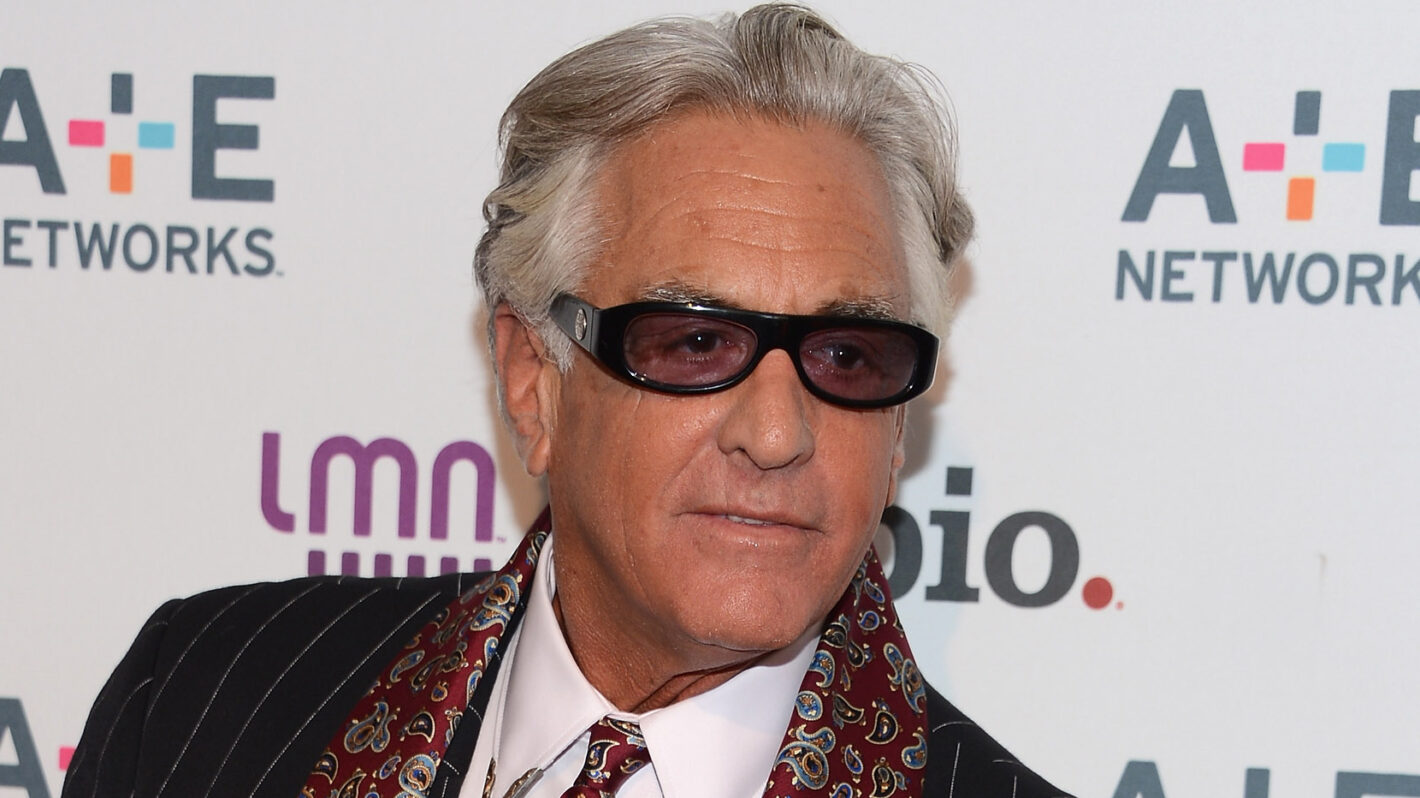
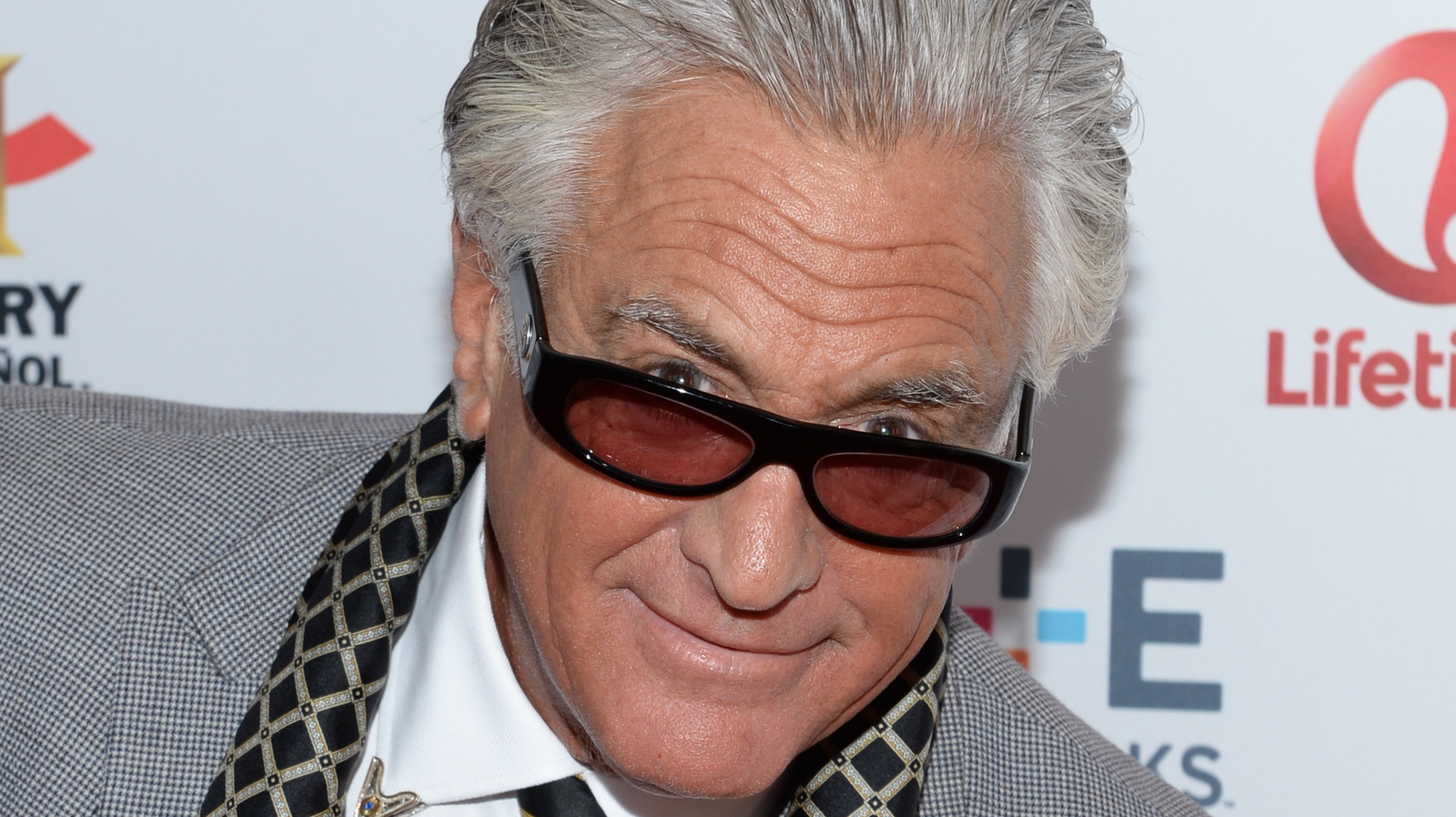
A brand is often defined by its visual cues. Weiss utilized a “signature look” that became synonymous with his persona. The skeletal gloves, the custom West Coast Chopper-style vehicles, and the ever-present sunglasses created a silhouette that was instantly recognizable. In branding, consistency is the bedrock of trust. By maintaining this aesthetic across seasons, Weiss built a “sticky” brand that viewers could easily identify and rally behind. His voice—calm, witty, and slightly detached—complemented this visual style, creating a cohesive brand narrative that felt both authentic and meticulously curated.
Strategic Departure: Knowing When to Exit for Brand Longevity
In the world of corporate and personal branding, “overexposure” is a significant risk. If a brand stays in one market for too long without evolution, it faces diminishing returns and audience fatigue. Barry Weiss’s departure from Storage Wars at the height of its popularity was a masterclass in brand preservation.
Avoiding Overexposure in Reality TV
By Season 4, Storage Wars had become a cultural phenomenon, but the formula was beginning to stabilize. For a brand built on “eccentricity” and “mystery,” stability is a threat. Weiss recognized that to preserve the “Collector” mystique, he needed to step away before the audience grew tired of the gimmick. In brand strategy, this is known as the “scarcity principle.” By removing himself from the primary product, he increased his personal brand equity, making his future appearances more valuable.
The Spin-off as a Brand Extension Strategy
Following his departure, Weiss attempted to leverage his brand into new verticals with shows like Barry’d Treasure and Storage Wars: Barry Strikes Back. These served as “brand extensions.” While they did not reach the astronomical heights of the original series, they served a vital purpose: they cemented the idea that “Barry Weiss” was a standalone brand independent of the Storage Wars ensemble. From a marketing perspective, this was an attempt to transition from a “featured product” to a “platform brand.” He was no longer just a character in a show; he was the show.

Resilience and Reinvention: Branding Through Adversity
No brand exists in a vacuum, and external shocks are inevitable. How a brand responds to a crisis defines its long-term viability. For Barry Weiss, the period following his initial television run was marked by personal challenges that tested the resilience of his public image.
Navigating a Crisis: The 2019 Accident
In 2019, Weiss was involved in a serious motorcycle accident that left him with significant injuries and required a lengthy recovery process. During this time, the “Barry Weiss” brand went dark. In the digital age, a prolonged absence can often lead to “brand death.” However, because Weiss had built such a strong foundation of mystery and scarcity, his absence actually fueled brand interest. The question “What happened to Barry?” became a trending topic, proving that his brand had achieved “legacy status”—where the audience’s emotional investment persists even without active marketing.
Returning to Roots: The Brand Comeback
In 2021, Weiss made a strategic return to Storage Wars for Season 13. This move was a classic “rebranding” exercise. He returned not as the hungry newcomer, but as the “Elder Statesman” of the auction world. This pivot allowed him to reclaim his market share while acknowledging the passage of time. For a personal brand, aging can be a liability or an asset. Weiss chose to make it an asset, leaning into his status as a legendary figure in the industry. This comeback was highly publicized and served to revitalize the entire Storage Wars franchise, demonstrating the symbiotic relationship between a star brand and the platform that hosts it.
Lessons in Audience Engagement and Legacy
The enduring interest in Barry Weiss offers several high-level lessons for brand managers and entrepreneurs. His success wasn’t accidental; it was the result of a deep understanding of audience psychology and market positioning.
Cultivating Mystery and Scarcity
In an era of oversharing, Weiss’s brand thrived on what he didn’t show. He rarely gave traditional interviews, his private life remained largely private, and his wealth—derived from a successful career in the produce industry long before television—was never fully quantified. This “information gap” encouraged audience engagement. In branding, leaving room for the consumer’s imagination can be more powerful than providing every detail. It creates a “legend” rather than just a celebrity.
The Value of Niche Authority
While Weiss was an entertainer, his brand was rooted in “perceived expertise.” Whether he was actually the world’s greatest antique collector was secondary to the fact that he projected the authority of one. For any brand, establishing niche authority is the key to charging a premium. People didn’t watch Barry for the lockers; they watched him for his perspective. This shift from “commodity” (the items in the locker) to “perspective” (Barry’s take on the items) is what allowed his brand to transcend the show’s premise.
The Future of the “Barry Weiss” Brand in a Digital Era
As we look toward the future, the Barry Weiss brand faces the challenge of the digital transition. While he rose to fame through traditional cable television, the current landscape is dominated by social media and short-form content. However, the principles he used—distinct visual identity, strategic scarcity, and the “eccentric expert” archetype—are platform-agnostic.
What happened to Barry from Storage Wars? He didn’t disappear; he successfully navigated the lifecycle of a high-performance personal brand. He moved through the phases of Introduction (Season 1), Growth (Seasons 2-4), Maturity (Spin-offs), and Rebirth (The 2021 Return). By prioritizing brand equity over short-term visibility, Weiss ensured that he would remain a person of interest long after the final gavel fell.
For modern professionals and brand strategists, the “Barry Weiss model” serves as a reminder that a brand is not just what you sell, but how you are remembered. In the end, the most valuable “treasure” Weiss ever found in a storage locker was the platform to build a brand that could survive the test of time, injury, and the fickle nature of the entertainment industry. He remains the definitive example of how to turn a specific personality into a global, enduring corporate asset.
aViewFromTheCave is a participant in the Amazon Services LLC Associates Program, an affiliate advertising program designed to provide a means for sites to earn advertising fees by advertising and linking to Amazon.com. Amazon, the Amazon logo, AmazonSupply, and the AmazonSupply logo are trademarks of Amazon.com, Inc. or its affiliates. As an Amazon Associate we earn affiliate commissions from qualifying purchases.