
The quest for longer, fuller, and more dramatic lashes has been a constant pursuit throughout beauty history. While mascara and false lashes offer temporary solutions, the desire for natural, sustainable lash growth has driven innovation in remarkable ways. Today, the answer to “what grows lashes” is increasingly found not just in traditional formulations, but within the sophisticated realm of technology. From groundbreaking scientific research to advanced application devices, technology is fundamentally reshaping how we achieve and maintain lash growth. This article delves into the cutting-edge technologies and scientific advancements that are unlocking the potential for truly transformative lash enhancement, exploring the intricate mechanisms of lash biology and the innovative tools and treatments that leverage this knowledge for observable results.
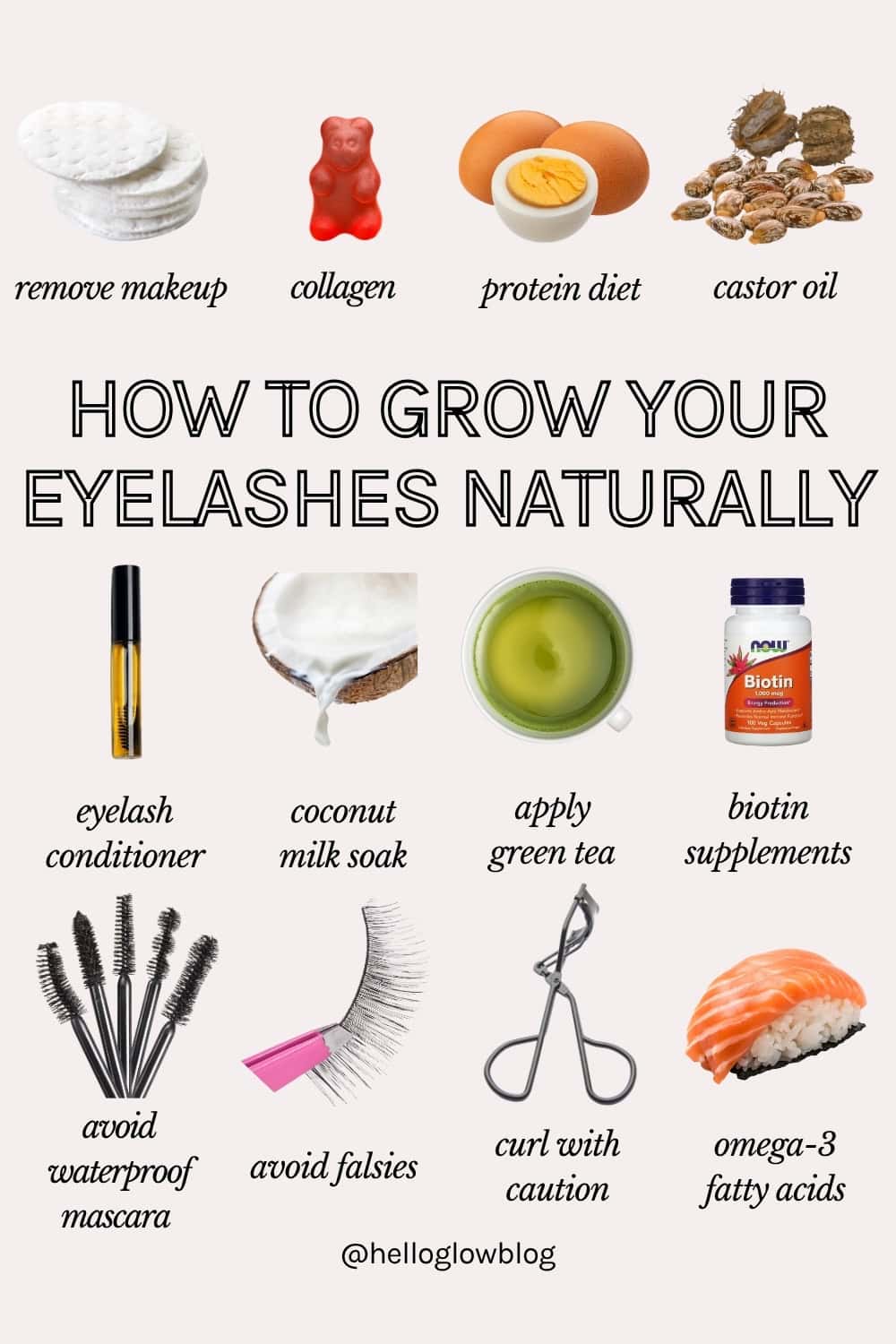
The Science of Lash Biology: Understanding the Growth Cycle
Before we can effectively stimulate lash growth, it’s crucial to understand the biological processes that govern it. Lashes, like hair on other parts of the body, follow a distinct growth cycle, and technological interventions are designed to optimize each stage of this cycle.
The Three Phases of Lash Growth
Every lash follicle operates on a predictable cycle, crucial for understanding how to encourage longer and healthier growth. This cycle consists of three main phases:
- Anagen (Growth Phase): This is the active growth phase, where lash follicles produce new lash hairs. The duration of the anagen phase directly influences the potential length of a lash. For lashes, this phase is relatively short compared to scalp hair, typically lasting around 4-6 weeks. During this time, the lash grows from the follicle, with its length determined by the genetically programmed duration of this phase.
- Catagen (Transition Phase): This is a short, transitional phase where lash growth ceases. The follicle begins to shrink, and the lash detaches from the dermal papilla (the nutrient supply). This phase typically lasts for about 2-3 weeks.
- Telogen (Resting Phase): This is the resting phase, where the lash remains in the follicle but is no longer growing. Eventually, the lash will shed, and a new lash will begin to grow in its place, starting the cycle anew. This phase can last for several months.
Understanding these phases is paramount for any technology aiming to promote lash growth. Interventions are most effective when they can extend the anagen phase, promote healthier follicles, or prevent premature shedding, thereby allowing lashes to reach their maximum potential length and density.
The Role of Hair Follicle Stem Cells and Growth Factors
The intricate machinery responsible for lash growth resides within the hair follicle, specifically in specialized stem cell populations and the signaling molecules they produce.
- Hair Follicle Stem Cells (HFSCs): These remarkable cells are the architects of new hair growth. Located in specific niches within the follicle, HFSCs are responsible for generating the various cell types that make up the lash. Technologies that can activate or support these stem cells hold immense promise for stimulating new lash production and improving the overall health and longevity of existing lashes. Research into stimulating HFSC activity is a cornerstone of advanced lash growth solutions.
- Growth Factors and Signaling Pathways: The communication between cells within the hair follicle is orchestrated by a complex network of growth factors and signaling pathways. These molecules act as messengers, instructing cells to divide, differentiate, and grow. Key players include proteins like Vascular Endothelial Growth Factor (VEGF), which promotes blood vessel formation (essential for nutrient delivery to the follicle), and Keratinocyte Growth Factor (KGF), which plays a role in epithelial cell proliferation. Understanding and manipulating these pathways is a central focus of scientific research aimed at enhancing lash growth.
Technological Innovations in Lash Growth: From Serums to Devices
The scientific understanding of lash biology has paved the way for a new generation of technological solutions designed to stimulate and enhance lash growth. These innovations span from advanced cosmetic formulations to cutting-edge application devices and professional treatments.
Advanced Formulations: Peptide Technology and Biomimetic Ingredients
The most common and accessible technological advancements in lash growth are found in topical formulations, particularly serums. These products have moved far beyond simple conditioning agents, incorporating sophisticated ingredients that directly influence the lash growth cycle.
- Peptide Powerhouses: Peptides are short chains of amino acids, the building blocks of proteins. In the context of lash growth, specific peptides have been identified that can mimic or stimulate the body’s natural growth factors. For instance, certain signal peptides can encourage keratin production, the primary protein component of lashes, leading to stronger and potentially longer lashes. Myristoyl Pentapeptide-17, a popular example, has been shown to stimulate keratin genes, promoting lash growth and thickening.
- Biomimetic Molecules and Nutrients: Beyond peptides, advanced serums incorporate other biomimetic ingredients designed to support follicle health and the lash growth cycle. These can include:
- Biotin (Vitamin B7): Essential for keratin production, biotin strengthens lashes and may contribute to growth.
- Hyaluronic Acid: Provides hydration, keeping lashes supple and less prone to breakage.
- Panthenol (Pro-Vitamin B5): Penetrates the lash shaft, improving moisture retention and elasticity.
- Botanical Extracts with Bioactive Compounds: Certain plant extracts are rich in antioxidants and compounds that can improve scalp circulation to the follicles or provide protective benefits.
- Specialized Lipid Complexes: These can nourish the lash and support the health of the follicle.
The technological advancement here lies not just in the ingredients themselves, but in the sophisticated delivery systems that ensure these active compounds penetrate the skin effectively to reach the hair follicle. This often involves micro-encapsulation or other formulation techniques that protect the active ingredients and allow for controlled release.

Light Therapy and Microcurrent Devices: The At-Home Revolution
The desire for professional-level results at home has fueled the development of sophisticated personal devices that leverage technological principles for lash enhancement.
- Low-Level Light Therapy (LLLT): Also known as photobiomodulation, LLLT uses specific wavelengths of light to stimulate cellular activity. For lash growth, devices emitting red or near-infrared light can penetrate the skin and reach the hair follicles. This light energy is absorbed by mitochondria within the cells, boosting ATP production (cellular energy) and promoting cellular repair and regeneration. Studies suggest LLLT can prolong the anagen phase and increase follicle activity, leading to visibly longer and fuller lashes over time. These devices often come in the form of specialized wands or masks designed for targeted application along the lash line.
- Microcurrent Stimulation: Microcurrent technology, commonly used in facial treatments to lift and tone the skin, is now being adapted for lash enhancement. These devices deliver low-level electrical currents to the lash follicles. It is believed that these currents can stimulate blood circulation to the follicle, delivering essential nutrients and oxygen, and potentially activating the stem cells responsible for hair growth. The precise mechanisms are still being explored, but the application of gentle electrical stimulation aims to create a more conducive environment for lash growth.
- Radiofrequency (RF) Technology: Some emerging devices utilize radiofrequency energy, which generates heat within the deeper layers of the skin. This controlled heating can promote collagen production and improve blood flow to the hair follicles, theoretically creating conditions that support healthier and more robust lash growth. The targeted application of RF energy is designed to stimulate the dermal papilla and surrounding tissues without causing damage to the lash itself.
The technological sophistication of these at-home devices lies in their precise control over energy output, wavelength (for LLLT), and safety features, making them accessible for consumers seeking to enhance their lashes through non-invasive means.
Professional Treatments: Lashes Reimagined Through Science
Beyond at-home solutions, advanced technological applications are also being integrated into professional salon and spa services, offering more intensive and targeted lash growth treatments.
- Microneedling for Lash Enhancement: Microneedling involves using a device with tiny needles to create controlled micro-injuries on the skin. When applied to the lash line, this process can trigger the skin’s natural healing response, which includes the release of growth factors and increased collagen production. This can create a more favorable environment for hair follicles. Often, microneedling is combined with the application of specialized serums containing peptides or growth factors, enhancing their penetration and efficacy.
- Exosome Therapy for Lash Growth: Exosomes are tiny vesicles released by cells that contain a rich cargo of proteins, lipids, and nucleic acids, including growth factors and signaling molecules. Exosome therapy, derived from stem cells or other specialized cells, is an emerging area in regenerative medicine. For lash growth, exosomes can be applied topically or via microneedling to deliver potent biological signals that directly stimulate hair follicle stem cells and promote a healthier growth environment. This technology represents a significant leap forward in harnessing the power of cellular communication for biological regeneration.
- Precision Laser Treatments: While not as common as other methods, certain laser technologies are being explored for their potential to stimulate hair follicles. These treatments aim to improve blood flow, reduce inflammation, and activate cellular processes within the follicle, creating optimal conditions for lash growth. The precise wavelengths and energy levels are carefully calibrated to target the follicle area without damaging the delicate skin of the eyelid.
These professional treatments often represent the cutting edge of lash enhancement technology, leveraging a deeper understanding of cellular biology and advanced delivery systems for potentially more dramatic and lasting results.
The Future of Lash Growth: AI, Gene Editing, and Personalized Solutions
The trajectory of technological innovation suggests that the future of lash growth will be even more sophisticated, personalized, and perhaps even revolutionary.
Artificial Intelligence in Formulation and Diagnostics
Artificial intelligence (AI) is beginning to permeate every sector, and the beauty industry is no exception. AI’s capabilities are poised to significantly impact how we develop and utilize lash growth solutions.
- AI-Powered Formulation Development: AI algorithms can analyze vast datasets of chemical compounds, biological pathways, and clinical trial results to identify novel peptide sequences, growth factor cocktails, and delivery systems that are most effective for stimulating lash growth. This can dramatically accelerate the discovery and development process, leading to more potent and targeted formulations.
- Personalized Lash Growth Analysis: AI-powered imaging and diagnostic tools could analyze an individual’s lash density, growth patterns, and follicle health. Based on this data, AI can then recommend the most suitable products, treatments, and application schedules, creating a truly personalized approach to lash enhancement. Imagine an app that scans your lashes and tells you precisely what your follicles need.
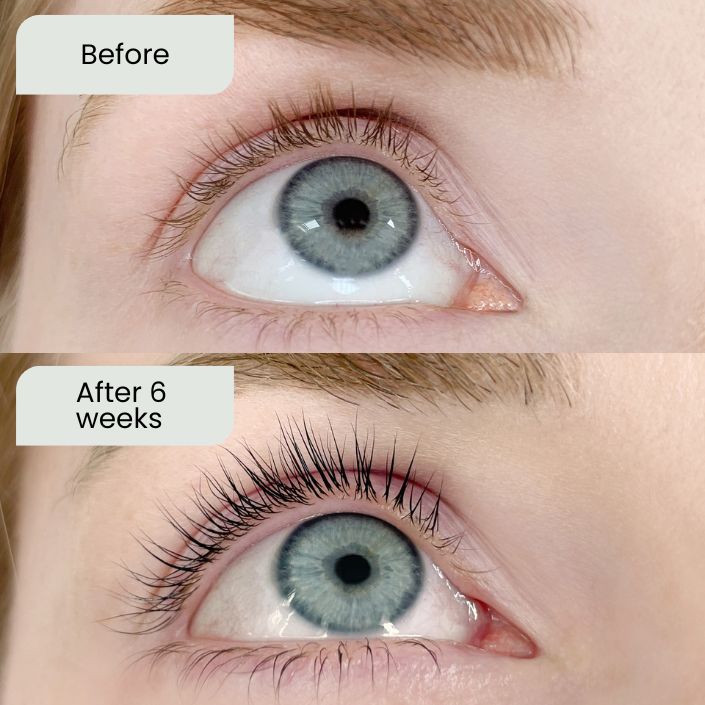
Gene Editing and Regenerative Medicine: The Next Frontier
While still in its nascent stages for cosmetic applications, advancements in gene editing and regenerative medicine hold profound potential for influencing biological processes like hair growth at a fundamental level.
- Targeting Genetic Predispositions: Gene editing technologies like CRISPR could, in theory, be used to target genes that regulate lash length, density, or growth cycle duration. While ethical considerations and safety concerns are significant hurdles, the possibility of directly influencing the genetic blueprint for lash growth remains a long-term prospect.
- Stem Cell Therapies and Tissue Engineering: Advanced stem cell therapies, going beyond exosome delivery, could involve the direct transplantation of specialized stem cells to revitalize dormant follicles or the in-vitro cultivation of lash follicles for eventual implantation. Tissue engineering approaches might also allow for the creation of lab-grown lash follicles, offering a revolutionary solution for those with significant lash loss.
The continuous evolution of technology, from the microscopic world of cellular signaling to the macroscopic power of AI, is transforming the landscape of lash growth. What was once limited to temporary cosmetic fixes is now a sophisticated science, offering a promising future for achieving naturally beautiful and resilient lashes through innovation.
aViewFromTheCave is a participant in the Amazon Services LLC Associates Program, an affiliate advertising program designed to provide a means for sites to earn advertising fees by advertising and linking to Amazon.com. Amazon, the Amazon logo, AmazonSupply, and the AmazonSupply logo are trademarks of Amazon.com, Inc. or its affiliates. As an Amazon Associate we earn affiliate commissions from qualifying purchases.