
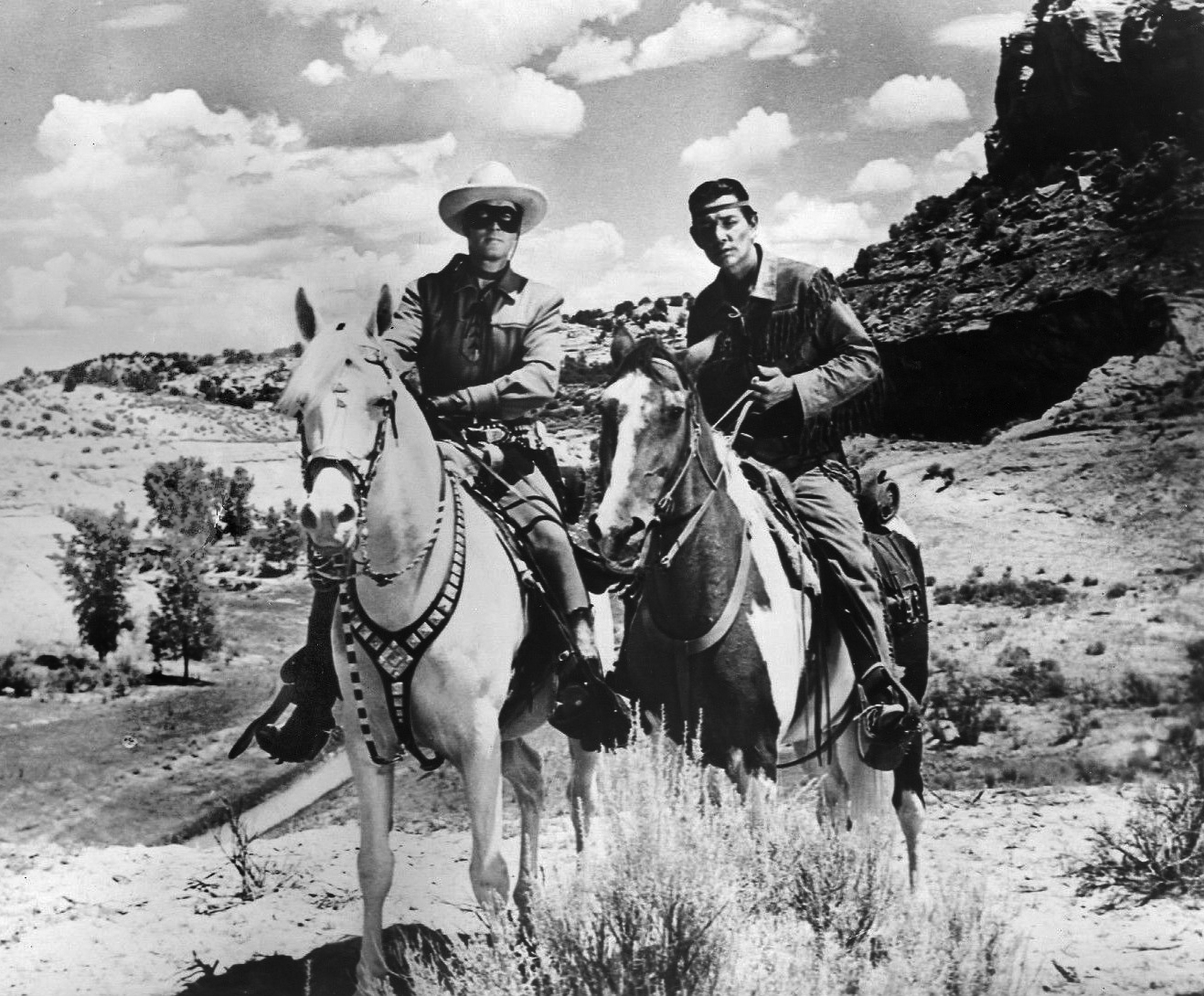
In the pantheon of American pop culture, few partnerships are as enduring or as instantly recognizable as that of the Lone Ranger and his faithful companion, Tonto. While their exploits on the frontier defined the Western genre for generations, one specific element of their interaction has transcended the screen to become a masterclass in verbal branding: the term “Kemosabe.”
To the casual observer, “Kemosabe” is simply what Tonto calls the Lone Ranger. To a brand strategist, however, it represents a sophisticated use of verbal identity—a linguistic “sonic logo” that cemented the duo’s place in the global market. Understanding the origins, implementation, and legacy of this term provides vital insights into how modern brands can use unique language to build identity, foster loyalty, and create a lasting narrative.
The Anatomy of a Brand Catchphrase: Why “Kemosabe” Stuck
At the heart of any successful brand is a “hook”—a distinctive element that separates the entity from its competitors. In the 1930s, when The Lone Ranger debuted as a radio show, the creators needed a way to signify the deep bond between the two protagonists without resorting to lengthy exposition. They needed a verbal shorthand.
Distinctiveness and Phonetic Appeal
From a branding perspective, “Kemosabe” (often spelled Ke-mo sah-bee) is a phonetic triumph. It is “sticky.” Its three syllables are rhythmic and easy to pronounce, yet the word itself feels exotic and proprietary. In the world of marketing, this is known as distinctiveness. Just as a brand like “Kodak” or “Google” was chosen for its unique sound and lack of prior baggage, “Kemosabe” gave the Lone Ranger brand a linguistic asset that belonged solely to that intellectual property.
Creating a “Secret Language” for the Audience
Effective branding often involves creating an “in-group” feeling. When Tonto calls the Ranger “Kemosabe,” it invites the audience into a private world. Listeners and viewers who understood the term felt like part of an exclusive circle. This is a strategy used by modern lifestyle brands—think of how Starbucks uses “Venti” and “Trenta” instead of “Large” or “Extra Large.” By creating a specific lexicon, the Lone Ranger brand transformed passive viewers into members of a community who spoke the show’s language.
Cultural Narrative and Corporate Identity: The Evolution of a Relationship
The relationship between the Lone Ranger and Tonto is more than just a plot point; it is a study in brand archetypes. In branding, archetypes help consumers understand the “personality” of a company. The Lone Ranger embodies the “Hero” archetype—driven by justice and a moral code. Tonto, through his use of the term “Kemosabe” (widely interpreted within the show’s lore to mean “faithful friend” or “trusty scout”), embodies the “Loyalist” or “Sage.”
Brand Archetypes: The Hero and the Companion
In modern brand strategy, the customer is typically positioned as the “Hero,” while the brand acts as the “Guide” or “Companion.” The Lone Ranger brand flipped this in a way that highlighted mutual respect. By consistently using a respectful, unique nickname, the brand communicated a core value: partnership. For corporate identities today, this emphasizes the importance of consistent messaging. If a brand claims to be a partner to its clients, its “verbal identity”—the way its representatives speak and the terms they use—must reflect that level of respect and unique connection.
Recontextualizing Heritage for Modern Audiences
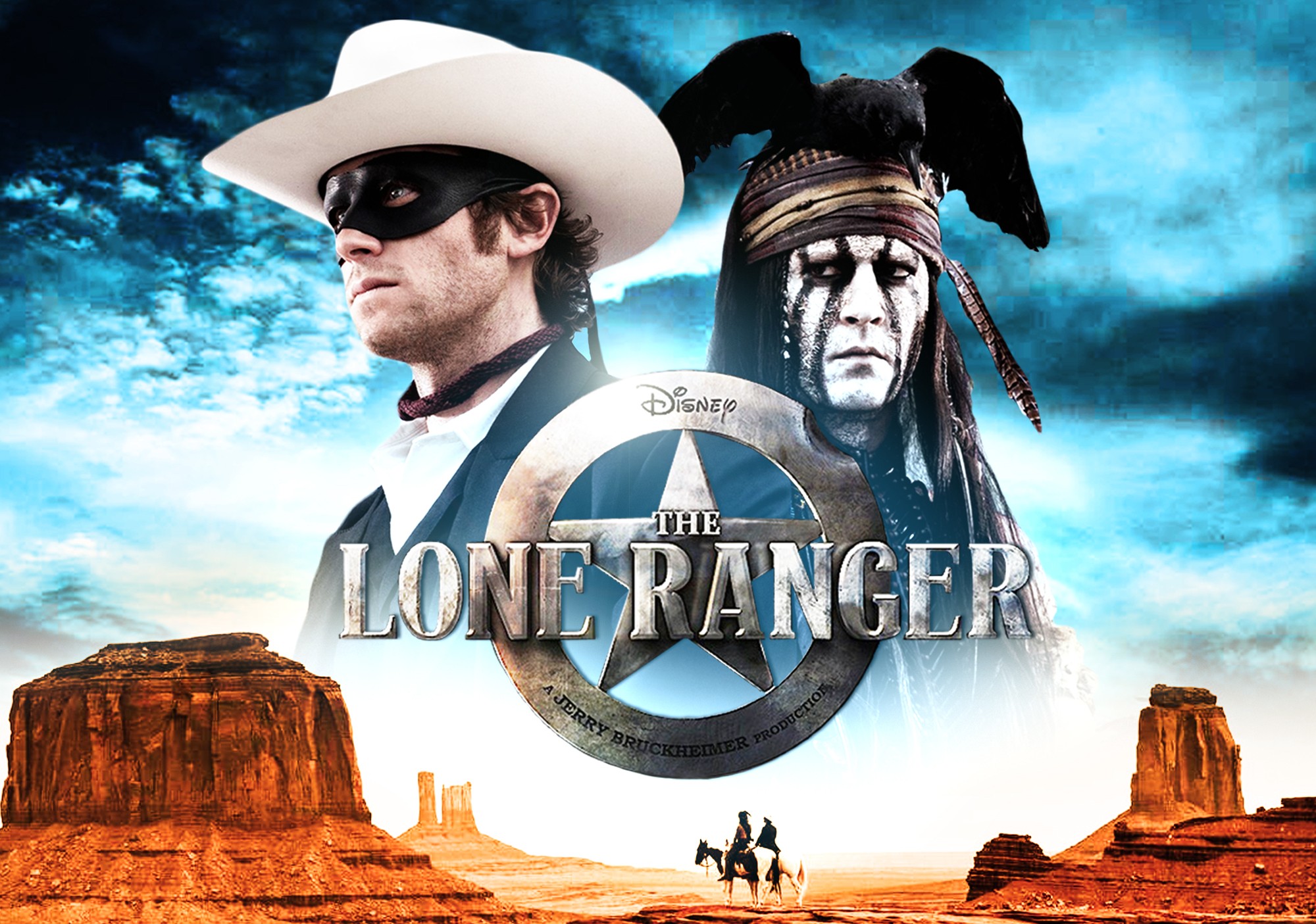
Over the decades, the Lone Ranger brand has faced the challenge of evolving with cultural sensibilities. The origins of “Kemosabe” have been debated, with theories ranging from Potawatomi origins to Camp Kee-Mo-Sah-Bee in Michigan. From a brand management standpoint, the handling of this term in modern reboots (such as the 2013 film) shows how heritage brands must navigate the fine line between nostalgia and contemporary relevance. The brand had to decide whether to keep the term as a legacy asset or retire it. Ultimately, the term’s equity was too high to abandon; it remains the primary verbal anchor of the franchise.

Strategic Nicknaming: Lessons for Personal and Corporate Branding
The use of “Kemosabe” is one of the earliest and most successful examples of strategic nicknaming in media. Nicknaming in branding serves to humanize an entity, making it more approachable and memorable. Whether it is a personal brand or a multi-national corporation, the way we name our processes, our partners, and our products dictates how the world perceives us.
Humanizing the Brand through Dialogue
Corporate brands often suffer from being perceived as cold or monolithic. By introducing a signature way of addressing a partner, the Lone Ranger brand added a layer of warmth and humanity. In the professional world, this translates to the “tone of voice” guidelines that companies use. A brand that uses casual, friendly language (like Slack or Mailchimp) is attempting to build the same kind of “faithful friend” rapport that Tonto established with his use of “Kemosabe.”
Building Brand Loyalty through Recurring Motifs
Repetition is the bedrock of brand recognition. Tonto didn’t call the Ranger “Kemosabe” once; he said it in every episode, every movie, and every comic book. This recurring motif created a sensory shortcut. As soon as an audience member heard the word, they were mentally transported into the Lone Ranger universe. This is a lesson for modern marketers: consistency in your verbal identity is just as important as consistency in your logo or color palette. If your brand voice fluctuates, the “mental map” the consumer has of your brand becomes blurred.
Intellectual Property and the Longevity of a Verbal Asset
One of the most profound aspects of “Kemosabe” is how it has survived the transition across multiple media formats—from radio to television, film, and digital media. In the realm of brand strategy, this is a testament to the power of intellectual property (IP) that is built on more than just visuals.
Protecting Verbal Assets
While logos are trademarked and designs are patented, the “verbal assets” of a brand—its catchphrases, slogans, and unique terminology—are often what the public remembers most. The Lone Ranger brand is a case study in how a single word can encapsulate the entire value proposition of an IP. When people think of the Lone Ranger, they think of the mask, the silver bullet, and the word “Kemosabe.” These are the three pillars of the brand’s visual and verbal identity.
Case Studies in Multi-Generational Brand Recognition
The longevity of “Kemosabe” allows the brand to bridge generational gaps. A grandfather who listened to the radio plays in the 1940s and a grandchild who watched the 21st-century film adaptation share a common linguistic reference point. This “intergenerational brand equity” is the holy grail for marketers. It suggests that if you can create a unique, respectful, and memorable verbal identity, your brand can survive shifts in technology and consumer habits. The medium may change (from radio waves to streaming bits), but the brand’s “soul”—codified in its language—remains intact.
Conclusion: The Lasting Legacy of the Faithful Friend
So, what does Tonto call the Lone Ranger? He calls him “Kemosabe.” But on a deeper level, he calls him a partner, a peer, and a brand icon.
For those in the world of brand strategy and corporate identity, the story of “Kemosabe” is a reminder that the words we choose are not merely placeholders for information. They are tools for building worlds. They are the building blocks of loyalty and the anchors of memory. Whether you are developing a new app, launching a personal brand, or refining a corporate strategy, the lesson of the Lone Ranger and Tonto is clear: find your “Kemosabe.” Find that unique, consistent, and resonant piece of language that defines your relationship with your audience and stick with it.
In a world of constant noise and fleeting trends, the brands that endure are those that speak a language all their own—one that turns a simple title into a legendary bond. Through the mask and the desert dust, the voice of Tonto reminds us that a great brand isn’t just seen; it is heard, remembered, and cherished.
aViewFromTheCave is a participant in the Amazon Services LLC Associates Program, an affiliate advertising program designed to provide a means for sites to earn advertising fees by advertising and linking to Amazon.com. Amazon, the Amazon logo, AmazonSupply, and the AmazonSupply logo are trademarks of Amazon.com, Inc. or its affiliates. As an Amazon Associate we earn affiliate commissions from qualifying purchases.