
The landscape of international trade is often dictated by a delicate balance of comparative advantage, resource availability, and geopolitical stability. For decades, the trade relationship between the United States and Russia was defined by a symbiotic, albeit complex, exchange of raw materials for high-tech industrial goods. However, the events following February 2022 have fundamentally restructured this financial corridor. What was once a predictable flow of commodities and capital has transformed into a case study of “economic decoupling.”
To understand what the US trades with Russia today, one must look beyond simple import-export ledgers. It is a story of strategic dependencies, the efficacy of financial sanctions, and the search for new markets in an increasingly fragmented global economy. This article examines the core components of US-Russia trade through the lens of business finance and global investment.
1. The Core Commodities: What the US Imports from Russia
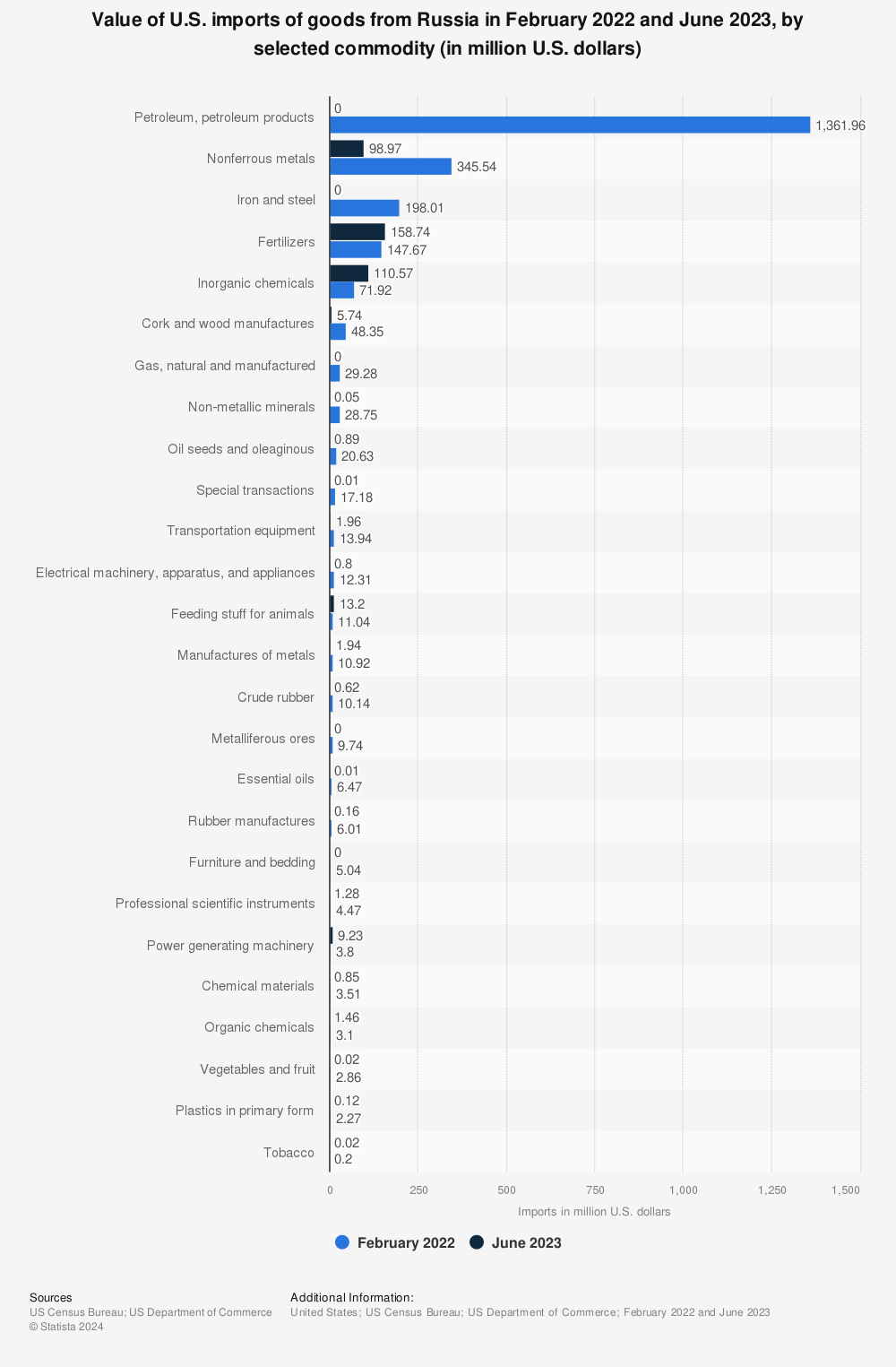
Historically, the United States has relied on Russia for critical raw materials that are essential to American manufacturing and energy sectors. While total trade volume has plummeted due to sanctions, certain “carve-outs” persist because of the sheer difficulty of replacing Russian supply chains overnight.
Energy and Mineral Fuels
For years, mineral fuels were the bedrock of Russian exports to the US. This included crude oil, petroleum products, and liquefied natural gas. At its peak, Russian oil accounted for roughly 8% of US liquid fuel imports. However, following the 2022 invasion of Ukraine, the US moved swiftly to ban the import of Russian energy products. This forced a massive shift in American energy financing, driving increased domestic production and a pivot toward suppliers in the Middle East and South America. Despite the ban, the global nature of oil markets means that some molecules of Russian origin likely still enter the US through refined products processed in third-party nations, highlighting the complexity of financial “de-risking.”
Precious Metals and Industrial Stones
One of the most significant financial dependencies remains in the realm of precious metals, specifically palladium and platinum. Russia’s Norilsk Nickel is the world’s largest producer of palladium, a metal critical for the production of catalytic converters in the automotive industry. Because the US automotive sector is a pillar of the national economy, abrupt shifts in palladium sourcing can lead to massive price volatility and increased manufacturing costs. Additionally, the US continues to import significant quantities of industrial-grade diamonds and semi-precious stones, though these are increasingly scrutinized under new “provenance” tracking requirements designed to limit Russian revenue.
Agricultural Inputs and Fertilizers
Russia is a global powerhouse in the production of potash, phosphate, and nitrogen-containing fertilizers. US agriculture, particularly the heavy-output regions of the Midwest, relies on affordable fertilizer to maintain crop yields and keep food prices stable. To prevent a global food security crisis, many fertilizer products were exempted from the strictest sanctions. For the American investor and agribusiness owner, the trade of Russian fertilizer remains a vital, if controversial, necessity to ensure the financial viability of the US farming sector.
2. American Exports: High-Value Goods and Strategic Divestment
On the other side of the ledger, US exports to Russia have historically focused on high-margin, technologically advanced products. In the current climate, this category has seen the most dramatic contraction, as export controls have been weaponized to limit Russia’s industrial and military capabilities.
Aerospace and Transportation Equipment
Before the imposition of comprehensive sanctions, the aerospace sector was a crown jewel of US-Russia trade. Boeing, for instance, had a significant presence in Russia, both in terms of aircraft sales and titanium sourcing. Today, the export of aircraft parts, new planes, and maintenance services has virtually ceased. This has had a dual financial impact: it has frozen billions of dollars in potential revenue for US aerospace firms and forced Russia to “cannibalize” its existing fleet for parts. From a business finance perspective, this represents a total loss of a once-lucrative market.
Medical Instruments and Pharmaceuticals
Humanitarian exceptions remain a cornerstone of international trade law. As a result, one of the few remaining robust categories of US exports to Russia is medical equipment and pharmaceutical products. The US exports sophisticated diagnostic machinery, laboratory reagents, and life-saving medications. For US healthcare conglomerates, maintaining these trade links is both an ethical obligation and a way to maintain a foothold in a market of 140 million people, ensuring that financial channels for “essential goods” remain open even when others are shuttered.
Industrial Machinery and Specialized Chemicals
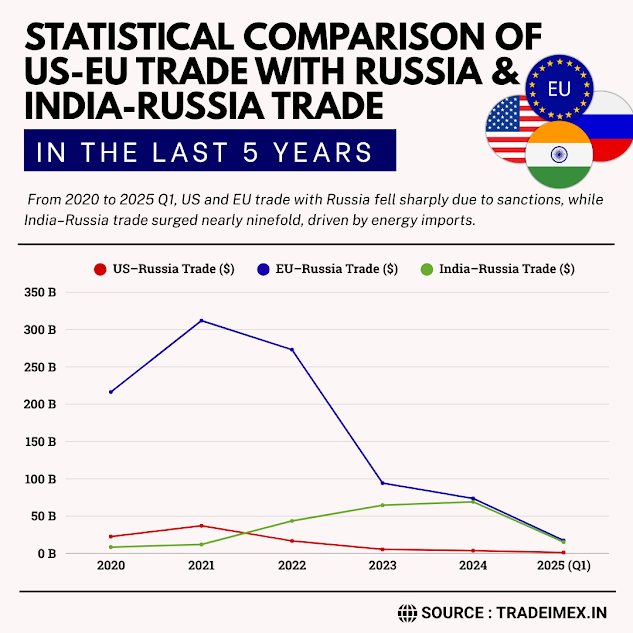
The US was once a primary provider of the specialized machinery used in Russia’s mining and energy extraction industries. From deep-sea drilling equipment to sophisticated centrifugal pumps, American engineering was integrated into the heart of the Russian economy. Current trade restrictions have largely halted these shipments. For US manufacturers, this has necessitated a pivot to other emerging markets, such as India and Southeast Asia, to recoup the lost revenue. The “Money” story here is one of forced diversification; companies that were over-leveraged in the Russian industrial sector have had to undergo significant financial restructuring to survive the loss of their Russian clients.
3. The Impact of Sanctions and the Financial “Iron Curtain”
The most profound change in US-Russia trade is not just what is being traded, but how it is being financed. The financial architecture that once facilitated billions of dollars in annual trade has been systematically dismantled.
The Collapse of Bilateral Trade Volume
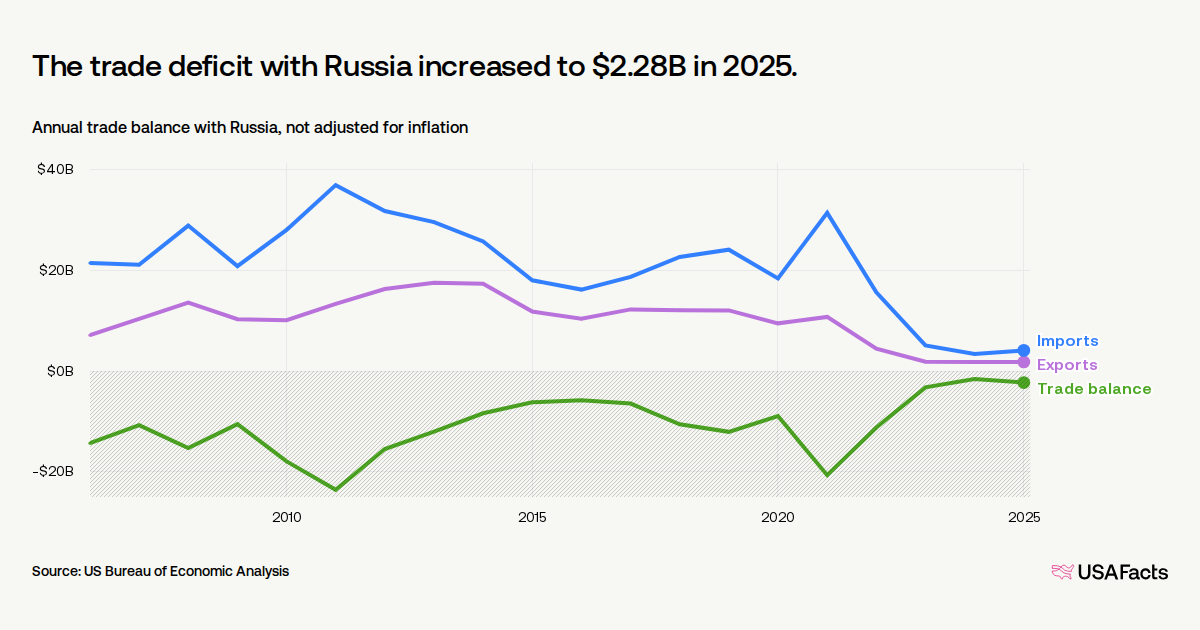
According to US Census Bureau data, trade between the two nations has dropped by over 90% since 2021. In a world of “just-in-time” supply chains, such a drastic reduction causes significant “friction costs” for businesses. Companies must now spend more on compliance, legal vetting, and finding alternative logistics routes. This has led to a “risk premium” being applied to any business activity that even tangentially touches the Russian market. For CFOs of multinational corporations, the financial cost of compliance often outweighs the potential profit from Russian trade, leading to a voluntary “self-sanctioning” behavior.
Financial Routing and Third-Party Intermediaries
As direct trade routes close, “gray market” trade has emerged. Significant evidence suggests that US goods are still reaching Russia via intermediaries in countries like Turkey, Armenia, the UAE, and Kazakhstan. From a financial standpoint, this adds layers of cost and reduces transparency. The US Treasury Department has responded by threatening “secondary sanctions” on foreign banks that facilitate these transactions. This cat-and-mouse game has made the financing of US-Russia trade a high-stakes gamble, where the “cost of capital” includes the potential for total exclusion from the US dollar-clearing system.
4. Investment and Corporate Divestment: The Hidden Side of Trade
Trade is not just about moving goods; it is about the movement of capital. The “Money” aspect of US-Russia relations includes the massive wave of divestment that followed the onset of the conflict.
The Mass Exit of US Multinationals
The list of US brands that have exited Russia is extensive, ranging from Goldman Sachs and McDonald’s to ExxonMobil and Apple. These exits were not merely symbolic; they involved the write-down of billions of dollars in assets. For example, some energy firms took multi-billion dollar “impairment charges” on their balance sheets as they abandoned joint ventures in Russian oil fields. This represents a permanent shift in the global investment landscape, where “geopolitical risk” is now weighted as heavily as “market risk.”
Long-term Financial Implications for Investors
For the individual investor, the decoupling of US and Russian trade has meant a fundamental shift in portfolio construction. Russian stocks and bonds, once staples of “Emerging Market” (EM) funds, are now largely un-investable or frozen. The exclusion of Russia from the SWIFT banking system and the freezing of its foreign exchange reserves have created a “financial Iron Curtain.” This has led to a broader discussion in the world of business finance about the “weaponization of the dollar” and whether this will lead to a long-term decline in the dollar’s dominance as countries seek alternative settlement currencies to hedge against future sanctions.
Conclusion: The Future of a Fractured Relationship
What does the US trade with Russia? Today, the answer is “as little as possible, and only what is essential.” The trade relationship has shifted from a pursuit of mutual economic gain to a strategic struggle of endurance. While the US still relies on Russian uranium for nuclear power and certain fertilizers for its crops, the broader trend is one of terminal decline.
For the world of money and finance, the lesson is clear: the era of “globalization without borders” is over. Businesses must now account for “geopolitics” as a primary line item in their budgets. As the US continues to lead the charge in isolating the Russian economy, the trade that remains is a skeleton of its former self—a few essential commodities moving through a gauntlet of sanctions, high-risk financial channels, and intense regulatory oversight. The decoupling of the world’s largest economy from its largest landmass is a financial transformation that will likely take decades to fully resolve.
aViewFromTheCave is a participant in the Amazon Services LLC Associates Program, an affiliate advertising program designed to provide a means for sites to earn advertising fees by advertising and linking to Amazon.com. Amazon, the Amazon logo, AmazonSupply, and the AmazonSupply logo are trademarks of Amazon.com, Inc. or its affiliates. As an Amazon Associate we earn affiliate commissions from qualifying purchases.