
For decades, the relationship between the United States and Colombia was defined primarily through the lens of security, counter-narcotics, and regional stability. However, in the 21st century, that narrative has shifted toward a sophisticated economic partnership. For the United States, Colombia is no longer just a geopolitical ally; it is a vital engine for trade, a primary source of essential commodities, and a burgeoning hub for high-value services.
As the U.S. looks to diversify its supply chains and move away from over-reliance on distant Eastern markets, Colombia has emerged as a cornerstone of the “nearshoring” movement. From the boardroom of Wall Street to the local grocery aisle, the financial impact of the U.S.-Colombia relationship is pervasive. By examining the flow of capital, the exchange of goods, and the integration of service sectors, we can see that the U.S. gains significant fiscal advantages and investment opportunities from its South American partner.
The Bilateral Trade Infrastructure: Beyond Traditional Commodities
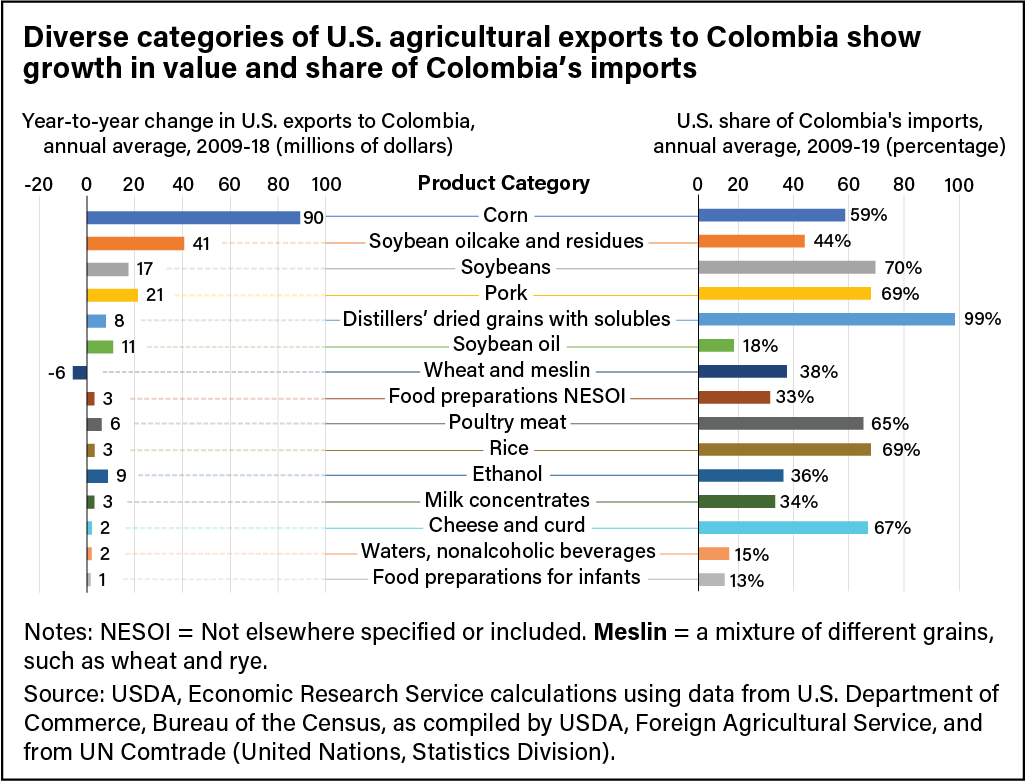
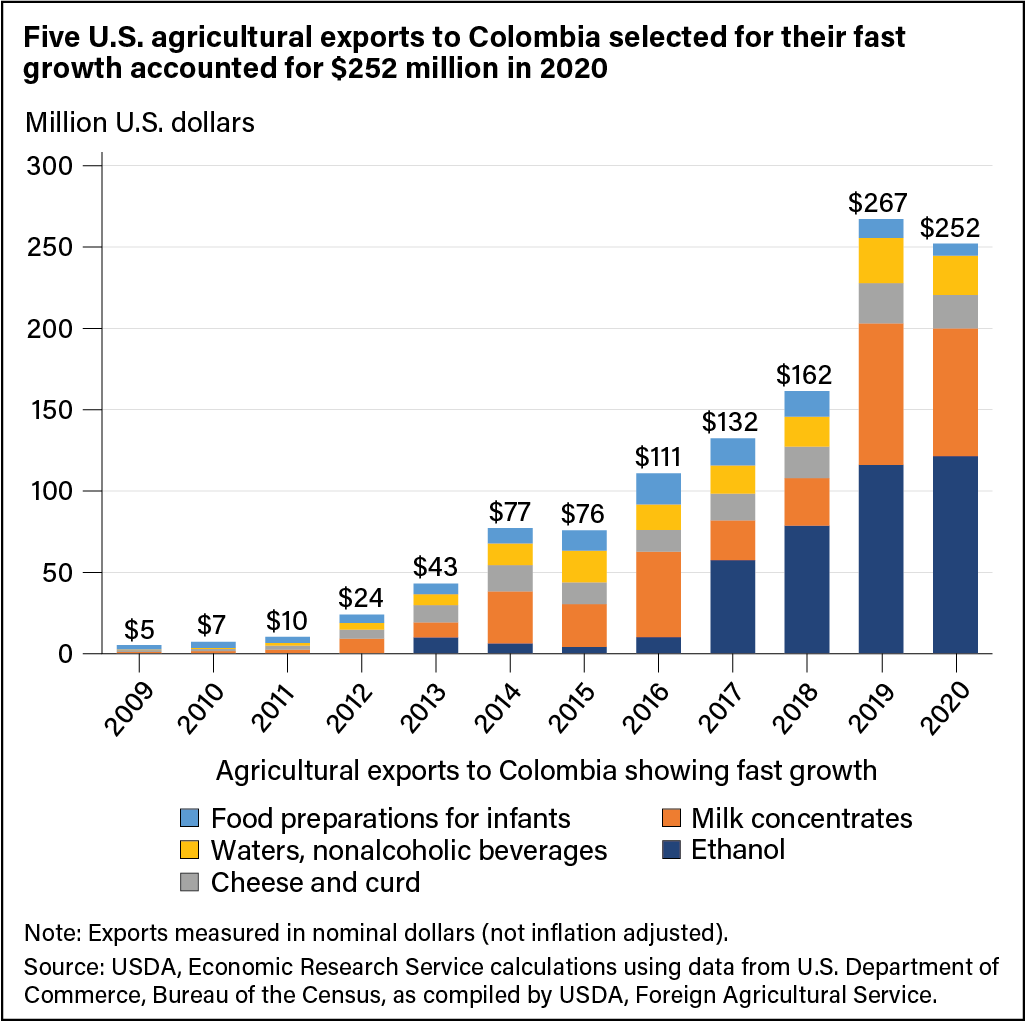
The cornerstone of the modern economic relationship is the U.S.-Colombia Trade Promotion Agreement (CTPA), which entered into force in May 2012. This agreement eliminated tariffs on a vast majority of U.S. exports and provided a stable, transparent legal framework for American businesses operating in the region. For the U.S. economy, this has meant an influx of high-quality products at competitive prices and a reliable destination for American-made industrial goods.
The Impact of the 2012 Free Trade Agreement (FTA)
The CTPA has been a catalyst for volume. Since its implementation, the United States has solidified its position as Colombia’s largest trading partner. For U.S. consumers and businesses, the FTA means cost savings. By removing trade barriers, American companies can import raw materials and consumer goods without the “hidden tax” of duties, which helps keep inflation in check for specific sectors like agriculture and manufacturing. Furthermore, the agreement includes robust protections for intellectual property and investor rights, ensuring that American capital is safe when deployed in Colombian markets.
Diversification into Non-Traditional Exports
While coffee and oil remain staples, the U.S. has increasingly benefited from Colombia’s “non-traditional” exports. Colombia is the second-largest provider of cut flowers to the U.S., a multi-billion dollar industry that supports thousands of retail jobs in the United States. Additionally, the U.S. has seen a surge in imports of Colombian Hass avocados, tahini, and textiles. This diversification allows U.S. retailers to provide year-round availability of seasonal goods, stabilizing price points for American consumers regardless of domestic growing seasons.
Energy Security and the Supply of Vital Raw Materials
In an era of global energy volatility, energy security is a top priority for the U.S. Department of the Treasury and the Department of Energy. Colombia serves as a reliable, non-OPEC source of energy that helps the U.S. maintain a balanced energy portfolio. The proximity of Colombia to the U.S. Gulf Coast significantly reduces transportation costs compared to sourcing from the Middle East or West Africa.
Colombia’s Role in the US Petroleum Mix
Colombia is consistently among the top ten suppliers of crude oil to the United States. For U.S. refineries, particularly those in Texas and Louisiana that are configured to process heavy and medium crudes, Colombian oil is an ideal feedstock. This reliable supply chain is crucial for the U.S. transportation sector and helps dampen the impact of price shocks originating in more volatile regions of the world. The financial benefit here is twofold: lower shipping costs and increased energy independence through regional cooperation.
Mining and the Green Energy Transition
As the U.S. pivots toward a greener economy, the demand for minerals like nickel and copper—essential for electric vehicle (EV) batteries and renewable energy infrastructure—is skyrocketing. Colombia possesses significant reserves of these critical minerals. By securing trade paths with Colombia, the U.S. gains a strategic advantage in the global race for “green” commodities. Furthermore, Colombia remains a primary source of thermal coal for the U.S. East Coast, providing a necessary bridge fuel as the domestic energy grid undergoes its long-term transition.
The Service Sector: A Hub for Business Process Outsourcing (BPO)
One of the most significant, yet often overlooked, gains for the U.S. economy is the rise of Colombia as a premier destination for Business Process Outsourcing (BPO) and Knowledge Process Outsourcing (KPO). American corporations, facing rising labor costs and talent shortages at home, are increasingly looking to Colombian cities like Bogotá, Medellín, and Cali to fulfill their operational needs.
Cost-Efficiency and the Nearshoring Advantage
The financial logic behind nearshoring to Colombia is compelling. Colombia offers a highly educated, bilingual workforce at a fraction of the cost of U.S.-based labor. Unlike offshoring to India or the Philippines, Colombia operates in the same or similar time zones as the U.S. (Eastern or Central Standard Time). This synchronization allows for real-time collaboration, reducing the “efficiency tax” associated with managing teams across 12-hour time differences. For U.S. companies, this results in significantly higher ROI on their operational expenditures.
Growth in High-Value Knowledge Services
The relationship has evolved beyond simple call centers. Today, the U.S. gets high-level software development, digital marketing, and financial analysis from Colombian firms. American tech giants and financial institutions have established “Centers of Excellence” in Colombia, leveraging the country’s growing pool of developers and data scientists. This exchange allows U.S. firms to remain globally competitive by scaling their technical capabilities quickly and cost-effectively, fueling innovation within the American tech ecosystem.
Foreign Direct Investment (FDI) and Corporate Returns
The U.S. is the largest foreign investor in Colombia, with billions of dollars flowing into the country annually. While this is often viewed as “money leaving the U.S.,” the reality is that these investments generate substantial returns for American shareholders, pension funds, and corporations.
American Capital in Colombian Infrastructure
U.S. private equity firms and institutional investors have taken significant stakes in Colombian infrastructure, including toll roads, ports, and renewable energy projects. These are long-term, yield-generating assets that provide stable returns for U.S. investors. As Colombia continues to modernize its national infrastructure, American engineering and construction firms often win the primary contracts, meaning that a significant portion of the investment capital eventually flows back to U.S. payrolls and corporate coffers.
The Growing Consumer Market for US Brands
Colombia’s expanding middle class represents a lucrative market for U.S. goods and services. The U.S. gets a massive “export market” for its financial products, technology, and consumer brands. From Apple and Amazon to Citibank and Starbucks, American companies have found a receptive and growing customer base in Colombia. The profits generated from these subsidiaries contribute to the bottom line of U.S. parent companies, supporting domestic dividends and stock buybacks that benefit the broader U.S. financial market.
Future Economic Outlook: Regional Stability and Emerging Markets
The financial relationship between the U.S. and Colombia is not just about what is being traded today, but about the strategic positioning of the U.S. economy for the future. In a world where “friend-shoring”—trading with reliable, democratic allies—is becoming a fiscal priority, Colombia stands as a vital partner.
Mitigating Supply Chain Volatility
The COVID-19 pandemic and subsequent geopolitical tensions highlighted the risks of over-extended supply chains. The U.S. gains a “geographic hedge” by integrating more closely with Colombia. By shortening the distance between production and consumption, U.S. businesses can reduce inventory carrying costs and respond more quickly to market shifts. This logistical agility is a major financial asset in an increasingly unpredictable global economy.
Strategic Fiscal Cooperation
Beyond direct trade, the U.S. and Colombia engage in deep fiscal and regulatory cooperation. This includes efforts to combat money laundering and strengthen financial transparency. A stable and transparent Colombian financial system prevents regional economic contagion and protects U.S. investments from the volatility often associated with emerging markets. By helping to maintain a “pro-business” environment in South America, the U.S. ensures that its backyard remains a zone of economic opportunity rather than a source of financial risk.
In summary, what the United States gets from Colombia is a multi-faceted economic engine. It is a relationship that provides cheap energy, affordable high-quality consumer goods, a talented and cost-effective workforce, and a high-yield destination for American capital. As the two nations continue to integrate their economies, the financial benefits are set to grow, making Colombia an indispensable partner in the United States’ long-term strategy for economic resilience and growth.
aViewFromTheCave is a participant in the Amazon Services LLC Associates Program, an affiliate advertising program designed to provide a means for sites to earn advertising fees by advertising and linking to Amazon.com. Amazon, the Amazon logo, AmazonSupply, and the AmazonSupply logo are trademarks of Amazon.com, Inc. or its affiliates. As an Amazon Associate we earn affiliate commissions from qualifying purchases.