
When we look at the sidewall of a modern vehicle tire, we are greeted by a cryptic string of alphanumeric characters—something like P225/65R17 102H. To the average driver, these markings are nothing more than a serial number required for a replacement. However, from a technology and engineering standpoint, these codes represent decades of material science innovation and manufacturing precision. Among these symbols, the letter “R” is perhaps the most significant indicator of the tire’s structural architecture.
In the niche of automotive technology, understanding the “R” is not merely about identifying a size; it is about understanding the fundamental shift in manufacturing standards that revolutionized vehicle safety, fuel efficiency, and performance. This article explores the technological depth of the “R” designation, the engineering evolution of radial construction, and how digital advancements are shaping the future of tire specifications.
The Technological Evolution: Why “R” Stands for Radial
The “R” in a tire size designation stands for Radial. While this might seem like a simple classification today, its introduction marked one of the most significant technological leaps in the history of the automotive industry. Before the radial tire became the global standard, vehicles relied on “Bias-ply” technology.
The Shift from Bias-Ply to Radial Construction
In the early to mid-20th century, tires were constructed using a bias-ply method. This involved layers of fabric (plies) running diagonally from one bead to the other, typically at 30- to 40-degree angles. While durable for off-road applications, bias-ply tires had a significant technological flaw: the sidewall and the tread were structurally interdependent. When the sidewall flexed, the tread distorted, leading to excessive heat buildup and a smaller contact patch with the road.
The technological shift began in 1946 when Michelin patented the first radial tire. In a radial design—indicated by the “R”—the cord plies are arranged at 90 degrees to the direction of travel. This “radial” layout decouples the function of the sidewall from the function of the tread. From an engineering perspective, this allows the sidewall to flex independently of the tread, ensuring the tire maintains a consistent “footprint” on the road surface.
How Radial Technology Works
The secret to the “R” designation lies in the internal architecture. Radial tires utilize a series of rubber-coated steel belts and textile cords that run perpendicular to the bead. This allows the tire to act as a more efficient spring. When a vehicle hits a bump, the radial sidewall absorbs the impact without transferring that energy directly into the tread, which remains flat and gripped to the pavement.
Technologically, this separation of duties provides several advantages:
- Reduced Rolling Resistance: Because the tread doesn’t squirm or deform as much as a bias-ply tire, less energy is lost to friction.
- Lower Operating Temperatures: Heat is the primary enemy of tire longevity. Radial construction allows for better heat dissipation, extending the life of the rubber compounds.
- Enhanced Steering Precision: The rigidity of the steel belts under the tread provides a more stable platform for cornering and high-speed maneuvers.
Material Science and Structural Integrity
The “R” does not exist in a vacuum. It is supported by an intricate network of materials that have evolved through advanced chemical engineering and metallurgical research. Modern tire technology utilizes composite materials that were unavailable during the early days of the radial revolution.
The Role of Steel Belts and Textile Plies
Underneath the “R” classification, the tire’s skeleton is a marvel of material science. High-tensile steel belts are layered beneath the tread to provide puncture resistance and structural stability. These belts are often reinforced with spirally wound nylon or aramid fibers (such as Kevlar).
The use of these materials allows engineers to tune the tire’s performance for specific “Tech Profiles.” For instance, a high-performance tire might use stiffer radial plies to enhance feedback through the steering rack, while a touring tire might use softer cord materials to prioritize cabin quietness and vibration dampening. The “R” tells the consumer that they are benefiting from this layered, high-tech composite approach rather than a simple cross-hatched fabric design.
Heat Dissipation and Speed Ratings
One of the most critical technological hurdles in tire design is managing the thermodynamic energy generated at high speeds. As a tire rotates, it undergoes constant deformation and recovery. In a radial tire, the internal friction is significantly lower than in older designs.
Engineers use computer-aided design (CAD) to simulate how the radial plies will react at speeds exceeding 150 mph. This data determines the speed rating that follows the tire size (such as the ‘H’ in 102H). Without the radial architecture indicated by the “R,” achieving modern highway speeds would be significantly more dangerous due to the risk of “tread squirm” and catastrophic centrifugal failure.
Technical Tutorial: How to Read the Full Alphanumeric String
Understanding the “R” is part of a broader literacy in automotive tech. To fully grasp what is being installed on a vehicle, one must be able to decode the entire string. This serves as a vital tutorial for any tech-conscious consumer looking to optimize their vehicle’s performance profile.
Width and Aspect Ratio
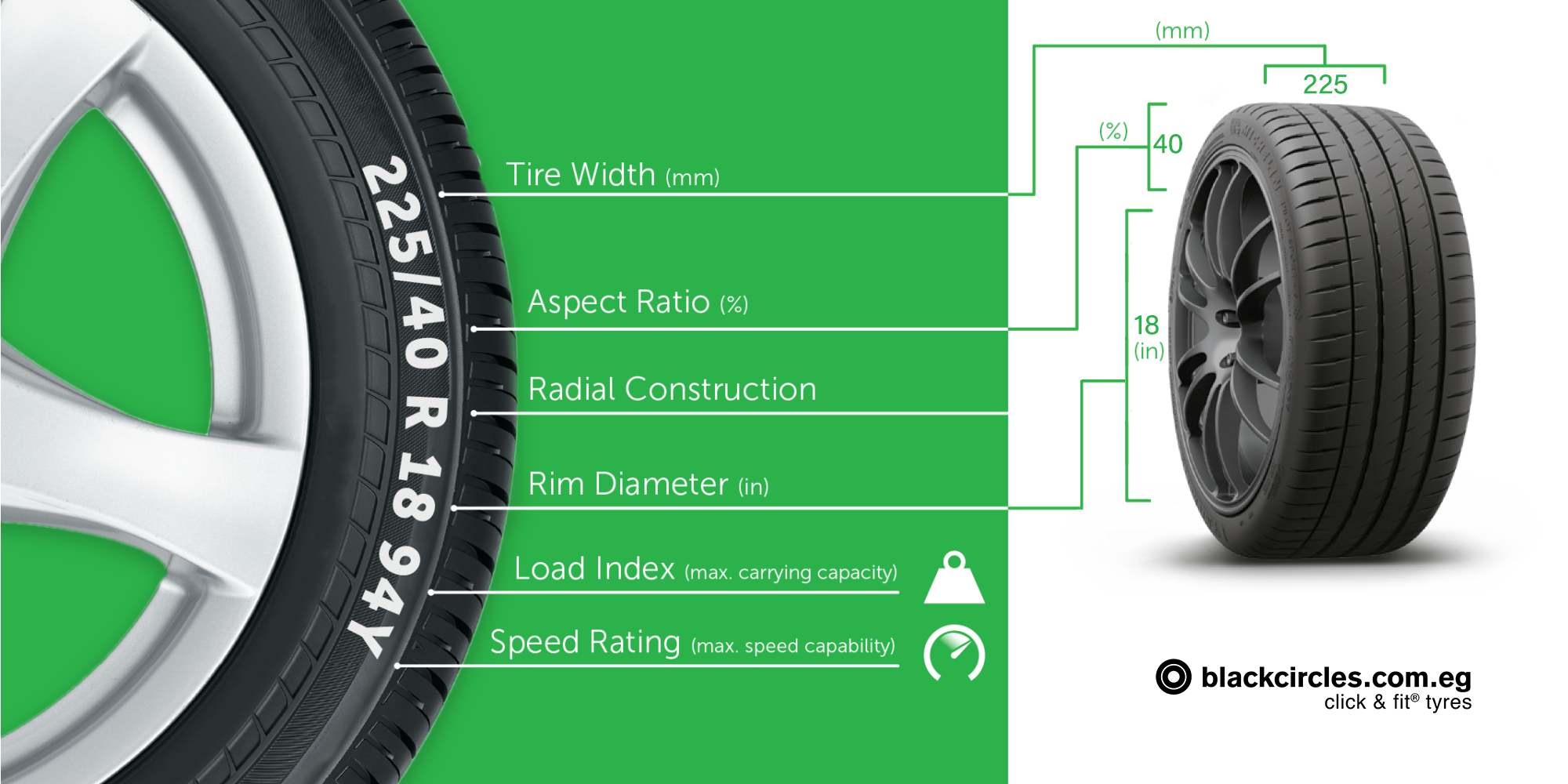
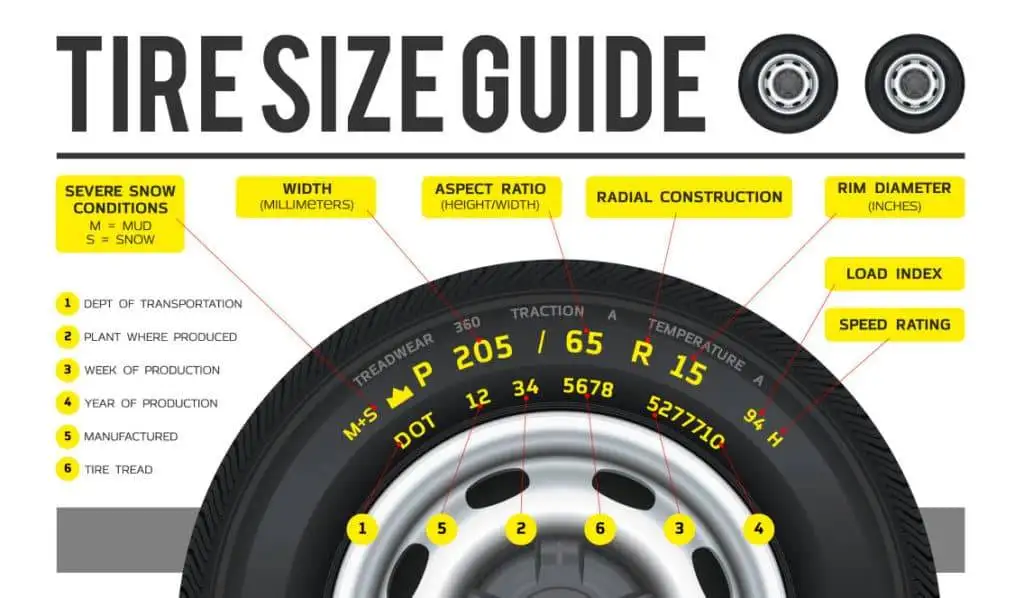
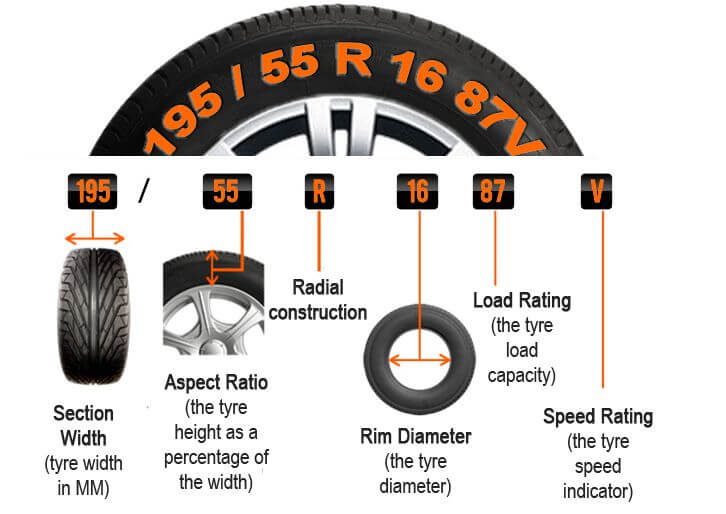
The numbers preceding the “R” are measurements of the tire’s physical geometry. For example, in 225/65R17:
- 225: This is the section width in millimeters. It represents the distance from the inner sidewall to the outer sidewall. In the world of performance tech, a wider tire generally provides more grip but may increase fuel consumption due to higher drag.
- 65: This is the aspect ratio, a percentage representing the height of the sidewall relative to the width. A lower aspect ratio (e.g., 35 or 40) is typical of high-performance “low profile” tires, providing sharper handling at the expense of ride comfort.
Load Index and Speed Symbols
Following the “R” and the rim diameter (e.g., 17 inches) are the service descriptions.
- Load Index (e.g., 102): This is a numerical code that corresponds to the maximum weight the tire can support. This is calculated through rigorous stress-testing software during the manufacturing phase.
- Speed Symbol (e.g., H, V, Z): This indicates the maximum speed the tire can safely maintain. These ratings are the result of laboratory “torture tests” where tires are run against high-speed drums until failure to determine their technological limits.
Integrating Smart Tech: The Future of Tire Specifications
As we move deeper into the era of the Internet of Things (IoT) and autonomous driving, the “R” is being joined by digital components. The tire is no longer just a mechanical component; it is becoming a data-gathering sensor.
Digital Sensors and TPMS Integration
Modern radial tires are increasingly designed to work in tandem with Tire Pressure Monitoring Systems (TPMS). Advanced sensors are now being embedded directly into the inner liner of the tire during the manufacturing process. These “Smart Tires” can communicate via Bluetooth or RFID to the vehicle’s central computer, providing real-time data on tread wear, internal temperature, and pressure fluctuations.
From a technology trend perspective, this integration is crucial for the development of Level 4 and Level 5 autonomous vehicles. If a computer is driving the car, it needs to know the exact state of its “contact patches” to calculate braking distances and cornering forces accurately. The “R” construction provides the stable platform necessary for these sensors to function without interference from excessive vibration.
The Move Toward “Airless” and Sustainable Tech
Looking forward, the industry is experimenting with “Non-Pneumatic Tires” (NPT). Companies like Michelin and Goodyear are developing “Airless” radial structures that use a series of flexible spokes rather than compressed air.
While these may eventually move away from the traditional “R” (as they don’t have plies in the traditional sense), they are the direct technological descendants of radial engineering. Furthermore, the technology behind the “R” is becoming more sustainable. Engineers are replacing petroleum-based oils with soybean oil and using silica derived from rice husk ash to improve the grip and “green” footprint of the radial tire. This intersection of environmental tech and mechanical engineering ensures that the radial legacy continues to evolve.
Conclusion: The “R” as a Standard of Excellence
The “R” in tire size is much more than a label; it is a testament to a technological revolution that transformed the automotive world. By shifting from the rigid, heat-prone bias-ply designs to the flexible, efficient, and stable radial architecture, engineers unlocked the potential for the high-speed, fuel-efficient vehicles we drive today.
Whether you are a tech enthusiast interested in the material science of high-performance composites or a consumer looking to understand the specifications of your latest “gadget” (your car), recognizing the significance of Radial technology is essential. As we transition toward smart, sensor-laden, and even airless tires, the foundational principles of the radial design—separation of sidewall flex and tread stability—remain the gold standard of automotive engineering. The next time you glance at your tire’s sidewall, you’ll see the “R” not as a letter, but as a symbol of the sophisticated technology that keeps you connected to the road.
aViewFromTheCave is a participant in the Amazon Services LLC Associates Program, an affiliate advertising program designed to provide a means for sites to earn advertising fees by advertising and linking to Amazon.com. Amazon, the Amazon logo, AmazonSupply, and the AmazonSupply logo are trademarks of Amazon.com, Inc. or its affiliates. As an Amazon Associate we earn affiliate commissions from qualifying purchases.