
In the traditional sense, the word “reverently” evokes images of hushed cathedrals, ancient rituals, or the profound respect one holds for a monumental figure. It describes an action performed with deep solemnity, awe, and honor. However, in the modern landscape of market saturation and the relentless noise of the digital age, the concept of “reverence” has migrated from the pews of temples to the boardrooms of the world’s most successful companies.
In brand strategy, understanding what it means to be treated—and to act—reverently is the difference between a company that sells a product and a brand that commands a movement. It is the pinnacle of consumer-brand relationships. When a customer approaches a brand reverently, they are no longer just making a transaction; they are participating in a shared identity. To build a brand that earns such a status requires a sophisticated blend of heritage, consistency, and emotional intelligence.

The Pillars of a Revered Brand Identity
To understand what “reverently” means in a business context, we must first examine the architecture of a brand that inspires such a feeling. It is not something that can be manufactured overnight through a clever ad campaign; it is earned through the meticulous construction of an identity that feels larger than the product itself.
Heritage and Storytelling as “Holy Text”
Every brand that is viewed reverently has a “genesis story.” Think of the way Nike storytellers speak about Bill Bowerman’s waffle iron or the way the tech world discusses the garage where Apple was born. These are not merely historical facts; they are foundational myths that give the brand a sense of purpose and origin.
In brand strategy, treating your history reverently means protecting your narrative. When a brand respects its own roots, the consumer follows suit. This involves a deep commitment to storytelling where the values of the founders are woven into every touchpoint of the brand’s current corporate identity.
Consistency: The Ritual of Quality
Reverence is built on trust, and trust is built on the “ritual” of consistency. Just as a practitioner of a craft approaches their tools reverently, a master brand approaches its quality control with a sacred devotion. If a luxury brand like Hermès were to compromise on the quality of its stitching, the “reverence” would evaporate instantly.
Consistency acts as a promise. When a brand delivers the same high-level experience across decades, it creates a sense of timelessness. This reliability becomes a ritual for the consumer—the way they unbox the product, the way the store smells, and the specific weight of the packaging. These are the liturgical elements of brand strategy that build a sense of awe.
Cultivating Reverence Through Emotional Connection
Moving beyond the visual and functional aspects of a brand, the “reverent” status is achieved when a brand taps into the deep-seated emotional needs of its audience. This is where personal branding and corporate identity intersect with human psychology.
The Role of Values-Driven Marketing
In the contemporary market, consumers—particularly Gen Z and Millennials—increasingly view their purchases as an extension of their moral compass. For a brand to be held in high regard, it must stand for something beyond profit. When a brand acts reverently toward its mission—whether that is environmental sustainability, social justice, or artistic excellence—it invites the consumer to join a cause.
This isn’t just about “purpose-washing”; it’s about an authentic alignment of values. When Patagonia tells its customers “Don’t Buy This Jacket” to promote sustainability, it is acting with a reverence for the planet that transcends the desire for a quick sale. That integrity earns a level of respect from the consumer that competitors cannot buy.
Creating the “Inner Circle” and Exclusive Communities
Reverence often thrives in environments where there is a sense of belonging. Brand strategy often utilizes the “inner circle” effect to foster deep loyalty. By creating exclusive communities, members-only content, or limited-release products, a brand creates a “sacred space” for its most devoted followers.
In these spaces, the brand isn’t just a logo; it’s a badge of honor. The community members treat the brand reverently because the brand has afforded them a unique status. This social currency is a powerful tool in personal branding and corporate marketing alike, turning customers into disciples who advocate for the brand with a level of passion that transcends standard marketing.
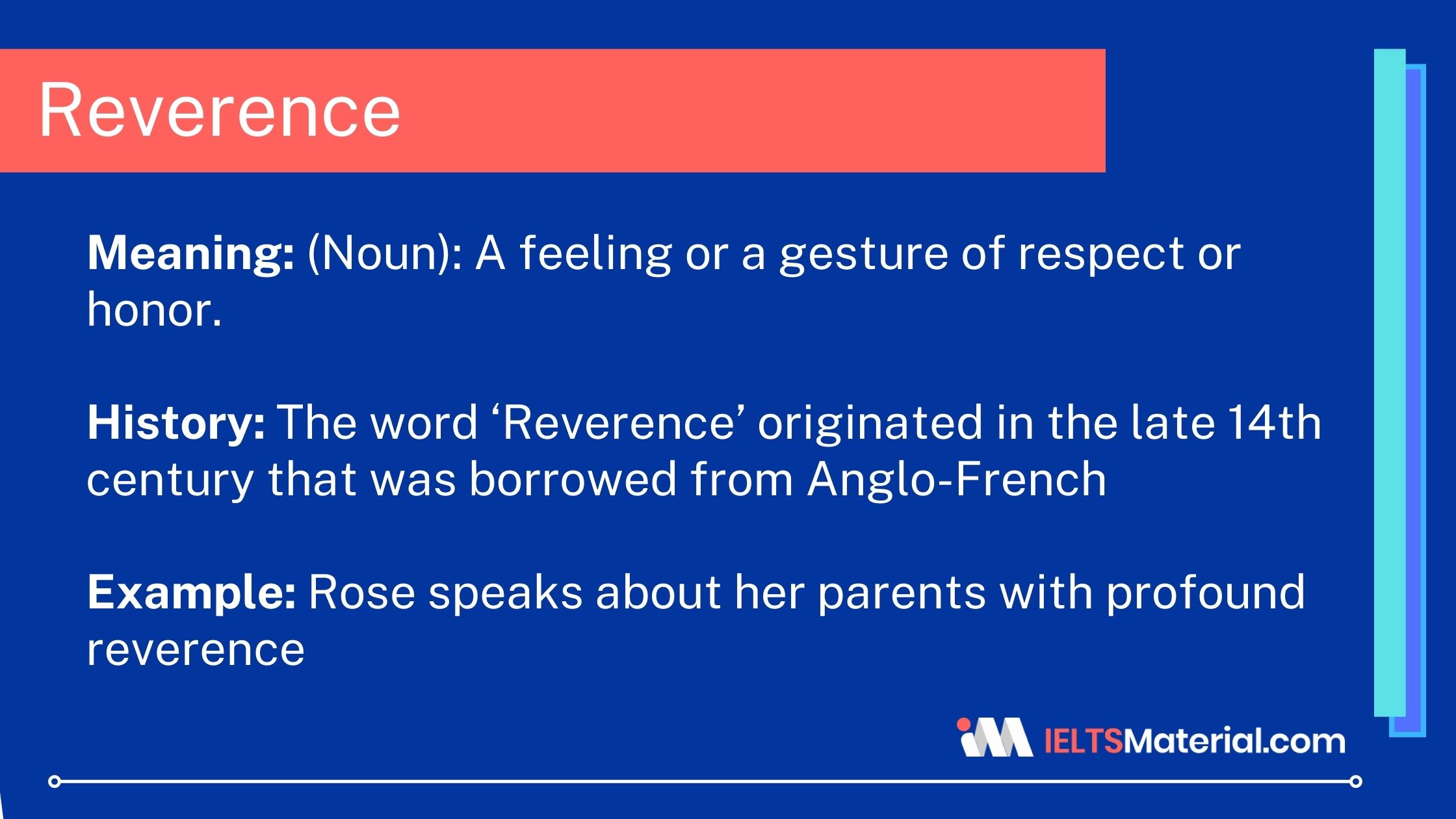
Case Studies: Brands That Commanded Reverence
To truly grasp what it means to apply “reverently” to brand strategy, we can look at global icons that have successfully navigated the transition from commodity to “cult-like” status. These brands serve as blueprints for how to maintain a sacred connection with a global audience.
Apple: The Cathedral of Design
Apple is perhaps the most cited example of a brand that is treated reverently. From the minimalist architecture of their retail stores (often referred to as “temples”) to the deliberate, slow-reveal packaging of the iPhone, every element is designed to inspire awe.
Apple’s strategy has always been to treat the intersection of technology and liberal arts with a sense of wonder. They do not just release a phone; they unveil a piece of the future. Their followers don’t just use the products; they believe in the ecosystem. This reverence allows Apple to maintain premium pricing and high retention rates, as the “sacred” bond with the user makes switching to a competitor feel like an act of betrayal.
Rolex: The Guardian of Time
In the world of horology, Rolex is treated with a level of reverence that few other brands can match. This is achieved through a strategy of extreme scarcity and a refusal to follow fleeting trends. Rolex treats its own legacy with such reverence that it makes only incremental changes to its designs over decades.
By positioning themselves as the ultimate reward for achievement, Rolex has made their product a symbol of a life well-lived. The brand strategy here is one of “stewardship.” They are not just selling watches; they are the stewards of a standard of excellence. When a consumer buys a Rolex, they approach the purchase reverently because they are entering a legacy that spans generations.
The Risks and Rewards of Sacred Branding
While achieving a state where your brand is viewed reverently is the ultimate goal for many strategists, it comes with significant responsibilities. The higher the pedestal, the more damaging the fall.
Protecting Brand Equity at All Costs
Brand equity is the commercial value that derives from consumer perception of the brand name of a particular product, rather than from the product itself. For a revered brand, this equity is their most precious asset. To treat one’s brand “reverently” means to be extremely protective.
This often involves saying “no” to opportunities that might provide short-term profit but dilute the brand’s prestige. It means being selective about partnerships, celebrity endorsements, and discount strategies. A revered brand knows that its value lies in its perceived “otherness”—the idea that it is not like everyone else.
The Danger of the Fallen Idol
When a brand that is held in high regard fails to live up to its own “sacred” values, the backlash is often far more severe than it would be for a generic brand. If a brand built on the reverence of ethical sourcing is found to be using exploitative labor, the sense of betrayal among the consumer base is profound.
Reverence creates an emotional contract. If the brand breaks that contract, it loses the “holy” status it worked years to build. Therefore, a “reverent” brand strategy requires an unwavering commitment to corporate integrity. You cannot ask for the consumer’s reverence if you do not treat your own promises with the same level of respect.

Conclusion: The Path to Reverent Branding
In conclusion, when we ask “what does reverently mean” in the world of branding and marketing, we are talking about the highest form of brand equity. It is a state where the brand is no longer judged solely on its features or price, but on its soul.
Building a brand that is treated reverently requires:
- A Sacred Narrative: A story that gives the brand a “why” beyond the “what.”
- Ritualistic Consistency: A commitment to quality and experience that never wavers.
- Moral Integrity: A set of values that the brand adheres to, even when it is difficult or unprofitable.
- Community Stewardship: A focus on the “believers” of the brand, creating spaces where they feel seen and valued.
For the modern brand strategist, the goal is to move the needle from “liked” to “respected,” and finally, to “revered.” In a world of disposable goods and flickering attention spans, the brands that we treat reverently are the ones that will endure, becoming the landmarks of our cultural and commercial landscape. By treating the brand itself with reverence, leaders can inspire that same deep, abiding respect in the hearts of their customers.
aViewFromTheCave is a participant in the Amazon Services LLC Associates Program, an affiliate advertising program designed to provide a means for sites to earn advertising fees by advertising and linking to Amazon.com. Amazon, the Amazon logo, AmazonSupply, and the AmazonSupply logo are trademarks of Amazon.com, Inc. or its affiliates. As an Amazon Associate we earn affiliate commissions from qualifying purchases.