
The allure of entrepreneurship has never been stronger, particularly with the advent of the digital age making it possible to launch and grow a business from virtually anywhere. “How to start a business online” isn’t merely a question of setting up a website; it’s a comprehensive journey that, at its core, revolves around financial viability, sustainable income generation, and astute financial management. In a landscape brimming with opportunities, understanding the monetary underpinnings is paramount to transforming a digital dream into a profitable reality. This guide delves into the essential financial considerations and strategies for anyone embarking on the exciting path of online entrepreneurship.
Laying the Financial Foundation: Planning for Profitability
Before a single product is sold or a service rendered, the financial framework of your online business must be meticulously constructed. This initial planning phase dictates your trajectory, helping to avoid common pitfalls and pave the way for sustainable profitability.
Identifying a Viable Niche and Business Model
The first step in any successful online venture is identifying a market need that you can fulfill profitably. This isn’t just about passion; it’s about discerning where demand intersects with a willingness to pay. Researching your target audience’s pain points, existing solutions, and their spending habits is crucial. A financially viable niche possesses sufficient customer volume, has a clear problem to solve, and the potential for adequate profit margins.
Consider different online business models and their inherent financial implications:
- E-commerce: Selling physical products requires inventory management, shipping costs, and payment processing fees. Profit margins depend heavily on product sourcing and pricing strategy.
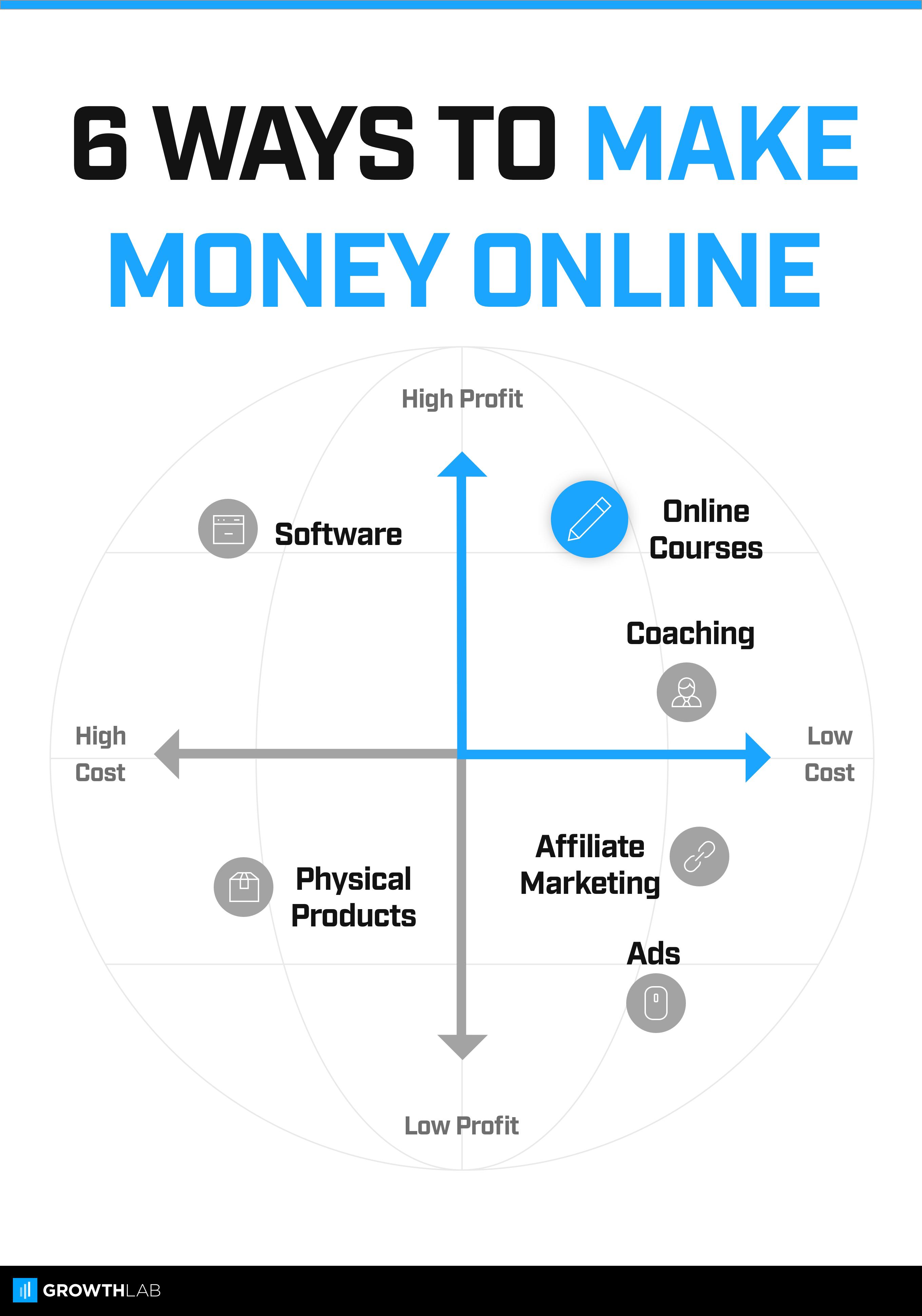
- Digital Products: E-books, online courses, software-as-a-service (SaaS) typically have higher profit margins due to lower ongoing costs after initial development, but require significant upfront investment in creation and marketing.
- Service-Based Businesses: Consulting, coaching, freelance writing, or web design involve trading time for money. Profitability is tied to hourly rates or project fees and the efficiency of service delivery.
- Affiliate Marketing/Advertising: Revenue is generated through commissions or ad clicks, often requiring significant audience building and traffic generation before substantial income is realized.
Choosing a model that aligns with your resources, expertise, and financial goals is critical. Every model comes with its own set of revenue streams, cost structures, and profitability potential, which must be understood from the outset.
Crafting a Realistic Business Plan and Budget
A business plan serves as your financial roadmap. It details your business goals, strategies, and the financial projections to achieve them. For an online business, this includes:
- Startup Costs: These are the initial expenses required to get your business off the ground. Common online startup costs include website development/platform subscriptions (e.g., Shopify, Squarespace), domain registration, professional tools (e.g., email marketing software, graphic design tools), initial inventory (for e-commerce), legal fees for business registration, and initial marketing campaigns. Be conservative in your estimates and always budget for unexpected expenses.
- Operational Expenses: These are the recurring costs of running your business. Monthly or annual subscriptions for software, hosting fees, ongoing marketing and advertising budgets, virtual assistant salaries, customer service tools, and transaction fees all contribute to your overhead. Detailed budgeting helps you understand your break-even point and forecast future cash flow.
- Financial Projections: Develop realistic projections for revenue, expenses, and profit for the first 1-3 years. This requires careful market research and a conservative outlook. Don’t fall into the trap of overly optimistic forecasts; robust planning accounts for various scenarios, including slower-than-expected growth. Your projections should clearly demonstrate how your chosen business model will translate into income and profitability.
Understanding Legal Structures and Tax Implications
The legal structure you choose for your online business has significant financial and tax implications. Common options include:
- Sole Proprietorship: Simple to set up, but offers no personal liability protection, meaning your personal assets could be at risk. Taxes are typically filed on your personal income tax return.
- Limited Liability Company (LLC): Provides personal liability protection, separating your business and personal assets. Offers flexibility in tax treatment (can be taxed as a sole proprietorship, partnership, or corporation). This is often a popular choice for new online businesses due to its balance of protection and simplicity.
- Corporation (S-Corp, C-Corp): Offers the strongest liability protection but comes with more complex administrative requirements and potentially different tax structures.
Consulting with an accountant or legal professional is highly recommended to understand the tax obligations (income tax, sales tax, self-employment tax), potential deductions, and financial reporting requirements specific to your chosen structure and jurisdiction. Early compliance prevents costly financial penalties down the line.
Funding Your Online Venture: Strategic Capital Acquisition
Every business needs capital to start and grow. For online ventures, the beauty lies in potentially lower startup costs compared to brick-and-mortar establishments, but securing the necessary funds remains a critical step.
Bootstrapping and Self-Funding
Many online businesses begin by bootstrapping, which involves self-funding the venture using personal savings, credit cards (with caution), or revenue generated from initial sales. This approach minimizes external debt and gives the entrepreneur full control.
- Advantages: Complete ownership, no dilution of equity, strong incentive for financial discipline.
- Strategies: Start small, validate your idea with minimal investment, reinvest early profits, and cut unnecessary costs. For example, instead of hiring a full-time designer, use affordable online tools or freelancers for specific projects. Focus on generating revenue quickly to become self-sufficient.
Bootstrapping requires a strong financial buffer in your personal life and a disciplined approach to managing business expenses. It’s often the most financially prudent way to test market viability without incurring significant debt.
Exploring Small Business Loans and Grants
If bootstrapping isn’t sufficient, or if your online business requires more substantial initial capital (e.g., for extensive inventory, significant software development), small business loans or grants might be an option.
- Small Business Loans: Traditional bank loans, SBA (Small Business Administration) loans, and online lenders offer various financing options. Eligibility typically depends on your business plan’s strength, personal credit score, collateral, and projected cash flow. You’ll need solid financial projections and a clear repayment strategy.
- Grants: Government agencies and non-profit organizations offer grants, often targeted at specific industries, demographics, or types of innovation. Grants are essentially free money that doesn’t need to be repaid, but they are highly competitive and often come with strict application requirements and reporting obligations.
Researching eligibility criteria, interest rates, repayment terms, and the application process for these options is vital. Understand the financial commitment and how it will impact your business’s cash flow.
Leveraging Crowdfunding and Angel Investors
For online businesses with significant growth potential or innovative products, external investors can provide substantial capital.
- Crowdfunding: Platforms like Kickstarter or Indiegogo allow you to raise small amounts of money from a large number of people, often in exchange for early access to a product, exclusive perks, or equity. This not only provides capital but also serves as a powerful market validation and pre-launch marketing tool. Financial success in crowdfunding hinges on a compelling product, a strong marketing campaign, and clear financial goals for the raised funds.
- Angel Investors/Venture Capital: These investors typically provide larger sums of capital in exchange for equity (ownership stake) in your company. They look for businesses with high growth potential, a scalable model, and a strong management team. Securing angel investment requires a well-researched business plan, detailed financial projections (including valuation and exit strategy), and a compelling pitch deck that clearly demonstrates the return on their investment. This path means giving up a portion of your ownership, which has long-term financial implications.
Each funding method has unique financial pros and cons. A thorough understanding of these will help you choose the best fit for your online business’s stage and financial needs.
Monetization Strategies: Generating Online Income
The heart of any online business is its ability to generate revenue. Diversifying and optimizing your monetization strategies is key to financial stability and growth.
Product-Based Revenue Models
Selling physical or digital products is a direct path to online income.
- E-commerce (Physical Products): This involves selling tangible goods through an online store. Key financial considerations include product sourcing costs (manufacturing, wholesale), inventory management expenses, shipping costs, payment gateway fees, and returns processing. Profitability relies on efficient supply chains, competitive pricing, and effective marketing to drive sales volume.
- Digital Products: E-books, online courses, software subscriptions, templates, and stock photos offer high-margin opportunities. Once created, the cost of replication and distribution is minimal. Initial investment lies in product development and marketing. The focus is on creating value, building authority, and leveraging evergreen content for recurring sales.
- Subscription Boxes: Curated physical or digital products delivered regularly. This model offers predictable recurring revenue but requires ongoing product sourcing, fulfillment, and customer retention strategies to maintain financial health.
Service-Based Revenue Models
For those selling expertise or skills, service-based models are often a quicker path to cash flow.
- Consulting/Coaching: Charging hourly or project-based fees for specialized advice or guidance. Profitability is directly tied to your expertise, reputation, and ability to attract high-paying clients. Scaling often involves raising rates, offering premium packages, or creating group programs.
- Freelancing (Writing, Design, Development): Offering specific skills on a project-by-project basis. Income varies based on workload and client acquisition. Financial stability is enhanced by building a strong portfolio, consistent client outreach, and diversifying your client base.
- Online Courses/Workshops: Packaging your knowledge into structured learning experiences. This can be a hybrid model, combining initial service delivery (live workshops) with digital product sales (pre-recorded courses). Financial success depends on the value of the content, marketing reach, and pricing strategy.
Advertising and Affiliate Marketing
These models often complement product or service-based businesses, adding additional revenue streams.
- Advertising: Displaying ads on your website or content platforms (e.g., YouTube) to earn revenue based on impressions or clicks. This requires significant traffic and engagement to generate substantial income. The financial model is often volume-driven.
- Affiliate Marketing: Earning commissions by promoting other companies’ products or services. You typically earn a percentage of sales made through your unique affiliate link. This model is performance-based and requires building trust with your audience and strategically integrating product recommendations into your content. Initial investment is low, but consistent content creation and audience building are necessary for financial success.
Each monetization strategy comes with distinct financial characteristics. Understanding these allows you to build a robust revenue portfolio that leverages your unique value proposition.
Financial Management for Sustainable Growth
Starting an online business is only half the battle; effectively managing its finances is crucial for long-term survival and growth. Without diligent financial oversight, even the most promising ventures can falter.
Setting Pricing Strategies and Managing Cash Flow
Pricing is a critical financial lever. It directly impacts your revenue, profit margins, and perceived value.
- Cost-Plus Pricing: Adding a markup percentage to the cost of producing your product or service. Simple, but might not reflect market value.
- Value-Based Pricing: Pricing based on the perceived value your product or service delivers to the customer. Often allows for higher profit margins.
- Competitive Pricing: Setting prices based on what competitors charge. Requires constant market monitoring.
Beyond pricing, diligent cash flow management is paramount. Cash flow is the movement of money in and out of your business.
- Forecasting: Projecting future cash inflows and outflows to anticipate potential shortfalls or surpluses.
- Managing Receivables: Ensuring timely collection of payments from customers.
- Managing Payables: Strategically timing your payments to suppliers or vendors without damaging relationships.
- Break-Even Analysis: Calculating the point at which your revenue equals your total costs, providing a clear financial goal for sales volume.
Effective cash flow management prevents liquidity crises and ensures you have the funds to cover operational expenses and invest in growth.
Tracking Key Financial Metrics and Performance Indicators
“What gets measured, gets managed.” Regularly monitoring financial KPIs provides insights into your business’s health and performance.
- Revenue Growth: Percentage increase in total sales over a period.
- Profit Margin: The percentage of revenue that remains after all expenses have been deducted (gross, operating, net).
- Customer Acquisition Cost (CAC): The average cost to acquire one new customer.
- Customer Lifetime Value (CLTV): The total revenue a business can expect from a single customer account over the projected lifetime of the relationship.
- Return on Investment (ROI): The profitability of an investment in marketing campaigns, product development, etc.
- Burn Rate: The rate at which an unproven company is losing money.
Utilize accounting software (e.g., QuickBooks Online, Xero) to automate financial tracking and generate reports. These metrics help identify areas for improvement, optimize spending, and make data-driven financial decisions.
Reinvesting Profits for Scalability and Expansion
Once your online business becomes profitable, a key financial decision is how to allocate those profits. Smart reinvestment is essential for sustainable growth.
- Marketing and Advertising: Allocate funds to scale customer acquisition and reach new audiences.
- Product Development: Invest in improving existing products or creating new ones to expand your offerings.
- Technology and Infrastructure: Upgrade website platforms, invest in more powerful tools, or improve digital security.
- Team Expansion: Hire virtual assistants, specialists, or employees to offload tasks and increase capacity.
- Education and Training: Invest in your own and your team’s skills to stay competitive.
The goal is to use profits strategically to enhance your business’s capabilities, reach, and ultimately, its financial returns.
Mitigating Financial Risks and Building Resilience
The online business world, like any entrepreneurial endeavor, comes with inherent risks. Proactive financial planning can cushion against setbacks and build a more resilient business.
Creating an Emergency Fund and Contingency Plans
Even profitable online businesses can face unexpected challenges—a sudden drop in traffic, a change in algorithm, increased competition, or technical issues.
- Emergency Fund: Aim to save 3-6 months’ worth of operational expenses in a separate business savings account. This financial buffer provides peace of mind and the ability to weather downturns without resorting to debt or compromising core operations.
- Contingency Plans: Develop financial contingency plans for various scenarios. What if a key supplier raises prices significantly? What if your primary advertising channel becomes too expensive? Having alternative strategies for sourcing, marketing, or revenue generation can minimize financial disruption.
Diversifying Income Streams
Reliance on a single revenue source is a significant financial risk. If that source falters, your entire business is jeopardized.
- Multiple Products/Services: Offer a range of products or services that cater to different customer segments or needs.
- Different Monetization Models: Combine product sales with service offerings, affiliate marketing, or advertising. For example, an online coach might offer one-on-one sessions (service), sell an online course (digital product), and promote affiliate tools (affiliate marketing).
- Diverse Marketing Channels: Don’t rely solely on one traffic source. If your organic search rankings drop, ensure you have paying customers from social media, email marketing, or paid ads.
Diversification creates a more stable financial footing by spreading risk and opening up multiple avenues for income generation.
Understanding and Managing Debt
While debt can be a powerful tool for growth, it must be managed judiciously.
- Strategic Debt: Taking out a loan for a specific purpose with a clear ROI (e.g., investing in a new product line with high-profit potential, a proven advertising campaign).
- Avoid Bad Debt: Debt taken on to cover operational shortfalls or for non-revenue-generating expenses.
- Monitor Debt-to-Equity Ratio: Keep an eye on how much of your business is financed by debt versus equity.
- Repayment Plan: Always have a clear, realistic plan for how borrowed money will be repaid, factoring in interest rates and payment schedules.
Debt can accelerate growth, but uncontrolled debt can quickly lead to financial distress. Prudent management ensures that debt serves as a lever, not a liability.
The journey of starting and growing an online business is multifaceted, but its financial dimension is arguably the most critical. From the initial planning and funding to the ongoing management of income and expenses, every decision has monetary implications. By meticulously laying your financial foundation, exploring strategic capital acquisition, diversifying monetization, diligently managing cash flow, and proactively mitigating risks, you can build a robust, profitable, and enduring online enterprise. The digital world offers unprecedented opportunities for financial independence; seize them with sound financial wisdom.
aViewFromTheCave is a participant in the Amazon Services LLC Associates Program, an affiliate advertising program designed to provide a means for sites to earn advertising fees by advertising and linking to Amazon.com. Amazon, the Amazon logo, AmazonSupply, and the AmazonSupply logo are trademarks of Amazon.com, Inc. or its affiliates. As an Amazon Associate we earn affiliate commissions from qualifying purchases.