
In an era defined by hyper-connectivity, where the “Internet of Things” (IoT) has permeated every corner of our domestic and professional lives, the concept of “primitive camping” has undergone a fascinating transformation. To the uninitiated, primitive camping might sound like a regression—a return to a less sophisticated time. However, within the tech and innovation sectors, primitive camping is increasingly viewed as a deliberate, high-stakes exercise in digital decoupling and a rigorous field test for cutting-edge materials science.
To understand what primitive camping means today, we must look beyond the simple absence of electricity. It is a sophisticated rejection of modern infrastructure, a strategic retreat into “dead zones” where 5G cannot reach, and a unique challenge that pits human ingenuity and advanced gear against the raw variables of the natural world.

The Technical Framework of the “Off-Grid” Paradox
At its core, primitive camping—often referred to as “backcountry” or “dispersed” camping—is defined by the total lack of provided amenities. Unlike “front-country” camping, which offers paved pads, electrical hookups, and pressurized water systems, primitive camping occurs in areas where the user is responsible for their own life-support systems.
Defining Infrastructure Absence
In technical terms, primitive camping is the movement from a managed environment to an unmanaged one. This means no “shore power” (AC power from a grid), no municipal waste management, and no centralized water filtration. From a systems-engineering perspective, the camper becomes a closed-loop system. Every calorie consumed, every watt of power used for navigation, and every liter of water purified must be managed within the constraints of what can be carried or harvested from the immediate environment.
The Digital Detox as a Tech Trend
While it may seem counterintuitive to discuss “Tech” in the context of camping, the rise of primitive camping is a direct response to “notification fatigue” and the psychological toll of the “Always-On” economy. In the tech industry, primitive camping is often marketed as a “Digital Detox.” It is a functional reset for the human operating system. By removing the constant stream of data and algorithmic stimuli, campers engage in “deep work” or “deep rest,” processes that are becoming increasingly difficult to achieve in smart-home environments. This “tech-negative” space is now a luxury commodity, where the value of a location is measured by its lack of signal.
The Engineering of Survival: Advanced Materials and Gear Tech
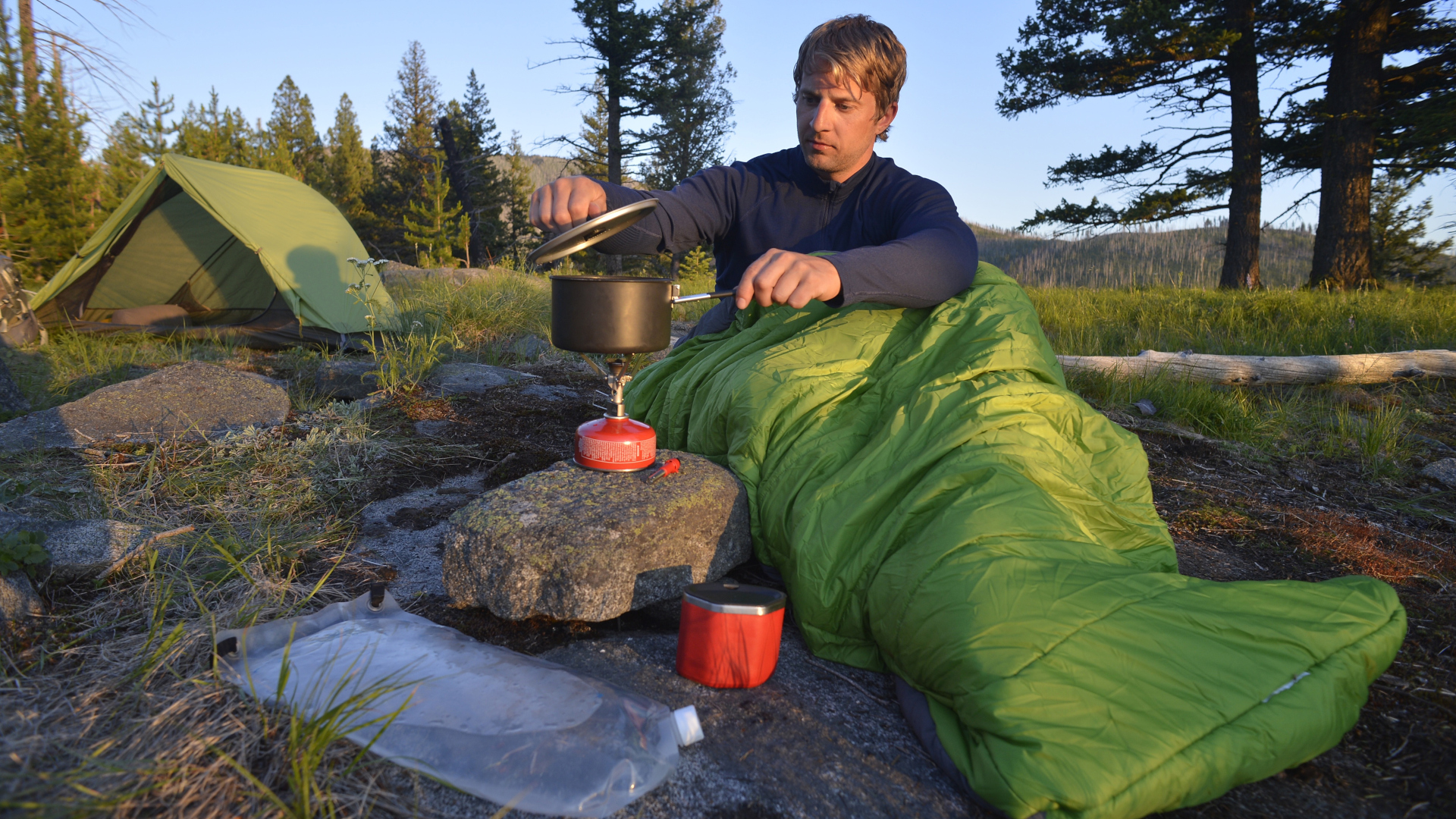
The irony of modern primitive camping is that while the experience is “low-tech” in terms of connectivity, the equipment used is often more advanced than what is found in a typical suburban home. To survive comfortably in a primitive setting without a vehicle or a permanent structure, one must rely on breakthroughs in materials science and thermodynamics.
Ultralight Materials and Aerospace Engineering
The “Primitive” label belies the complexity of the gear involved. For example, the shift from heavy canvas tents to shelters made of Dyneema Composite Fabric (DCF) represents a massive technological leap. Originally used for high-performance yacht sails and aerospace applications, DCF is a non-woven, laminate material that is fifteen times stronger than steel but light enough to float on water. In the context of primitive camping, this technology allows a hiker to carry a complete weather-proof habitat that weighs less than a kilogram, enabling deeper penetration into remote “tech-dry” zones.
Thermal Regulation and Synthetic Insulation
In a primitive environment, heat management is a matter of survival. The evolution from heavy wool to synthetic insulations like PrimaLoft or high-fill-power hydrophobic down illustrates a sophisticated understanding of thermal dynamics. These materials are engineered to mimic the structure of animal fur while providing moisture resistance that natural fibers lack. For the primitive camper, these are not just blankets; they are precision-engineered thermal barriers that allow the human body to maintain homeostasis in sub-zero environments without the need for external combustion or electrical heating.
Water Purification and Microbiological Filtration
The “primitive” aspect of camping requires sourcing water from the environment. The technology used to make this water potable has shifted from simple boiling to advanced membrane filtration and UV sterilization. Hollow-fiber membrane filters, which use bundles of straw-like tubes with microscopic pores (0.1 microns), can mechanically remove 99.9999% of bacteria and protozoa. For more extreme environments, portable UV-C LED purifiers use specific wavelengths of light to scramble the DNA of viruses—a clear example of bringing clinical-grade laboratory tech into the deepest wilderness.
Navigation and Safety in the Dead Zones
One of the most significant risks of primitive camping is the lack of a safety net. When you are miles away from the nearest cell tower, “primitive” takes on a more dangerous meaning. However, modern satellite technology has bridged this gap, creating a “safety-tech” layer that operates independently of terrestrial infrastructure.
Beyond 5G: The Satellite Constellation
For the modern primitive camper, the GPS (Global Positioning System) is the most critical piece of tech in their arsenal. Beyond simple map-reading, we now see the integration of two-way satellite messengers like the Garmin inReach or the Globalstar-powered SPOT systems. These devices bypass cellular networks entirely, communicating with Low Earth Orbit (Orbiting) satellite constellations. This allows for SOS capabilities and “breadcrumb” tracking in areas that are technically invisible to the standard internet.
The Software of the Wild: Mapping and GIS
Primitive camping has also birthed a niche in specialized software. Apps like OnX Backcountry or Gaia GPS utilize Geographic Information Systems (GIS) to provide offline-capable, high-resolution topographic maps. These tools allow campers to overlay heat maps of wildfire activity, snow depth, and public/private land boundaries. While the camping itself is primitive, the planning and navigation are driven by big data and sophisticated geospatial imaging.
The Future of Primitive Experiences in a Hyper-Connected World
As we look toward the future, the definition of primitive camping will continue to evolve alongside our technological capabilities. We are seeing a convergence where “primitive” no longer means “disconnected” in an absolute sense, but rather “selectively connected.”
The Rise of Portable Power and Solar Integration
As even primitive campers begin to carry high-tech cameras, GPS units, and emergency beacons, the need for “off-grid” power has skyrocketed. This has led to the development of highly efficient, foldable monocrystalline solar panels and high-density lithium-iron-phosphate (LiFePO4) power stations. These technologies allow a camper to maintain a “primitive” footprint while keeping their essential safety tech charged, effectively creating a portable micro-grid.
Ethics of Technology: The “Leave No Trace” Digital Footprint
Finally, the “tech” of primitive camping involves an ethical component. The “Leave No Trace” (LNT) principles are being updated for the digital age. This includes the “Geotagging” debate—how the technological act of sharing a precise GPS location on social media can lead to the “digital destruction” of primitive sites through over-tourism. For the sophisticated camper, being “primitive” now involves a level of digital hygiene: protecting the data of the wilderness to ensure its physical preservation.

Conclusion
“What does primitive camping mean?” In a modern context, it is far more than just sleeping in the woods. It is a calculated move into an unmanaged system, facilitated by high-performance materials and satellite-based safety nets. It is a niche where technology is used not to distract, but to enable a deeper, more resilient connection with the physical world.
For the tech-conscious individual, primitive camping represents the ultimate “stress test” for both gear and the human mind. It is a reminder that in our world of infinite pings and notifications, the most sophisticated “feature” a location can offer is the total absence of a signal. As we continue to advance technologically, the value of these primitive, tech-free spaces will only grow, cementing primitive camping as a vital counter-balance to our digital lives.
aViewFromTheCave is a participant in the Amazon Services LLC Associates Program, an affiliate advertising program designed to provide a means for sites to earn advertising fees by advertising and linking to Amazon.com. Amazon, the Amazon logo, AmazonSupply, and the AmazonSupply logo are trademarks of Amazon.com, Inc. or its affiliates. As an Amazon Associate we earn affiliate commissions from qualifying purchases.