
Securing investment is often the most significant hurdle an entrepreneur faces. Whether you are launching a disruptive startup or looking to scale an established small business, capital is the fuel that drives growth, innovation, and market penetration. However, finding investors is not merely about asking for money; it is a strategic process that involves financial modeling, relationship building, and a deep understanding of the capital markets.
In the current economic landscape, investors are becoming increasingly discerning. They are looking for more than just a “good idea”—they are looking for scalable business models, robust financial projections, and founders who understand the intricacies of business finance. This guide explores the systematic approach to identifying, approaching, and securing the right investors for your venture.

Preparing Your Financial Foundation Before the Pitch
Before you send a single email or attend a networking event, your internal financial house must be in order. Investors do not just invest in products; they invest in business structures that promise a return on investment (ROI). If your financial data is disorganized, it signals a lack of professional rigor.
Perfecting Your Business Plan and Financial Projections
Your business plan is the roadmap that tells an investor where their money is going and how it will grow. Within the “Money” niche, the most critical part of this plan is the financial section. You should have at least three to five years of projected income statements, balance sheets, and cash flow statements.
Investors pay close attention to your “burn rate” (how much money you spend each month) and your “runway” (how long you can survive before needing more capital). Be realistic about your customer acquisition costs (CAC) and the lifetime value (LTV) of a customer. If your projections are overly optimistic without data to back them up, you will lose credibility instantly.
Understanding Valuation and Equity Dilution
One of the most complex aspects of finding investors is determining what your company is worth. Valuation is part science and part art. You must understand the difference between pre-money valuation (the value of the company before the investment) and post-money valuation (the value after the investment).
When you take on investors, you are selling a piece of your company. This is known as equity dilution. It is vital to calculate how much equity you are willing to give up at different stages of funding. Founders must balance the need for capital with the desire to maintain control and future financial upside. Consulting with a financial advisor or a startup attorney during this stage is highly recommended to ensure you aren’t “giving away the farm” too early.
Identifying the Right Type of Investor for Your Stage
Not all capital is created equal. The type of investor you should seek depends heavily on your business’s current stage, your industry, and your long-term goals. Matching your needs with the right investor profile saves time and increases your chances of a “Yes.”
Angel Investors vs. Venture Capitalists
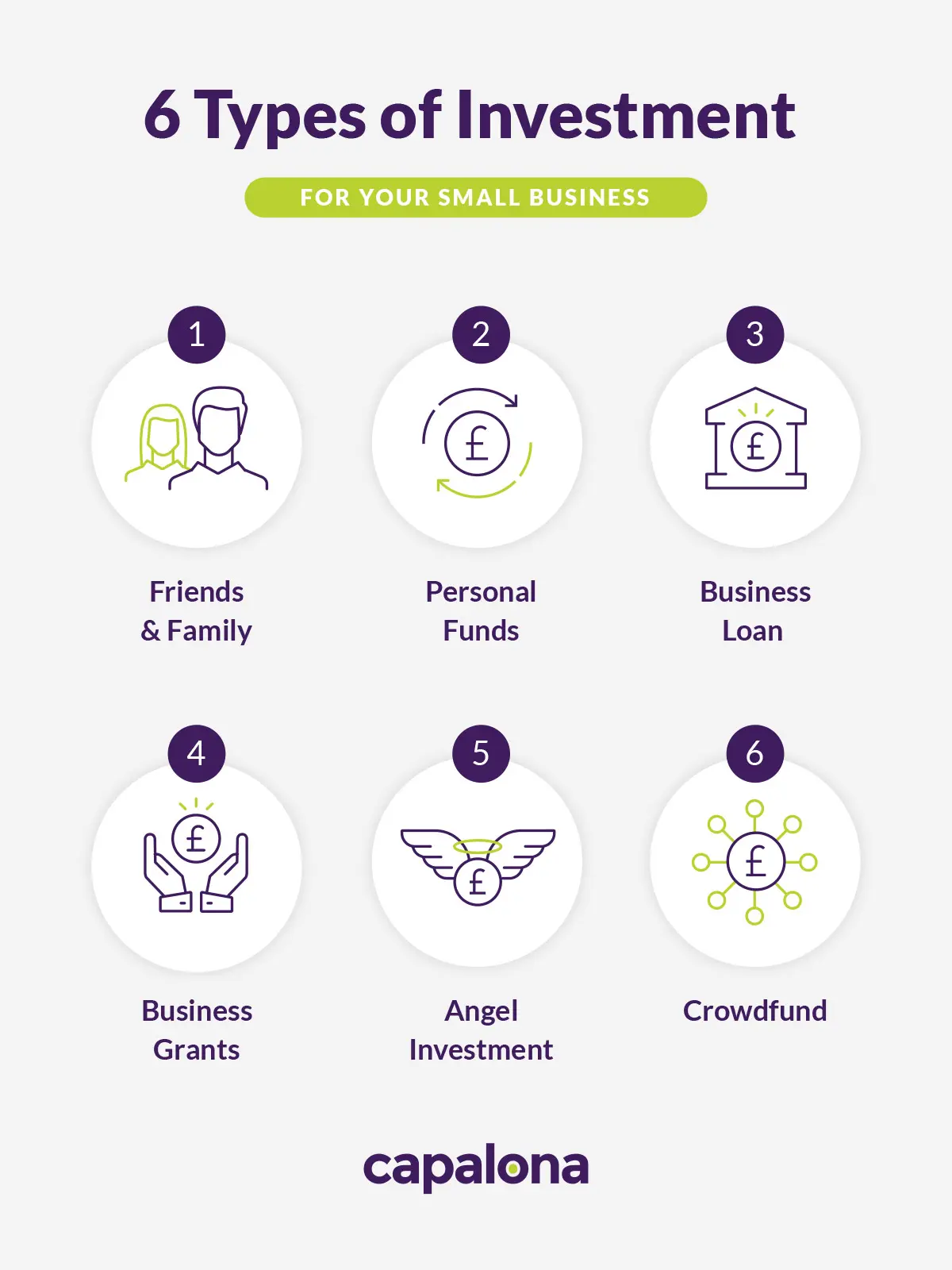
For early-stage startups, Angel Investors are often the first port of call. These are typically high-net-worth individuals who invest their personal funds into promising businesses. Angels are often more willing to take risks on unproven concepts and may provide mentorship alongside capital. They usually invest in “Seed” rounds, ranging from $25,000 to $500,000.
Venture Capitalists (VCs), on the other hand, are professional groups that manage pools of money from institutional investors. VCs typically look for high-growth companies that have already demonstrated some market traction. They operate in “Series” rounds (A, B, C, etc.) and expect a significant seat at the table, often including board positions. VCs are focused on “exits”—either an Initial Public Offering (IPO) or an acquisition—where they can realize a 10x return or higher.
Crowdfunding and Peer-to-Peer Lending Platforms
If your business has a strong consumer appeal or a loyal community, Equity Crowdfunding might be a viable alternative to traditional investors. Platforms like WeFunder or Republic allow you to raise small amounts of money from a large number of “unaccredited” investors. This not only provides capital but also turns your customers into brand advocates.
Alternatively, for businesses that have consistent revenue but lack the collateral for a traditional bank loan, Peer-to-Peer (P2P) Lending or revenue-based financing can provide the necessary liquidity. In these models, you aren’t always giving up equity; instead, you are paying back the investment through a percentage of your monthly revenue or with interest, making it a “debt-based” financial tool rather than an “equity-based” one.
Leveraging Networking and Digital Platforms
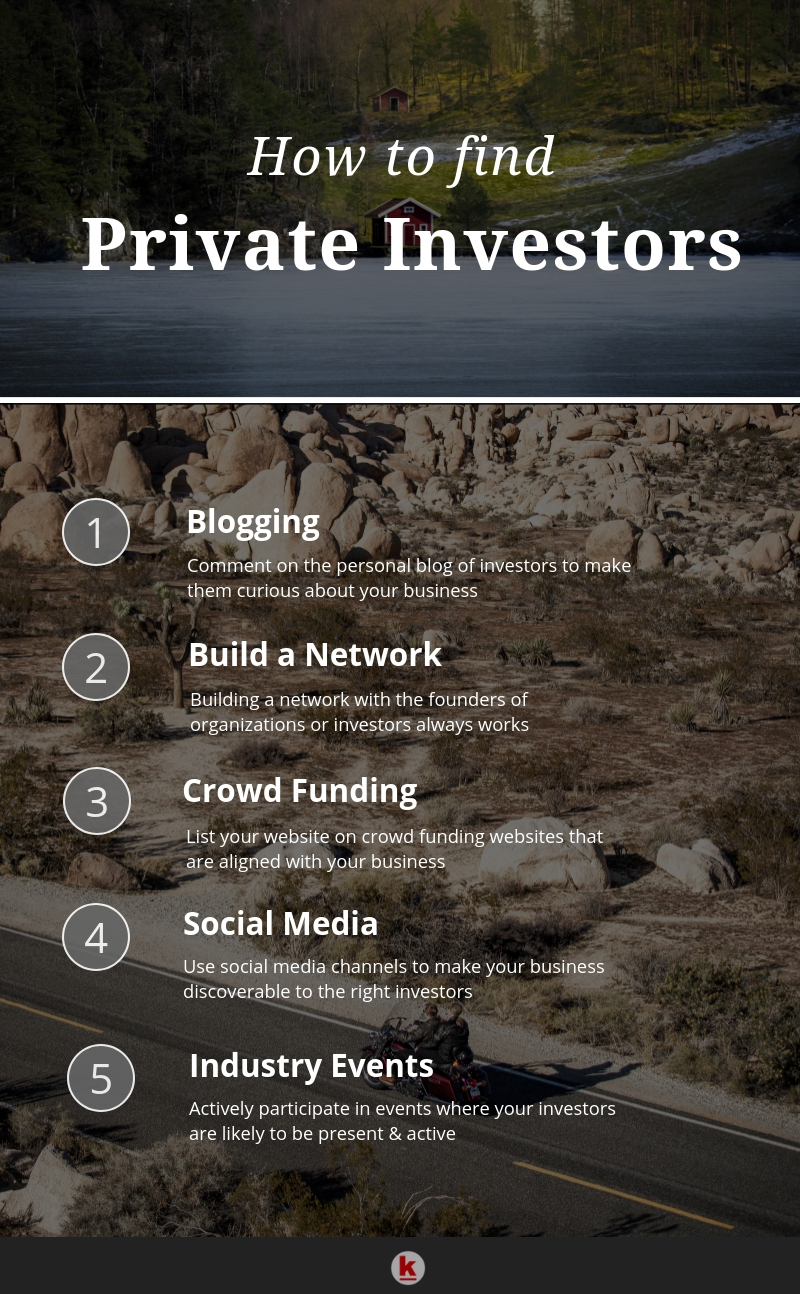
The old adage “it’s not what you know, but who you know” holds profound truth in the world of finance. Most successful investment rounds are the result of “warm introductions.” However, in the digital age, the definition of networking has expanded to include sophisticated online tools.
Utilizing LinkedIn and Professional Networks
LinkedIn is perhaps the most powerful tool for identifying potential investors. However, the key is to avoid “cold-pitching” via InMail, which is often viewed as unprofessional. Instead, use LinkedIn to map out your network. See who in your circle is connected to an angel investor or a partner at a VC firm and ask for a warm introduction.
To attract investors on these platforms, your personal brand as a founder must reflect financial literacy and industry expertise. Share insights on market trends, post about your company’s milestones, and engage with the content of the investors you are targeting. This builds familiarity before you ever ask for a meeting.
Online Investment Marketplaces and Databases
Beyond social media, there are dedicated databases designed to bridge the gap between founders and capital. Crunchbase and PitchBook are essential for researching which investors are currently active in your specific industry and what their typical check size is.
Platforms like AngelList (Wellfound) and Gust allow you to create a profile for your company that investors can browse. These platforms serve as a digital “waiting room” where you can showcase your pitch deck and financial metrics to a global audience of accredited investors who are actively looking for the next big opportunity.
Crafting a Winning Pitch Deck and Executive Summary
Once you have identified potential investors, you need the right collateral to secure a meeting. Your pitch deck is a visual representation of your business finance story. It needs to be concise, data-driven, and emotionally compelling.
The Essential Elements of a High-Impact Pitch
A standard pitch deck should be approximately 10 to 12 slides. From a financial perspective, the most important slides are:
- The Problem and Solution: Why does the market need you?
- Market Size: Use the TAM, SAM, SOM (Total Addressable Market, Serviceable Addressable Market, Serviceable Obtainable Market) framework to show the financial scale of the opportunity.
- Revenue Model: Exactly how will you make money?
- Traction: What have you achieved so far with the money you already had?
- The Ask: How much money do you need, and exactly how will it be spent? (e.g., 40% R&D, 40% Marketing, 20% Operations).
Handling Due Diligence and Investor Inquiries
If an investor is interested, they will move into the “Due Diligence” phase. This is an intensive investigation into your company’s legal and financial health. You should have a “Data Room” ready—a secure digital folder containing your incorporation documents, tax returns, employment contracts, and cap table.
Investors will ask “hard” questions: What happens if a competitor lowers their prices? What is your strategy for regulatory changes? How do you justify your valuation? Being able to answer these questions with financial data rather than “gut feeling” is what separates successful fundraisers from the rest.
Mastering the Art of the Follow-Up and Closing the Deal
Finding an investor is only half the battle; closing the deal and managing the relationship is where the actual work begins. Many founders fail because they let the momentum die after a great first meeting.
Navigating Term Sheets and Legal Requirements
When an investor decides to move forward, they will issue a Term Sheet. This is a non-binding document that outlines the conditions of the investment. It includes the valuation, the amount of investment, voting rights, liquidation preferences, and anti-dilution clauses.
It is crucial to understand these financial terms. For instance, a “liquidation preference” means the investor gets paid back before the founders if the company is sold. These clauses can significantly impact your final payout. Never sign a term sheet without a specialized securities lawyer reviewing it to ensure the terms are “founder-friendly” or at least market-standard.
Building Long-Term Investor Relationships
Once the money is in the bank, the relationship shifts from “courtship” to “partnership.” Professional investors expect regular updates—usually monthly or quarterly—on the company’s financial performance. These reports should include your KPIs (Key Performance Indicators), your current cash position, and any major wins or hurdles.
Maintaining a transparent relationship with your investors is the best way to secure “follow-on” funding in future rounds. If your current investors trust your financial management, they are much more likely to participate in your next round or introduce you to other heavy hitters in the financial world.
In conclusion, finding investors is a rigorous financial exercise that requires preparation, persistence, and a clear understanding of the value you are offering. By treating the process as a professional financial transaction rather than a plea for help, you position yourself as a leader capable of turning an investor’s capital into significant wealth.
aViewFromTheCave is a participant in the Amazon Services LLC Associates Program, an affiliate advertising program designed to provide a means for sites to earn advertising fees by advertising and linking to Amazon.com. Amazon, the Amazon logo, AmazonSupply, and the AmazonSupply logo are trademarks of Amazon.com, Inc. or its affiliates. As an Amazon Associate we earn affiliate commissions from qualifying purchases.