
In the evolving landscape of global marketing, the terms we use to describe consumer relationships are shifting. For decades, brands focused on the “Mother” archetype—nurturing, selfless, and domestic. However, a new persona has emerged as a powerhouse in brand strategy, corporate identity, and community engagement: the “Auntie.”
When we ask what “Auntie” means in a professional branding context, we are not talking about a genealogical connection. Instead, we are identifying a sophisticated brand archetype that blends authority, relatability, and communal wisdom. From the snack food industry to high-fashion digital influencers, the “Auntie” persona is being leveraged to build deep, trust-based loyalty that traditional corporate identities often struggle to achieve.

The Auntie Archetype: Beyond the Family Tree
In branding, an archetype is a recurring pattern of character that resonates with the collective human experience. While Carl Jung identified twelve primary archetypes, modern brand strategists often find success in the spaces between these categories. The “Auntie” exists at the intersection of the Sage, the Caregiver, and the Everyman.
Authority Meets Approachability
Unlike the “Mother” figure, who often carries the baggage of responsibility and domestic labor in the consumer’s mind, the “Auntie” represents a choice. She is the woman who has seen it all, possesses the wisdom of age, but remains “cool” enough to share secrets that a parent might not. For a brand, this means projecting an image of expert authority that isn’t clinical or detached. It is the difference between a doctor telling you to eat your vegetables and an auntie showing you a delicious way to cook them.
The Cultural Significance of the “Auntie” Title
To understand the power of this branding, one must look at global cultures. In many Asian, African, and Middle Eastern societies, “Auntie” is a term of respect used for any elder woman within the community, regardless of blood relation. It denotes a position of social standing and trust. When a brand adopts this title—or its associated characteristics—it signals that it is part of the consumer’s “village.” It moves the brand from being a distant vendor to a community stakeholder.
Why Brands are Adopting the “Auntie” Voice
The shift toward the “Auntie” persona is not accidental; it is a response to a “trust deficit” in modern marketing. Consumers are increasingly skeptical of polished, corporate-speak and overly sentimental “Mom-centric” advertising. They want authenticity, and the “Auntie” provides a perfect vehicle for that.
The Shift from “Mom” to “Auntie” Marketing
For years, “Mom” was the ultimate target and the ultimate spokesperson. However, the “Mom” archetype can feel restrictive and high-pressure. The “Auntie” persona offers a more liberated perspective. She focuses on enjoyment, quality, and legacy without the heavy burden of “doing it all.” Brands that utilize this voice often see higher engagement because they feel like a supportive peer rather than a demanding authority figure.
Building Trust through Relatability and Wisdom
The “Auntie” brand voice is characterized by a “straight-talk” approach. Think of brands that aren’t afraid to be slightly cheeky or opinionated. This honesty builds a different kind of brand equity. When an “Auntie” brand recommends a product, it feels like a curated suggestion from someone who has tested everything on the market and has no time for nonsense. This perceived wisdom is a powerful tool for conversion in an era of endless choice.
Case Studies: Successful “Auntie” Branding in Action
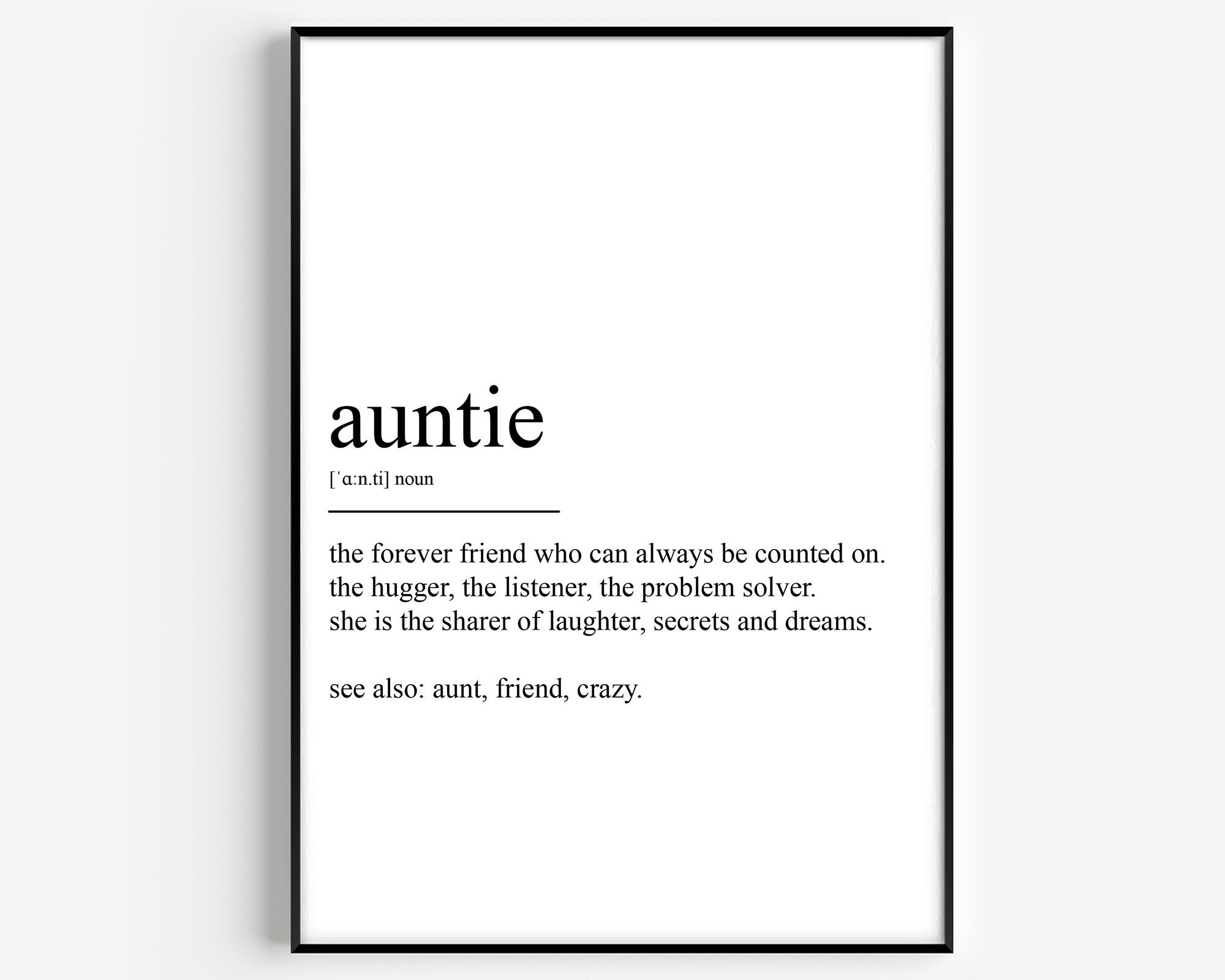
To truly understand what “Auntie” means in a brand context, we must look at how it has been executed successfully across different industries.
Auntie Anne’s: The Gold Standard of Comfort
Perhaps the most literal example is Auntie Anne’s. While founded by a real person (Anne Beiler), the brand has spent decades cultivating an identity centered on the “Auntie” experience. The brand strategy focuses on the “warmth” of the product and the “care” in the preparation. It isn’t just a fast-food transaction; it is framed as a comforting treat from a trusted family figure. Their corporate identity uses soft curves, warm colors, and a voice that emphasizes “hand-rolled” care, leaning heavily into the Caregiver aspect of the Auntie archetype.
Digital Native Brands and the “Cool Auntie” Aesthetic
In the world of skincare and wellness, several Gen Z and Millennial-focused brands have adopted the “Cool Auntie” persona. These brands—such as Topicals or Dieux Skin—often use a brand voice that is educational yet irreverent. They act as the “Auntie” who tells you the truth about chemicals and ingredients, debunking myths with the confidence of someone who has lived through the trends. This strategy builds a “cult” following by making the consumer feel like they are “in” on the secret.
The “Aunty” in Personal Branding: Tabitha Brown
While not a corporation, the personal brand of Tabitha Brown is a masterclass in the “Auntie” strategy. Known as “America’s Mom,” her energy is actually more aligned with the “Global Auntie.” She provides nurturing advice, vegan recipes, and soulful wisdom. Her brand deals with Target and other major retailers succeed because she has cultivated a persona that is both aspirational and deeply accessible—the hallmark of the Auntie archetype.
How to Implement the Auntie Persona in Your Brand Strategy
If your brand aims to be perceived as a trusted, wise, and community-oriented entity, the “Auntie” persona might be the right fit. However, it requires a delicate balance of tone, visuals, and values.
Visual Identity and Tone of Voice
An “Auntie” brand should avoid the sterile minimalism of many modern tech firms. Instead, the visual identity often incorporates:
- Rich Palettes: Colors that feel “lived-in” and sophisticated, such as deep greens, terracottas, or warm ambers.
- Tactile Textures: In packaging and web design, use elements that suggest a human touch.
- A “Conversational” Tone: Copywriting should use direct address (“You know, honey…”) and avoid overly complex jargon unless it’s used to show expertise in a relatable way.
Avoiding Stereotypes: The Modern Auntie Evolution
The biggest risk in this branding strategy is falling into “caricature.” A brand must ensure it is honoring the “Auntie” figure rather than exploiting a stereotype. The “Modern Auntie” is tech-savvy, stylish, and perhaps even a bit rebellious. She isn’t just in the kitchen; she’s in the boardroom, the laboratory, or traveling the world. A brand that successfully navigates this will feel fresh and inclusive rather than dated.
Measuring Community Impact
The success of an “Auntie” brand strategy is measured not just in sales, but in “brand sentiment.” Are customers defending the brand in comment sections? Are they sharing the brand with their friends as a “recommendation” rather than an “ad”? This strategy thrives on word-of-mouth and community-driven marketing (CDM).

The Future of Niche Personas in Corporate Identity
As we look toward the future of branding, the “Auntie” represents a broader trend: the “humanization” of the corporation. In a world increasingly dominated by AI and automated interactions, consumers are desperate for a human connection.
The “Auntie” brand strategy works because it acknowledges that we are more than just data points. We are members of a society that values wisdom, mentorship, and a bit of tough love. By understanding what “Auntie” means—a blend of expert guidance and unconditional support—brands can move beyond the transactional and become an essential part of the consumer’s life story.
In conclusion, “Auntie” in the world of branding is a symbol of Radical Trust. It is a strategy that honors the past through wisdom while embracing the future through community. For brands looking to break through the noise of the 21st century, perhaps it’s time to stop trying to be the “Leader” or the “Hero” and start trying to be the “Auntie.”
aViewFromTheCave is a participant in the Amazon Services LLC Associates Program, an affiliate advertising program designed to provide a means for sites to earn advertising fees by advertising and linking to Amazon.com. Amazon, the Amazon logo, AmazonSupply, and the AmazonSupply logo are trademarks of Amazon.com, Inc. or its affiliates. As an Amazon Associate we earn affiliate commissions from qualifying purchases.