
The dream of transitioning from a traditional corporate environment to a home-based enterprise is no longer a niche aspiration; it is a strategic financial move. In an era where digital infrastructure allows for global reach from a kitchen table, starting a business from home represents one of the most effective ways to build wealth while minimizing overhead. However, the difference between a struggling side hustle and a high-yield business lies in the financial architecture established at the outset.
To succeed, an entrepreneur must view their home-based venture through the lens of capital efficiency, tax optimization, and sustainable revenue modeling. This guide explores the financial mechanics of launching a home business, ensuring that your venture is built on a foundation of fiscal stability and long-term growth.
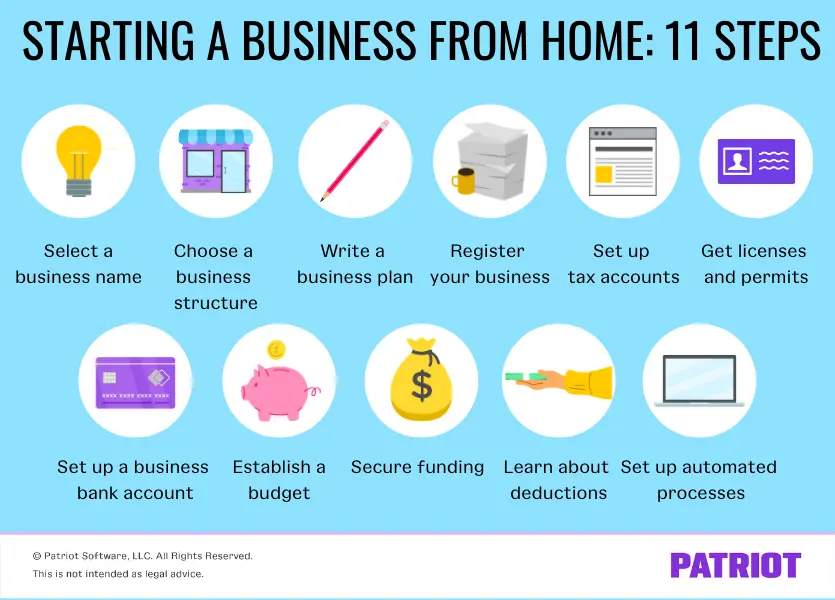
1. Establishing a Robust Financial Infrastructure
Before the first product is sold or the first service is rendered, a business must have a structural home. In the “Money” niche, the most critical error new entrepreneurs make is commingling personal and business finances. This creates “piercing the corporate veil” risks and makes financial auditing nearly impossible.
Assessing Initial Capital Requirements
Every business starts with a “burn rate”—the amount of money you spend before you become profitable. When starting from home, your primary advantage is low rent, but you must still account for equipment, software licenses, initial inventory, and legal filing fees. Conduct a break-even analysis early. Determine exactly how many units you need to sell or how many hours you must bill to cover your fixed and variable costs.
Choosing the Right Business Entity for Tax Efficiency
The legal structure of your business dictates how you are taxed and your level of personal liability.
- Sole Proprietorship: Simple to set up but offers no separation between personal and business assets.
- LLC (Limited Liability Company): Often the gold standard for home businesses, providing liability protection and “pass-through” taxation.
- S-Corp Election: For home businesses generating significant profit (typically over $60,000–$100,000 annually), an S-Corp election can reduce self-employment taxes by allowing the owner to pay themselves a “reasonable salary” and take the rest as distributions.
Dedicated Banking and Credit Lines
Open a business-specific checking account and apply for a business credit card immediately. Not only does this simplify bookkeeping, but it also helps build a business credit score. A strong business credit profile is essential if you ever plan to move out of the home office and into a commercial space or require a Small Business Administration (SBA) loan for scaling.
2. Revenue Modeling and Profit Margin Optimization
A business is only as healthy as its margins. When you operate from home, you have the unique opportunity to maintain high profit margins because your “rent” is already a sunk personal cost. The goal is to maximize the Return on Investment (ROI) for every dollar spent.
Identifying High-Margin Service vs. Scalable Products
Service-based businesses (consulting, accounting, digital marketing) have the lowest barrier to entry and the highest immediate margins because they require little more than your time and expertise. However, they are difficult to scale because they are limited by your personal bandwidth.
Product-based businesses (e-commerce, software-as-a-service) require more upfront capital for inventory or development but offer infinite scalability. To build a “Money”-focused business, many entrepreneurs start with services to generate cash flow and then reinvest those profits into developing a scalable product.
The Power of Recurring Revenue
The most financially stable home businesses are those that move away from “one-off” sales toward recurring revenue models. Subscription boxes, retainer-based consulting, or membership sites provide a predictable cash flow. In the world of finance, predictability reduces risk and increases the valuation of your business should you ever decide to sell it.
Cost of Goods Sold (COGS) and Operating Expenses
To maintain profitability, you must have a granular understanding of your COGS. If you are selling a physical product from home, this includes raw materials, packaging, and shipping. If you are selling a service, it includes the cost of your time and the software tools required to deliver the work. Constant monitoring of these expenses ensures that a sudden spike in material costs doesn’t wipe out your monthly profits.
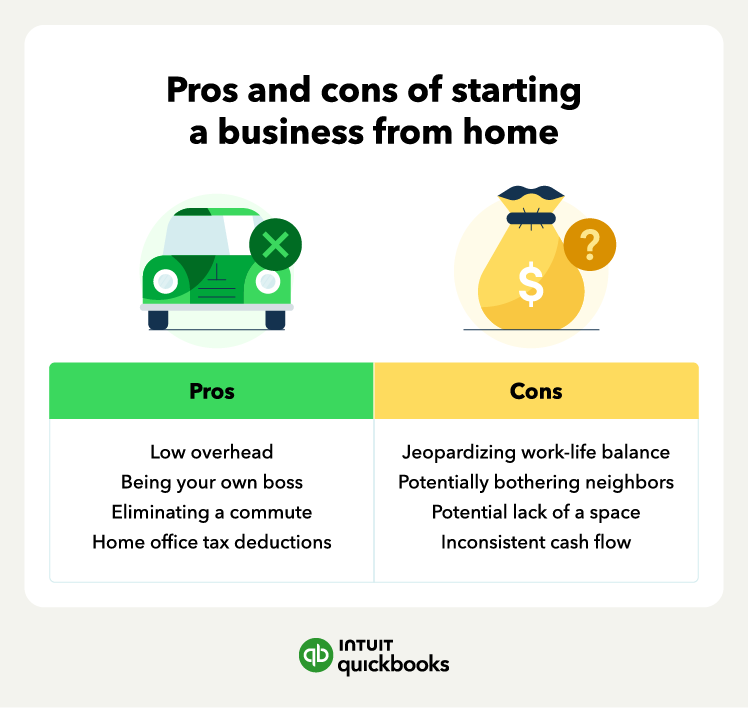
3. Navigating Tax Deductions and Cash Flow Management
One of the most significant financial “wins” of a home business is the ability to convert personal living expenses into legitimate business deductions. This effectively lowers your taxable income, keeping more money in your pocket.
Maximizing the Home Office Deduction
The IRS and other global tax authorities allow business owners to deduct a portion of their home expenses—rent, mortgage interest, utilities, and insurance—based on the percentage of the home used exclusively for business. If your home office occupies 10% of your total square footage, 10% of your home-related bills may become tax-deductible. This is a powerful wealth-building tool that traditional employees cannot access.
Managing the “Cash Flow Gap”
Cash flow is the lifeblood of a small business. Many profitable businesses fail because their money is tied up in accounts receivable (money owed by clients) while their accounts payable (bills they owe) are due.
To manage this:
- Request Upfront Deposits: Never start work or ship a high-value item without a portion of the payment.
- Stagger Payments: Ensure your outgoing payments (subscriptions, inventory) don’t all hit on the same day.
- Maintain a Cash Reserve: Aim for a “buffer” of 3–6 months of operating expenses held in a high-yield business savings account.
Automated Bookkeeping and Financial Reporting
In the modern economy, manual spreadsheets are a liability. Utilizing financial tools like QuickBooks, Xero, or FreshBooks allows for real-time tracking of profit and loss statements. Understanding your “P&L” at a glance enables you to make data-driven decisions about where to cut costs and where to double down on investment.
4. Reinvestment Strategies for Long-Term Wealth
Starting a business from home is the first step; the second step is ensuring that the profit generated by the business is put to work. A business should not just provide an income; it should be an asset that grows in value.
The 50/30/20 Rule for Business Profit
Once your business is profitable, you must decide how to allocate that surplus. A common financial framework for home-based entrepreneurs is:
- 50% Reinvestment: Putting money back into marketing, better equipment, or inventory to drive more growth.
- 30% Personal Income/Tax Reserve: Paying yourself a fair wage and setting aside funds for quarterly tax payments.
- 20% Long-Term Savings/Diversification: Moving profit out of the business and into external investments like index funds or real estate to ensure personal financial security regardless of the business’s performance.
Scaling Through Outsourcing and Automation
As the business grows, the “money” value of your time increases. If you are spending five hours a week on basic administrative tasks that could be outsourced for $20 an hour, but your billing rate is $100 an hour, you are effectively losing $400 a week. Financially savvy home business owners leverage virtual assistants or automated software to handle low-value tasks, allowing them to focus on high-value “revenue-generating activities.”
Diversifying Income Streams
To insulate yourself from market volatility, look for “adjacent” income streams. If you run a home-based tutoring business, you could create a digital workbook (passive income) or offer a premium group webinar (high-leverage income). Diversification ensures that if one revenue tap slows down, the business remains solvent.

Conclusion
Starting a business from home is a sophisticated financial maneuver that requires more than just a good idea; it requires a disciplined approach to money management. By establishing a professional financial infrastructure, focusing on high-margin revenue models, maximizing tax advantages, and strategically reinvesting profits, you transform your home into a powerhouse of economic production.
The ultimate goal of a home business in the “Money” niche is financial sovereignty. When you control the means of production, the overhead, and the distribution of profit, you are no longer just an employee working from a different room—you are the Chief Financial Officer of your own future. Success is found in the margins, the deductions, and the consistent reinvestment in your most valuable asset: your business.
aViewFromTheCave is a participant in the Amazon Services LLC Associates Program, an affiliate advertising program designed to provide a means for sites to earn advertising fees by advertising and linking to Amazon.com. Amazon, the Amazon logo, AmazonSupply, and the AmazonSupply logo are trademarks of Amazon.com, Inc. or its affiliates. As an Amazon Associate we earn affiliate commissions from qualifying purchases.