
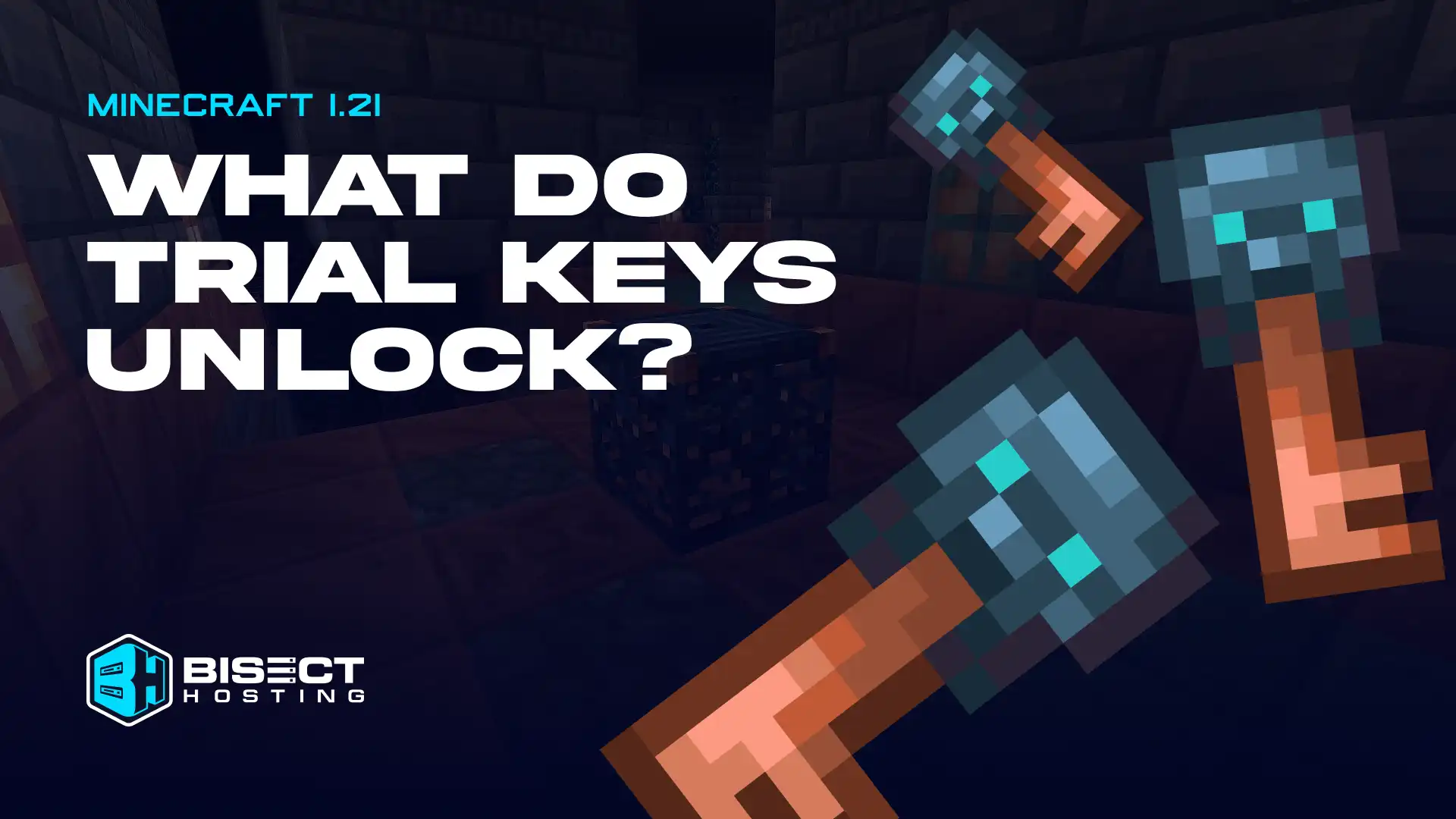
The evolution of Minecraft as a premier sandbox software platform is characterized by its consistent ability to introduce complex technical layers to its seemingly simple block-based world. With the arrival of the 1.21 update, colloquially known as the “Tricky Trials” update, Mojang Studios introduced a sophisticated gameplay loop centered around the Trial Chamber. At the heart of this new structural logic is the Trial Key, a physical manifestation of the game’s move toward more structured, algorithmically balanced adventure mechanics.
Understanding what a Trial Key does requires more than just knowing its basic function; it requires an exploration of how Minecraft’s technical architecture handles loot distribution, procedural generation, and multiplayer synchronization.
The Evolution of Procedural Generation and the Trial Chamber System
To understand the Trial Key, one must first understand the environment for which it was coded: the Trial Chamber. These are sprawling, procedurally generated underground complexes designed to test the combat proficiency of players. Unlike traditional dungeons or strongholds, Trial Chambers utilize a high degree of modularity in their design, employing a sophisticated set of rules to ensure each experience is technically unique yet balanced.
The Infrastructure of Trial Chambers
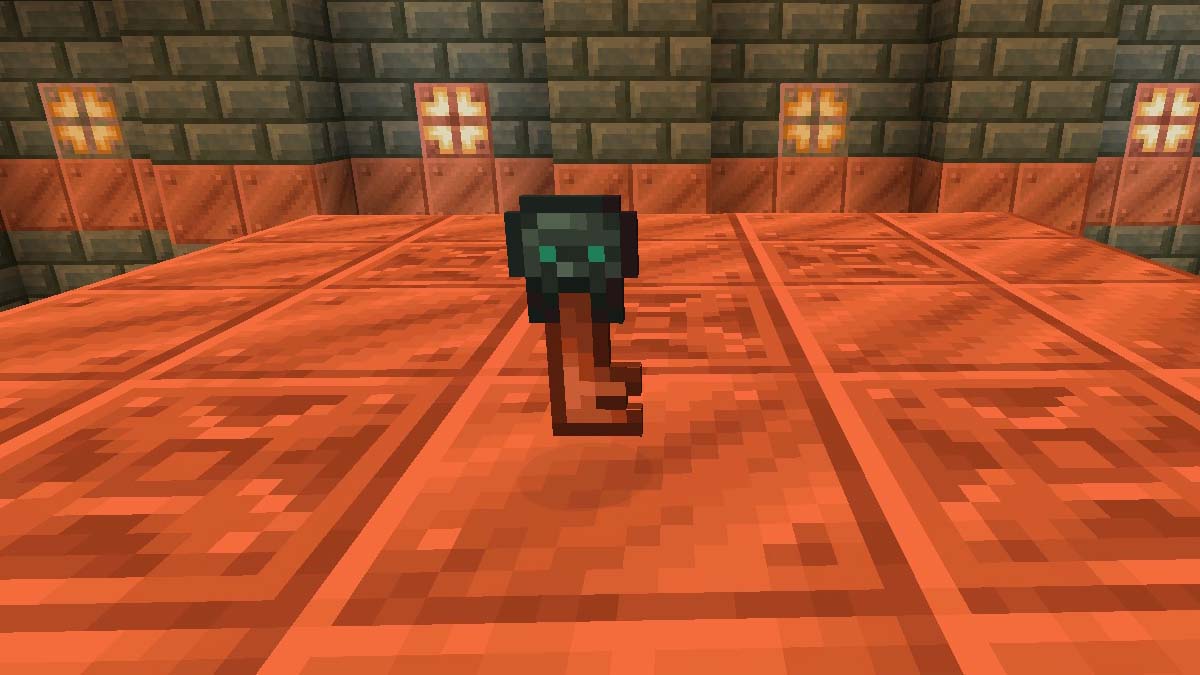
Trial Chambers are built using a library of pre-defined “jigsaw” pieces—software modules that the game’s world generator snaps together during the chunk-loading process. These chambers are primarily composed of copper and tuff blocks, materials that interact with the game’s oxidation mechanics. The Trial Key is the primary reward for successfully navigating these modules. Technically, the key serves as a “token” within the game’s logic, signifying that a player has cleared a specific challenge state within the Trial Spawner’s proximity.
Algorithmic Difficulty Scaling
One of the most impressive tech features associated with the Trial Key is the “Trial Spawner.” Unlike standard spawners that churn out mobs indefinitely, Trial Spawners utilize a player-detection algorithm. The spawner counts the number of players within its range and scales the difficulty—and the subsequent loot probability—accordingly. Once the “challenge state” is completed, the spawner enters a cooldown period, and it is during this phase that it ejects rewards, which often include the Trial Key. This demonstrates a shift in Minecraft’s coding philosophy from static environment hazards to dynamic, responsive AI encounters.
Mechanics of the Trial Key: Unlocking the Vault
The primary function of the Trial Key is to interact with the Vault block. In terms of software design, the Trial Key functions as a specific access credential. While players are used to “keys” in gaming usually unlocking doors, the Trial Key and the Vault block represent a more sophisticated approach to multiplayer resource management.
How to Obtain the Trial Key
The Trial Key is obtained primarily through Trial Spawners. When a player or a group of players defeats all the mobs summoned by a spawner, the spawner transitions from an “active” state to a “reward” state. The loot table associated with this state has a high probability (approximately 50% in standard chambers) of dropping a Trial Key. From a technical standpoint, this is a randomized roll against a predefined set of item IDs, triggered by the death of the final mob in the spawner’s current wave.
Interaction with the Vault Block
The Vault block is the specific “lock” for the Trial Key. Unlike a standard chest, which is a container that stores items in a shared inventory space, a Vault is a “state-aware” block. When a player uses a Trial Key on a Vault, the block checks the player’s unique ID against its internal “unlocked” list. If the player hasn’t opened that specific Vault before, it consumes the key and ejects loot.
This is a critical piece of technical innovation for Minecraft. In previous versions, the first player to find a chest would take everything, leaving nothing for others. The Vault’s logic ensures that every player who possesses a Trial Key can receive loot from the same block, effectively solving the “loot-stealing” problem in multiplayer server environments through individualized block-state memory.
The Technical Architecture of Rewards: Loot Tables and Shared Distribution
The Trial Key is essentially the gateway to the 1.21 update’s most valuable assets. However, the way the game determines what you get after using that key is a masterclass in game balance and software-driven randomness.
Individualized Loot Systems
When the Trial Key is inserted into a Vault, the game executes a “loot table” command. This table is a JSON-based file within the game’s internal data that defines the probability of various items. What makes the Vault unique from a tech perspective is that the loot is not “inside” the block. Instead, the loot is generated the moment the key is used, based on the player’s interaction. This prevents “X-raying” or “seed-cracking” where players could previously predict what was in a chest by analyzing the world seed.
Balancing the In-Game Economy through Software Logic
The rewards accessed via the Trial Key include high-tier items like enchanted books, diamonds, and the new “Heavy Core” used to craft the Mace. By gating these items behind a Trial Key, Mojang has implemented a “proof of work” system. A player cannot simply stumble upon a Vault and get rich; they must interact with the Trial Spawner mechanics to earn the key. This creates a sustainable loop that regulates the inflation of high-powered items on large-scale multiplayer servers, ensuring that the “cost” of high-tier gear is always associated with a specific level of gameplay engagement.
Enhancing the Player Experience via Software Updates (Version 1.21)
The introduction of the Trial Key signifies a broader trend in software development within the gaming industry: the move toward “repeatable content.” By utilizing keys and vaults rather than one-time-use chests, the 1.21 update transforms Trial Chambers into persistent “dungeons” that remain relevant even after the initial discovery.
The Role of Ominous Trial Keys
Within the technical framework of the 1.21 update, there is also a “sub-class” of the Trial Key known as the Ominous Trial Key. This is obtained by engaging with the “Ominous Trial” state—a higher difficulty tier triggered by the “Bad Omen” status effect.
- Software Trigger: When a player with the “Trial Omen” effect approaches a spawner, the spawner’s logic switches to a more difficult loot table.
- The Reward: The Ominous Trial Key has a distinct texture and ID. It is used to unlock “Ominous Vaults,” which contain even rarer rewards, such as the Flow Armor Trim or the heavy-hitting Mace components.
This tiered key system demonstrates how developers use conditional logic to add layers of depth to a single game mechanic.
Future Implications for Sandbox Gaming Technology
The Trial Key/Vault system is a prototype for how Minecraft might handle progression in the future. By moving away from “world-saved” loot (where a chest is empty once looted) to “player-saved” loot (where a player’s interaction history determines availability), Minecraft is evolving into a more robust RPG-like framework. This allows for better integration with server-side plugins and modding APIs, as developers can now hook into these individual player states to create even more complex digital economies.

Conclusion: The Intersection of Coding and Adventure
The Trial Key in Minecraft is more than just a digital item; it is a sophisticated tool that manages player progression, ensures multiplayer fairness, and showcases the power of procedural logic in modern software. By requiring players to overcome algorithmically scaled challenges to obtain a key, and then using that key to trigger individualized loot generation, Minecraft has solved age-old problems of resource scarcity and griefing in sandbox environments.
As we look at the broader landscape of technology and gaming, the Trial Key represents a shift toward intelligent, state-aware game design. It bridges the gap between the unpredictability of a sandbox world and the structured rewards of a traditional RPG, ensuring that every player’s journey through the Trial Chambers is both technically sound and deeply rewarding. Whether you are a casual player or a technical enthusiast interested in the “how” behind the “what,” the Trial Key stands as a testament to the ongoing technical sophistication of one of the world’s most popular software titles.
aViewFromTheCave is a participant in the Amazon Services LLC Associates Program, an affiliate advertising program designed to provide a means for sites to earn advertising fees by advertising and linking to Amazon.com. Amazon, the Amazon logo, AmazonSupply, and the AmazonSupply logo are trademarks of Amazon.com, Inc. or its affiliates. As an Amazon Associate we earn affiliate commissions from qualifying purchases.