
In the world of semiotics and visual communication, symbols are the shorthand of the human experience. While the butterfly is often the poster child for transformation and beauty in marketing, its nocturnal cousin—the moth—offers a far more nuanced and powerful set of metaphors for modern brand strategy. When we ask, “What does a moth represent?” in a corporate context, we uncover themes of relentless attraction, profound metamorphosis, and the quiet resilience of authentic identity.
For brand strategists, the moth is a masterclass in “pull” marketing. Unlike the butterfly, which demands attention through vibrant colors and daylight display, the moth operates with a focused intensity, navigating the dark to find its light. This article explores how the symbolism of the moth can be translated into a robust brand identity, from the psychology of consumer attraction to the grit required for a successful corporate pivot.
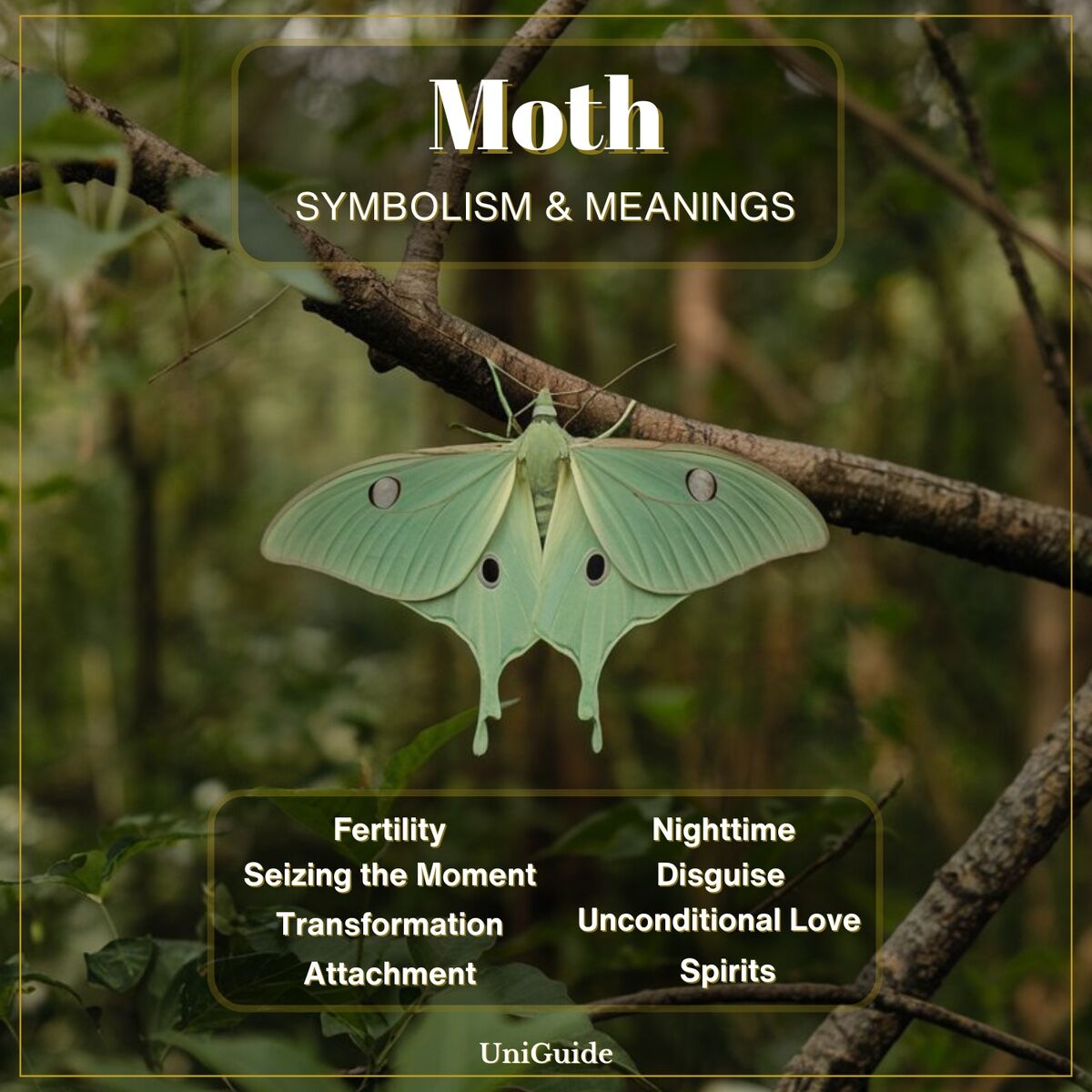
The Symbolism of the Moth: From Natural Phenomenon to Brand Identity
To understand the moth as a brand archetype, we must first look at its biological and cultural traits. The moth is a creature of the night, guided by celestial navigation. In branding, this represents a company that is guided by a clear internal compass—a “North Star” or mission statement—rather than just following the erratic fluctuations of the daily market.
Metamorphosis: Navigating the Rebranding Journey
Every brand eventually faces a moment of stagnation. This is the “cocoon” phase. In the lifecycle of a moth, the transformation from caterpillar to winged insect is not merely a change in appearance; it is a complete cellular restructuring.
In brand strategy, metamorphosis represents the radical rebranding required when a company’s old identity no longer fits its current scale. This isn’t just about a new logo; it’s about a fundamental shift in value proposition. A moth-inspired brand understands that the “darkness” of a transition period is necessary for growth. It teaches us that vulnerability during a pivot is not a weakness but a prerequisite for soaring.
Resilience and Survival in Competitive Markets
Moths are incredibly resilient, often thriving in environments where more delicate insects would perish. They are masters of camouflage, yet they possess a singular focus. For a brand, this represents the ability to blend into a market to understand the landscape, only to reveal a striking, unique identity when the time is right. Resilience in branding means maintaining a core identity even when external pressures—economic downturns or shifting consumer tastes—threaten to extinguish the flame.
The “Moth to a Flame” Effect: Mastering Customer Attraction
One of the most potent metaphors associated with the moth is its fatalistic attraction to light. While we don’t want our customers to find “destruction” in our brands, the intensity of that attraction is exactly what a high-performing brand seeks to cultivate. This is the essence of magnetic branding.
Designing the Visual “Light Source”
In a saturated market, your brand must be the “light” that cuts through the noise. This involves more than just bright colors; it involves high-contrast positioning. If every competitor is “daylight” (broad, general, and loud), your brand can be the “moonlight” (niche, specific, and illuminating).
The visual identity of a moth-inspired brand often leans toward sophistication and mystery. Think of brands that use minimalist design, deep color palettes, and high-quality textures. They don’t scream for attention; they radiate a quality that naturally draws the “nocturnal” consumer—the person looking for something deeper, more specialized, and more authentic than the mass-market offerings.
Psychological Triggers in Consumer Behavior
The moth’s movement toward light is known as transverse orientation. It’s an instinctual, ingrained behavior. Brands achieve this through emotional storytelling and consistent value delivery. When a brand aligns its values perfectly with its target audience’s worldview, it creates a psychological “tug.”
This is where brand loyalty moves from rational choice to instinctual preference. By understanding what your “light” is—whether that’s sustainability, innovation, or prestige—you can ensure that your target audience feels an irresistible pull toward your products, much like the moth is drawn to the beacon in the dark.

Authentic Vulnerability: The Moth vs. The Butterfly in Modern Branding
For decades, the “Butterfly” model of branding dominated. This was the era of the polished, perfect, and often superficial corporate image. However, the modern consumer is increasingly cynical of over-produced perfection. This is where the moth represents a new era of authentic vulnerability.
Embracing the Shadow: Why Perfection is Outdated
Moths are often seen as the “shadow” version of the butterfly. They are earthy, textured, and sometimes even perceived as “dusty.” In the context of personal branding and corporate identity, this represents unfiltered authenticity.
Brands like Patagonia or Dove have leaned into this “moth” energy. They don’t hide their flaws or the complexities of their supply chains; instead, they make their struggle for improvement part of their brand narrative. Consumers today are more likely to trust a brand that admits it is “work in progress” (the moth) than one that claims to be a finished, perfect specimen (the butterfly).
Storytelling and the Quest for the Inner Truth
The moth is a creature that searches. It is often associated with the soul’s journey in various mythologies. In brand strategy, this translates to the “Why” behind the business. A brand that embodies the moth is one that is on a quest.
This narrative of “seeking the light” allows a company to build a community around a shared journey. Instead of saying, “We have all the answers,” a moth-like brand says, “We are searching for the best way to solve this problem, and we want you to join us.” This creates a powerful bond of shared purpose that is far more durable than a simple transactional relationship.
Case Studies: Brands that Embody the Moth Archetype
To see how these concepts function in the real world, we can look at companies that have successfully navigated the “moth” journey—moving through deep metamorphosis or leveraging the power of intense, focused attraction.
The Tech Pivot: Evolving Without Losing the Core
Consider a company like Slack. Originally a tool developed during the creation of a video game (Glitch), the game failed, but the internal communication tool survived. This is a classic “moth” metamorphosis. The company didn’t die; it shed its old skin (the game) and emerged as a completely different, far more successful entity (the communication platform). They followed the light of what was actually working, demonstrating the resilience and adaptability inherent in moth symbolism.
Niche Excellence: Thriving in the Dark
Luxury brands often use moth-like strategies. A brand like A24 in the film industry doesn’t try to compete with the “daylight” blockbusters of Disney. Instead, they operate in the “nocturnal” space of indie cinema. They have created a cult-like following where fans are drawn to their “light” because it represents a specific, high-contrast alternative to the mainstream. Their brand represents the moth: unique, slightly mysterious, and intensely attractive to a specific, devoted audience.

Implementing Moth-Inspired Strategies for Your Personal Brand
You don’t need to be a multi-billion dollar corporation to use the symbolism of the moth. Personal branding can benefit immensely from these principles.
- Identify Your Light: What is the one truth or mission that guides everything you do? If you don’t have a clear light source, your “moths” (clients or followers) won’t know where to go.
- Value the Cocoon: Don’t be afraid of the periods where you are quiet or “underground.” Use these times to develop your skills and refine your message. The most impressive “flights” come after the most intense periods of internal work.
- Opt for Texture over Polish: In your content and design, don’t be afraid to show the “dust” on your wings. Authenticity creates a tactile, human connection that high-gloss branding cannot replicate.
- Master the Pull: Instead of chasing leads (the “hunter” approach), focus on becoming so bright and consistent in your niche that leads naturally gravitate toward you (the “moth” approach).
In conclusion, what a moth represents is the power of the authentic journey. It is a symbol for the brand that is not afraid of the dark, that understands the necessity of change, and that knows the secret to irresistible attraction lies in having a singular, brilliant focus. By adopting the “Way of the Moth,” brands can move beyond the superficial and build identities that are not only seen but felt, creating a lasting impact in the hearts and minds of their audience.
aViewFromTheCave is a participant in the Amazon Services LLC Associates Program, an affiliate advertising program designed to provide a means for sites to earn advertising fees by advertising and linking to Amazon.com. Amazon, the Amazon logo, AmazonSupply, and the AmazonSupply logo are trademarks of Amazon.com, Inc. or its affiliates. As an Amazon Associate we earn affiliate commissions from qualifying purchases.