
The discourse surrounding climate change is often framed through the lens of environmental science or moral imperatives. However, within the Republican Party, the conversation is increasingly shifting toward a sophisticated analysis of fiscal policy, market dynamics, and global competitiveness. For the modern conservative, the question is not merely about the temperature of the planet, but about the cost of intervention, the protection of American capital, and the preservation of a free-market system that encourages innovation over regulation.
Understanding the Republican stance on climate change requires a deep dive into the “Money” niche—specifically how personal finance, national debt, and corporate profitability intersect with environmental policy. By viewing climate change through the lens of economic risk and opportunity, we can better understand the strategic positioning of the GOP in an era of global energy transition.
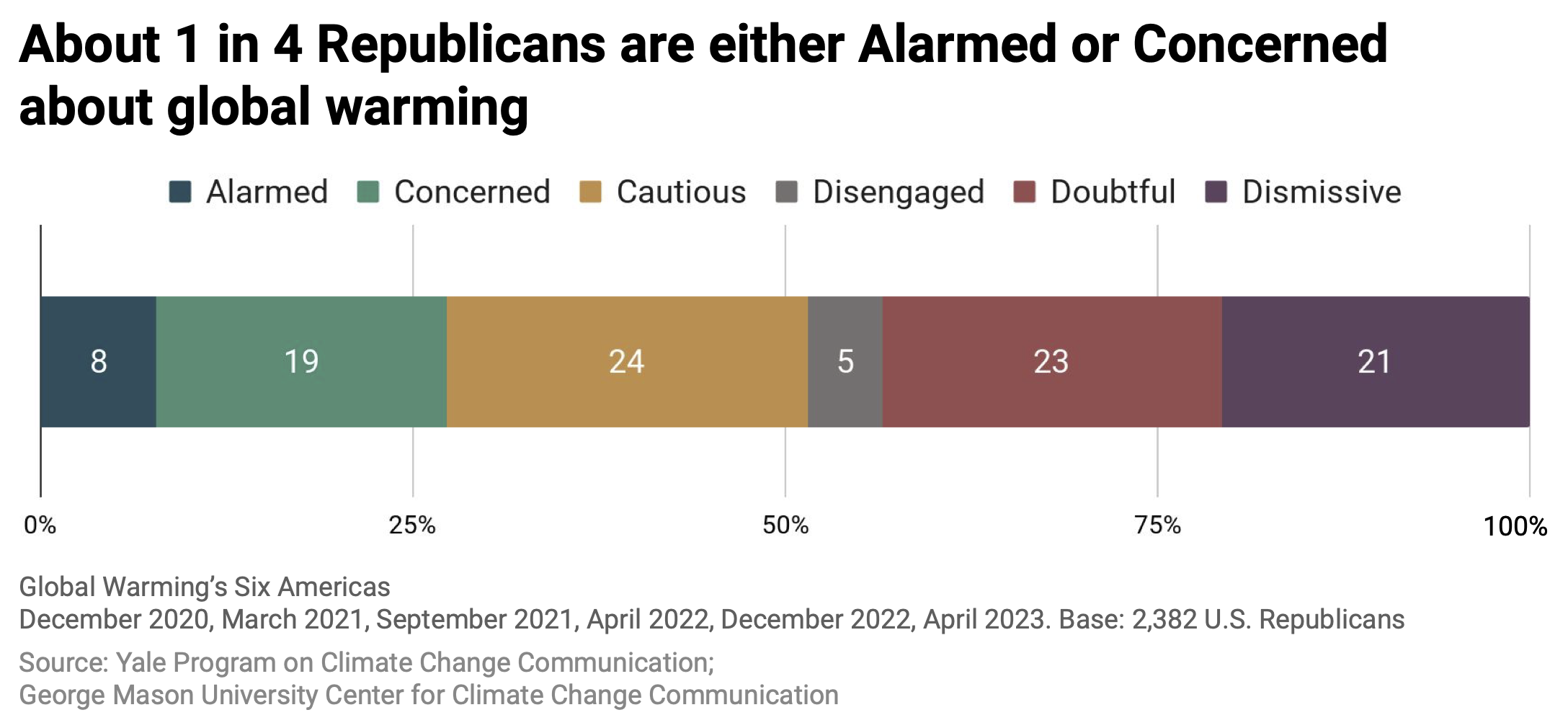
The Market-First Approach to Environmental Stewardship
At the core of Republican thought is the belief that the private sector, rather than the federal government, is best equipped to solve complex problems. When it comes to climate change, this translates to a preference for “environmental capitalism.”
Innovation Over Regulation
Republicans generally argue that heavy-handed regulations, such as those seen in the Clean Power Plan or various executive orders, act as a “hidden tax” on American families. These regulations increase the cost of energy, which in turn raises the price of consumer goods, impacting personal finance across every demographic. Instead of mandates that cap emissions or penalize traditional energy producers, the GOP emphasizes a “carrot” rather than “stick” approach. This involves creating a business environment where the financial incentive to innovate is so strong that the market naturally moves toward cleaner technologies.
The Role of Deregulation in Capital Allocation
For a Republican, climate policy is often a discussion about the regulatory burden. Excessive oversight is viewed as a barrier to entry for new energy startups. By streamlining the permitting process—particularly for domestic mining of minerals required for batteries and solar panels—conservatives argue that the U.S. can lower the cost of green tech. The financial logic is simple: if it takes ten years to permit a mine or a wind farm, the cost of capital increases, making the project less viable for investors. Deregulation is seen as a way to unlock private investment and accelerate the transition without bloating the national deficit.
Energy Independence as a Wealth Strategy
The Republican perspective on climate change is inextricably linked to the concept of energy independence. From a financial standpoint, energy independence is a hedge against global market volatility.
The Financial Case for an “All-of-the-Above” Energy Strategy
While the Democratic platform often prioritizes a rapid shift to renewables, the Republican “Money” strategy advocates for an “all-of-the-above” energy portfolio. This includes fossil fuels, nuclear power, and renewables. The rationale is rooted in diversification. Just as a sound personal investment portfolio includes a mix of assets to mitigate risk, the GOP argues that the national energy grid should rely on multiple sources to ensure low-cost, reliable power. High energy costs are viewed as a drag on business finance and a catalyst for inflation; therefore, maintaining a supply of affordable natural gas is seen as a fiscal necessity while cleaner technologies mature.
Nuclear Power and Long-Term ROI
Nuclear energy has seen a resurgence in Republican favor, primarily due to its economic profile. Unlike wind or solar, which require significant land use and battery storage to handle intermittency, nuclear provides a high-density, reliable “baseload” of power. From a business finance perspective, while the initial capital expenditure (CAPEX) for nuclear plants is high, the long-term return on investment (ROI) is significant due to the longevity of the plants and the low cost of fuel. Republicans view nuclear power as the ultimate “clean” money-maker—a way to reduce emissions without sacrificing the industrial capacity that drives the American economy.
Fiscal Policy and the Climate Legislation Paradox
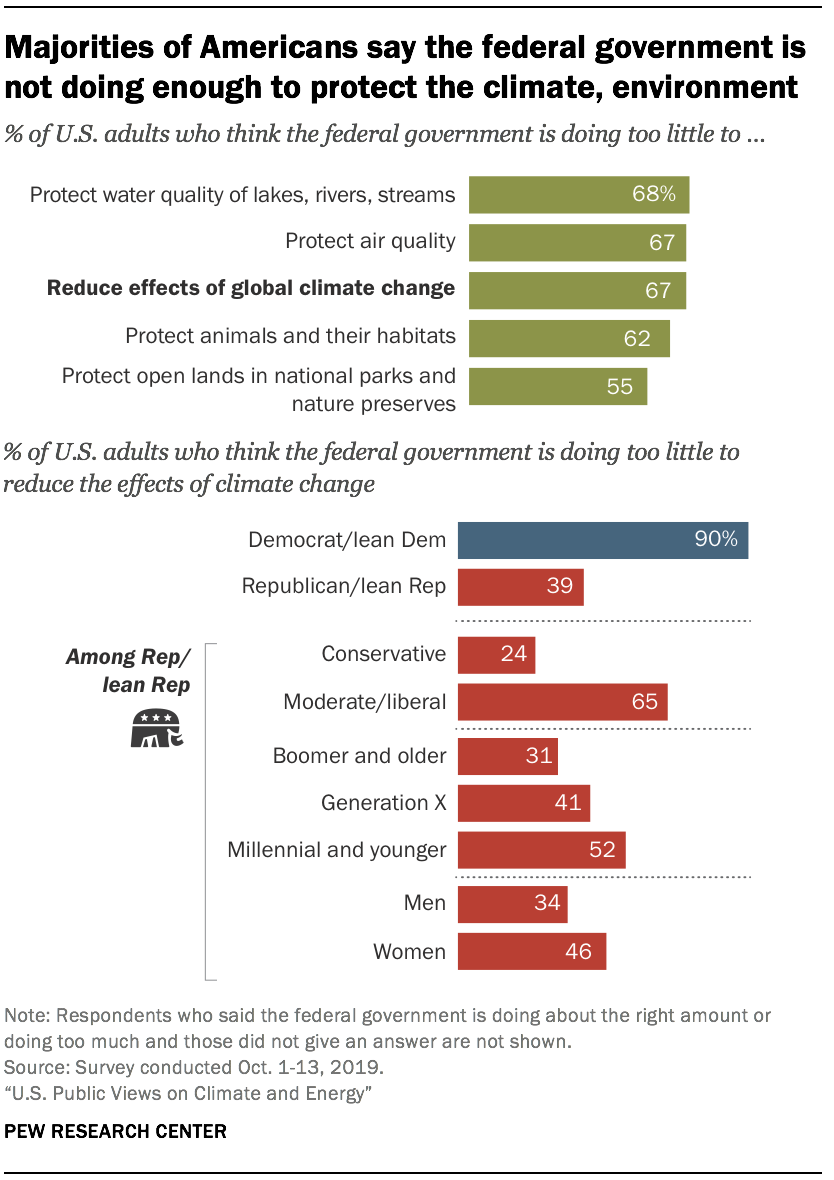
One of the most complex areas of Republican thought concerns how to pay for climate resilience and transition. The party remains staunchly opposed to a carbon tax, which many economists—even some conservative ones—once championed.
The Opposition to Carbon Taxes and Green Subsidies
A carbon tax is viewed by the majority of the GOP as a direct hit to the pockets of the American taxpayer. From a personal finance perspective, a carbon tax would increase the cost of gasoline, heating, and electricity, disproportionately affecting low-to-middle-income earners. Furthermore, many Republicans are skeptical of large-scale government subsidies, such as those found in the Inflation Reduction Act (IRA). The concern is that government “picking winners and losers” leads to market inefficiencies and the wasting of taxpayer dollars on companies that may not be financially viable in the long run.
The Paradox of the Inflation Reduction Act
Interestingly, a significant portion of the federal funding for green energy projects from recent legislation has flowed into Republican-led states and districts. This has created a fascinating economic tension. While GOP leadership may critique the spending on a national fiscal level, local Republican representatives often embrace the “Money” aspect—job creation, new manufacturing plants, and increased local tax revenue. This suggests that the Republican view on climate change is becoming increasingly pragmatic: if “green” means “growth” and “jobs” for their constituents, the ideological opposition to the spending becomes secondary to the economic benefits.
The Shifting Tide: Green Capital and the Republican Voter
As the demographic of the Republican party evolves, so too does the financial calculation regarding climate change. Younger conservatives and the business elite are viewing the “Green Transition” as a massive wealth-building opportunity.
Responding to Corporate ESG and Investor Demand
The rise of Environmental, Social, and Governance (ESG) criteria in the investing world has forced a reckoning. While some Republican politicians have launched “anti-woke” campaigns against ESG, others recognize that institutional capital is moving toward sustainability. For many conservative business leaders, the goal is to redefine “green” in a way that aligns with fiduciary duty. They argue that climate risk is a financial risk. Therefore, companies should disclose their climate exposure not because of social pressure, but because it is a matter of transparent business finance and risk management for shareholders.
The Economic Interests of Rural Constituents
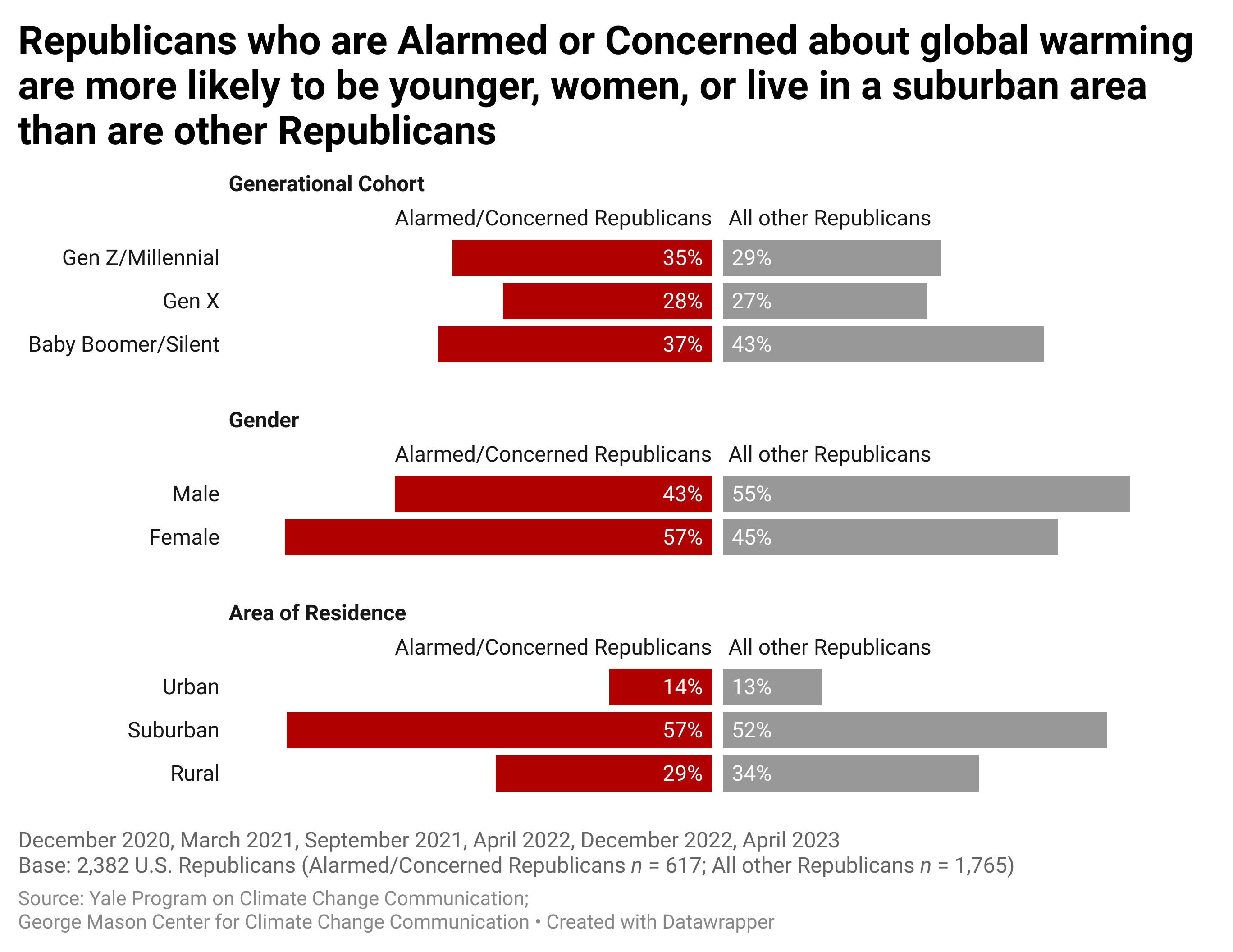
Rural areas, which form the backbone of the Republican base, stand to gain the most financially from the climate transition. Landowners can generate passive income by leasing land for wind turbines or solar arrays. Farmers are looking at “carbon farming” as a new side hustle, where they get paid for carbon sequestration practices. For the Republican politician, supporting climate-positive policies that put money directly into the pockets of farmers and rural landowners is a winning economic strategy. This is not about “saving the planet” in the abstract; it is about the “Online Income” and “Side Hustle” potential of the modern American landscape.
Global Competitiveness and the China Factor
Finally, the Republican view on climate change is heavily influenced by international trade and the protection of American industry against global competitors, particularly China.
Protecting American Industry from “Carbon Leakage”
Republicans are wary of climate policies that would drive American manufacturing overseas to countries with lower environmental standards. This concept, known as “carbon leakage,” is a major financial concern. If US firms are burdened with high compliance costs while their international competitors are not, it leads to a loss of American jobs and a trade deficit. Consequently, many Republicans are beginning to explore “Border Carbon Adjustments”—a type of tariff on imported goods from heavy-polluting countries. This aligns with a “Money” focus: using trade policy to protect domestic businesses and ensure that the transition to a cleaner economy doesn’t come at the cost of American industrial dominance.
The Race for Clean Tech Supremacy
There is a growing realization within the GOP that the next century’s wealth will be built on clean energy technology. Whether it is high-capacity batteries, hydrogen fuel, or small modular reactors, the country that leads in these technologies will reap the financial rewards. Republican thought is moving toward a strategy of “Winning the Future.” This involves strategic investments in R&D to ensure that American companies—and American investors—are the ones profiting from the global demand for low-carbon solutions.
In conclusion, what Republicans think about climate change is deeply rooted in the principles of finance and economics. It is a perspective that prioritizes the national debt, the cost of living, and the competitive edge of American businesses. By focusing on market-driven innovation, energy diversification, and fiscal responsibility, the GOP seeks to navigate the climate challenge in a way that preserves the economic prosperity of the United States. For the conservative, the most effective “green” policy is one that keeps the American economy in the black.
aViewFromTheCave is a participant in the Amazon Services LLC Associates Program, an affiliate advertising program designed to provide a means for sites to earn advertising fees by advertising and linking to Amazon.com. Amazon, the Amazon logo, AmazonSupply, and the AmazonSupply logo are trademarks of Amazon.com, Inc. or its affiliates. As an Amazon Associate we earn affiliate commissions from qualifying purchases.