
In the competitive landscape of corporate identity and marketing, color is far more than a visual preference; it is a psychological tool. Among the spectrum of choices available to brand strategists, orange occupies a unique and often polarizing space. It is a color of high energy, visibility, and enthusiasm. However, because of its inherent intensity, the success of an orange-based brand identity depends almost entirely on its supporting palette.
Understanding what color matches orange is essential for designers and brand managers looking to evoke specific consumer emotions while maintaining professional legibility. Whether you are aiming for the luxury of a high-end fashion house or the disruptive energy of a tech startup, the strategic pairing of orange determines whether a brand feels sophisticated or amateurish.

The Psychology of Orange in Modern Branding
Before identifying the ideal pairings, one must understand the strategic value of orange itself. Positioned between the aggressive energy of red and the cheerful optimism of yellow, orange is a color that demands attention without the “stop” or “danger” connotations often associated with red.
Evoking Energy and Innovation
In the context of brand strategy, orange is frequently utilized by companies that want to signal innovation and a “maverick” spirit. It suggests a brand that is approachable yet confident. Unlike blue, which often communicates stability and tradition, orange communicates movement. This is why it is a favorite for brands centered around fitness, logistics, and creative services. When a brand chooses orange, it is making a statement about its vitality and its desire to stand out in a saturated market.
The Balance of Playfulness and Professionalism
One of the greatest challenges in using orange is avoiding the “budget” or “discount” perception. Historically, orange has been used for clearance signage and low-cost retailers. However, when paired correctly, it transitions into a symbol of high-end creativity or industrial strength. The goal for a brand strategist is to harness the color’s natural friendliness while grounding it with a secondary palette that ensures the brand is taken seriously.
Strategic Color Pairing: Finding the Perfect Match for Orange
The question of what color matches orange is best answered through the lens of color theory—specifically the relationships on the color wheel. Each pairing creates a different brand “personality” and targets a specific consumer demographic.
High Contrast: The Bold Blue Complement
On the color wheel, blue is the direct complement to orange. This is arguably the most powerful pairing in brand design. Because they sit opposite each other, they provide the highest level of visual contrast, which creates a sense of vibrancy and balance.
- Brand Impact: This combination feels “complete.” The coolness of blue tempers the heat of orange.
- Applications: This is widely seen in the tech and media sectors. Think of the iconic Firefox logo or the Gulf Oil brand. It suggests reliability (blue) fueled by energy (orange). For a brand looking to appear established yet forward-thinking, a deep navy paired with a burnt orange is a sophisticated choice.
Sophisticated Neutrals: White, Grey, and Charcoal
For brands that want orange to be the hero without overwhelming the viewer, neutrals are the essential “anchors.”
- White and Orange: This creates a clean, modern, and youthful look. It is often used in the healthcare and wellness industries to signal freshness.
- Charcoal and Orange: This is the pinnacle of modern corporate sophistication. Dark grey or charcoal provides a “tech-forward” backdrop that makes orange accents pop with professional precision. It moves the brand away from the playfulness of bright orange and toward a more industrial, “pro-grade” aesthetic.
Warm Harmonies: Reds, Yellows, and Terracotta
Using an analogous color scheme—colors that sit next to each other on the wheel—creates an organic and harmonious feel.
- Terracotta and Earth Tones: By muting orange into a terracotta or rust shade and pairing it with browns or deep greens, a brand can tap into the “natural” and “artisan” market. This is highly effective for organic food brands or sustainable apparel.
- The Sunset Palette: Mixing orange with deep reds and golden yellows creates a sense of warmth and comfort. While less common in high-tech corporate branding, it is exceptionally effective in the hospitality and food and beverage industries.
Case Studies: Iconic Brands That Own the Orange Palette
To understand how these pairings function in the real world, we must look at global leaders who have successfully claimed orange as a core component of their corporate identity.
Luxury and Exclusivity: The Hermes Story
Perhaps the most famous use of orange in the luxury sector is Hermes. Their specific shade, Orange H, was born out of necessity during World War II when other packaging materials were unavailable. Today, it is a global symbol of extreme wealth and exclusivity.
The secret to the Hermes success is the pairing. Hermes matches its orange with chocolate brown and cream. This removes the “loudness” of the orange and replaces it with a sense of heritage and leather-bound luxury. It proves that orange, when framed by the right secondary colors, can compete with the most prestigious blacks and golds in the luxury market.
Innovation and Disruption: The Tech and Media Approach
In the digital space, brands like Nickelodeon and HubSpot use orange to signify disruption and accessibility.
- Nickelodeon: Paired with white and playful shapes, orange signals a child-centric, high-energy environment.
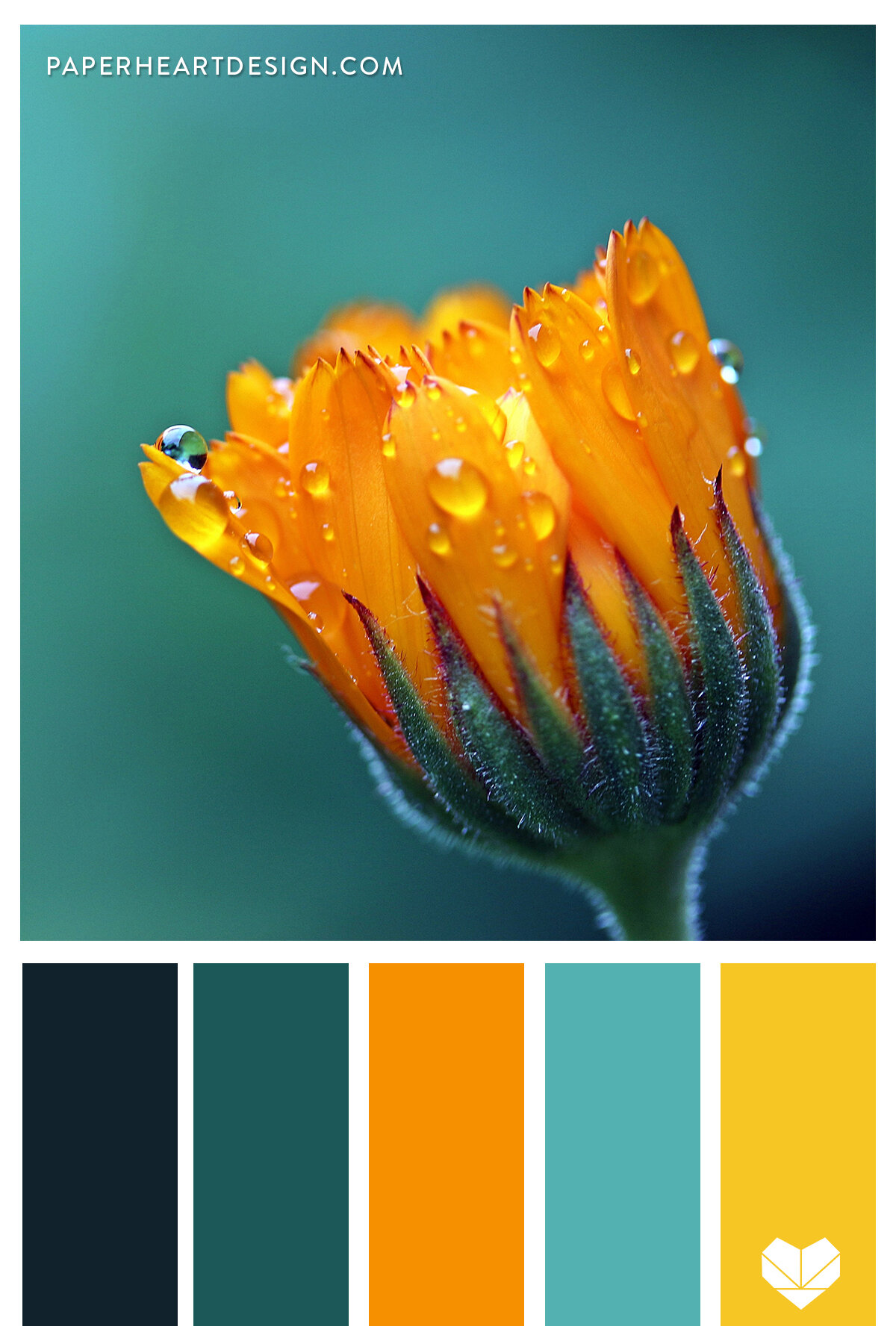
- HubSpot: As a B2B SaaS giant, HubSpot uses orange to stand out against a sea of “SaaS Blue.” By pairing it with dark teals and clean whites, they communicate that their software is powerful (the dark accents) but easy to use and human-centric (the orange).
Implementing Orange Across Brand Touchpoints
Deciding on a color match is only the first step. A brand strategist must ensure that the orange palette translates effectively across various digital and physical mediums.
Digital Presence and UI Considerations
In web design and app development, orange is one of the most effective colors for “Call to Action” (CTA) buttons. However, it requires careful management regarding accessibility.
- Contrast Ratios: Orange can be difficult to read when paired with white text. To meet WCAG (Web Content Accessibility Guidelines) standards, designers often match orange with dark text or use a deeper, more “burnt” shade of orange to ensure visibility.
- Micro-interactions: In a professional digital interface, orange is often used sparingly—for notifications or active states—ensuring that the user’s eye is drawn to the most important information without causing visual fatigue.
Print, Packaging, and Physical Branding
The way orange looks on a backlit screen is vastly different from how it appears on cardboard or fabric.
- The Pantone Factor: Achieving a consistent orange in print is notoriously difficult. Brand managers must specify exact Pantone swatches to avoid the orange looking “muddy” or “neon” in physical formats.
- Materiality: The color match changes based on texture. A matte orange on a business card feels sophisticated, while a glossy orange on plastic can feel cheap. Strategic branding involves matching the color to the physical substrate of the product.
Avoiding Pitfalls: When Orange Fails in Branding
Despite its strengths, orange is a high-risk color. If the secondary color match is poorly chosen, the brand can suffer from negative associations.
Cultural Context and Global Sensitivity
In Western cultures, orange is often linked to autumn or safety gear. However, in the Middle East, it can be associated with mourning, while in parts of Southeast Asia, it is a sacred color worn by monks. A global brand must research what color matches orange in the specific cultural context of their target market. For instance, pairing orange with black in the United States carries a strong “Halloween” connotation that may not be appropriate for a financial services firm.

Over-Saturation and Visual Fatigue
The “less is more” rule is vital when working with orange. Overusing the color can lead to visual aggression, driving customers away rather than inviting them in. Professional brand identity systems usually utilize orange as an “accent” or “secondary” brand color rather than the primary background. By matching orange with a dominant neutral (like 60% white, 30% grey, and 10% orange), a brand maintains its energy without exhausting its audience.
In conclusion, the question of what color matches orange is a strategic pivot point for any brand. Whether it is the high-contrast professionality of blue, the grounded sophistication of charcoal, or the heritage-rich brown of luxury goods, the secondary colors you choose will define your brand’s voice. When executed with precision, orange is not just a color—it is a competitive advantage.
aViewFromTheCave is a participant in the Amazon Services LLC Associates Program, an affiliate advertising program designed to provide a means for sites to earn advertising fees by advertising and linking to Amazon.com. Amazon, the Amazon logo, AmazonSupply, and the AmazonSupply logo are trademarks of Amazon.com, Inc. or its affiliates. As an Amazon Associate we earn affiliate commissions from qualifying purchases.