
For decades, the global technology narrative was dominated by Silicon Valley. However, a seismic shift has occurred over the last ten years, redirecting the flow of capital, talent, and innovation toward the Southern United States. At the heart of this migration is Texas. Known historically for its dominance in the energy and agricultural sectors, the Lone Star State has successfully rebranded itself as the “Silicon Prairie.”
The transformation of Texas into a premier tech destination is not a fluke of geography; it is the result of a deliberate convergence of business-friendly policies, world-class educational institutions, and a relatively low cost of living compared to coastal hubs. Today, when one asks “what cities are in Texas,” the answer is increasingly defined by digital infrastructure, software development, and aerospace engineering. This article explores the primary cities driving the Texas tech revolution, examining how each municipality contributes to a diverse and resilient technological ecosystem.

Austin: The Epicenter of the Texas Tech Renaissance
Austin is the undisputed crown jewel of the Texas tech scene. Often referred to as “Silicon Hills” due to its rolling terrain and high concentration of semiconductor and software companies, Austin has transitioned from a quirky college town into a global tech powerhouse.
The “Silicon Hills” Phenomenon
The origins of Austin’s tech identity can be traced back to the arrival of IBM in the 1960s and the founding of Dell Technologies in a University of Texas dorm room in the 1980s. Since then, the city has become a magnet for blue-chip tech giants. The recent relocation of Tesla’s global headquarters and the massive expansion of Apple’s campus have solidified Austin’s status as the primary alternative to the San Francisco Bay Area. These “anchor tenants” provide a stable foundation for the economy, attracting a secondary tier of service providers and specialized talent.
Startups, AI, and Software Innovation
Beyond the giants, Austin is a breeding ground for early-stage startups. The city consistently ranks among the top in the nation for venture capital investment per capita. The presence of the University of Texas at Austin provides a steady pipeline of engineering and computer science graduates, many of whom fuel the city’s growing Artificial Intelligence (AI) and Machine Learning (ML) sectors. The annual South by Southwest (SXSW) Interactive festival further serves as a global stage, where nascent software tools and digital trends are debuted to an international audience.
Dallas-Fort Worth: The Hub of Telecommunications and Enterprise Infrastructure
While Austin captures much of the media spotlight, the Dallas-Fort Worth (DFW) metroplex represents the “heavy lifting” of the Texas tech economy. DFW is a massive urban sprawl that serves as a central node for telecommunications, cybersecurity, and enterprise-level IT services.
The Telecom Corridor
Located primarily in the suburb of Richardson, the “Telecom Corridor” is one of the most significant concentrations of technology companies in the world. This area is home to thousands of companies involved in telecommunications, networking, and semiconductor manufacturing. Giants like Texas Instruments, Ericsson, and Verizon maintain a massive footprint here. The focus in Dallas is often on the physical and digital infrastructure that allows the rest of the world to stay connected—hardware, 5G networking, and high-speed data transmission systems.
Cybersecurity and FinTech Clusters
As a corporate headquarters hub, Dallas has naturally evolved into a center for Financial Technology (FinTech) and Cybersecurity. With dozens of Fortune 500 companies based in the metroplex, the demand for robust digital security and specialized financial software is immense. This has led to a burgeoning ecosystem of security firms and data centers. The region’s connectivity—both in terms of its international airport and its fiber-optic density—makes it an ideal location for mission-critical IT operations and cloud computing hubs.
Houston: Revolutionizing Energy-Tech and Aerospace
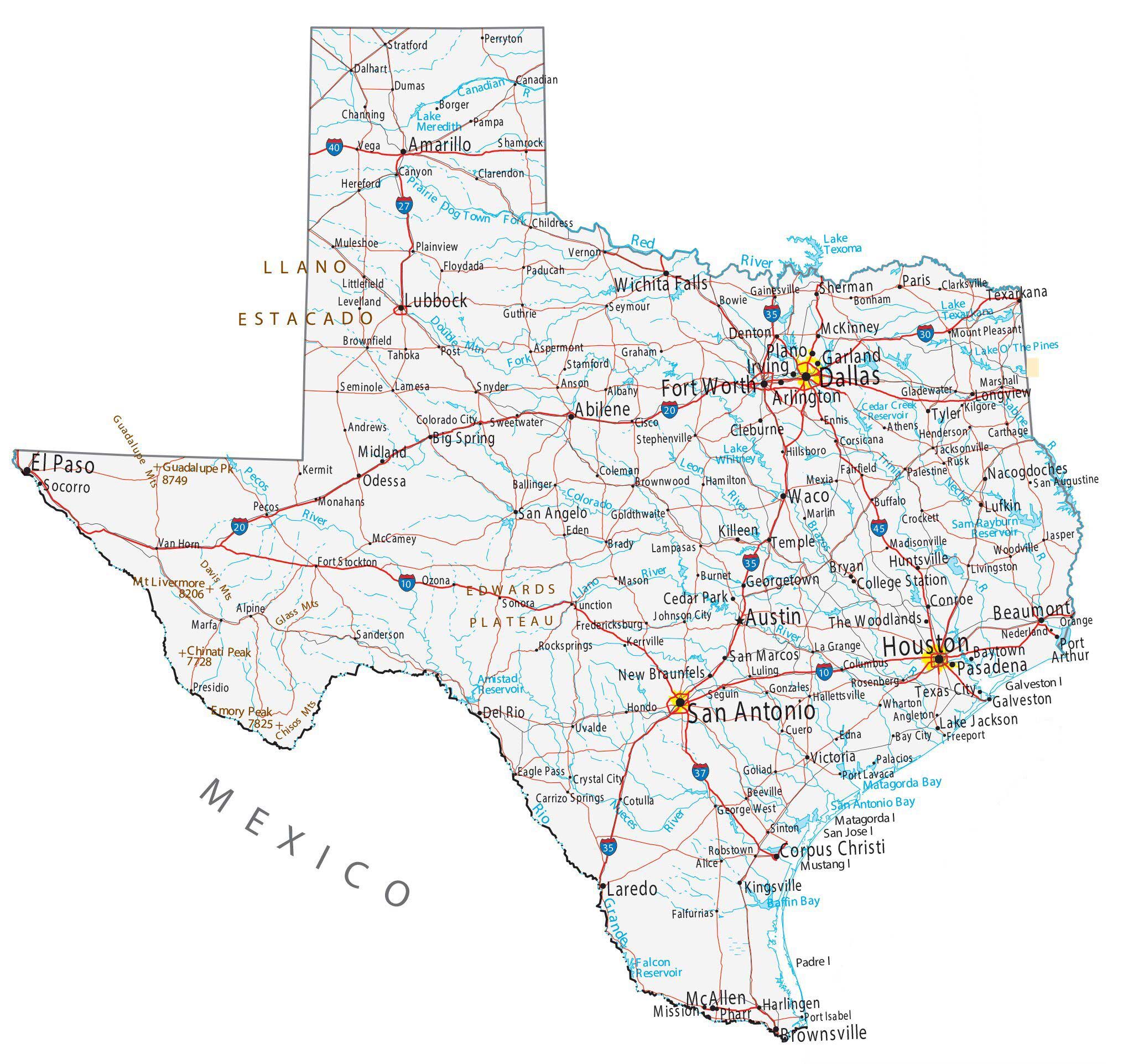
Houston is the fourth-largest city in the United States, and its technological contributions are as vast as its footprint. Traditionally known as the “Energy Capital of the World,” Houston is currently undergoing a digital transformation that is bridging the gap between legacy industrialism and future-tech.
The Digital Transformation of the Energy Sector
The “Energy Transition” is perhaps the most significant technological challenge of the 21st century, and Houston is at the center of it. The city is no longer just about oil and gas; it is the global leader in “ClimateTech” and “CleanTech.” Startups and established firms alike are utilizing AI, IoT (Internet of Things), and advanced robotics to optimize energy efficiency and develop carbon-capture technologies. The Houston Ion, a massive innovation hub, serves as a collaborative space where tech startups work alongside corporate giants to digitize the global energy supply chain.
Space City 2.0: Robotics and Aerospace Engineering
Houston’s identity is inextricably linked to NASA’s Johnson Space Center. This heritage has fostered a unique niche in aerospace technology and robotics. As the private space race accelerates, companies like Axiom Space and Intuitive Machines are leveraging Houston’s specialized workforce to develop the next generation of lunar landers and commercial space stations. The technological spillover from aerospace—such as advanced materials science and remote sensing—frequently finds applications in terrestrial sectors, further diversifying Houston’s tech portfolio.
San Antonio: A Global Leader in Digital Security and Cloud Computing
San Antonio offers a unique blend of military heritage and cutting-edge digital defense. Often overshadowed by its neighbor to the north (Austin), San Antonio has quietly built one of the most specialized and essential tech ecosystems in the country.
Military-Driven Cybersecurity Innovation
San Antonio is home to a massive concentration of military installations, including the headquarters of the Air Force Cyber Command. This federal presence has catalyzed the growth of a private-sector cybersecurity cluster that is second only to Washington, D.C. The city’s “Port San Antonio” is a dedicated technology campus where military, academia, and private industry collaborate on national security technologies. This environment has produced a highly skilled workforce specialized in cryptography, threat detection, and digital forensics.
Growth in Data Centers and Managed Services
Due to its stable geography (low risk of natural disasters) and affordable power, San Antonio has become a preferred destination for large-scale data centers. Companies like Microsoft and Amazon have invested billions in local server farms. This infrastructure supports a growing sector of Managed Service Providers (MSPs) and cloud computing firms. San Antonio’s tech growth is characterized by its stability and its focus on the “back-end” technologies that protect and power the modern internet.
The Future of Emerging Tech Hubs: From El Paso to Round Rock
The decentralization of technology in Texas is not limited to the “Big Four” cities. The state’s pro-innovation climate is trickling down into mid-sized cities and suburban areas, creating a multi-polar tech landscape.
Supply Chain Technology and Smart Logistics
El Paso, situated on the border with Mexico, is becoming a vital hub for “LogisticsTech.” As companies look to “near-shore” their manufacturing, El Paso is utilizing AI-driven supply chain software and automated border-crossing technologies to manage the flow of goods. Similarly, Laredo is seeing an influx of digital platforms aimed at revolutionizing international trade and freight management.
The Suburbanization of Tech
Cities like Round Rock and Plano are no longer just “bedroom communities.” Round Rock is synonymous with Dell Technologies and is seeing an increase in health-tech and biotechnology firms. Plano, as part of the DFW metroplex, has become a hub for the digital transformation of the automotive industry, hosting Toyota’s North American headquarters and its associated research and development arms.
Conclusion: The Texas Tech Blueprint
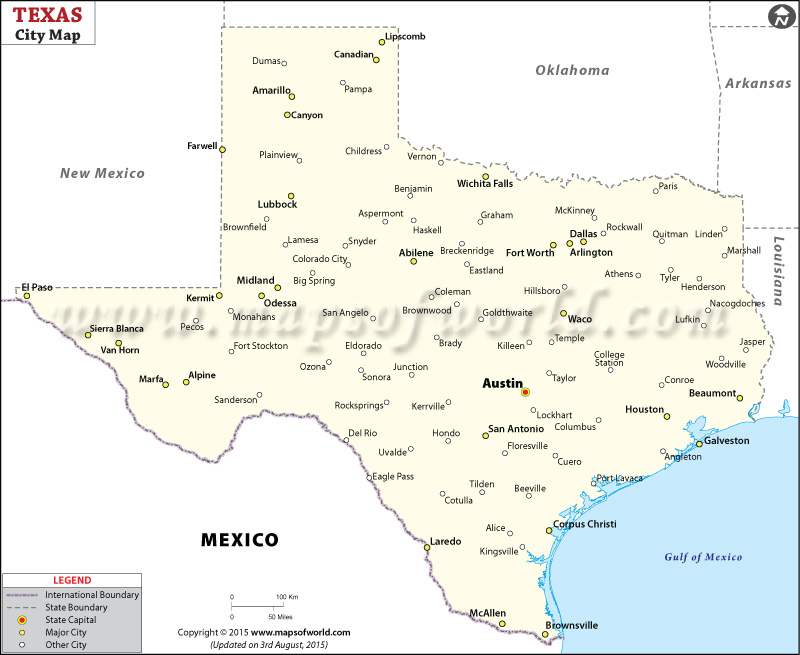
The question of “what cities are in Texas” yields a complex map of technological specialization. From Austin’s software and AI dominance to Houston’s aerospace and energy innovations, and from Dallas’s infrastructure strength to San Antonio’s security focus, the state offers a comprehensive tech value chain.
Texas has successfully leveraged its traditional industrial strengths to build a forward-looking digital economy. By providing a fertile ground for both $100-billion corporations and garage-based startups, the state has ensured that its economic future is written in code. As the “Silicon Prairie” continues to expand, these cities will remain at the forefront of global technological discourse, proving that the next great era of innovation is firmly rooted in the Lone Star State.
aViewFromTheCave is a participant in the Amazon Services LLC Associates Program, an affiliate advertising program designed to provide a means for sites to earn advertising fees by advertising and linking to Amazon.com. Amazon, the Amazon logo, AmazonSupply, and the AmazonSupply logo are trademarks of Amazon.com, Inc. or its affiliates. As an Amazon Associate we earn affiliate commissions from qualifying purchases.