
The concept of a “church year”—a cyclical calendar of seasons, feasts, and fasts—has traditionally been a matter of printed lectionaries and ancient scrolls. However, as we move further into the 21st century, the answer to the question “What church year are we in?” is increasingly found not in a physical book, but within a complex digital ecosystem. For the modern technologist and the digital-native institution, the church year is no longer just a theological concept; it is a data-driven framework that requires sophisticated software, cloud-based infrastructure, and innovative user interfaces to manage.
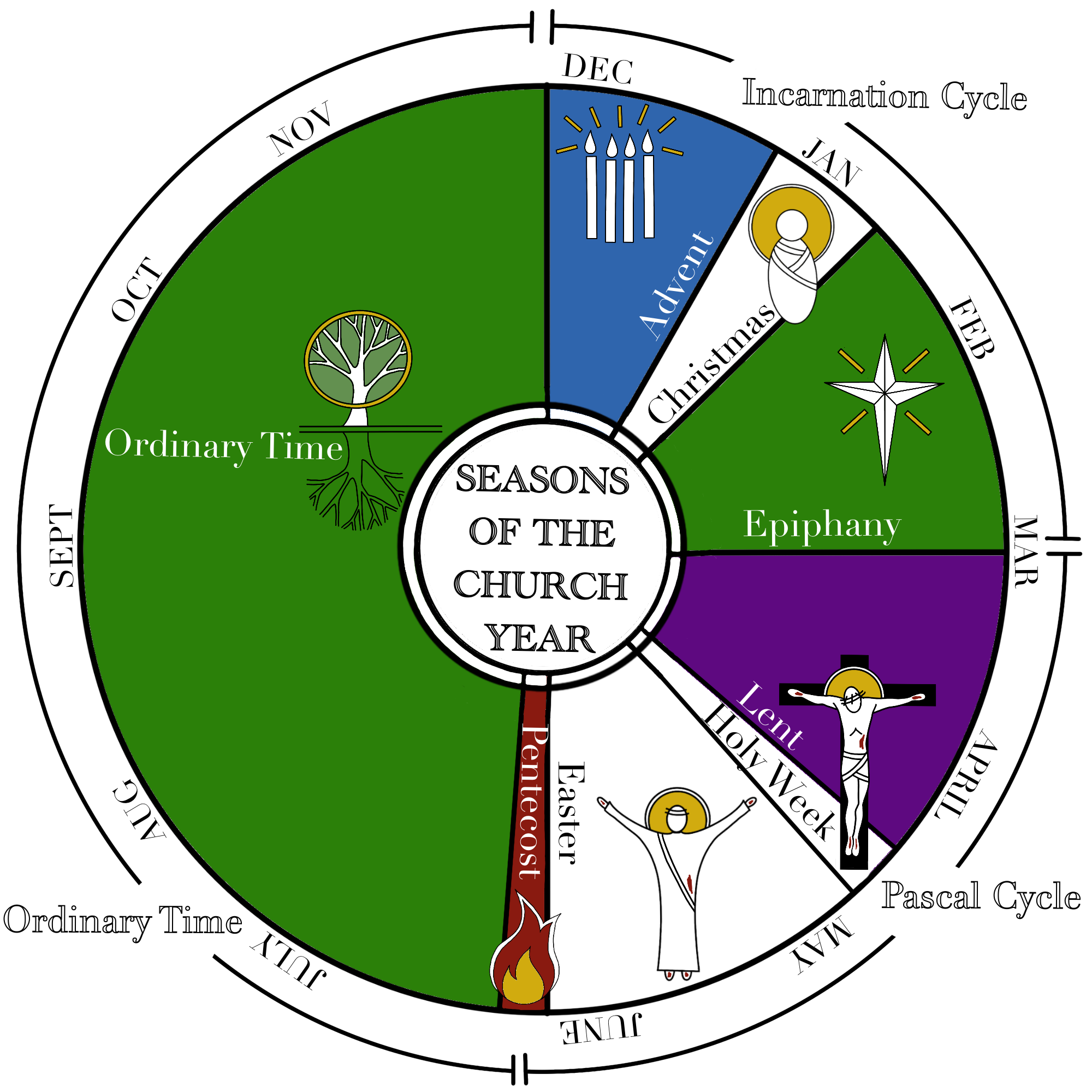
In the current tech landscape, the intersection of ancient tradition and modern innovation has birthed a specialized sector of software development. From AI-driven liturgical planning to the cybersecurity of parishioner data, the digital church year represents a unique challenge in information architecture and digital engagement.
Digitizing the Liturgical Cycle: The Software Perspective
At its core, the liturgical calendar is a complex algorithm. Unlike the standard Gregorian calendar, the church year fluctuates based on astronomical calculations—most notably the date of Easter, which dictates the start of Lent, the timing of Pentecost, and the length of “Ordinary Time.” For software developers, creating a reliable liturgical engine requires deep logic and precise coding.
SaaS Platforms for Church Management Systems (ChMS)
The rise of Software as a Service (SaaS) has revolutionized how religious organizations track their calendar. Modern Church Management Systems (ChMS) like Planning Center, Pushpay, or Breeze are designed to handle the heavy lifting of the church year. These platforms offer integrated modules that synchronize the liturgical season with every other aspect of the organization’s digital life.
When a church asks “What year are we in?”—referring to the three-year lectionary cycle (Year A, B, or C)—the ChMS automatically updates the asset library for the creative team, pushes the correct scripture readings to the mobile app, and adjusts the volunteer scheduling templates to account for high-capacity events like Christmas or Easter. This automation reduces human error and ensures that the digital presence of the organization remains synchronized with its physical practice.
API Integration for Multi-Platform Calendar Syncing
Connectivity is the hallmark of modern technology. A digital liturgical calendar is useless if it exists in a silo. Today’s tech-forward religious institutions utilize APIs (Application Programming Interfaces) to ensure that the church year is reflected across all digital touchpoints. This includes syncing the main website’s CMS (Content Management System) with social media schedulers and digital signage within the physical building.
By using Webhooks and RESTful APIs, developers can create a seamless flow of information. For instance, when the liturgical season shifts from the purple of Advent to the white of Christmastide, the CSS (Cascading Style Sheets) of the organization’s website can automatically update its color palette, and the automated email marketing system can trigger specific “seasonal” drip campaigns. This level of technical cohesion ensures a consistent user experience (UX) for the congregant.
AI and the Predictive Church Year
The emergence of Generative AI and Large Language Models (LLMs) has introduced a new layer of sophistication to the liturgical cycle. We are currently in an era where artificial intelligence is not just a tool for automation but a partner in content creation and strategic planning.
Machine Learning in Sermon Preparation and Liturgical Planning
Pastors and educators are increasingly utilizing AI tools to navigate the church year. By leveraging LLMs trained on vast theological libraries, leaders can input the current liturgical date and receive a synthesis of historical commentaries, cross-referenced scripture passages, and thematic suggestions.
From a technical standpoint, this involves “Prompt Engineering” tailored to specific denominations. Developers are building specialized AI wrappers that understand the nuances of the church year—knowing, for example, that the themes of Year B focus heavily on the Gospel of Mark. This allows for the rapid generation of curriculum and study guides that are technically accurate and contextually relevant, saving hundreds of hours of manual research.
Data Analytics for Seasonal Attendance Trends
Data is the lifeblood of modern tech strategy. By analyzing historical data through machine learning algorithms, organizations can predict attendance spikes and troughs based on the church year cycle. Predictive analytics tools can ingest five years of attendance data and correlate it with the liturgical calendar to provide heat maps of expected engagement.
For IT departments, this data is crucial for resource allocation. If the analytics suggest a 400% increase in web traffic during the first week of Lent, the tech team can scale their cloud server capacity (via AWS or Azure) to ensure zero downtime. This proactive approach to “seasonal scaling” is a hallmark of a digitally mature organization.

Digital Security and Privacy in Sacred Spaces
As the church year becomes more digitized, the surface area for potential cyber threats increases. Managing a “digital church year” means handling vast amounts of sensitive personal data, from financial contributions to confidential prayer requests. Digital security is no longer an afterthought; it is a central pillar of the ecclesiastical tech stack.
Protecting Sensitive Parishioner Data in a Connected World
The transition between different segments of the church year often involves large-scale registration events (e.g., summer camps, holiday giving drives, or mission trips). These events are prime targets for data breaches. Implementing robust cybersecurity protocols, such as AES-256 encryption for data at rest and TLS 1.3 for data in transit, is essential.
Furthermore, Multi-Factor Authentication (MFA) has become a standard requirement for staff accessing church management software. As we navigate the current year’s digital landscape, the focus has shifted toward “Zero Trust” architecture, where every access request is verified, regardless of whether it originates inside or outside the network perimeter. Protecting the privacy of the individual is a technical manifestation of the ethical duty of the institution.
Blockchain and the Future of Immutable Religious Records
While still in its nascent stages, blockchain technology offers an intriguing solution for record-keeping within the church year. Traditionally, records of baptisms, weddings, and confirmations—often tied to specific dates in the liturgical calendar—were kept in physical ledgers. These are susceptible to fire, flood, or loss.
By utilizing a decentralized ledger (blockchain), these “life event” records can be stored immutably. This ensures that a record of a sacrament performed in “Year A” remains accessible and unalterable for decades, regardless of changes in local leadership or physical infrastructure. This application of Distributed Ledger Technology (DLT) provides a level of data integrity that was previously impossible.
The Mobile Revolution: Faith in the Pocket
In the current tech era, the answer to “What church year are we in?” is most frequently answered by a push notification. The mobile app ecosystem has become the primary interface through which individuals engage with the liturgical cycle.
App Ecosystems for the Modern Believer
Development frameworks like React Native and Flutter have made it easier for religious organizations to deploy high-quality, cross-platform mobile apps. These apps serve as a 24/7 digital companion. Features like “Daily Office” readings, interactive Advent calendars, and integrated tithing modules allow the liturgical year to permeate the daily life of the user.
From a UX/UI perspective, the challenge is to present the depth of the church year without overwhelming the user. This is achieved through “progressive disclosure”—showing only the most relevant information for the current day while allowing deeper dives into the liturgical season for those who seek it. Gamification elements, such as “streaks” for daily reading or badges for completing a Lenten fast, are also being integrated to drive user retention and engagement.
Virtual and Augmented Reality in Liturgical Experiences
As we look toward the future of the church year, Virtual Reality (VR) and Augmented Reality (AR) are beginning to play a role. For those unable to attend physical gatherings, VR environments offer a way to participate in liturgical ceremonies in a fully immersive 3D space.
AR, on the other hand, can enhance the physical experience. Imagine a congregant pointing their smartphone at a church’s stained-glass window and seeing an AR overlay that explains the hagiography of the saint depicted, or provides the specific prayers for that day of the church year. This “Phygital” (Physical + Digital) approach bridges the gap between the ancient stone walls of a cathedral and the cutting-edge capabilities of modern hardware.

Conclusion: The Synergy of Tradition and Technology
The question “What church year are we in?” is a bridge between the past and the future. From a technology standpoint, the liturgical calendar provides a robust framework for testing the limits of software automation, AI integration, and digital security. As we continue to refine the tools that track and celebrate these ancient rhythms, we find that technology does not replace the tradition; rather, it provides a new, scalable architecture for its expression.
In this digital age, being “in” a church year means being part of a global, connected network that utilizes the best of modern tech to honor the timeless cycles of human experience. Whether through a ChMS update, an AI-generated study, or a VR liturgy, the tech world has ensured that the church year is more accessible, secure, and engaging than ever before.
aViewFromTheCave is a participant in the Amazon Services LLC Associates Program, an affiliate advertising program designed to provide a means for sites to earn advertising fees by advertising and linking to Amazon.com. Amazon, the Amazon logo, AmazonSupply, and the AmazonSupply logo are trademarks of Amazon.com, Inc. or its affiliates. As an Amazon Associate we earn affiliate commissions from qualifying purchases.