
In the landscape of American labor economics, Idaho remains a point of significant interest for financial analysts, business owners, and employees alike. As one of the fastest-growing states in the nation, Idaho’s economic health is often viewed through the lens of its population boom and its burgeoning tech and agricultural sectors. However, at the foundation of its fiscal policy lies a critical number that dictates the financial reality for thousands of workers: the minimum wage. Currently, the state of Idaho adheres to the federal minimum wage standard, but the implications of this fixed rate extend far beyond a simple hourly figure. Understanding the nuances of this wage, the exceptions permitted by law, and the relationship between earnings and the cost of living is essential for anyone navigating the Gem State’s economy.
Understanding the Current Minimum Wage Landscape in Idaho
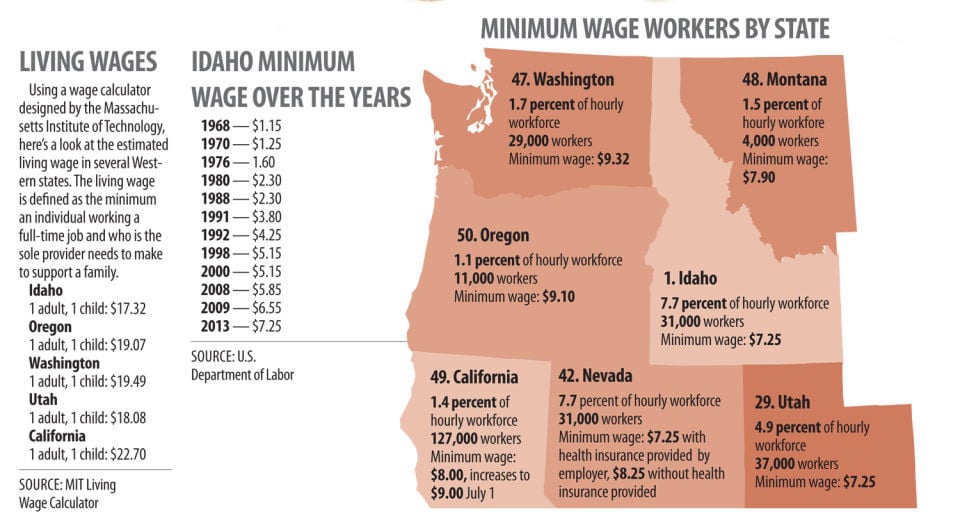
The most direct answer to the question of Idaho’s minimum wage is $7.25 per hour. This figure is not unique to Idaho; it mirrors the federal minimum wage established by the United States government under the Fair Labor Standards Act (FLSA). Unlike many of its neighbors in the Pacific Northwest and the Mountain West, Idaho has chosen not to enact a state-specific minimum wage that exceeds the federal requirement.
The Federal Floor: Why Idaho Aligns with the National Standard
Idaho’s decision to remain at the $7.25 threshold is a reflection of its conservative fiscal philosophy, which generally prioritizes a free-market approach to wage determination. By aligning with the federal floor, Idaho lawmakers argue that they are creating a business-friendly environment that encourages entrepreneurship and reduces the overhead costs for small businesses. For personal finance enthusiasts, this means that the “floor” of the economy has remained static for over a decade, as the last federal increase occurred in July 2009.
Historical Context: The Last Time the Wage Was Raised
To understand the current financial climate, one must look back at the trajectory of Idaho’s wage laws. Before 2007, the state often trailed or just met the federal requirements. When the federal government passed the Fair Minimum Wage Act of 2007, it mandated a three-step increase that culminated in the $7.25 rate we see today. Since 2009, while the cost of consumer goods, housing, and healthcare has risen significantly, the nominal minimum wage in Idaho has remained untouched. This stagnation is a frequent topic of debate in business finance circles, as it creates a widening gap between “nominal wages” (the dollar amount on a paycheck) and “real wages” (the actual purchasing power of those dollars).
Exceptions and Special Provisions to the Standard Rate
While $7.25 is the general rule, the financial reality is more complex due to various legal exceptions. Idaho law allows for several sub-minimum wage categories that affect specific demographics and industries. These exceptions are crucial for business owners to understand for compliance and for employees to understand for financial planning.
Tipped Employees and the “Tip Credit” Mechanism
One of the most significant deviations from the $7.25 rate applies to the service industry. In Idaho, the minimum wage for tipped employees—such as servers, bartenders, and certain hospitality staff—is $3.35 per hour. This is permissible under the “tip credit” provision, which allows employers to count an employee’s tips toward the state’s minimum wage obligations. However, there is a financial safeguard: if an employee’s hourly wage ($3.35) plus their earned tips do not equal at least $7.25 per hour, the employer is legally required to make up the difference. From a personal finance perspective, this creates high income volatility for service workers, making budgeting and credit applications more challenging.
The Youth Training Wage and Student Exceptions
Idaho also utilizes a “Training Wage” for younger workers. Employers are permitted to pay employees under the age of 20 a lower rate of $4.25 per hour during their first 90 consecutive calendar days of employment. This policy is intended to encourage businesses to hire entry-level workers who may lack experience, providing a lower-risk entry point for the employer. Additionally, there are specific exemptions for full-time students working in certain capacities and for individuals in specific agricultural or domestic roles. Understanding these tiers is vital for families helping teenagers enter the workforce or for small business owners calculating their quarterly labor costs.
Overtime Pay and Exempt Status Under Idaho Law
The conversation regarding minimum wage is inextricably linked to overtime. In Idaho, non-exempt employees who work more than 40 hours in a workweek must be compensated at a rate of one and one-half times their regular rate of pay. For a minimum wage worker, this “time-and-a-half” rate is $10.88 per hour. However, many workers fall into “exempt” categories—often those in professional, administrative, or executive roles who earn a salary above a certain threshold. Navigating the line between hourly and salaried status is a core component of business finance and labor law compliance in the state.
The Intersection of Minimum Wage and Idaho’s Cost of Living
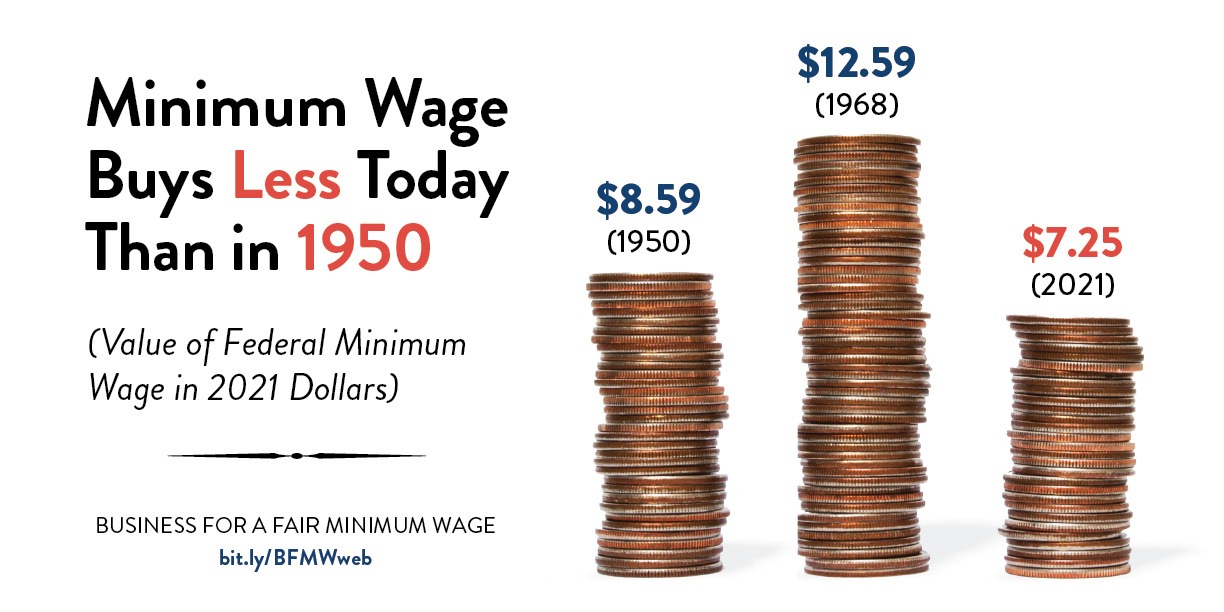
In the world of personal finance, the absolute value of a wage matters less than its relationship to local expenses. This is where the debate over Idaho’s minimum wage becomes most intense. As the state’s population has surged—particularly in the Treasure Valley—the cost of living has outpaced wage growth for the bottom tier of earners.
Housing Affordability and the “Living Wage” Gap
The most significant financial pressure on Idahoans today is housing. In cities like Boise, Meridian, and Coeur d’Alene, home prices and rental rates have seen double-digit percentage increases in recent years. For an individual working 40 hours a week at the $7.25 minimum wage, the gross monthly income is approximately $1,256 before taxes. Given that the average rent for a one-bedroom apartment in Boise often exceeds $1,300, a single minimum-wage income is mathematically insufficient to cover basic housing, let alone utilities, food, and transportation. This “living wage gap” is a primary driver behind the push for local or state-wide wage increases.
Regional Disparities: Boise vs. Rural Idaho
The impact of a $7.25 wage varies greatly depending on geography. In rural parts of the state, such as the Panhandle or the Southeastern agricultural corridors, the cost of living—while rising—is generally lower than in the metropolitan hubs. In these areas, the $7.25 rate may go slightly further, but it still often falls short of the “self-sufficiency standard,” which calculates the income necessary to meet basic needs without public or private assistance. This regional disparity creates a complex economic map for the state, where a “one size fits all” wage policy may have vastly different social outcomes.
Business Perspectives and Economic Considerations
From a business finance standpoint, the minimum wage is a variable cost that impacts the “bottom line,” but it also influences market competition for labor. Many Idaho businesses have moved away from the $7.25 rate not because of law, but because of market necessity.
Labor Shortages and the Market-Driven Wage Increase
In recent years, Idaho has experienced a tight labor market. When unemployment is low and the demand for workers is high, the “market-clearing” wage often rises naturally. Many national retailers and fast-food chains operating in Idaho now advertise starting wages between $12 and $16 per hour to attract and retain talent. For these businesses, the $7.25 state minimum is effectively irrelevant; they must pay more to remain operational. This phenomenon demonstrates a market-based adjustment that bypasses legislative action, though it does not provide a permanent safety net for all workers.
Small Business Sustainability in a Low-Wage State
For small business owners, particularly in low-margin industries like retail or local cafes, the minimum wage is a double-edged sword. While a lower minimum wage keeps payroll taxes and direct labor costs down, it can also lead to higher turnover and lower consumer spending power within the local community. Financial planning for these businesses involves balancing the “cost of labor” against the “quality of labor.” High-performing employees often seek higher-paying roles, and the cost of recruiting and training new staff can often exceed the cost of simply paying a higher starting wage.
The Legislative Future of Idaho’s Minimum Wage
As we look toward the future of Idaho’s economy, the question of whether the state will eventually decouple from the federal $7.25 rate remains a hot topic in political and financial circles.
Recent Proposals and Policy Debates
There have been several attempts by advocacy groups and some legislators to introduce ballot initiatives or bills that would incrementally raise the minimum wage to $12 or $15 per hour. Proponents argue that increasing the wage would stimulate the economy by putting more disposable income into the hands of consumers. Opponents, however, express concerns that a mandatory increase would lead to price inflation, as businesses pass the cost of higher wages onto customers, or would result in automation and job losses in vulnerable sectors.
Comparative Analysis: Idaho vs. Neighboring States
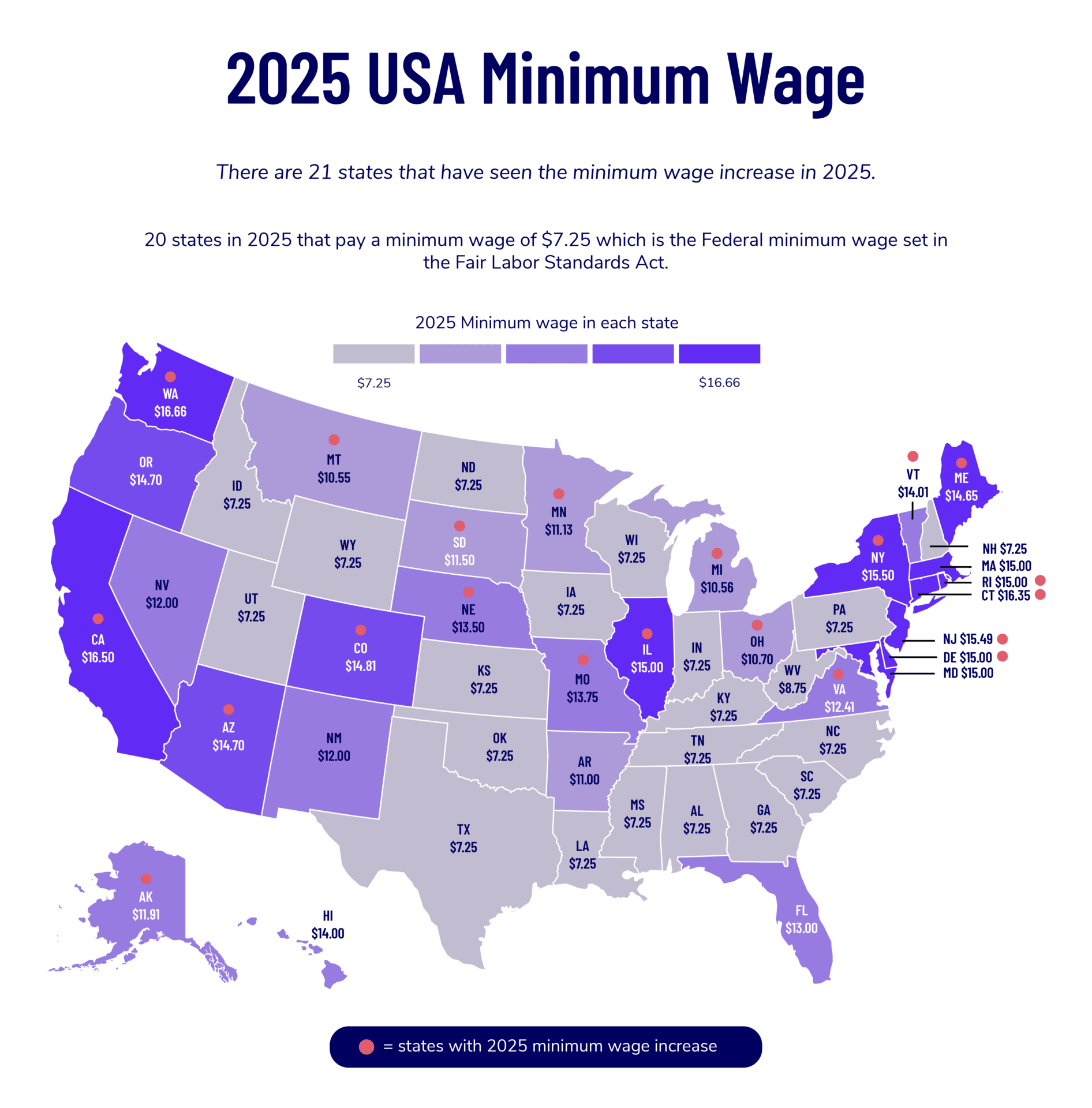
Idaho’s financial landscape is unique when compared to its neighbors. Washington and Oregon have some of the highest minimum wages in the country (often exceeding $15/hour), and even Montana and Utah have either higher rates or more active discussions regarding increases. This creates a “border effect” where Idaho businesses near the state line must compete with higher-paying jobs just a few miles away. For investors and business strategists, monitoring these regional discrepancies is vital for long-term site selection and labor force planning.
In conclusion, while the state of Idaho currently maintains a $7.25 minimum wage, the financial reality of the state is in a period of flux. Between the rising cost of living, the pressures of a competitive labor market, and the constant debate over legislative intervention, the “minimum wage” is more than just a number—it is a central component of Idaho’s broader economic identity. Whether through market forces or future policy changes, the evolution of this wage will continue to shape the personal finances of its citizens and the fiscal strategies of its businesses for years to come.
aViewFromTheCave is a participant in the Amazon Services LLC Associates Program, an affiliate advertising program designed to provide a means for sites to earn advertising fees by advertising and linking to Amazon.com. Amazon, the Amazon logo, AmazonSupply, and the AmazonSupply logo are trademarks of Amazon.com, Inc. or its affiliates. As an Amazon Associate we earn affiliate commissions from qualifying purchases.