
In the traditional landscape of corporate communications, the “third-person objective” was long considered the gold standard. Companies spoke as faceless, monolithic entities, using passive voice and detached language to project an image of institutional stability. However, as the digital economy has evolved, the relationship between consumer and corporation has undergone a radical transformation. Today, the most successful brands are those that have mastered the “first-person narrative.”
But what is a first-person narrative in the context of professional branding? At its core, it is a strategic shift from speaking at an audience to speaking with them. It is the use of the “I” or “we” perspective to humanize a business, create an emotional anchor, and foster a sense of shared identity. In an era of skepticism and information overload, the first-person narrative has become the most potent tool in a brand strategist’s arsenal for building authentic connections.

Defining First-Person Narrative in the Context of Branding
To understand the first-person narrative, we must first look past the grammatical definition and explore its strategic application. In branding, a first-person narrative is the intentional personification of a business entity. It is the bridge between a product’s features and a human’s lived experience.
From Corporate Monolith to Human Voice
For decades, businesses operated under the “Great Wall” philosophy: the brand was a fortress, and communications were official decrees issued from the ramparts. This third-person approach—”The company announced today that it will release…”—created a professional distance that felt safe but cold.
The first-person narrative dismantles this wall. When a brand says, “We started this company because we couldn’t find a sustainable solution,” or a founder writes, “I want to share the challenges I faced while building this tool,” the dynamic shifts. The business is no longer an abstract concept; it is a group of people with a mission. This transition is essential for modern brand strategy because it aligns with the contemporary consumer’s desire for transparency.
The Psychology of “I”: Why Direct Address Works
The human brain is hardwired for storytelling, specifically stories that involve relatable protagonists. When a brand utilizes a first-person perspective, it triggers a different psychological response than a traditional advertisement. It activates the “social brain.”
Using “I” or “we” creates a sense of accountability. If a brand speaks in the first person, it implies a speaker behind the words—someone who can be trusted or held responsible. This direct address minimizes the cognitive distance between the buyer and the seller, making the brand feel like a peer rather than a provider. This psychological proximity is the foundation of brand loyalty in the 21st century.
Why Personalization Requires a Narrative Shift
As marketing moves toward hyper-personalization, the “what” of a product is becoming less important than the “who” and the “why.” A first-person narrative provides the necessary framework to deliver personalized experiences that don’t feel invasive or algorithmic.
Breaking the Fourth Wall in Digital Marketing
In theater, breaking the fourth wall occurs when a character speaks directly to the audience, acknowledging their presence. In branding, the first-person narrative achieves a similar effect. Instead of a sterile website interface, the brand voice greets the user as a guest.
Digital platforms, particularly social media, have made this narrative style mandatory. A brand that posts in the third person on Instagram or X (formerly Twitter) often feels out of place, like a tuxedo at a backyard barbecue. By adopting a first-person narrative—sharing “behind-the-scenes” content or responding to comments with a personal touch—brands integrate themselves into the user’s daily social feed as a welcome participant rather than an intruder.
Building Trust through Vulnerability and Authenticity
One of the most significant advantages of the first-person narrative is the ability to display vulnerability. In the old brand paradigm, admitting a mistake was a legal liability. In the new narrative paradigm, it is a brand-building opportunity.
When a brand leader writes a first-person account of a product failure or a pivot, it builds immense “trust equity.” Consumers are increasingly savvy; they know that no company is perfect. By using a first-person voice to say, “We got this wrong, and here is how I am going to fix it,” a brand demonstrates an authenticity that third-person corporate statements simply cannot replicate. This vulnerability creates a “human” brand that customers want to support during both triumphs and trials.
Strategies for Implementing a First-Person Brand Voice
Transitioning to a first-person narrative is not as simple as changing “The Company” to “We” in a press release. It requires a comprehensive overhaul of the brand’s identity and communication guidelines.
Identifying the “Narrator”: Founder vs. Community
The first step in a narrative strategy is identifying who is speaking. For many startups and personal brands, the narrator is the founder. This “Founder’s Narrative” leverages the creator’s personal journey, struggles, and expertise to validate the brand.
However, for larger or more established corporations, the narrator might be a personified version of the “Brand Soul” or even the community itself. In a community-led narrative, the “we” includes both the company and the customers. This strategy is particularly effective for lifestyle and mission-driven brands where the goal is to make the customer the hero of the story, supported by the brand’s perspective.
Maintaining Consistency across Multi-Channel Platforms
The greatest risk of the first-person narrative is inconsistency. If the brand sounds like an adventurous explorer on social media but a rigid lawyer in email newsletters, the narrative collapses.
To prevent this, brand strategists must develop a “Voice and Tone” guide that defines the narrator’s personality traits. Is the narrator authoritative but kind? Witty and irreverent? Radical and disruptive? Once these traits are established, every piece of content—from the “About Us” page to the technical support auto-responders—must be filtered through that first-person lens. This consistency ensures that the consumer feels they are interacting with the same “person” every time they engage with the brand.
Case Studies: Brands that Mastered the First-Person Approach
Analyzing successful brands reveals that the first-person narrative is often the “secret sauce” behind their market dominance and cult-like following.
The Solopreneur and Personal Branding Revolution
The rise of the “Creator Economy” is the ultimate testament to the first-person narrative. Figures like Gary Vaynerchuk or Brené Brown have built multi-million dollar enterprises by leading with “I.” Their brands are inseparable from their personal stories. They don’t just sell services; they sell their perspective. By using a first-person narrative, they invite their audience into their world, turning followers into advocates who feel a personal stake in their success.
Direct-to-Consumer (DTC) Disruption
DTC brands like Glossier and Patagonia have redefined their respective industries by utilizing a collective “we” narrative. Patagonia’s narrative isn’t just about selling outdoor gear; it’s a first-person manifesto about environmental activism. Their communications often read like a personal letter from a concerned friend.
Similarly, Glossier built its brand by listening to and speaking with its community in the first person. Their marketing felt like a conversation between beauty enthusiasts rather than a sales pitch from a cosmetics giant. This approach allowed them to bypass traditional retail barriers and build a brand identity rooted in shared experience and personal recommendation.
Measuring the Impact of Narrative-Driven Marketing
While the “feel” of a first-person narrative is qualitative, its impact on a business’s bottom line is highly quantifiable. For a brand strategy to be effective, it must eventually translate into measurable growth.
Engagement Metrics over Impression Counts
Traditional advertising often focuses on “reach” or “impressions”—how many eyes saw the ad. However, first-person narratives prioritize “engagement” and “sentiment.”
A first-person post or article is far more likely to generate comments, shares, and direct messages because it invites a response. By tracking the depth of these interactions—such as the length of comments or the rate of repeat engagement—brand strategists can measure how effectively the narrative is resonating. High engagement rates are a leading indicator of brand salience, meaning the brand is top-of-mind when the consumer is ready to make a purchase.
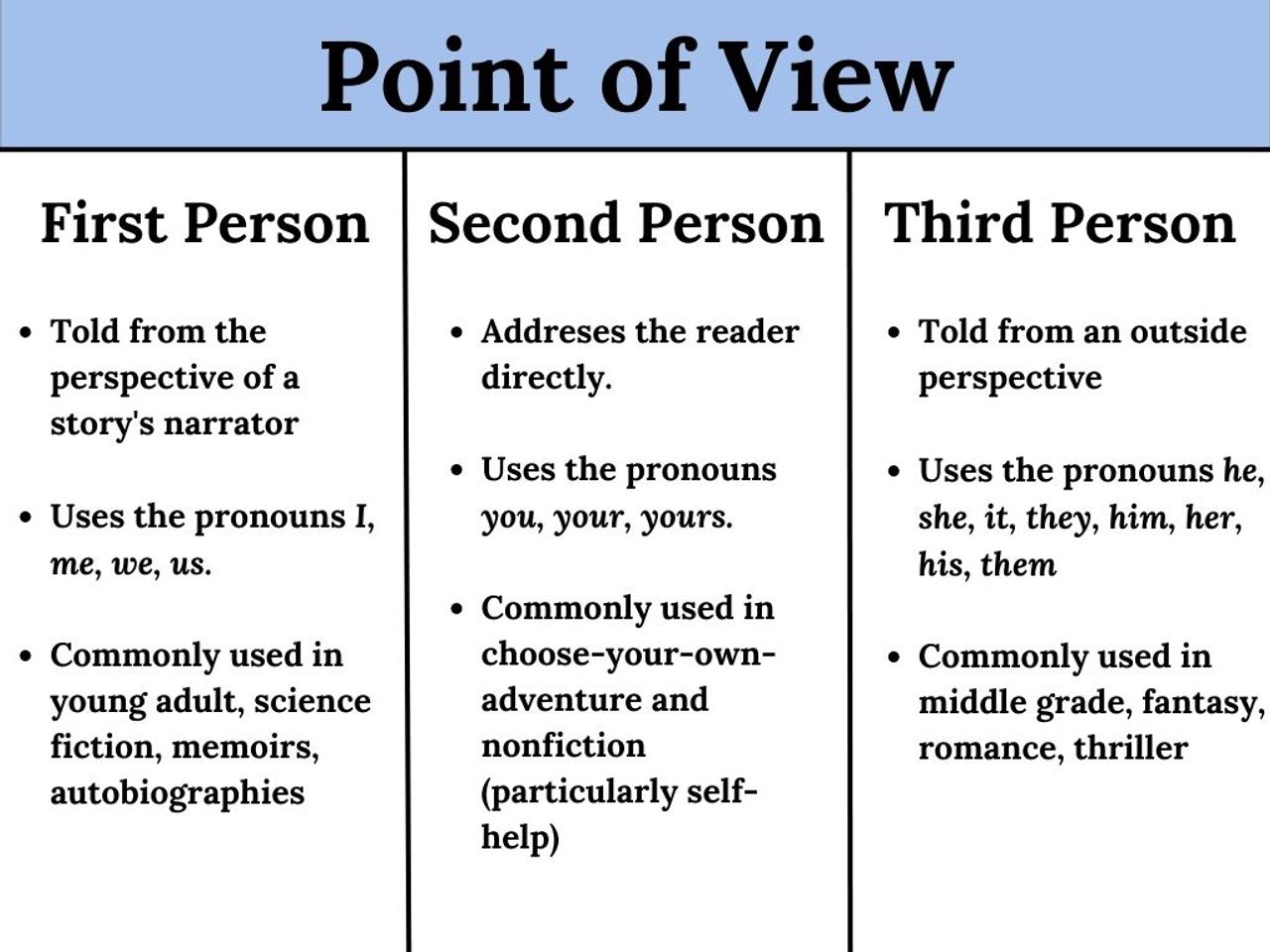
Long-term Brand Equity and Loyalty
The ultimate goal of any brand strategy is to move beyond transactional relationships toward brand loyalty. A first-person narrative facilitates this by building a “brand relationship.”
Customers who feel they know the story behind a brand and the people who run it are less likely to switch to a competitor based on price alone. They are invested in the narrative. Over time, this loyalty translates into a lower Customer Acquisition Cost (CAC) and a higher Lifetime Value (LTV). In the competitive landscape of modern business, the ability to tell a compelling first-person story is not just a marketing tactic; it is a sustainable competitive advantage that drives long-term financial health.
By embracing the first-person narrative, brands can transcend the noise of the digital age. They stop being just another name on a screen and start being a voice in the room—a voice that is heard, trusted, and followed.
aViewFromTheCave is a participant in the Amazon Services LLC Associates Program, an affiliate advertising program designed to provide a means for sites to earn advertising fees by advertising and linking to Amazon.com. Amazon, the Amazon logo, AmazonSupply, and the AmazonSupply logo are trademarks of Amazon.com, Inc. or its affiliates. As an Amazon Associate we earn affiliate commissions from qualifying purchases.