
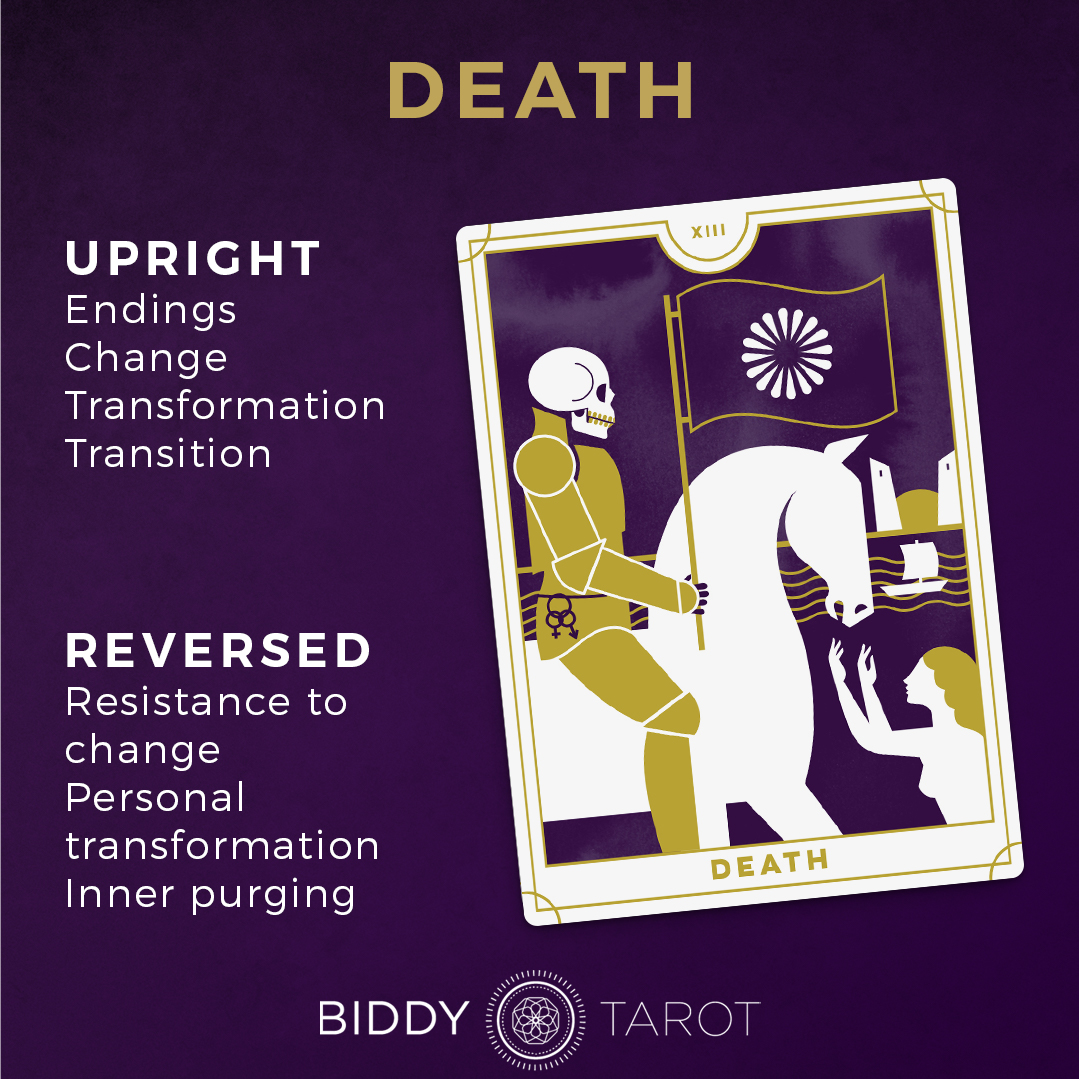
In the world of technology, the arrival of a “Death Card”—more formally known as an End-of-Life (EOL) or End-of-Service (EOS) notice—is an event that triggers both anxiety and opportunity. Much like its namesake in traditional symbolism, the Death Card in a technical context rarely signifies a literal, instantaneous destruction. Instead, it represents the conclusion of a cycle and the mandatory transition into a new state of being. Whether it is a software framework being deprecated, a hardware component reaching its manufacturing limit, or a security protocol being retired, the Death Card is a signal that the status quo is no longer viable.

Understanding what the Death Card means for your infrastructure is critical for CTOs, developers, and IT managers. It is the definitive boundary between legacy maintenance and future-proof innovation.
The Anatomy of a Tech Death Card: Understanding EOL and EOS
When a vendor issues a “Death Card” for a product, they are typically defining a timeline for the withdrawal of support. This process is rarely abrupt; it is a phased transition designed to give enterprises time to migrate. However, misinterpreting these phases can lead to catastrophic system failures or security breaches.
The Difference Between End-of-Life and End-of-Service
While often used interchangeably, EOL and EOS have distinct meanings in the tech lifecycle. End-of-Life usually refers to the point where a manufacturer stops producing a piece of hardware or a developer stops adding new features to a software suite. The product is still functional, and security patches may continue for a time, but the “growth” of the product has ceased.
End-of-Service (or End-of-Support), however, is the finality of the Death Card. This is the date after which no further updates, security patches, or technical assistance will be provided. Operating a system past its EOS date is akin to sailing a ship with no hull maintenance; eventually, the environment will evolve (new threats, new hardware requirements), and the unpatched system will take on water.
The Sunset Process: Why Products Die
Products are “carded” for several reasons. The most common is the shift in underlying architecture. For example, the transition from 32-bit to 64-bit computing rendered thousands of applications obsolete. Similarly, the move from on-premise monolithic structures to cloud-native microservices has forced the “death” of many legacy enterprise tools. Maintaining old code is expensive for vendors, and the Death Card allows them to reallocate R&D resources toward more profitable, modern innovations.
Why the Death Card is a Catalyst for Digital Transformation
While the initial reaction to a retirement notice is often frustration regarding the “migration tax,” the Death Card is frequently the only catalyst strong enough to force necessary digital transformation. In many organizations, “if it ain’t broke, don’t fix it” is the prevailing mantra, leading to the accumulation of dangerous levels of technical debt.
Forced Innovation and the Clearing of Technical Debt
Technical debt is the implied cost of additional rework caused by choosing an easy solution now instead of using a better approach that would take longer. When a core system receives its Death Card, the organization is forced to address this debt. You cannot simply “patch” your way out of a deprecated framework.
This forced transition allows teams to re-evaluate their entire workflow. If a legacy database is being retired, it is the perfect time to ask whether a relational database is still the best fit, or if a NoSQL or serverless solution would better serve current needs. In this sense, the Death Card clears the brush, allowing for new, more efficient growth.
Moving from Monoliths to Microservices
Many EOL notices today are targeting older, monolithic software suites. The transition away from these “dinosaurs” allows companies to adopt microservices. This modular approach to tech means that in the future, the “Death Card” for one specific service won’t bring down the entire enterprise. By decomposing a dying monolith into smaller, independently updated services, IT departments can achieve a state of “continuous evolution” rather than the jarring, high-risk migrations of the past.

Managing the Risk of the “Dead” System
The most dangerous period for any tech stack is the interval between the issuance of the Death Card and the final migration to a new system. During this time, the “dead” or “dying” system becomes a primary target for cyber-attacks.
Security Vulnerabilities in Legacy Code
The moment a piece of software reaches its End-of-Service date, it becomes a “zero-day” goldmine for hackers. Malicious actors specifically look for organizations running EOS software because they know that any new vulnerabilities discovered will never be patched by the vendor.
A classic example of this was the WannaCry ransomware attack, which devastated organizations worldwide by exploiting vulnerabilities in older, unpatched versions of the Windows operating system. When the Death Card is ignored, the cost is no longer just a license fee; it is the potential loss of entire data ecosystems and brand reputation.
The Escalating Cost of Maintenance
Maintaining a system past its Death Card date is an exercise in diminishing returns. As the talent pool for that specific technology shrinks—think of COBOL programmers in the banking industry—the cost of hiring consultants to maintain the system skyrockets. Furthermore, legacy systems often require specialized, aging hardware that is increasingly difficult to source. The “death” of the software often necessitates a black market for the “death” of the hardware, creating a fragile and expensive supply chain.
Strategic Alternatives: When to Pivot or Patch
When the Death Card arrives, leadership must decide on a path forward. There are generally three strategic responses: Rehosting, Refactoring, or Retiring.
Rehosting and Virtualization (The “Life Support” Strategy)
Sometimes, a total migration is impossible due to time or budget constraints. In these cases, organizations may choose “Rehosting” (often called “lift and shift”). This involves moving the legacy application to a cloud environment or a virtual machine.
While this doesn’t fix the underlying “death” of the software, it can isolate the system from certain hardware risks and provide a more controlled environment for security monitoring. However, this should be viewed as a palliative measure—a way to extend the life of the system by a few years while a more permanent solution is developed.
Refactoring: The True Rebirth
Refactoring is the most intensive but rewarding response to the Death Card. It involves rewriting parts of the legacy code to run on modern frameworks while maintaining the original functionality. This is where the “transformation” aspect of the Death Card is most evident. By refactoring, a company preserves its unique business logic and proprietary processes while shedding the vulnerabilities and inefficiencies of the old platform.
Cloud Migration and SaaS Integration
For many, the Death Card for a local server or a licensed software package is the final nudge needed to move to a Software-as-a-Service (SaaS) model. By moving to the cloud, the burden of managing the “Death Card” shifts from the user to the provider. In a SaaS environment, updates are continuous, and the concept of a “version death” largely disappears, replaced by a stream of incremental improvements.
Conclusion: Embracing the Cycle of Obsolescence
In the tech industry, the “Death Card” is an inevitability. Moore’s Law and the rapid pace of software innovation ensure that today’s cutting-edge tools will eventually become tomorrow’s legacy liabilities. However, viewing the Death Card as a catastrophe is a mistake of perspective.
In professional IT management, the Death Card is a tool for hygiene. It mandates the removal of obsolete, insecure, and inefficient systems to make room for technologies that can handle the scale and speed of the modern digital economy. By understanding the lifecycle of their tools, staying ahead of EOL notices, and planning for the transition long before the “End of Service” date arrives, organizations can turn a potential crisis into a strategic advantage. The death of the old system is not just an end—it is the prerequisite for the birth of the next generation of digital excellence.
aViewFromTheCave is a participant in the Amazon Services LLC Associates Program, an affiliate advertising program designed to provide a means for sites to earn advertising fees by advertising and linking to Amazon.com. Amazon, the Amazon logo, AmazonSupply, and the AmazonSupply logo are trademarks of Amazon.com, Inc. or its affiliates. As an Amazon Associate we earn affiliate commissions from qualifying purchases.