
Car insurance is a legal necessity for most drivers, an essential safeguard against the financial ramifications of accidents, theft, or damage. Yet, for many, it feels like a mandatory drain on their monthly budget, an expense that seemingly rises without clear justification. The quest for the “cheapest car insurance” isn’t merely about cutting costs; it’s about optimizing a critical financial outlay without compromising on essential protection. In an increasingly complex financial landscape, understanding how to secure the most affordable rates for quality coverage is a cornerstone of responsible personal finance.
This comprehensive guide delves into the intricate world of car insurance pricing, unveiling the factors that dictate your premiums and equipping you with actionable strategies to significantly reduce your costs. We’ll explore everything from personal profiles to technological advancements, debunk common myths, and outline how to maintain affordability over time, all while ensuring you remain adequately protected on the road.
Understanding the Drivers of Car Insurance Costs
Before embarking on the journey to find cheaper car insurance, it’s crucial to grasp the fundamental variables that insurers scrutinize when calculating your premiums. These factors are not arbitrary; they are statistical indicators of risk that directly influence the likelihood and potential cost of a future claim.
Your Personal Profile: Age, Driving Record, and Location
One of the most significant determinants of your insurance premium is you. Insurers assess your personal risk profile based on several key characteristics:
- Age and Experience: Younger, less experienced drivers (especially those under 25) typically face higher premiums due to statistical data indicating a greater propensity for accidents. As drivers mature and gain more experience, rates tend to decrease, assuming a clean driving record.
- Driving Record: This is paramount. A history of accidents, traffic violations (speeding tickets, DUIs), or reckless driving will invariably lead to higher premiums. Insurers view these as strong indicators of future risk. Conversely, a long, clean driving record is your best asset for securing low rates.
- Location: Where you live and even where you park your car significantly impacts your premium. Urban areas with higher traffic density, crime rates (car theft, vandalism), and accident statistics generally have higher insurance costs than rural or suburban areas. Even specific zip codes within the same city can see vastly different rates.
- Credit Score (in some states): While controversial, many insurers use a credit-based insurance score (which correlates with your credit score) to predict the likelihood of you filing a claim. A higher credit score can often translate to lower premiums.
- Marital Status: Statistically, married individuals are often considered lower risk by insurers and may receive slightly better rates than single drivers.
- Occupation: Certain professions, particularly those involving extensive driving or high-risk environments, might influence premiums, although this is less common than other factors.
Vehicle Characteristics: Make, Model, and Safety Features
The car you drive is another major piece of the puzzle. Not all vehicles are created equal in the eyes of an insurance provider.
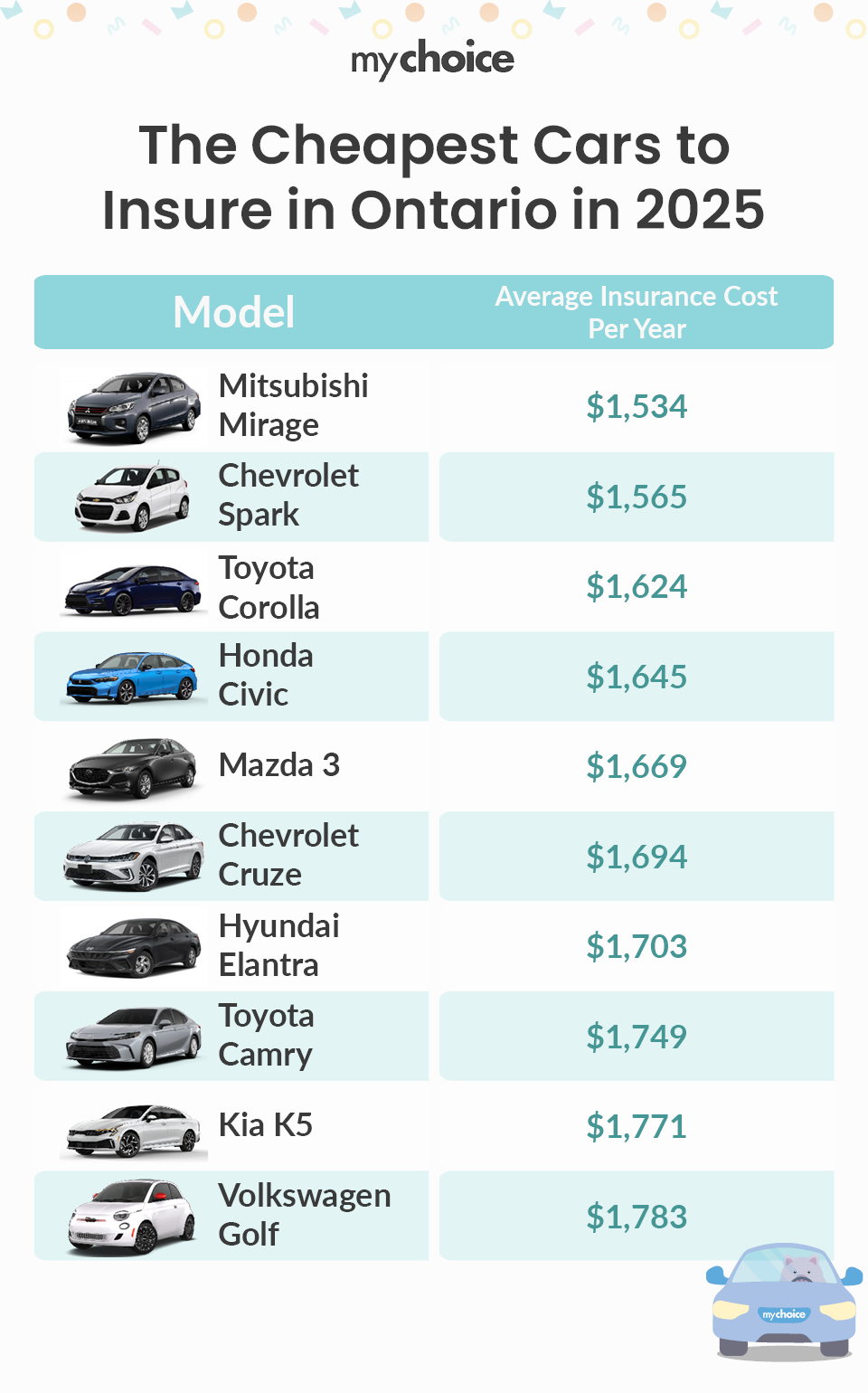
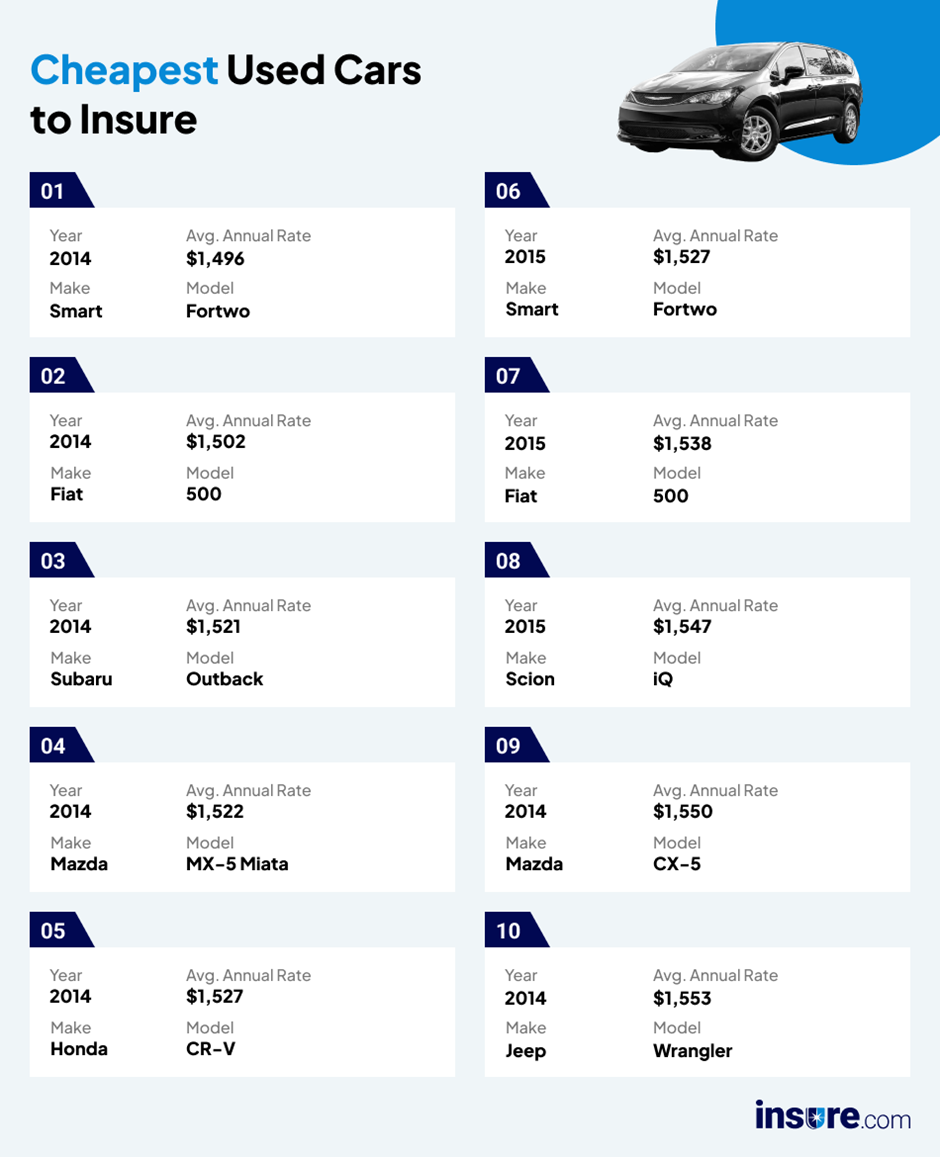
- Make, Model, and Year: Luxury cars, sports cars, and high-performance vehicles typically cost more to insure due to higher repair costs, greater likelihood of theft, and a perception of more aggressive driving. Older, less valuable cars might have lower comprehensive and collision premiums, but replacement parts could still be expensive.
- Safety Features: Modern safety features such as anti-lock brakes, airbags, electronic stability control, adaptive cruise control, and anti-theft devices (alarms, GPS trackers) can often qualify you for discounts, as they reduce the likelihood or severity of accidents and theft.
- Repair Costs and Parts Availability: Insurers consider how expensive it is to repair a specific vehicle model. Cars with specialized parts or complex repair processes will naturally lead to higher premiums.
- Claim History for the Model: If a particular car model has a statistically higher incidence of claims, theft, or high-cost repairs, its insurance rates will reflect that historical data.
Coverage Levels and Deductibles: Balancing Protection and Price
The type and amount of coverage you choose directly correlate with your premium. This is where you have significant control over the final price.
- Liability Coverage: This is the legally mandated minimum in most places, covering damages and injuries you cause to others. Opting for higher liability limits, while increasing your premium, offers greater financial protection against potentially devastating lawsuits.
- Collision Coverage: Pays for damage to your own vehicle in an accident, regardless of who is at fault.
- Comprehensive Coverage: Protects your car against non-collision incidents like theft, vandalism, fire, natural disasters, or hitting an animal.
- Deductibles: This is the amount you pay out-of-pocket before your insurance kicks in for collision and comprehensive claims. Choosing a higher deductible (e.g., $1,000 instead of $500) will lower your premium, but requires you to pay more if you file a claim. It’s a trade-off: lower monthly cost for higher out-of-pocket risk.
- Additional Coverages: Options like roadside assistance, rental car reimbursement, personal injury protection (PIP), or medical payments coverage (MedPay) add to your premium but can offer valuable benefits. Carefully assess if these extras are worth the cost for your individual situation.
Proven Strategies to Slash Your Premiums
Finding the cheapest car insurance isn’t a passive exercise; it requires proactive engagement and smart financial decision-making. By implementing a combination of these strategies, you can significantly reduce your annual insurance expenditure.
Shop Around and Compare Quotes Diligently
This is arguably the single most effective strategy. Insurance rates vary wildly between providers, sometimes by hundreds or even thousands of dollars for the exact same coverage.
- Don’t Settle for the First Quote: Never assume your current insurer offers the best deal. Insurers use different underwriting models, risk assessments, and offer varying discounts.
- Use Comparison Websites, But Verify: Online comparison tools can quickly provide multiple quotes, but they don’t always include every insurer or every available discount. Use them as a starting point, then visit individual insurer websites or call agents for more precise quotes.
- Re-shop Annually: Your personal circumstances, driving record, and the market rates change. What was cheapest last year might not be this year. Make it a habit to compare quotes before your policy renews.
Leverage Discounts: Bundling, Good Driver, and Beyond
Insurers offer a plethora of discounts, and stacking them can lead to substantial savings. It’s crucial to ask about every possible discount you might qualify for.
- Bundling Discounts: Insuring multiple policies (e.g., car and home, car and renter’s) with the same provider can often yield a significant discount on both.
- Good Driver/Accident-Free Discounts: A clean driving record over several years is a powerful bargaining chip.
- Multi-Car Discount: Insuring more than one vehicle on the same policy can reduce the premium per car.
- Good Student Discount: High school and college students with good academic grades often qualify for discounts.
- Safety Feature Discounts: For anti-lock brakes, airbags, anti-theft devices, automatic seatbelts, etc.
- Defensive Driving Course Discount: Completing an approved defensive driving course can sometimes lead to a discount, especially for older drivers or those with minor infractions.
- Low Mileage Discount: If you don’t drive much, some insurers offer discounts.
- Payment Discounts: Paying your premium annually or semi-annually (instead of monthly) or setting up automatic payments can sometimes earn a small discount.
- Paperless Discount: Opting for electronic documents can also save a few dollars.
Optimize Your Coverage: When Less Can Be More (Carefully)
Reviewing your coverage levels regularly can prevent you from overpaying for unnecessary protection.
- Re-evaluate Comprehensive and Collision for Older Cars: If your car’s market value is low (e.g., less than 10 times your annual premium for these coverages), carrying comprehensive and collision might not be financially sensible. In a total loss, the payout might be less than you’ve paid in premiums and deductibles. Consider self-insuring for these risks by setting aside the premium difference.
- Adjust Deductibles: If you have a robust emergency fund, increasing your deductibles for comprehensive and collision coverage can lower your premiums. Just ensure you can comfortably afford the higher out-of-pocket cost if a claim arises.
- Skip Redundant Coverage: Avoid paying for extras you don’t need or already have through other means (e.g., roadside assistance if your car manufacturer or credit card provides it).
Improve Your Credit Score and Driving Habits
These long-term strategies might not offer immediate savings but are incredibly impactful over time.
- Boost Your Credit Score: A higher credit-based insurance score often leads to lower premiums. Pay bills on time, reduce debt, and monitor your credit report for errors.
- Maintain a Pristine Driving Record: The best way to keep insurance costs down is to avoid accidents and traffic violations. Drive defensively, follow speed limits, and never drive under the influence. Every ticket or accident will likely increase your rates for years.
The Role of Technology and Tools in Finding Cheap Insurance
The digital age has revolutionized how consumers find and purchase car insurance, introducing tools and technologies that streamline the process and offer new avenues for savings.
Online Comparison Websites: A Starting Point, Not the End
Platforms like NerdWallet, The Zebra, or Policygenius allow you to input your information once and receive multiple quotes from various insurers.
- Efficiency: They save time by eliminating the need to visit individual insurer sites.
- Broad View: They offer a snapshot of market rates, helping you identify potential low-cost providers quickly.
- Limitations: They don’t always include every insurer (especially smaller, regional ones), and the quoted prices might not always reflect all available discounts. Use them as a strong initial filter, then follow up directly with promising insurers.
Telematics and Usage-Based Insurance: Drive Smart, Save More
Telematics programs involve installing a device in your car or using a smartphone app that monitors your driving habits (speed, braking, acceleration, mileage, time of day driven).
- Personalized Rates: Safe drivers can often earn significant discounts (up to 30% or more) as their premiums are based on their actual driving behavior rather than just statistical averages.
- Incentivizes Safe Driving: Knowing you’re being monitored can encourage safer driving practices.
- Privacy Concerns: Some drivers are uncomfortable with the data collection aspects of these programs. Understand the terms and conditions before enrolling.
Consulting Independent Agents: Personalized Expertise
While online tools are powerful, an independent insurance agent can be an invaluable resource.
- Brokerage Power: Independent agents work with multiple insurance companies and can shop around on your behalf, often finding deals or niche policies that online tools might miss.
- Personalized Advice: They can help you understand complex coverage options, assess your specific needs, and ensure you’re not under-insured or over-insured.
- Advocacy: In the event of a claim or a dispute, an independent agent can act as your advocate with the insurance company.
Debunking Myths About Cheap Car Insurance
The pursuit of affordable car insurance is often clouded by misconceptions. Separating fact from fiction is crucial for making informed financial decisions.
“All Cheap Insurance is Bad Insurance”: Quality vs. Cost
A common fear is that opting for the cheapest policy means sacrificing quality or reliability. This is not necessarily true.
- Value is Key: The goal isn’t just “cheap” but “good value.” This means finding a policy that provides adequate coverage at the lowest possible price.
- Regulatory Standards: All legitimate insurance companies, regardless of price, must adhere to state-mandated minimum coverage requirements and are regulated by state insurance departments.
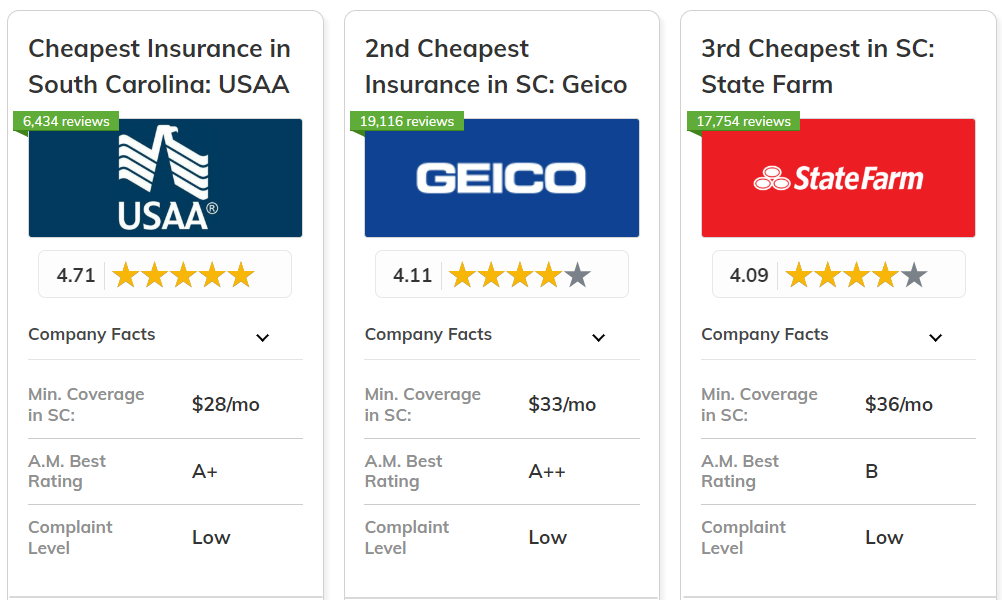
- Service Varies: While a lower premium doesn’t automatically mean bad service, it’s wise to check an insurer’s customer service ratings, financial strength, and claims processing reputation before committing. Often, less expensive insurers might have fewer bells and whistles in their service, but still handle claims competently.
“Loyalty Always Pays”: The Myth of Sticking with One Provider
Many believe that staying with the same insurance company for years guarantees the best rates. While some insurers offer small loyalty discounts, this rarely outweighs the potential savings from shopping around.
- “Loyalty Penalty”: Many companies offer their most attractive rates to new customers to acquire them, and then slowly increase premiums over time, assuming existing customers won’t bother to switch.
- Market Dynamics: The insurance market is constantly shifting. New companies emerge, existing ones adjust their risk models, and your personal profile changes. Regularly comparing quotes ensures you benefit from the most competitive rates available, not just what your current insurer offers.
“Basic Coverage is Always the Cheapest”: Understanding Minimum Requirements
While opting for minimum liability coverage is indeed the cheapest initial premium, it can be the most expensive choice in the long run if you’re involved in a serious accident.
- Inadequate Protection: State minimums are often woefully insufficient to cover the costs of significant medical bills, property damage, or legal fees resulting from a serious accident.
- Personal Asset Risk: If your liability exceeds your coverage limits, you could be personally sued for the remaining balance, potentially losing savings, assets, or even future earnings.
- Risk-Adjusted Cost: The true “cost” of insurance isn’t just the premium; it’s the premium plus your potential out-of-pocket losses. Investing a little more in higher liability limits can be a far cheaper solution than facing a major lawsuit without adequate protection. Assess your net worth and risk tolerance to determine appropriate coverage levels.
Maintaining Affordability Over Time
Finding cheap car insurance is a continuous process, not a one-time event. Life changes, market conditions shift, and your needs evolve. Proactive management is key to sustained affordability.
Regular Policy Reviews and Re-shopping
- Annual Check-up: Set a reminder to review your policy and compare quotes at least once a year, ideally a few weeks before your renewal date. This gives you ample time to switch if you find a better deal.
- Life Events Trigger: Don’t wait a full year if significant life changes occur. Getting married, moving to a new address, buying a new car, or adding a new driver to your household are all opportune moments to re-evaluate your policy and shop for new rates.
Adjusting Coverage as Life Changes
- Maturity of Children: When children grow up and move out, or when a young driver turns 25, premiums can decrease.
- Car Value Depreciation: As your car ages and depreciates, reassess the need for comprehensive and collision coverage. At some point, the cost of these coverages might outweigh the potential payout.
- Financial Standing: If your personal wealth increases, you might consider higher liability limits to protect your growing assets. Conversely, if your financial situation tightens, you might temporarily increase deductibles (ensuring you have an emergency fund for them).
Preventing Claims and Accidents
The most direct way to keep your insurance costs down is to be a safe, responsible driver.
- Defensive Driving: Always drive defensively, anticipating potential hazards.
- Vehicle Maintenance: Keep your car in good working order to prevent mechanical failures that could lead to accidents.
- Avoid Distractions: Put away your phone and focus on the road.
- Zero Tolerance for DUIs/DWIs: These offenses lead to enormous increases in premiums, legal fees, and potential jail time, not to mention the risk to lives.
Conclusion
The pursuit of the cheapest car insurance is a fundamental aspect of effective personal finance. It demands a proactive, informed approach, combining an understanding of risk factors with diligent comparison shopping and strategic policy management. While the allure of low premiums is strong, true financial wisdom lies in striking a balance between cost and adequate protection.
By understanding the key drivers of insurance costs, leveraging available discounts, embracing technological tools, and regularly reviewing your coverage, you can navigate the complex world of car insurance with confidence. Remember, the “cheapest” policy isn’t just about the lowest sticker price; it’s about the best value that shields your financial well-being without unnecessarily draining your wallet. Proactive management of your car insurance is not just about saving money; it’s about making a financially sound decision for peace of mind on every journey.
aViewFromTheCave is a participant in the Amazon Services LLC Associates Program, an affiliate advertising program designed to provide a means for sites to earn advertising fees by advertising and linking to Amazon.com. Amazon, the Amazon logo, AmazonSupply, and the AmazonSupply logo are trademarks of Amazon.com, Inc. or its affiliates. As an Amazon Associate we earn affiliate commissions from qualifying purchases.