
In the competitive landscape of global gastronomy, success is rarely just about the product; it is about the narrative. When we ask, “What does huitlacoche taste like?” we are not merely inquiring about a chemical reaction on the palate. We are engaging with a masterclass in brand strategy. Huitlacoche, or corn smut, is a fungus that infects corn ears, causing them to swell into grotesque, bluish-grey galls. To a traditional midwestern American farmer, it is a crop-destroying nightmare. To a brand strategist, it is a “Mexican Truffle”—a rare, savory delicacy that commands premium prices in the world’s most elite restaurants.

The transition of huitlacoche from an agricultural byproduct to a luxury brand highlights the profound power of positioning, naming, and sensory marketing. To understand what huitlacoche tastes like is to understand how a brand can transform a perceived flaw into its most valuable asset.
Rebranding the Unconventional: From Crop Disease to Culinary Gold
The history of huitlacoche is a lesson in reclaiming a narrative. For centuries, the fungus was a staple in Indigenous Mexican diets, valued for its nutritional density and unique flavor. However, when viewed through a global industrial lens, it was labeled “corn smut”—a name that evokes decay and worthlessness. The first step in its successful brand evolution was the strategic pivot toward the “Mexican Truffle” moniker.
The Power of Naming: From “Corn Smut” to “Mexican Truffle”
In branding, nomenclature is destiny. The term “smut” carries negative connotations of filth and low value, making it impossible to market to a high-end demographic. By adopting the term “Mexican Truffle,” producers leveraged the “Halo Effect.” Truffles are globally recognized symbols of luxury, scarcity, and sophisticated taste. By associating a corn fungus with the European truffle, the brand identity was instantly elevated. This linguistic shift changed the consumer’s mental framework from “is this safe to eat?” to “how can I experience this rarity?”
Visual Identity and Sensory Appeal in High-End Gastronomy
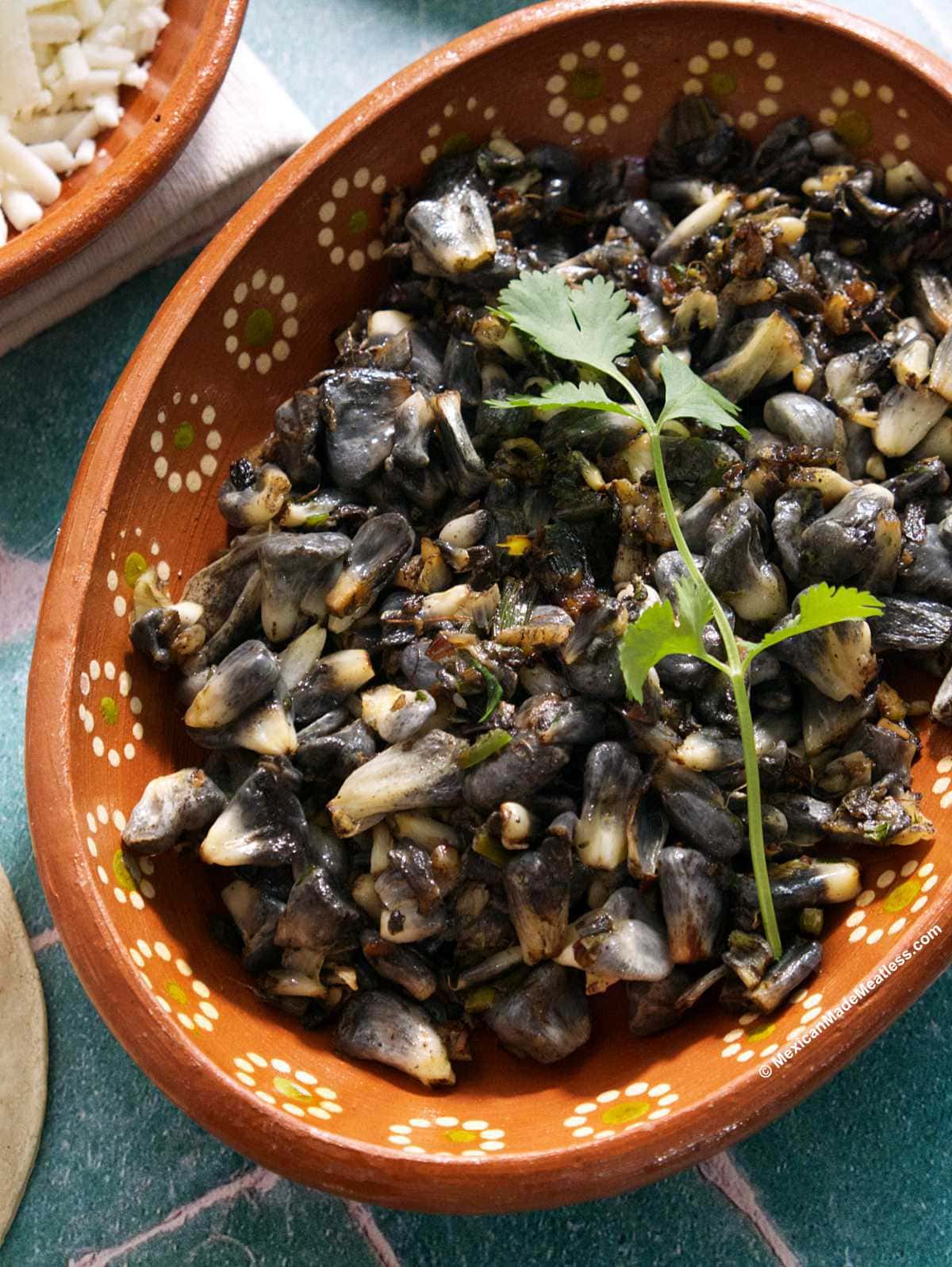
While the raw appearance of huitlacoche—dark, puffy, and irregular—might be off-putting to the uninitiated, brand strategists in the culinary world use visual contrast to their advantage. When cooked, the fungus turns an inky black, creating a dramatic visual signature on the plate. In modern branding, “Instagrammability” and visual distinctiveness are key. High-end chefs act as brand ambassadors, using the striking color of huitlacoche to signal authenticity and “edge.” The visual identity of the dish becomes a badge of culinary adventurousness for the consumer.
The Taste of Luxury: Leveraging Flavor Profiles as a Brand Differentiator
When a consumer asks what huitlacoche tastes like, the answer provides the “Reason to Believe” (RTB) in the brand’s premium status. The flavor profile is complex: earthy, woody, slightly sweet, and intensely umami. It is a flavor that cannot be easily replicated by mass-produced alternatives, which is the cornerstone of any strong brand differentiator.
Identifying the Core Product USP (Unique Selling Proposition)
The USP of huitlacoche lies in its “umami” density. In the world of food branding, umami is the “secret sauce” that drives consumer craving and perceived value. By marketing the flavor as a sophisticated mix of mushroom and sweet corn, brands target the “foodie” demographic—consumers who prioritize unique sensory experiences over price. The flavor is not just a taste; it is a proprietary asset. Just as a signature scent defines a luxury hotel brand, the specific earthy-sweet profile of huitlacoche defines the brand of “Authentic Mexican Haute Cuisine.”
Emotional Branding Through Authentic Cultural Heritage
Modern consumers, particularly Millennials and Gen Z, seek brands with “soul.” Huitlacoche carries an inherent narrative of Aztec heritage and ancient wisdom. By selling the taste of huitlacoche, brands are selling a connection to a storied past. This is emotional branding at its finest. The flavor profile is marketed not just as “fungus,” but as a “pre-Hispanic delicacy.” This shifts the value proposition from the physical ingredient to the cultural experience, allowing for significant price premiums.

Market Positioning: Why “What Does Huitlacoche Taste Like?” is a Strategic Question
In brand management, the question of taste is often a surrogate for a question about value. When people ask about the flavor of a high-end item, they are evaluating whether the experience justifies the investment. For huitlacoche, the strategic positioning is built on the pillars of scarcity, seasonality, and expert curation.
Scarcity as a Marketing Tool
Huitlacoche is notoriously difficult to produce on a massive industrial scale because it requires specific environmental conditions and an intentional “infection” of the corn. This natural limitation is a brand’s best friend. In the luxury sector, scarcity equals desire. The “taste” of huitlacoche is the taste of something that not everyone can have. Brands capitalize on this by creating limited-time seasonal menus, further driving the “Fear Of Missing Out” (FOMO) among high-spending consumers.
Building a Premium Ecosystem for Niche Ingredients
Huitlacoche does not exist in a vacuum; its brand is supported by a surrounding ecosystem of high-end ingredients. You rarely see huitlacoche served in isolation. It is paired with artisanal cheeses, heirloom corn tortillas, and micro-greens. This “Brand Association” strategy ensures that the consumer perceives the ingredient as part of a premium lifestyle. When the flavor of huitlacoche is experienced within this curated environment, its perceived quality is exponentially increased, reinforcing its position as a luxury commodity.
Lessons in Brand Resilience: Turning Vulnerabilities into Assets
The most impressive aspect of the huitlacoche brand is its resilience. It successfully turned a biological vulnerability—a disease that attacks a staple crop—into a high-value asset. This provides a blueprint for any brand facing a “PR nightmare” or a product flaw.
Embracing the “Ugly Food” Movement
In recent years, the “Ugly Food” movement has gained traction as a response to food waste and over-industrialization. Huitlacoche fits perfectly into this narrative. By leaning into its unconventional appearance, the brand positions itself as “honest” and “natural.” In a world of over-processed, perfectly symmetrical food products, the irregular galls of huitlacoche represent a brand promise of purity and lack of interference. It is a “wabi-sabi” approach to branding—finding beauty and value in imperfection.
Future-Proofing Brands Through Sustainability Narratives
As the global food industry moves toward more sustainable practices, the branding of huitlacoche is evolving again. It is being positioned as a climate-smart ingredient. Since it thrives on corn that might otherwise be considered “damaged,” it represents a way to extract more value from existing acreage. This “Sustainability Brand” layer appeals to the conscious consumer. The question “What does it taste like?” is now being answered with “It tastes like the future of responsible luxury.”
Conclusion: The Strategic Flavor of Success
What does huitlacoche taste like? It tastes like earth, corn, and sophisticated umami. But more importantly, it tastes like a successful brand strategy. It is the result of a calculated effort to rename a “pest,” reposition a “flaw,” and sell a cultural narrative that transcends the physical product.
For business leaders and brand strategists, the story of huitlacoche is a reminder that value is not inherent; it is perceived. By carefully managing the name, the visual identity, the cultural associations, and the scarcity of a product, even a parasitic fungus can become a global icon of luxury. Huitlacoche’s flavor is the ultimate proof that with the right branding, you can take any “smut” and turn it into gold. The next time you encounter this “Mexican Truffle” on a menu, remember that you are not just tasting a fungus—you are tasting the triumph of strategic positioning.
aViewFromTheCave is a participant in the Amazon Services LLC Associates Program, an affiliate advertising program designed to provide a means for sites to earn advertising fees by advertising and linking to Amazon.com. Amazon, the Amazon logo, AmazonSupply, and the AmazonSupply logo are trademarks of Amazon.com, Inc. or its affiliates. As an Amazon Associate we earn affiliate commissions from qualifying purchases.