
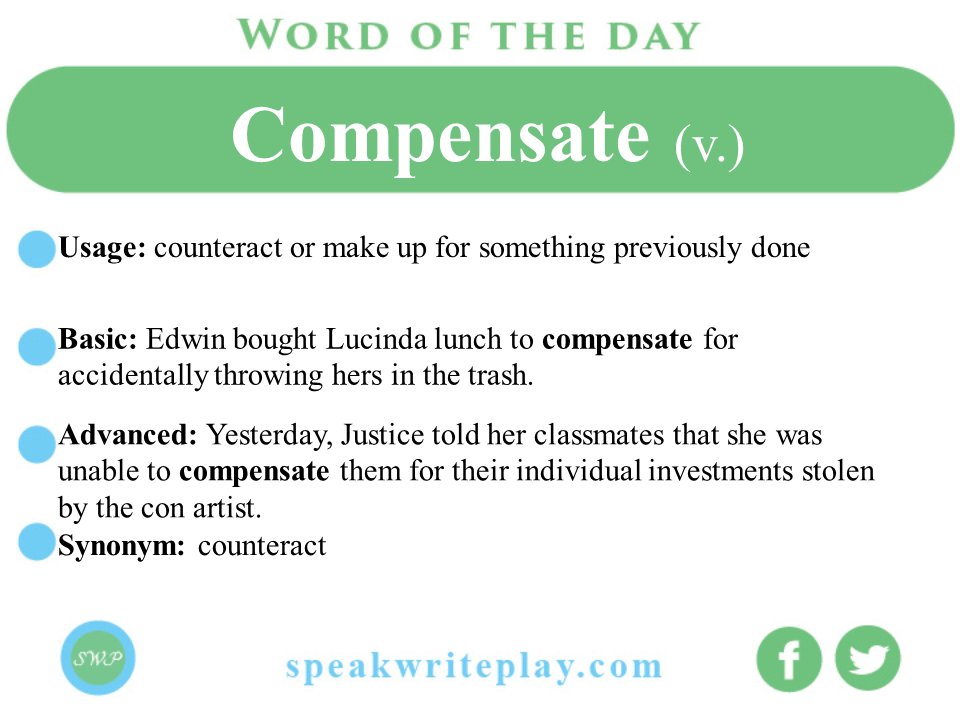
The word “compensate” is a cornerstone of financial and business discourse. While its core meaning – to give something, typically money, in recognition of loss, suffering, or injury incurred, or to counterbalance something – seems straightforward, its application within the business world is nuanced and multifaceted. Understanding how businesses compensate employees, stakeholders, and even themselves is crucial for grasping operational efficiency, strategic decision-making, and overall financial health. This article delves into the various ways businesses understand and implement compensation, focusing exclusively on its financial implications and applications.
The Spectrum of Employee Compensation: Beyond the Paycheck
For any business, its most valuable asset is its human capital. Compensating these individuals appropriately is not merely a matter of fulfilling contractual obligations; it’s a strategic imperative that influences recruitment, retention, productivity, and employee morale. The concept of compensation extends far beyond the base salary, encompassing a complex array of financial incentives designed to attract, motivate, and reward.
Base Salary and Wages: The Foundation of Remuneration
The most fundamental form of compensation is the base salary or hourly wage. This is the fixed amount of money an employee receives for performing their duties. It’s typically determined by factors such as industry standards, the employee’s experience and qualifications, the complexity of the role, and the company’s financial capacity. Businesses invest significant resources in market research to ensure their base compensation is competitive, preventing talent from migrating to rival organizations offering more attractive starting points. The structure of base pay can vary: annual salaries for professional roles, and hourly wages for many service and manual labor positions. The determination of this foundational element is a critical business finance decision, directly impacting labor costs and profitability.
Performance-Based Compensation: Driving Results and Accountability
Beyond the fixed salary, businesses increasingly employ performance-based compensation to align employee efforts with organizational goals. This category includes a range of financial incentives tied directly to individual, team, or company performance.
Bonuses and Incentives: Rewarding Achievements
Bonuses are lump-sum payments awarded for achieving specific targets or milestones. These can be annual, quarterly, or project-specific. Performance incentives can take various forms, such as sales commissions, where a percentage of sales revenue is paid to the salesperson, or production bonuses, awarded to manufacturing staff for exceeding output quotas. The design of these incentive programs is a delicate balancing act for financial managers. They must be structured to genuinely motivate desired behaviors without creating an unsustainable cost burden or fostering unhealthy competition. Clear metrics, transparent calculation methods, and timely payouts are essential for the effectiveness of any performance-based incentive scheme. From a business finance perspective, forecasting and budgeting for these variable compensation costs are crucial for financial planning and risk management.
Profit Sharing and Gainsharing: Collective Success and Shared Rewards
Some organizations extend the concept of performance compensation to a more collective level through profit-sharing or gainsharing plans. Profit sharing distributes a portion of a company’s profits among its employees, often based on a pre-determined formula. This directly links employee rewards to the company’s overall financial success. Gainsharing, on the other hand, rewards employees for improvements in operational efficiency or cost reductions that benefit the company. These programs foster a sense of shared ownership and collective responsibility, encouraging employees to think about the bottom line. Implementing such plans requires careful financial modeling to ensure that the shared profits or gains are sustainable and do not jeopardize the company’s long-term financial stability.
Equity-Based Compensation: Aligning Long-Term Interests
For many companies, particularly startups and fast-growing enterprises, equity-based compensation is a powerful tool to attract and retain top talent by aligning their long-term interests with those of the company’s shareholders.
Stock Options and Restricted Stock Units (RSUs): Ownership Stakes
Stock options grant employees the right, but not the obligation, to purchase company stock at a predetermined price (the strike price) after a vesting period. This allows employees to benefit from future stock price appreciation. Restricted Stock Units (RSUs) are a more direct form of equity award, where employees are granted company stock that vests over time or upon the achievement of certain milestones. These forms of compensation are particularly prevalent in the tech industry, where early employees may have a significant impact on a company’s trajectory and growth. From a financial perspective, the valuation, accounting treatment, and dilution effects of equity compensation need to be meticulously managed. They represent a significant potential liability and a key component of a company’s overall compensation strategy and its impact on shareholder value.
Beyond Direct Financial Outlays: Indirect Compensation and Benefits
While direct financial payments are the most visible form of compensation, a comprehensive compensation strategy also includes a robust package of indirect benefits. These are non-cash forms of remuneration that contribute significantly to an employee’s total compensation and overall well-being. From a business finance perspective, these benefits represent a substantial operational cost, but one that is often essential for attracting and retaining a high-quality workforce.
Health and Wellness Benefits: Investing in Employee Well-being
Health insurance, dental coverage, vision plans, and life insurance are standard components of employee benefits packages. These are costly for businesses but are highly valued by employees and are often a deciding factor in job offers. Beyond traditional health insurance, many companies are investing in wellness programs, gym memberships, mental health support, and employee assistance programs. These initiatives aim to improve employee health, reduce absenteeism, and boost productivity. The financial management of these benefits involves negotiating with insurance providers, managing claims, and understanding the tax implications for both the company and the employee.

Retirement Plans: Securing the Future
Providing retirement savings plans, such as 401(k)s or pension plans, is another significant aspect of employee compensation. Companies often offer matching contributions to employee 401(k) accounts, effectively increasing the total compensation package. These plans represent a long-term financial commitment from the business, requiring careful financial planning and adherence to regulatory requirements. The design and administration of these plans have a direct impact on employee financial security and the company’s long-term financial obligations.
Paid Time Off and Other Perks: Enhancing Work-Life Balance
Paid time off (PTO) encompasses vacation days, sick leave, and holidays. Generous PTO policies are a significant non-monetary compensation component that contributes to employee satisfaction and work-life balance. Other perks can include tuition reimbursement, professional development stipends, childcare assistance, and flexible work arrangements. While these might seem less financially impactful than salary or health insurance, they contribute to a company’s employer brand and can significantly influence an employee’s perception of their overall compensation and the value they receive from their employer.
Compensation in Business Transactions and Settlements: Rectifying Wrongs and Fulfilling Obligations
The concept of compensation extends beyond employee remuneration into various business transactions, legal settlements, and contractual obligations. Here, compensation takes on the meaning of making amends, rectifying harm, or fulfilling a commitment.
Damages and Settlements: Financial Rectification in Legal Contexts
In legal disputes, compensation often refers to damages awarded to a party that has suffered a loss or injury. This can include compensatory damages, intended to reimburse the injured party for their actual losses (e.g., lost wages, medical expenses), and sometimes punitive damages, intended to punish the wrongdoer. Businesses must carefully account for potential liabilities arising from lawsuits and ensure adequate financial reserves for settlements and judgments. Understanding the financial implications of legal compensation is vital for risk management and financial stability.
Contractual Compensation: Fulfilling Performance Promises
In various commercial contracts, compensation refers to the payment or exchange of goods and services in return for fulfilling specific obligations. For example, a contractor is compensated for completing a construction project, or a supplier is compensated for delivering goods. The terms of compensation are meticulously defined in contracts, specifying payment schedules, amounts, and conditions for release of funds. Businesses must manage these contractual obligations diligently to ensure timely payments and avoid disputes that could lead to financial repercussions.
Indemnification and Guarantees: Financial Protection and Recourse
Compensation can also manifest in the form of indemnification or financial guarantees. Indemnification agreements, often found in business contracts, commit one party to compensate the other for specific losses or liabilities they might incur. Financial guarantees, such as letters of credit, provide a form of compensation or assurance to a third party that a financial obligation will be met. These financial instruments are designed to mitigate risk and provide recourse in the event of default, playing a crucial role in securing business deals and protecting financial interests.
The Strategic Imperative of Compensation: A Cornerstone of Business Finance
Ultimately, understanding “what does compensate mean” in a business context is to recognize it as a fundamental element of financial strategy. It’s not merely about disbursing funds; it’s about strategically allocating resources to achieve organizational objectives.
Cost Management and Profitability: The Financial Balancing Act
The cost of compensation, encompassing both direct and indirect elements, represents a significant portion of a company’s operating expenses. Effective financial management requires a delicate balancing act to ensure that compensation is competitive enough to attract and retain talent without jeopardizing profitability. This involves rigorous budgeting, cost-benefit analysis of different compensation structures, and ongoing evaluation of their impact on the company’s financial performance. Benchmarking compensation against industry peers and understanding the return on investment for various compensation initiatives are critical components of sound business finance.
Talent Acquisition and Retention: The Competitive Edge
In today’s competitive labor market, a well-structured and attractive compensation package is a powerful tool for acquiring and retaining top talent. Companies that fail to compensate employees fairly and competitively risk losing valuable individuals to competitors, incurring significant costs associated with recruitment and training new staff. A strategic approach to compensation directly impacts a company’s ability to build and maintain a skilled workforce, which is essential for sustained growth and success. This requires a deep understanding of market dynamics and employee expectations, translated into a financially viable compensation strategy.

Stakeholder Value and Shareholder Returns: Long-Term Financial Health
The ultimate goal of compensation within a business is to contribute to long-term financial health and maximize stakeholder value. This includes not only rewarding employees but also ensuring that compensation decisions are aligned with the interests of shareholders. For publicly traded companies, decisions around executive compensation, for example, are subject to intense scrutiny and can impact stock prices and investor confidence. By strategically compensating all stakeholders – employees, management, and investors – businesses can foster a shared commitment to success, driving innovation, productivity, and ultimately, sustainable financial growth. The intricate interplay between compensation, operational efficiency, and financial returns is what defines a truly successful business.
aViewFromTheCave is a participant in the Amazon Services LLC Associates Program, an affiliate advertising program designed to provide a means for sites to earn advertising fees by advertising and linking to Amazon.com. Amazon, the Amazon logo, AmazonSupply, and the AmazonSupply logo are trademarks of Amazon.com, Inc. or its affiliates. As an Amazon Associate we earn affiliate commissions from qualifying purchases.