
The shadow of the Berlin Wall, a potent symbol of geopolitical division, also represented a stark economic chasm between East and West. For the citizens of East Berlin, life under communism was intrinsically shaped by a centrally planned economy, a system fundamentally different from the market-driven capitalism experienced by their West German counterparts. Understanding “what communism was like in Berlin” from an economic standpoint requires delving into the mechanisms of state control, the availability and pricing of goods, the nature of employment, and the limitations placed on personal financial autonomy. This economic reality, characterized by both the perceived stability of full employment and the persistent scarcity of consumer goods, profoundly impacted the daily lives and financial aspirations of Berliners living under the German Democratic Republic (GDR).
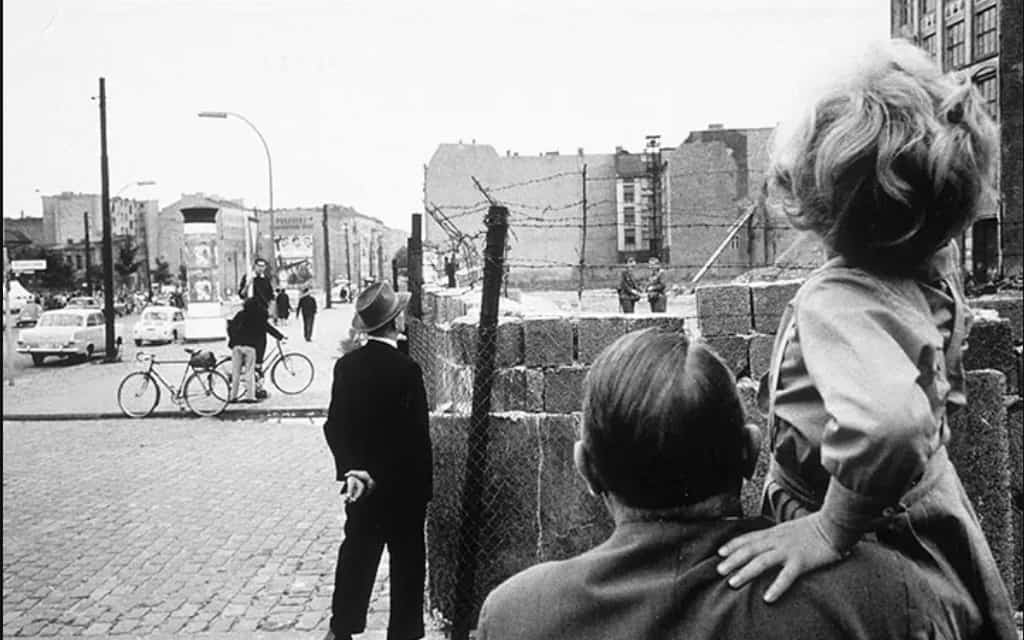
The Command Economy: State Control and Planned Production
At the heart of the East Berlin experience under communism was the command economy, a system where the state, rather than market forces, dictated the production and distribution of virtually all goods and services. This top-down approach aimed to achieve specific societal goals, such as full employment and equitable distribution, but often resulted in inefficiencies and a disconnect between planned output and actual consumer demand.
Central Planning and Quotas
The economic blueprint for East Berlin was meticulously crafted by state planning agencies. Every factory, farm, and enterprise operated under strict directives, outlining precisely what to produce, in what quantities, and by when. These production quotas were the bedrock of the command economy, designed to ensure that key industries met national targets. For instance, the state might mandate the production of a certain number of Trabant cars, a specific tonnage of steel, or a designated volume of bread. While this system could mobilize resources towards strategic sectors, it often stifled innovation and responsiveness to the nuanced needs of consumers. Factories might churn out goods that were either overproduced or in chronic shortage, depending on the accuracy of the planners’ foresight and the rigidity of the system.
State Ownership and Absence of Private Enterprise
The defining characteristic of the communist economic model in East Berlin was the near-complete absence of private ownership of the means of production. Large industries, factories, shops, and even many small businesses were state-owned and operated. This eliminated the competitive pressures of a free market, meaning that businesses did not strive for efficiency to outdo rivals or for product quality to attract customers in the same way they did in the West. Instead, their primary directive was to meet the state-assigned quotas. This lack of private enterprise meant that entrepreneurial spirit was suppressed, and opportunities for individuals to build personal wealth through business ventures were severely limited. The state was the ultimate employer, supplier, and distributor, creating a monolithic economic structure.
The Economic Landscape of Daily Life: Employment, Wages, and Consumption
The daily economic realities for East Berliners were a direct consequence of the command economy. While the system guaranteed employment and provided basic necessities at subsidized prices, it also led to distinct challenges in terms of purchasing power, access to quality goods, and the ability to accumulate personal wealth.
Guaranteed Employment and Subsidized Necessities
One of the most significant promises of the communist system was full employment, and East Berlin was largely successful in this regard. Unemployment was virtually non-existent, as the state ensured that everyone who could work was assigned a job. This provided a sense of economic security for many, a stark contrast to the anxieties of job loss that could plague market economies. Furthermore, essential goods and services, such as bread, milk, public transportation, and rent, were heavily subsidized by the state. This meant that basic living costs were kept artificially low, allowing even those with modest wages to afford fundamental necessities. The intention was to ensure a baseline standard of living for all citizens, regardless of their profession or individual economic standing.
Wage Structures and Limited Purchasing Power
While employment was guaranteed, wage differentials in East Berlin were generally narrower than in Western capitalist societies. The system aimed for a more egalitarian distribution of income, meaning that the gap between the highest and lowest earners was significantly smaller. However, this also meant that wage increases were often incremental and not tied to individual performance or market demand for specific skills in the same way. Moreover, the purchasing power of these wages was constrained by the availability and quality of consumer goods. Even if one had the money, acquiring desirable items like durable clothing, modern appliances, or even certain types of food could be a challenge due to shortages and long waiting lists. The state’s control over production meant that the variety and quality of goods often lagged behind international standards, impacting the tangible value of earned wages.
The Scarcity Economy and Queues
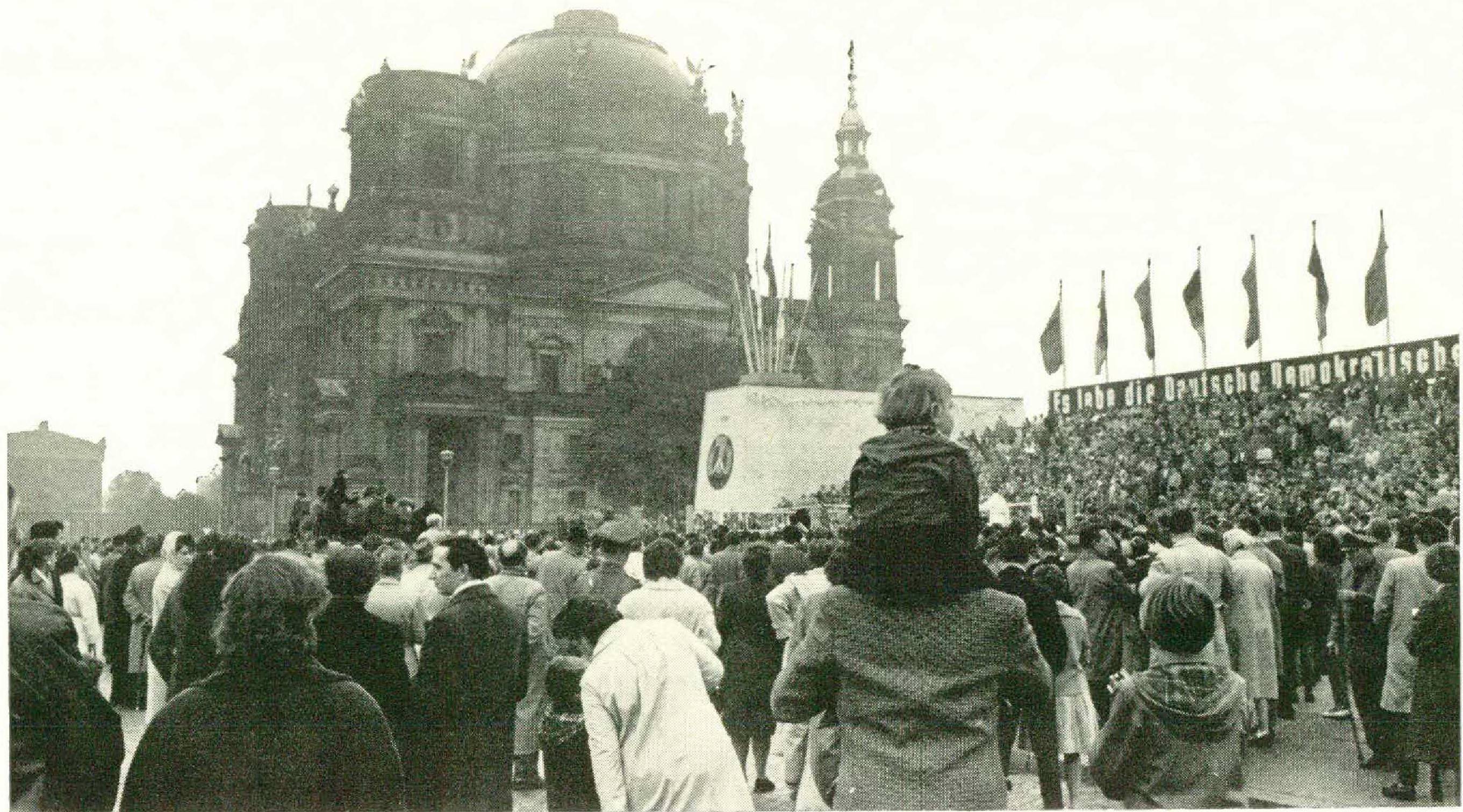
The pervasive issue of scarcity was a defining feature of the East Berlin economic experience. Despite the central planners’ best efforts, shortages of many consumer goods were a chronic problem. This led to the ubiquitous phenomenon of queuing. Citizens would spend significant portions of their free time waiting in line for items that were in limited supply, from fresh produce to popular clothing brands or even spare parts for their cars. The “black market” and informal networks also played a role, where individuals would try to obtain scarce goods through personal connections or by paying inflated prices outside official channels. This scarcity not only impacted daily life but also influenced how people perceived the value of money and the effort required to acquire desired items.
The Shadow Economy and Financial Aspirations
While the official economy was centrally planned, a parallel informal or “shadow” economy existed in East Berlin, driven by the limitations of the official system and the inherent human desire for more and better goods and services. This shadow economy, along with limited avenues for financial growth, shaped the financial aspirations and strategies of East Berliners.
The Role of the Black Market and “Befreundete” Networks
The scarcity of goods and the limitations of the official wage system fostered the growth of a shadow economy. This often manifested as a black market, where individuals traded in goods that were difficult to obtain through official channels, frequently at prices significantly higher than the state-regulated rates. This could involve anything from imported Western goods, which were highly coveted, to scarce domestic products. Beyond outright illegal trading, informal networks of friends and acquaintances played a crucial role. “Befreundete” (befriended) networks were essential for navigating the system; knowing someone who worked in a specific trade or store could mean access to desired items or services that were otherwise unavailable. This informal system was less about formal financial transactions and more about reciprocal favors and trusted relationships, but it had profound financial implications for individuals seeking to improve their quality of life.
Limited Avenues for Personal Wealth Accumulation
The communist ideology of East Germany, like that of other socialist states, discouraged significant personal wealth accumulation. Private property was largely restricted, and the concept of investment in the Western sense (stocks, bonds, or private real estate) was non-existent. Savings accounts existed, but interest rates were typically low, and the range of goods and services that could be purchased with savings was often limited. The primary financial goal for many East Berliners was not to become rich, but to secure basic necessities, obtain a decent apartment (often state-allocated), and perhaps acquire a few desired consumer goods through patient saving or by leveraging their informal networks. The ambition for financial independence and significant capital growth, so prevalent in market economies, was largely absent from the official discourse and the practical realities of life in East Berlin.
Remittances and the Influence of the West
For some East Berliners, particularly those with family in West Berlin or West Germany, remittances played a role in their financial lives. Money sent from the West, often in Deutschmarks (West German currency), provided access to goods and services that were difficult or impossible to obtain through the East German economy. This also led to a dual economy in practice, where those with access to Western currency had significantly more purchasing power. Furthermore, the constant presence of Western television and radio broadcasts offered a glimpse into a world of consumer abundance, creating a tangible contrast with the economic realities of the East. This exposure, coupled with the ability to sometimes receive goods or currency from the West, contributed to a complex set of financial aspirations and a nuanced understanding of economic disparity.
The Economic Legacy and Transition
The fall of the Berlin Wall in 1989 and the subsequent reunification of Germany in 1990 marked a seismic shift in the economic landscape of East Berlin. The transition from a centrally planned economy to a social market economy was a challenging but ultimately transformative process, with lasting implications for the financial lives of its citizens.
The Challenges of Privatization and Economic Restructuring
The immediate aftermath of reunification saw the privatization of state-owned enterprises. This process was fraught with difficulties. Many East German industries, inefficient and uncompetitive, were either shut down or sold off to West German companies, leading to significant unemployment. The once-guaranteed jobs disappeared, and individuals had to adapt to a new economic reality driven by market forces, competition, and the need for new skills. The state-provided safety net of full employment was dismantled, and the economic security it offered was replaced by the uncertainty of a competitive labor market.

The Widening Economic Divide and Long-Term Adjustments
While reunification brought economic opportunities and access to a wider range of goods and services, it also exposed and, in some cases, exacerbated economic disparities. Many East Germans found themselves at a disadvantage in the new market economy, facing lower wages and higher living costs compared to their Western counterparts. The accumulation of personal wealth and the pursuit of ambitious financial goals, previously constrained by the communist system, became more attainable for some, but the legacy of decades of a different economic system meant that the journey towards economic parity was a long and complex one, with lingering economic and social adjustments still being felt today. The economic memory of communism in Berlin is thus not just about the past, but also about the profound and ongoing process of navigating its economic aftermath.
aViewFromTheCave is a participant in the Amazon Services LLC Associates Program, an affiliate advertising program designed to provide a means for sites to earn advertising fees by advertising and linking to Amazon.com. Amazon, the Amazon logo, AmazonSupply, and the AmazonSupply logo are trademarks of Amazon.com, Inc. or its affiliates. As an Amazon Associate we earn affiliate commissions from qualifying purchases.