
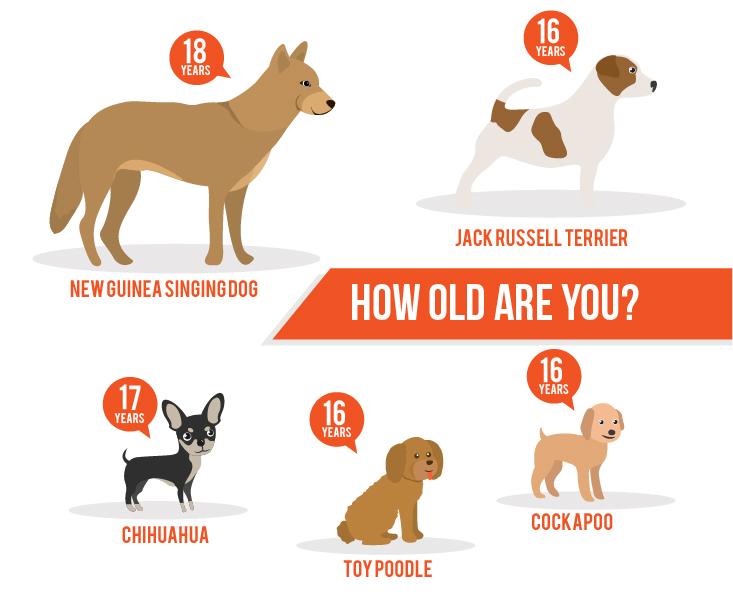
For decades, the question of “what breed of dog lives the longest” was answered with anecdotal evidence and small-scale veterinary surveys. We knew that smaller breeds, like the Jack Russell Terrier or the Chihuahua, generally outlived their larger counterparts like the Great Dane. However, the “why” and the precise “how long” remained shrouded in statistical noise. Today, the intersection of big data, genomic sequencing, and artificial intelligence is transforming pet longevity from a matter of chance into a field of high-tech precision.

As we move deeper into the era of “PetTech,” identifying which breeds live the longest is no longer just about observing life cycles; it is about analyzing the digital blueprints of canine biology. Through the lens of modern technology, we are discovering that longevity is a complex algorithm of genetics, environment, and proactive technological intervention.
The Rise of Veterinary Big Data: How Tech Identifies Longevity Patterns
The shift from anecdotal observations to data-driven insights began with the digitization of veterinary records. In the past, mortality data was fragmented across thousands of independent clinics. Today, cloud-based practice management software and centralized databases allow researchers to aggregate millions of data points to provide definitive answers on breed longevity.
Aggregating Electronic Health Records (EHRs)
Large-scale initiatives, such as the VetCompass program led by the Royal Veterinary College, utilize natural language processing (NLP) and machine learning to scrub millions of electronic health records. By analyzing these records, AI can identify patterns in lifespan that were previously invisible. For instance, recent tech-driven studies confirmed that the Jack Russell Terrier holds a high-ranking spot for longevity, with an average life expectancy of 12.7 years, while the French Bulldog—a breed soaring in popularity—shows a significantly lower life expectancy due to brachycephalic obstructive airway syndrome (BOAS).
This data aggregation allows owners and veterinarians to look past the “average” and see the trajectory of a breed’s health. By applying predictive modeling to these datasets, tech platforms can now provide “longevity curves” for specific breeds, helping owners understand the likely health milestones their dogs will hit based on real-world data from millions of peers.
Predictive Analytics in Breed-Specific Health Outcomes
Predictive analytics is the next frontier in determining canine lifespan. By feeding historical health data into neural networks, tech companies can now predict which specific ailments are likely to shorten the life of a particular breed. If the data shows a high incidence of mitral valve disease in Cavalier King Charles Spaniels at age seven, AI-driven diagnostic tools can flag early markers in individual dogs years before symptoms appear. This “early warning system” effectively extends the lifespan of the breed by shifting veterinary medicine from reactive treatment to proactive, tech-enabled prevention.
Genetic Sequencing and the Digital Blueprint of Dog Aging
If big data tells us how long a breed lives, genomics tells us why. The field of canine genetics has exploded thanks to the falling cost of DNA sequencing and the rise of consumer-facing biotech tools. We are now mapping the digital blueprint of dog aging at the molecular level.
DNA Mapping: Beyond Ancestry to Lifespan Prediction
Companies like Embark and Wisdom Panel have moved beyond simple breed identification. Their platforms now analyze hundreds of genetic markers associated with longevity and hereditary diseases. By identifying “longevity genes”—specific sequences that correlate with extended life in certain breeds—biotechs are creating a database of the “optimal” canine genome.
When a user asks what breed lives the longest, the answer is increasingly found in the telomeres (the protective caps on chromosomes). Tech-driven research is currently investigating why certain small breeds maintain telomere length longer than large breeds. This genetic mapping is essential because it allows for “precision breeding,” where data is used to select for longevity traits, potentially raising the average lifespan of even the shortest-lived breeds through informed, technological intervention.

The Dog Aging Project: A Citizen Science Revolution
One of the most ambitious tech-driven initiatives in this space is the “Dog Aging Project.” This massive “citizen science” undertaking uses a sophisticated web platform to track the lives of tens of thousands of dogs over a decade. Participants provide DNA samples and regular health updates, which are then processed using high-performance computing (HPC) to identify the biological and environmental determinants of a long life.
This project is a prime example of how open-source data and collaborative technology are answering the longevity question. It isn’t just looking at the breed; it’s looking at the interaction between the breed’s genetics and its “exposome”—the sum of all environmental exposures. This holistic, data-heavy approach is providing the most nuanced answer to date on why a Toy Poodle might outlive a Golden Retriever.
IoT and Wearables: Real-Time Data Collection for Life Extension
The hardware revolution in the pet industry—specifically the Internet of Things (IoT)—is providing a continuous stream of biometric data that was previously impossible to collect. Wearable technology is now a primary tool in monitoring the health metrics that contribute to a long life.
Biometric Monitoring via Smart Collars
Smart collars equipped with accelerometers, GPS, and heart rate monitors (such as those from Whistle or FitBark) are the “Apple Watches” for dogs. These devices track activity levels, sleep quality, and even scratching or licking frequency. For breeds predisposed to heart issues or obesity (a major life-shortener), this real-time biometric feedback is a game-changer.
For example, a sudden decrease in “active minutes” or an increase in resting heart rate—captured by the collar’s sensors and analyzed by an app’s algorithm—can alert an owner to a brewing health crisis weeks before physical symptoms manifest. In the context of longevity, these devices ensure that the dog remains in the “optimal zone” for health, effectively mitigating the risks that typically shorten a breed’s lifespan.
Turning Behavioral Data into Early Warning Systems
Beyond physical health, IoT devices are beginning to monitor cognitive health. Cognitive Dysfunction Syndrome (CDS) is a significant factor in the declining quality of life for aging dogs. New tech tools use AI to analyze behavioral patterns—such as “sundowning” or disorientation—tracked through home sensors. By identifying these patterns early, tech-enabled therapies and specialized diets can be introduced to slow the progression of aging, ensuring that the breed doesn’t just live longer, but remains “digitally monitored” for peak performance throughout its senior years.
The Future of Canine Longevity: AI-Driven Therapeutic Interventions
We are entering a phase where technology doesn’t just monitor aging; it seeks to reverse or slow it. The quest to find out which breed lives the longest is evolving into a quest to make every breed live longer through advanced bio-tech and AI-driven drug discovery.
Drug Discovery and the Quest for the “Longevity Pill”
Biotech startups like Loyal are using AI to develop compounds specifically designed to extend canine lifespan. By using machine learning to simulate how different drugs interact with the metabolic pathways of different breeds, they are fast-tracking the development of “longevity pills.”
One of their primary targets is the cellular mechanism that causes large breeds to age faster than small breeds. By using data to understand the growth factor (IGF-1) pathways that differ between a Chihuahua and a Great Dane, these companies are developing therapies that could potentially bridge the longevity gap. This represents a monumental shift: the “longest-living breed” might soon be determined not by nature, but by which breed responds best to these bio-technological interventions.
Ethical Implications of Tech-Enhanced Lifespans
As we use technology to push the boundaries of canine life expectancy, we encounter a new set of ethical and digital considerations. The “quantified dog” raises questions about data privacy for pet owners and the ethics of genetic editing. However, from a technological standpoint, the momentum is unstoppable. The integration of CRISPR gene editing, AI diagnostics, and IoT monitoring is creating a future where “breed” is merely a baseline, and the ceiling for longevity is constantly being raised by innovation.
The answer to “what breed of dog lives the longest” is currently a moving target because technology is actively changing the variables. While the Jack Russell Terrier and the Shiba Inu currently top the charts, the real winner in the longevity race is the breed that is most closely integrated into the emerging ecosystem of PetTech. Through the power of data, genetics, and real-time monitoring, we are not just discovering which dogs live the longest—we are building the technology to ensure they all live longer, healthier lives.
aViewFromTheCave is a participant in the Amazon Services LLC Associates Program, an affiliate advertising program designed to provide a means for sites to earn advertising fees by advertising and linking to Amazon.com. Amazon, the Amazon logo, AmazonSupply, and the AmazonSupply logo are trademarks of Amazon.com, Inc. or its affiliates. As an Amazon Associate we earn affiliate commissions from qualifying purchases.