
The question “what are the natural resources?” might seem deceptively simple, a foundational concept often covered in early education. However, a deeper exploration reveals a complex interplay between our planet’s bounty and the relentless march of technological advancement. In the 21st century, understanding natural resources is not just about geology or geography; it’s intrinsically linked to the development and deployment of technology, the very tools that shape our modern existence. This article will delve into the multifaceted nature of natural resources, examining their classification, their critical role in technological innovation, and the emerging technological solutions for their sustainable management and utilization.
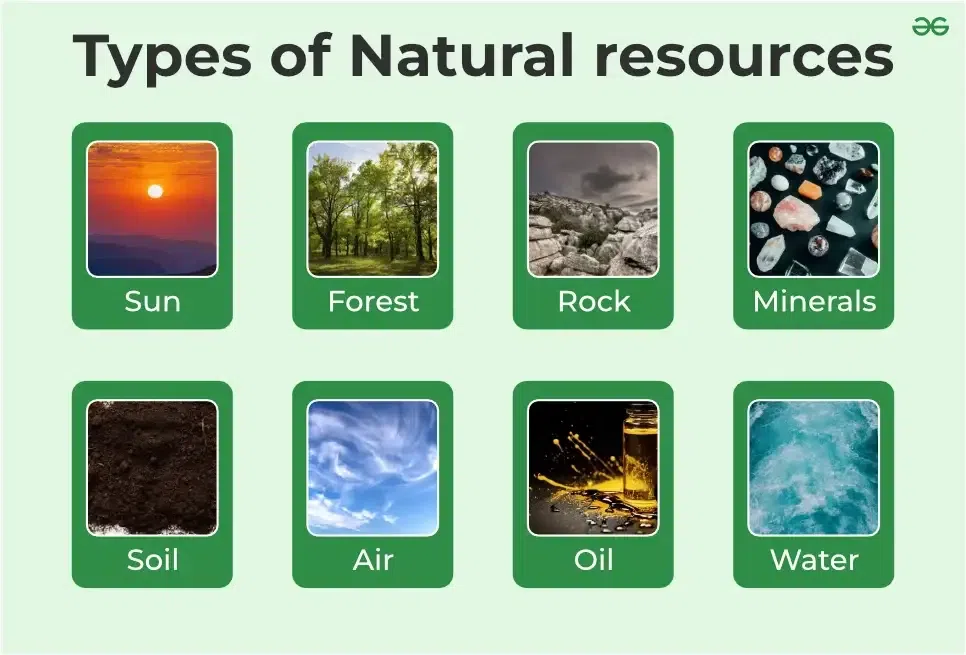
The Foundation: Defining and Classifying Natural Resources
At its core, a natural resource is any material or substance that occurs in nature and can be exploited for economic gain. These resources are not created by humans; they are gifts from the Earth, formed through geological, biological, and atmospheric processes over vast timescales. The ability to classify them helps us understand their availability, renewability, and the challenges associated with their extraction and use.
Renewable vs. Non-Renewable Resources
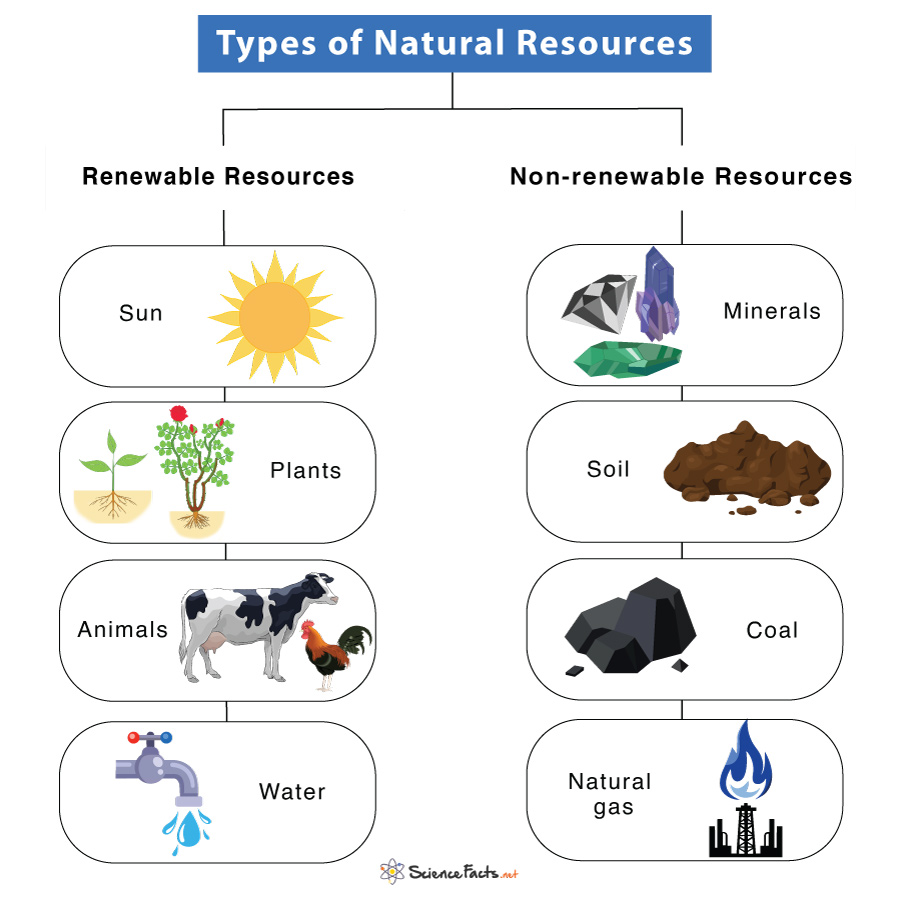
The most fundamental distinction in classifying natural resources is between those that are renewable and those that are non-renewable.
Renewable Resources: Replenished by Nature
Renewable resources are those that can be replenished naturally over relatively short periods, either through biological reproduction or natural cycles. The key characteristic is that their rate of regeneration is generally faster than or equal to their rate of consumption, provided they are managed sustainably.
- Solar Energy: The sun’s radiant energy is a virtually inexhaustible resource that can be harnessed for electricity generation (photovoltaics) and heating. Its availability is constant, though its intensity varies with time of day, season, and geographic location.
- Wind Energy: The kinetic energy of moving air, driven by solar heating of the atmosphere, can be converted into electricity using wind turbines. Wind is a consistent phenomenon, although its speed and reliability can be site-specific.
- Hydropower: The energy of moving water, typically from rivers or dams, is a long-established source of renewable energy. It relies on the water cycle, which is driven by solar energy.
- Geothermal Energy: Heat from the Earth’s interior can be accessed and used for heating and electricity generation. This resource is continuously produced within the planet.
- Biomass: Organic matter from plants and animals, such as wood, crops, and agricultural waste, can be used as fuel for energy or converted into biofuels. This resource is renewable as long as plants can be regrown.
- Water: While seemingly abundant, freshwater is a finite and increasingly scarce resource in many regions. Its renewability depends on the water cycle, but overuse and pollution can deplete local supplies.
- Forests: Trees are a vital renewable resource, providing timber, paper, and absorbing carbon dioxide. Sustainable forestry practices are crucial for their long-term availability.
- Soil: Fertile soil is essential for agriculture and is a renewable resource through natural processes of decomposition and nutrient cycling. However, degradation due to erosion and unsustainable farming can render it non-renewable for practical purposes.
Non-Renewable Resources: Finite Stocks
Non-renewable resources exist in fixed quantities within the Earth’s crust and are consumed at a rate far exceeding their natural formation. Once depleted, they are effectively gone for human timescales. Their extraction and utilization often involve complex geological processes and significant energy input.
- Fossil Fuels: This category includes coal, petroleum (oil), and natural gas. They are formed from the remains of ancient organic matter over millions of years under immense pressure and heat. Their combustion releases energy but also greenhouse gases.
- Minerals: These are inorganic, naturally occurring solids with a definite chemical composition and crystalline structure. Examples include iron ore, copper, aluminum, gold, and rare earth elements. These are mined from the Earth and their reserves are finite.
- Nuclear Fuels: Radioactive elements like uranium are used in nuclear power plants. While the energy released is immense, the supply of these elements is limited.
Other Important Classifications
Beyond renewability, resources can also be classified by their origin or intended use.
- Biological Resources: These are derived from living organisms, such as timber from forests, fish from oceans, and crops from agriculture.
- Mineral Resources: These are inorganic materials found in the Earth’s crust, as discussed under non-renewable resources.
- Water Resources: Crucial for all life and industrial processes, water is a unique resource with aspects of both renewability and scarcity.
- Energy Resources: This is a broad category encompassing all sources used to generate power, from fossil fuels to renewables.
Natural Resources: The Engine of Technological Innovation
The relationship between natural resources and technological advancement is symbiotic and profoundly influential. For millennia, the availability of specific resources has dictated the trajectory of human innovation and societal development. In the modern era, this connection has only intensified, with natural resources forming the bedrock upon which our digital, industrial, and communication technologies are built.
Raw Materials for Hardware and Infrastructure
The tangible components of our technological world are directly derived from natural resources.
- Metals and Alloys: From the copper wiring that transmits data to the silicon chips that power our devices, metals are indispensable. Iron ore is fundamental for steel, used in everything from construction to vehicle manufacturing. Aluminum, extracted from bauxite, is vital for lightweight components in aerospace and electronics. Precious metals like gold and platinum are critical for their conductivity and resistance to corrosion in sensitive electronic circuits.
- Rare Earth Elements (REEs): These 17 elements, though not always truly “rare,” are crucial for a vast array of modern technologies, including smartphones, electric vehicle motors, wind turbines, and advanced defense systems. Their unique magnetic, catalytic, and optical properties make them irreplaceable in many applications. The extraction and processing of REEs are complex and often geographically concentrated, raising significant geopolitical and environmental concerns.
- Plastics and Polymers: Derived primarily from petroleum, plastics have revolutionized product design and manufacturing due to their versatility, durability, and low cost. While offering immense utility, their reliance on a non-renewable resource and their persistence in the environment present significant challenges.
- Semiconductor Materials: Silicon, the cornerstone of the microelectronics industry, is abundant in Earth’s crust. However, the ultra-pure silicon required for microchips undergoes a highly sophisticated and energy-intensive purification process. Other semiconductor materials, like gallium arsenide, also rely on specific mineral resources.
- Fiber Optics: The transmission of digital information at the speed of light relies on glass, primarily made from silicon dioxide (sand). The purity of the silica and the precise manufacturing processes are technological marvels, yet the fundamental ingredient is a ubiquitous natural resource.
Energy for Powering the Digital Age
The ever-increasing demand for computational power, data storage, and connectivity in the digital age is fueled by energy resources.
- Fossil Fuels: Historically, and still to a significant extent today, coal, oil, and natural gas have powered the industrial revolution and the initial growth of the digital infrastructure. Data centers, manufacturing plants, and transportation networks all rely heavily on these energy sources.
- Renewable Energy Sources: As concerns about climate change and resource depletion grow, the shift towards renewable energy sources is paramount. Solar panels, wind turbines, and hydropower dams are increasingly contributing to powering the digital infrastructure, from individual devices to massive server farms. The development of more efficient and cost-effective renewable energy technologies is a direct driver of technological progress in energy management and grid stability.
- Nuclear Energy: While controversial, nuclear power provides a significant source of low-carbon electricity, crucial for powering energy-intensive industries and the infrastructure that supports advanced computing.
Water: An Unsung Hero of Technology
Often overlooked in discussions of technological resources, water is fundamental to many manufacturing processes, particularly in the electronics industry.
- Semiconductor Fabrication: The production of microchips requires extremely pure water for cleaning and rinsing wafers at various stages of the manufacturing process. The precision required is so high that even trace impurities can render a chip unusable.
- Cooling Systems: Large data centers and power plants rely on water for cooling to prevent overheating and maintain operational efficiency.
- Resource Extraction: Many industrial processes involved in extracting and refining raw materials, from mining to oil and gas extraction, require significant amounts of water.
Sustainable Resource Management: The Technological Frontier
The finite nature of many natural resources, coupled with the environmental consequences of their extraction and consumption, has spurred significant technological innovation focused on sustainability. This is not merely about conservation; it’s about intelligent utilization, circular economy principles, and developing alternatives.
Advanced Extraction and Processing Technologies
Technological advancements are enabling more efficient and less environmentally damaging methods for extracting and processing natural resources.
- Precision Mining: Technologies like GPS, drones, and remote sensing are used to map mineral deposits with greater accuracy, optimizing extraction and minimizing waste. Automation and robotics are reducing the need for human intervention in hazardous environments.
- Improved Refining Techniques: Sophisticated chemical and physical processes are being developed to extract valuable materials from lower-grade ores or waste streams, thereby extending the life of existing deposits.
- Water Management Technologies: Innovations in water purification, desalination, and water recycling are crucial for reducing the water footprint of industrial processes, especially in water-scarce regions.
The Rise of the Circular Economy and Material Science
The concept of a circular economy, where resources are kept in use for as long as possible, is heavily reliant on technological solutions.
- Recycling and Upcycling Technologies: Advanced sorting, shredding, and chemical recycling processes are making it possible to recover valuable materials from waste streams more effectively. This reduces the demand for virgin resources and mitigates pollution.
- Material Science and Nanotechnology: Researchers are developing novel materials with enhanced properties that can reduce the amount of resource needed, improve durability, or enable entirely new applications. This includes biodegradable plastics, advanced composites, and more efficient catalysts.
- 3D Printing (Additive Manufacturing): This technology allows for the creation of complex objects layer by layer, often using recycled or novel materials. It can reduce material waste significantly compared to traditional subtractive manufacturing methods.
Monitoring and Management Through Data and AI
The application of data analytics, artificial intelligence (AI), and the Internet of Things (IoT) is revolutionizing how we monitor and manage natural resources.
- Environmental Monitoring: Sensors deployed in forests, oceans, and mines collect real-time data on resource levels, environmental impact, and potential risks. This data can be analyzed to identify patterns, predict issues, and inform policy decisions.
- Predictive Maintenance: AI algorithms can predict when machinery used for resource extraction or processing is likely to fail, reducing downtime and optimizing resource efficiency.
- Resource Allocation and Optimization: AI can analyze complex datasets to optimize the allocation and utilization of resources across different industries and regions, ensuring that they are used where they are most needed and efficiently.
- Supply Chain Transparency: Blockchain technology, often coupled with IoT sensors, can provide unprecedented transparency in supply chains, allowing for the traceability of resources from origin to end-product, and helping to identify ethical and sustainable sourcing practices.

Conclusion: Navigating the Future of Natural Resources
The question “what are the natural resources?” leads us on a journey through the fundamental building blocks of our planet and the complex technological systems we have built upon them. From the raw minerals that form our devices to the energy that powers our digital lives, natural resources are inextricably linked to technological progress.
As the global population grows and our technological demands expand, the imperative to manage these precious resources sustainably has never been greater. Fortunately, technological innovation is not just the driver of resource consumption; it is also the key to their responsible stewardship. By embracing advancements in extraction, material science, recycling, and data-driven management, we can strive to create a future where technological prosperity does not come at the expense of our planet’s vital natural capital. The ongoing evolution of technology offers a powerful toolkit for navigating this critical balance, ensuring that the resources that have fueled our past can continue to support a sustainable and prosperous future.
aViewFromTheCave is a participant in the Amazon Services LLC Associates Program, an affiliate advertising program designed to provide a means for sites to earn advertising fees by advertising and linking to Amazon.com. Amazon, the Amazon logo, AmazonSupply, and the AmazonSupply logo are trademarks of Amazon.com, Inc. or its affiliates. As an Amazon Associate we earn affiliate commissions from qualifying purchases.