
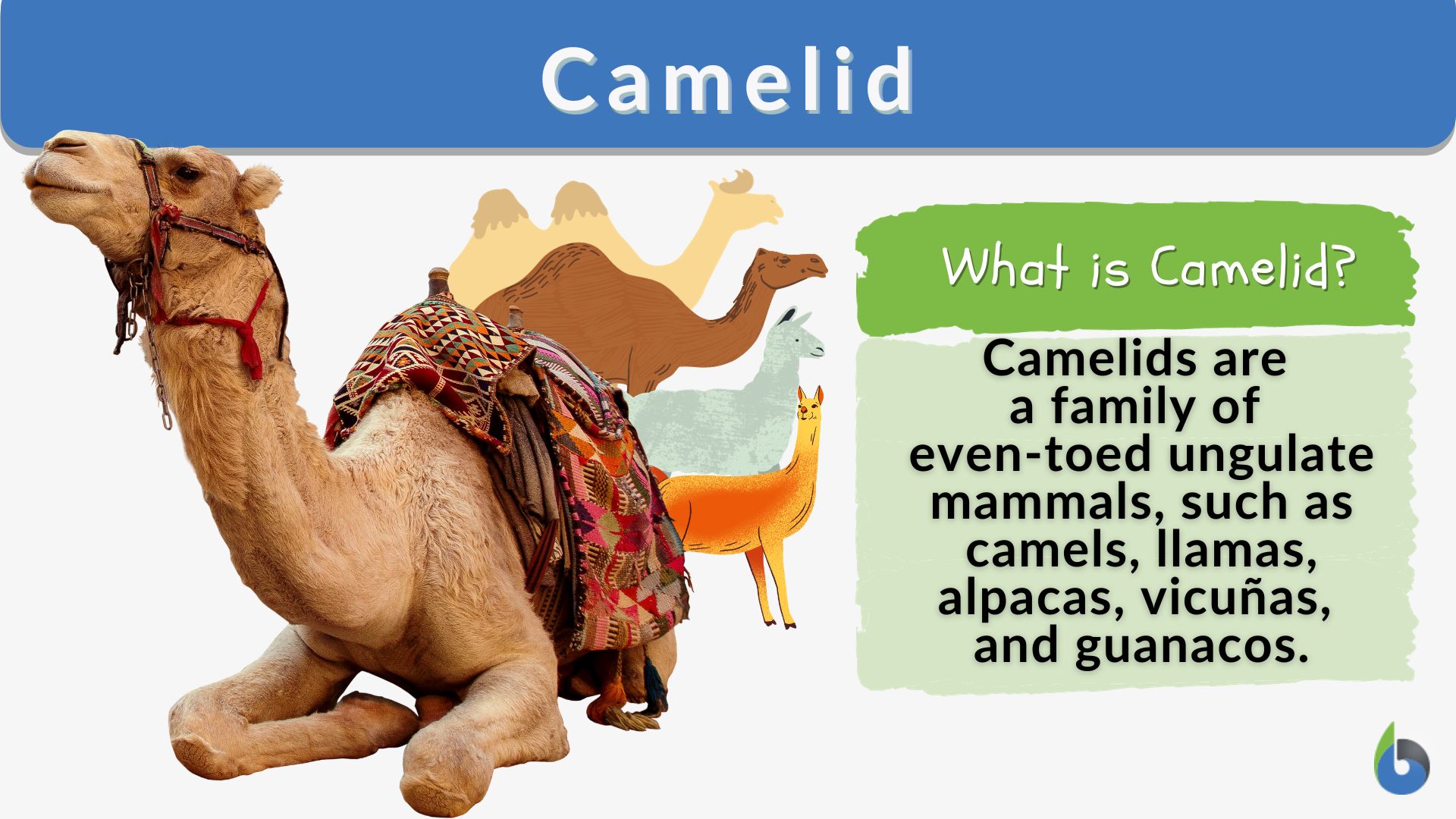
The global agricultural landscape is undergoing a significant transformation as investors look beyond traditional cattle and poultry toward alternative livestock assets. Among the most promising and specialized sectors is the camelid industry. Often misunderstood as a niche hobbyist market, the camelid industry—comprising alpacas, llamas, camels, vicuñas, and guanacos—represents a multi-billion dollar global trade spanning luxury textiles, pharmaceutical research, and sustainable food systems. For the modern investor or agribusiness entrepreneur, understanding which animals form the backbone of this industry and how they generate value is essential for navigating this high-growth sector.

The Economic Composition of the Camelid Sector
The “camelid industry” is not a monolith; it is a segmented market where different biological species fulfill specific economic roles. Understanding the financial “formation” of this industry requires a breakdown of the animals involved and the capital they represent.
The Foundation: Alpacas and the Luxury Fiber Market
Alpacas are the primary drivers of the camelid economy in the Western world. Divided into two breeds—Huacaya (dense, crimpy fleece) and Suri (long, silky locks)—alpacas are bred almost exclusively for their fiber. From a financial perspective, alpaca fiber is categorized as a “specialty animal fiber,” competing with cashmere and mohair. The market value of an alpaca is determined by its “fineness” (measured in microns), density, and color consistency. High-quality breeding stock can fetch anywhere from $5,000 to $50,000, making them a high-cap asset for specialized farms.
The Utility Asset: Llamas in Commercial Logistics and Guarding
While alpacas provide the fiber, llamas provide the utility. Historically used as pack animals, the modern llama industry has diversified into “guard animals” for sheep and goat flocks, reducing predator-related losses for traditional farmers. This creates a unique “insurance-style” value proposition for llamas. Additionally, a growing market for trekking and agritourism has turned llamas into revenue-generating service animals, where the ROI is calculated through service fees rather than raw commodity output.
The High-Value Frontier: Vicuñas and Guanacos
The vicuña and guanaco represent the ultra-luxury tier of the industry. The vicuña, a wild relative of the alpaca, produces the rarest and most expensive fiber in the world, often called “the fiber of the gods.” Because vicuñas cannot be domesticated and must be captured, sheared, and released under strict government regulation (primarily in Peru), the supply is incredibly limited. This scarcity drives the price of vicuña cloth to upwards of $1,000 to $3,000 per yard, representing a pinnacle of vertical integration for luxury brands and high-net-worth investment groups.
Revenue Streams and Profitability Models
Investing in the camelid industry requires a clear understanding of how these biological assets translate into cash flow. Unlike traditional livestock where the primary exit strategy is meat production, camelids offer a more complex, multi-year revenue model.
Fiber Production and Global Commodity Trading
The primary revenue stream for most camelid enterprises is the annual harvest of fiber. The profitability of fiber is dictated by the global textile market. Investors look at the “grease weight” versus “clean weight” of the fleece. For example, an alpaca might produce 5 to 10 pounds of fiber annually. When processed into yarn or high-end garments, the value-add can increase the margin by 300% to 500%. Professional operations often bypass middleman wholesalers to sell directly to boutique designers or launch their own vertically integrated brands to capture more of the value chain.
Breeding and Genetic Sales
For those with significant capital, the “seedstock” or breeding model offers the highest potential returns. This involves investing in “herdsires” with superior DNA profiles. In this model, the product is not the fiber, but the offspring. The sale of pregnant females (bred females) and the auctioning of breeding rights (stud fees) create a secondary market. This market functions similarly to the thoroughbred horse industry, where pedigrees and show winnings dictate the valuation of the animal as a financial asset.

The Emerging Camel Dairy and Meat Markets
While fiber is the dominant sector in the Americas and Europe, the camel (Dromedary and Bactrian) industry is a powerhouse in the Middle East, Africa, and parts of Australia. Camel milk is currently one of the fastest-growing segments in the functional food market, valued for its medicinal properties and lack of certain allergens found in cow’s milk. The investment in camel dairies requires higher initial infrastructure costs but offers daily cash flow—a stark contrast to the annual harvest cycle of fiber-producing camelids.
Financial Risk Management in Camelid Farming
As with any biological investment, the camelid industry carries inherent risks. A professional financial approach requires a rigorous analysis of capital expenditures (CAPEX) and operating expenses (OPEX).
Capital Expenditure and Initial Setup
The “entry price” for the camelid industry is higher than many realize. Beyond the cost of the animals themselves, an investor must account for secure fencing, climate-controlled shelters (especially for heat-sensitive alpacas), and specialized veterinary care. In terms of portfolio allocation, camelids are considered “illiquid assets.” Unlike stocks or gold, you cannot liquidate a herd of 200 alpacas overnight without significant price slippage. Therefore, they should be viewed as long-term (7–15 year) investments.
Maintenance Costs and Health Insurance
Operating expenses include high-quality hay, supplemental minerals, and annual shearing costs. A critical and often overlooked expense is specialized veterinary medicine. Because camelids are “induced ovulators” and have unique digestive systems (three-chambered stomachs), they require vets who specialize in camelid medicine. Furthermore, high-value breeding stock is often insured against mortality and infertility, adding a recurring premium to the OPEX that must be factored into the annual break-even analysis.
Market Volatility and Demand Shifts
The camelid industry is sensitive to shifts in the luxury goods market. During economic downturns, demand for $500 alpaca sweaters or $4,000 vicuña scarves may contract. Diversification is the primary hedge against this risk. Savory investors often combine fiber production with agritourism—such as farm stays or educational tours—to ensure a steady stream of income that is less dependent on the fluctuating price of raw commodities.
The Future of Camelid Investments: Sustainability and ESG
The modern financial world is increasingly focused on Environmental, Social, and Governance (ESG) criteria. The camelid industry is uniquely positioned to benefit from this trend, providing a “green” alternative to traditional livestock.
Sustainable Investing and Eco-Friendly Footprints
Camelids are “environmentally friendly” grazers. Unlike cattle or sheep, which have sharp hooves that can cause soil erosion, camelids have soft padded feet that do not damage the terrain. They also have a unique grazing style—they “snip” the grass rather than pulling it out by the roots, allowing for faster pasture regeneration. For investors looking to satisfy ESG mandates, camelid farming offers a compelling narrative of sustainable land use and a low carbon footprint compared to synthetic fiber production.
Technological Advancements in Yield Optimization
Technology is rapidly entering the camelid space, providing tools for better ROI tracking. From AI-driven health monitoring wearables that track animal movement and heart rate to advanced genetic mapping that predicts fiber quality before a cria (baby camelid) is even born, tech is de-risking the industry. These tools allow farm managers to optimize feed-to-fiber ratios, ensuring that every dollar spent on maintenance maximizes the financial output of the animal.
The Rise of “Slow Fashion” and Ethical Sourcing
As consumers move away from “fast fashion,” the demand for traceable, ethically sourced materials is skyrocketing. The camelid industry thrives in this environment. Investors who can prove the provenance of their fiber—showing exactly which animal it came from and the welfare standards of the farm—can command a significant “ethics premium” in the marketplace. This shift from a commodity-based model to a story-based, value-added model is where the future of the industry’s growth lies.
In conclusion, the animals that “form” the camelid industry—alpacas, llamas, camels, and their wild counterparts—represent a sophisticated asset class. By balancing the high-value potential of luxury fibers with the steady returns of dairy and the utility of service animals, investors can build a diversified agricultural portfolio. While the risks of livestock management are real, the combination of biological growth, commodity value, and the increasing demand for sustainable luxury makes the camelid industry a formidable niche in the global financial landscape.
aViewFromTheCave is a participant in the Amazon Services LLC Associates Program, an affiliate advertising program designed to provide a means for sites to earn advertising fees by advertising and linking to Amazon.com. Amazon, the Amazon logo, AmazonSupply, and the AmazonSupply logo are trademarks of Amazon.com, Inc. or its affiliates. As an Amazon Associate we earn affiliate commissions from qualifying purchases.