
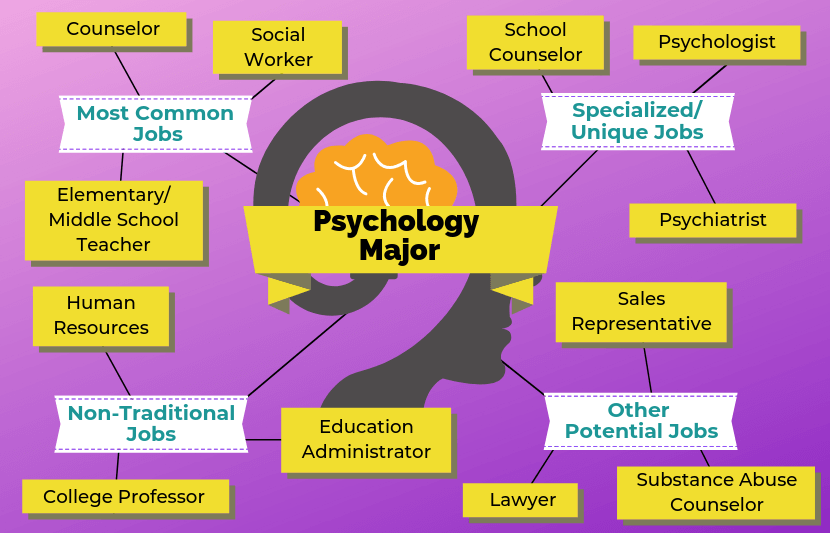
The traditional image of a psychology graduate often conjures up scenes of therapy rooms, research labs, or academic lecture halls. While these are indeed vital pathways, the modern job market, particularly within the dynamic world of technology, presents a surprisingly broad and lucrative landscape for individuals with a psychology degree. Far from being confined to the clinical, a foundational understanding of human behavior, cognition, and motivation is incredibly valuable, and often essential, for innovation, product development, user experience, and marketing in the tech industry. This article explores the myriad ways a psychology major can be a springboard into a successful and fulfilling career within the tech sector, highlighting the transferable skills and specific roles where psychological insights are not just beneficial, but transformative.
The Ubiquitous Influence of Psychology in Tech
Technology is not created in a vacuum; it is designed for humans. Therefore, understanding the “human element” is paramount to creating effective, engaging, and successful technological products and services. Psychology, with its deep exploration of how people think, learn, interact, and make decisions, provides the critical lens through which tech companies can build better solutions. This isn’t about diagnosing users, but about empathizing with them, predicting their needs, and crafting experiences that resonate.
Understanding User Behavior and Motivation
At its core, technology aims to solve problems or fulfill desires for its users. A psychology degree equips individuals with the tools to dissect these user needs and motivations. Concepts like operant conditioning, cognitive biases, social influence, and motivation theories are not abstract academic exercises; they are practical frameworks for understanding why users adopt new technologies, how they interact with interfaces, and what drives their engagement (or disengagement). For instance, understanding principles of habit formation can inform the design of apps that encourage daily use, while knowledge of cognitive load can help create intuitive and user-friendly interfaces that minimize frustration.
The Foundation for Human-Computer Interaction (HCI)
Human-Computer Interaction (HCI) is a field that sits at the intersection of computer science, psychology, and design. It focuses on the design, evaluation, and implementation of interactive computing systems for human use and the study of major phenomena surrounding them. A psychology major possesses a significant advantage here. Their understanding of perception, attention, memory, and problem-solving directly translates into creating interfaces that are not just functional but also aesthetically pleasing, easy to learn, and efficient to use. This translates into careers in UX/UI design, where the goal is to create seamless and enjoyable experiences for users.
Data-Driven Insights and Behavioral Economics
The tech industry is increasingly reliant on data. While data scientists and analysts crunch numbers, it is often individuals with a psychology background who can interpret the “why” behind the data. Understanding statistical methods, research design, and inferential statistics, common in psychology curricula, allows for a deeper analysis of user behavior data. Furthermore, the principles of behavioral economics, which blend psychology and economics to understand decision-making, are crucial for designing features that nudge users towards desired actions, optimize conversion rates, and create effective monetization strategies. This opens doors in areas like product analytics, growth hacking, and even market research within tech companies.
Diverse Tech Roles for Psychology Graduates
The skills honed in a psychology program are highly transferable and applicable to a wide array of roles within the technology sector. The emphasis on critical thinking, research, communication, and empathy makes psychology graduates versatile candidates for positions that require a deep understanding of people.
User Experience (UX) and User Interface (UI) Design
This is perhaps the most direct and popular career path for psychology majors in tech. UX designers are responsible for ensuring that a product is useful, usable, and desirable for the target audience. They conduct user research, create user personas, map user journeys, and prototype interfaces. Their psychological training allows them to anticipate user needs, identify pain points, and design solutions that are intuitive and satisfying. UI designers, closely related, focus on the visual elements and interactivity of the product, ensuring that the interface is not only functional but also aesthetically appealing and easy to navigate. A psychology background provides the foundational understanding of visual perception, attention, and cognitive processing that informs effective UI design.
Product Management
Product managers are the strategic leaders behind a technology product. They define the product vision, develop the roadmap, and prioritize features. A strong understanding of human psychology is invaluable here, as product managers need to understand what users want, how they will use the product, and what will make them loyal customers. They need to empathize with user needs, understand market trends driven by human behavior, and anticipate how changes in technology will affect user adoption. The ability to synthesize research, communicate effectively with diverse teams, and make data-informed decisions, all skills cultivated in psychology, are essential for product managers.
Marketing and Communications
Technology companies rely heavily on marketing to reach their target audiences and communicate the value of their products. Psychology graduates are well-equipped for roles in marketing, particularly in areas that involve understanding consumer behavior. They can contribute to developing effective marketing campaigns, crafting compelling messaging, and understanding the psychological drivers behind purchasing decisions. This includes roles in digital marketing, content strategy, social media management, and brand management, where an understanding of persuasion, influence, and consumer psychology is key.
Data Science and Analytics (with a Behavioral Focus)
While not a direct “tech” major, a psychology degree provides a strong foundation for a career in data science and analytics, especially when focusing on behavioral data. Psychology programs often include robust training in statistics, research methodology, and data interpretation. When combined with additional technical skills (which can be acquired through bootcamps or further education), psychology graduates can excel in analyzing user data to understand patterns of behavior, predict future trends, and inform product development and marketing strategies. They can identify correlations and causal relationships in user interactions, providing deeper insights than purely technical analysts might uncover.
Artificial Intelligence (AI) and Machine Learning (ML) – Ethical and Human-Centric Roles
As AI and ML become more pervasive, the need for ethical considerations and human-centric design grows exponentially. Psychology graduates can contribute significantly to the development of AI and ML systems by ensuring they are fair, unbiased, and align with human values. Roles in AI ethics, human-AI interaction design, and even AI training data curation require a deep understanding of human cognition, bias, and societal impact. Understanding how humans learn and make decisions is crucial for designing AI that can effectively collaborate with or assist humans, rather than replacing them in ways that could be detrimental.
Developing Essential Tech-Ready Skills Through Psychology
A psychology major cultivates a suite of transferable skills that are highly sought after in the technology industry. These are not merely academic concepts but practical competencies that translate directly into valuable contributions within a tech environment.
Critical Thinking and Problem-Solving
Psychology programs are built on a foundation of critical thinking. Students learn to analyze complex information, evaluate evidence, and formulate logical arguments. They are trained to identify underlying assumptions, question established beliefs, and approach problems from multiple perspectives. This analytical rigor is indispensable in the fast-paced and ever-evolving tech world, where identifying and solving complex technical and user-related challenges is a daily occurrence. Whether it’s debugging a complex system or understanding why users aren’t adopting a new feature, critical thinking is the bedrock.
Research and Analytical Skills
The scientific method is central to psychology. Students learn to design studies, collect and analyze data (often using statistical software), and interpret findings. This research acumen is directly applicable to user research, A/B testing, market analysis, and performance tracking in tech. The ability to design experiments, gather meaningful data, and derive actionable insights from it is a core requirement for many tech roles, from product development to marketing optimization.
Communication and Interpersonal Skills
Psychology emphasizes the importance of effective communication, both written and verbal. Students learn to articulate complex ideas clearly, listen actively, and engage in empathetic dialogue. They develop the ability to build rapport, understand different perspectives, and collaborate effectively within teams. In the tech industry, where cross-functional collaboration between engineers, designers, marketers, and business stakeholders is common, strong communication and interpersonal skills are vital for success. The ability to translate technical jargon for non-technical audiences or to effectively convey user needs to a development team is a significant asset.
Empathy and User-Centricity
Perhaps the most defining transferable skill from psychology to tech is empathy. Psychology inherently trains individuals to understand and consider the feelings, thoughts, and experiences of others. This deep understanding of human nature is the cornerstone of user-centric design and product development. Companies that prioritize empathy in their design process create products that truly resonate with their users, leading to higher satisfaction, engagement, and loyalty. Psychology graduates bring this inherent ability to step into the user’s shoes, making them invaluable in creating technology that is not only functional but also humane.
Bridging the Gap: Maximizing Your Psychology Degree for Tech Careers
While a psychology degree provides a strong foundation, proactive steps can further enhance your employability and success in the tech industry. It’s about strategically leveraging your existing skills and acquiring complementary technical competencies.
Acquiring Technical Proficiencies
Depending on your desired tech role, you may need to supplement your psychology education with technical skills. For UX/UI roles, learning design software like Figma, Sketch, or Adobe XD is essential. For data-centric roles, proficiency in programming languages like Python or R, and database management systems, is often required. Data visualization tools like Tableau or Power BI are also highly valuable. Many online courses, bootcamps, and certifications offer focused training in these areas, allowing you to build a practical skill set that complements your theoretical knowledge.
Building a Portfolio
Demonstrating your skills through a portfolio is crucial in the tech industry. For UX/UI roles, this means showcasing case studies of your design process, wireframes, prototypes, and user research findings. For data-focused roles, it could involve presenting analyses of public datasets or personal projects. Even for marketing or product roles, a portfolio can highlight successful campaigns, market analyses, or product strategy documents you’ve developed. Your psychology background can be framed within these projects to explain the human-centric rationale behind your decisions.
Networking and Internships
Actively networking within the tech industry is vital. Attend industry events, join online communities, and connect with professionals on platforms like LinkedIn. Informational interviews can provide invaluable insights into different roles and companies. Securing internships within tech companies is one of the most effective ways to gain hands-on experience, build your professional network, and demonstrate your capabilities to potential employers. Many companies actively seek out psychology interns for roles in UX research, user testing, and marketing.

Specializing and Identifying Niches
While a general psychology degree is a strong starting point, consider how you can specialize within the tech context. For instance, if you’re particularly interested in the psychology of learning, you might focus on educational technology (EdTech). If you’re fascinated by consumer behavior and persuasion, you might gravitate towards marketing technology (MarTech) or e-commerce. Identifying these niches allows you to tailor your skill development and career focus, making you a more targeted and attractive candidate.
In conclusion, a psychology major offers a remarkably versatile and valuable foundation for a thriving career in the technology sector. By understanding the fundamental principles of human behavior and cognition, and by strategically augmenting this knowledge with relevant technical skills, psychology graduates are exceptionally well-positioned to innovate, lead, and shape the future of technology. The tech industry increasingly recognizes that behind every successful product and service is a deep understanding of the people who will use it, making the insights gained from a psychology education not just relevant, but indispensable.
aViewFromTheCave is a participant in the Amazon Services LLC Associates Program, an affiliate advertising program designed to provide a means for sites to earn advertising fees by advertising and linking to Amazon.com. Amazon, the Amazon logo, AmazonSupply, and the AmazonSupply logo are trademarks of Amazon.com, Inc. or its affiliates. As an Amazon Associate we earn affiliate commissions from qualifying purchases.