
The quest for the perfect pork chop is often a culinary adventure, and at its heart lies the marinade. Far from being a mere flavor enhancer, a well-crafted marinade is a strategic tool that can transform a humble cut of pork into a tender, juicy, and unforgettable dish. In the realm of food preparation, much like in the world of business or technology, the right approach at the outset dictates the ultimate success. This exploration delves into what constitutes a “good” marinade, dissecting the essential components and strategic considerations that elevate pork chops from ordinary to exceptional, mirroring the principles of effective strategy and impactful design in professional settings.

The Strategic Pillars of Pork Chop Marinades
Just as a successful brand is built on core values and a clear mission, a superior pork chop marinade rests upon a foundation of key functional elements. These elements work in synergy to achieve the desired textural and flavor outcomes.
Acid: The Tenderizer and Flavor Catalyst
The primary role of an acidic component in a marinade is to break down the tough connective tissues within the pork. This process, akin to a meticulous dissection in a technical analysis, denatures proteins, making the meat more tender. However, the judicious use of acid is crucial. Over-application can lead to a mushy texture, an undesirable outcome that mirrors the pitfalls of over-engineering or an unfocused brand message.
- Citrus Juices: Lemon, lime, and orange juices offer a bright, zesty acidity that complements pork beautifully. They also introduce subtle fruity notes. A marinade with a base of citrus will lend itself well to lighter, fresher flavor profiles, perhaps paired with herbs like rosemary or thyme. The tanginess of citrus can cut through the richness of pork, creating a balanced bite.
- Vinegars: Various vinegars provide a spectrum of acidity and flavor.
- Apple Cider Vinegar: Its fruity undertones make it a classic pairing for pork, especially when combined with sweeteners like honey or brown sugar.
- Red Wine Vinegar: Offers a more robust, slightly fruity acidity, ideal for richer, more complex marinades. It pairs well with garlic, onions, and robust herbs.
- Balsamic Vinegar: Its inherent sweetness and complex, syrupy notes can create a deeply savory and slightly sweet glaze when reduced during cooking.
- Yogurt/Buttermilk: These dairy-based options offer a milder, lactic acid. They are excellent for creating incredibly tender pork without the risk of over-tenderizing, providing a gentler, more controlled breakdown of protein. This method is akin to iterative development, where gradual changes yield superior results.
Oil: The Flavor Carrier and Moisture Lock
The oil in a marinade serves a dual purpose: it acts as a solvent for fat-soluble flavor compounds, carrying them into the meat, and it helps to create a barrier that seals in moisture during cooking. This is analogous to how a robust digital platform can efficiently distribute and retain valuable data. The type of oil used can also contribute to the overall flavor profile.
- Olive Oil: Extra virgin olive oil provides a fruity, peppery note that works well in Mediterranean-inspired marinades. It’s a versatile choice that complements a wide range of herbs and spices.
- Vegetable/Canola Oil: These neutral oils are excellent for carrying flavors without imparting their own, making them ideal when you want the spices and herbs to be the stars of the show.
- Sesame Oil: Toasted sesame oil, in particular, offers a nutty, rich aroma and flavor, perfect for Asian-inspired marinades, often paired with soy sauce and ginger.
Flavor Builders: The Soul of the Marinade
This is where creativity and personal preference truly shine. Flavor builders are the aromatics, spices, and savory elements that define the character of your pork chops. The goal here is to build layers of taste that will penetrate the meat and create a complex, satisfying experience.
- Aromatics:
- Garlic: Whether minced, crushed, or roasted, garlic is a fundamental building block for countless marinades, offering a pungent depth.
- Onions/Shallots: Finely diced or grated, these add a sweet, savory base that softens beautifully during cooking.
- Ginger: Freshly grated ginger provides a zesty, slightly spicy kick, essential for many Asian and fusion marinades.
- Herbs:
- Fresh Herbs: Rosemary, thyme, sage, parsley, and cilantro offer vibrant, distinct notes. It’s best to add heartier herbs like rosemary and thyme earlier in the marinating process, while delicate herbs like parsley and cilantro can be added towards the end or as a garnish.
- Dried Herbs: While less potent than fresh, dried herbs like oregano, basil, and dill are convenient and effective. Remember to use them sparingly, as their flavor intensifies over time.
- Spices: Paprika, chili powder, cumin, coriander, black pepper, and red pepper flakes add warmth, heat, and complexity. The strategic deployment of spices can create anything from a gentle warmth to a fiery intensity.
- Savory Elements:
- Soy Sauce/Tamari: Provides umami and saltiness, crucial for depth of flavor.
- Worcestershire Sauce: Adds a complex blend of savory, sweet, and tangy notes.
- Mustard: Dijon, whole grain, or even yellow mustard can add a tangy bite and emulsifying properties.
- Miso Paste: Offers a fermented, savory depth that is particularly effective in umami-rich marinades.
Sweeteners: The Balancing Act and Browning Agent
Sweeteners play a critical role in balancing the acidity and saltiness of a marinade, rounding out the flavor profile. They also contribute to the Maillard reaction during cooking, promoting a beautiful, caramelized crust on the pork chops.
- Brown Sugar: Its molasses content provides a rich, caramel-like sweetness and a slightly chewy texture to the crust.
- Honey: Offers a floral sweetness and a sticky quality that helps create a glossy finish.
- Maple Syrup: Imparts a distinct woody sweetness, excellent for pairing with smoky flavors.
- Molasses: A potent sweetener with a deep, slightly bitter flavor, best used in moderation for a robust, dark caramelization.
The Art of Marination: Timing and Technique
The effectiveness of a marinade is not solely dependent on its ingredients but also on how and when it is applied. This strategic application ensures optimal flavor penetration and textural transformation.
Marinating Time: The Golden Ratio
The duration a pork chop spends in a marinade is a critical variable. It dictates the extent to which the flavors penetrate and the degree to which the meat’s texture is altered.
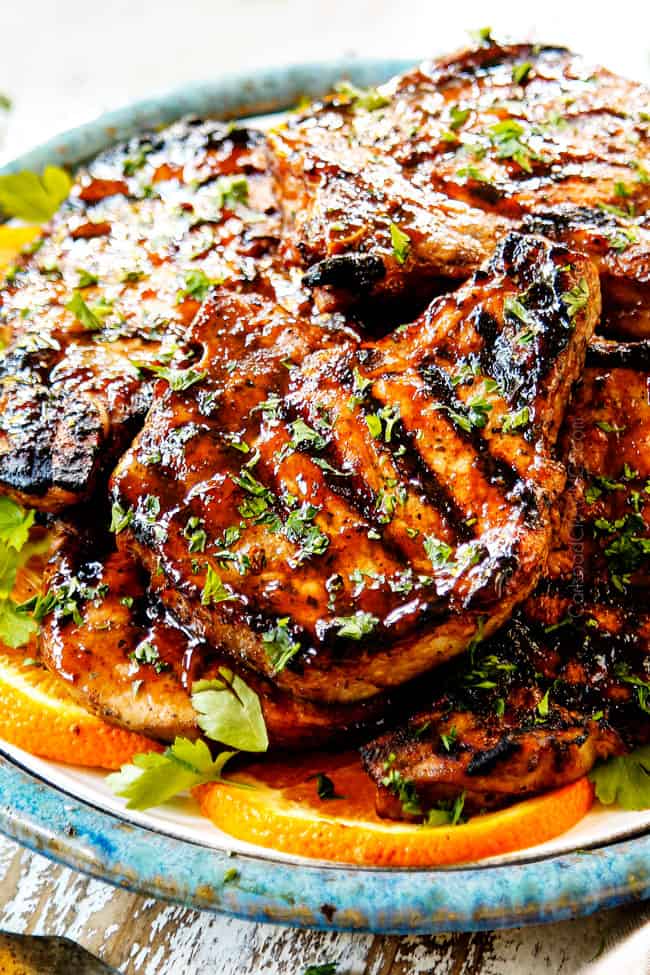
- Short Marination (30 minutes to 2 hours): Sufficient for lighter, more delicate flavors to impart a subtle essence. This is ideal for thinner cuts or when time is of the essence. The acid has less time to work, so it’s less likely to over-tenderize.
- Medium Marination (2 to 6 hours): This is often the sweet spot for achieving a good balance of flavor and tenderness without risking texture degradation. It allows the acid to tenderize effectively and the oils and flavor builders to permeate the meat.
- Long Marination (6 to 12 hours, or overnight): For tougher cuts or when a deep, complex flavor is desired, longer marination can be beneficial. However, with acidic marinades, exceeding 12 hours can lead to mushy pork. If marinating for extended periods, consider using milder acids like yogurt or buttermilk, or reducing the proportion of strong acids. Always marinate in the refrigerator for food safety.
Method of Application: Ensuring Even Distribution
The goal is to ensure every surface of the pork chop comes into contact with the marinade, allowing for consistent flavor and texture development.
- Ziploc Bags: These are excellent for creating a tight seal, minimizing air exposure, and allowing for easy turning. Ensure excess air is pressed out to maximize contact.
- Shallow Dishes/Containers: A shallow, non-reactive dish allows the marinade to coat the chops evenly. Turning the chops periodically ensures all sides are exposed. Using a non-reactive material (glass, ceramic, or food-grade plastic) is crucial to prevent metallic off-flavors.
Crafting Your Signature Pork Chop Marinade: A Strategic Blueprint
Developing a “good” marinade is an iterative process, much like refining a product or developing a brand identity. It involves understanding the core principles and then experimenting to achieve your desired outcome.
The Classic Savory Herb Marinade: A Foundational Approach
This is a reliable starting point, adaptable to various preferences.
- Base: 1/2 cup olive oil, 1/4 cup apple cider vinegar.
- Aromatics: 4 cloves minced garlic, 1 tablespoon finely chopped fresh rosemary.
- Seasoning: 1 teaspoon salt, 1/2 teaspoon black pepper, 1/2 teaspoon dried thyme.
- Optional Enhancements: 1 tablespoon Dijon mustard for a tangy kick, or 1 teaspoon brown sugar for a hint of sweetness and browning.
- Marinating Time: 2-4 hours.
This marinade provides a good balance of acidity, fat, and aromatic depth, suitable for grilling, pan-searing, or baking. The rosemary and thyme offer a classic savory profile that complements the natural flavor of pork.
The Asian-Inspired Sweet and Savory Marinade: Global Influence
For a taste of the East, this marinade offers a compelling blend of umami and sweetness.
- Base: 1/4 cup soy sauce (or tamari for gluten-free), 2 tablespoons toasted sesame oil.
- Aromatics: 1 tablespoon grated fresh ginger, 3 cloves minced garlic.
- Sweetener: 2 tablespoons honey or brown sugar.
- Optional Enhancements: 1 tablespoon rice vinegar for added tang, a pinch of red pepper flakes for heat, 1 teaspoon sriracha for a spicy kick.
- Marinating Time: 1-3 hours (soy sauce can make the meat a bit soft with prolonged marination).
This marinade is excellent for stir-fries, grilling, or broiling, creating a sticky, caramelized glaze. The ginger and garlic provide a pungent aromatic base, while the soy sauce and honey create a rich umami and sweet balance.
The Tangy Citrus-Herb Marinade: A Brighter Profile
This option is perfect for a lighter, more refreshing pork chop.
- Base: 1/4 cup olive oil, 1/4 cup fresh lemon juice.
- Aromatics: 2 cloves minced garlic, 1 tablespoon chopped fresh parsley.
- Herbs: 1 teaspoon chopped fresh thyme or oregano.
- Seasoning: 1/2 teaspoon salt, 1/4 teaspoon black pepper.
- Optional Enhancements: 1 teaspoon Dijon mustard for emulsification and tang, a pinch of lemon zest for intensified citrus aroma.
- Marinating Time: 1-3 hours.
This marinade is ideal for pan-searing or baking, offering a bright, clean flavor that doesn’t overpower the pork. The lemon juice provides a lively acidity, while the herbs add freshness.
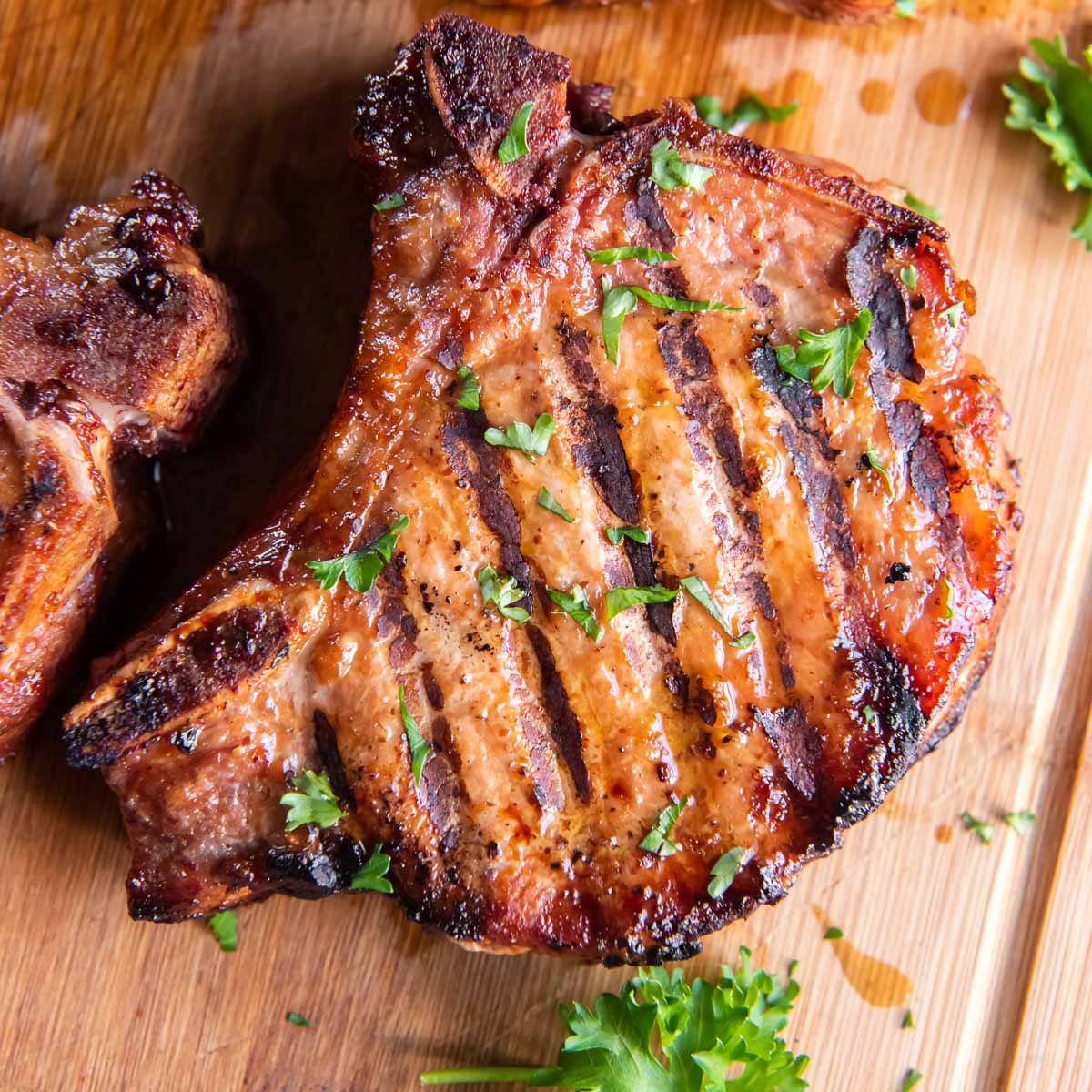
Conclusion: The Strategic Advantage of a Well-Marinated Pork Chop
In conclusion, a “good” marinade for pork chops is not a singular recipe but a thoughtfully constructed blend of components that work harmoniously to achieve desired results in flavor and texture. It embodies a strategic approach to food preparation, where understanding the function of each ingredient – the tenderizing power of acid, the flavor-carrying capacity of oil, the depth provided by aromatics and spices, and the balancing act of sweeteners – is paramount. By mastering these principles, home cooks can confidently craft marinades that transform ordinary pork chops into culinary triumphs, demonstrating that meticulous planning and strategic execution yield superior outcomes, whether in the kitchen or in any professional endeavor. The art of marination is, at its core, an exercise in applied culinary strategy.
aViewFromTheCave is a participant in the Amazon Services LLC Associates Program, an affiliate advertising program designed to provide a means for sites to earn advertising fees by advertising and linking to Amazon.com. Amazon, the Amazon logo, AmazonSupply, and the AmazonSupply logo are trademarks of Amazon.com, Inc. or its affiliates. As an Amazon Associate we earn affiliate commissions from qualifying purchases.