
In the modern era of household management, the “streaming tax” has become a permanent line item in the personal budget. As cord-cutting transitioned from a niche tech trend to a mainstream financial maneuver, the complexity of subscription pricing has scaled accordingly. Among the giants of the industry, Hulu occupies a unique position, offering a tiered structure that ranges from budget-friendly ad-supported versions to premium live-telecast replacements.
Understanding “how much is Hulu” is no longer a matter of identifying a single price point; it is an exercise in cost-benefit analysis. For the financially conscious consumer, the goal is to balance entertainment desires with fiscal responsibility. This guide provides a comprehensive breakdown of Hulu’s pricing architecture, the economic viability of its bundles, and strategies to optimize your digital entertainment spend.

Decoding the Hulu Pricing Structure: Tiers and Trade-offs
Hulu’s pricing model is built on the concept of “choice architecture,” allowing users to enter at various price points depending on their tolerance for advertisements and their need for real-time content. To manage a monthly budget effectively, one must understand exactly what each dollar fetches in terms of utility.
The Ad-Supported Entry Tier: Is the Discount Worth the Interruption?
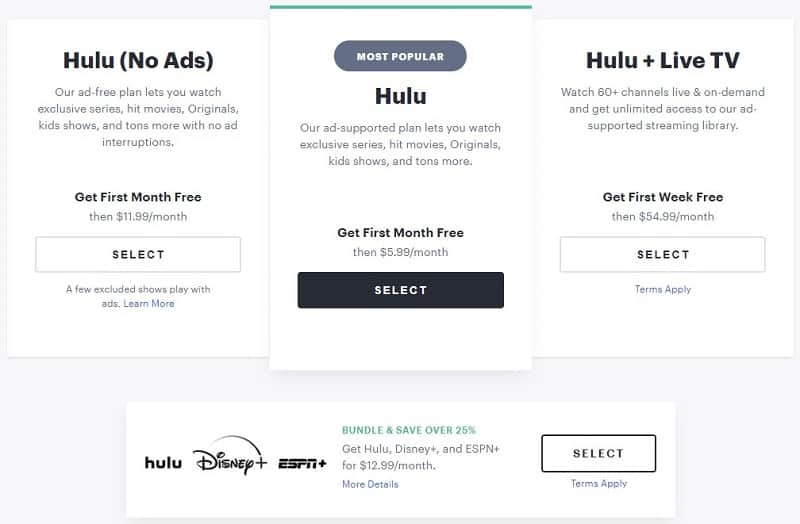
At the base of the pyramid sits the Hulu (With Ads) plan. Currently priced at approximately $7.99 per month (or $79.99 annually), this is the most accessible entry point into the ecosystem. From a personal finance perspective, this tier represents the “economy class” of streaming.
The trade-off here is time and attention for a lower price. For a household looking to minimize fixed monthly expenses, the ad-supported tier offers significant savings—roughly 55% cheaper than the ad-free alternative. Over a year, opting for the ad-supported version saves the consumer $120. However, the “cost” is the interruption of content, which can impact the quality of the leisure experience. For those on a strict “Zero-Based Budget,” this tier is often the most justifiable.
Hulu (No Ads): Calculating the Premium for Time and Convenience
For those who view time as their most valuable asset, the Hulu (No Ads) plan is positioned at $17.99 per month. This tier removes the vast majority of commercial interruptions, providing a seamless viewing experience.
From an investment standpoint, the $10 monthly premium over the base plan is a payment for efficiency. If an average viewer watches 20 hours of content a month and avoids 15 minutes of ads per hour, they are essentially “buying back” five hours of their time for $10. For high-earning professionals or busy parents, the $2-per-hour cost to reclaim that time is often viewed as a high-ROI (Return on Investment) expenditure.
Live TV Integration: Bridging the Gap Between Cable and Cord-Cutting
The most significant jump in the Hulu pricing hierarchy is the transition to Hulu + Live TV. Starting at $76.99 per month, this plan is less of a streaming “add-on” and more of a total telecommunications solution.
This tier is designed to replace traditional cable or satellite packages, which often exceed $100 per month when hardware fees and regional sports surcharges are included. The financial logic for this tier relies on “consolidation.” By bundling on-demand content with over 95 live channels and including Disney+ and ESPN+ in the price, Hulu attempts to capture the entire “Entertainment” category of a consumer’s budget in one single transaction.
Maximizing ROI through Bundles and Partnerships
In the world of personal finance, bundling is a classic strategy to reduce the “per-unit” cost of a service. Hulu, being part of the Disney entertainment empire, offers some of the most aggressive bundling opportunities in the market.
The Disney Bundle: Analyzing the Economics of Multi-Platform Access
The Disney Bundle is the gold standard for family-oriented financial planning in the streaming space. By combining Hulu, Disney+, and ESPN+, consumers can access three distinct libraries for a price significantly lower than the sum of their parts.
Currently, the “Duo” bundle (Hulu and Disney+ with ads) costs roughly $9.99 per month. If purchased separately, these services would cost closer to $16. For a household that already utilizes both platforms, the bundle provides an immediate 37% reduction in monthly streaming overhead. Analyzing these synergies is crucial for anyone looking to “trim the fat” from their digital subscriptions without losing access to content.
Student Discounts and Partner Perks: Finding Hidden Financial Gains
One of the most overlooked aspects of Hulu’s pricing is its targeted discounts. For example, the Hulu Student Discount allows eligible university students to access the ad-supported plan for a mere $1.99 per month.
Furthermore, Hulu frequently partners with external financial entities and service providers. Many American Express cardholders receive monthly credits that cover the cost of the Disney Bundle, and certain cellular providers (like T-Mobile or Verizon) have historically included Hulu or the Disney Bundle in their premium data plans. Before adding Hulu to your budget, a thorough audit of your existing financial tools and cellular contracts is essential to see if you can acquire the service at a zero-net cost.
Hulu vs. the Competition: A Cost-Benefit Analysis
To determine if Hulu is “worth it,” one must look at the competitive landscape. The streaming market is currently in a state of “Streamflation,” where every major player—Netflix, Max, Paramount+, and Disney+—has increased prices over the last 18 months.
Comparative Pricing in the Saturated Streaming Market
When compared to Netflix’s standard ad-free plan (roughly $15.49) or Max’s ad-free tier ($16.99), Hulu’s ad-free price of $17.99 is on the higher end of the spectrum. However, Hulu’s ad-supported tier remains highly competitive at $7.99, matching the price points of most major rivals.
The financial differentiator for Hulu is its library depth. While Netflix focuses heavily on original global content, Hulu serves as the primary repository for next-day network television (from ABC, FOX, and others). For consumers who want to stay current with broadcast TV without paying for a full cable or Live TV package, Hulu provides a unique financial utility that Netflix cannot match.
Content Value Density: Evaluating What You Get for Your Dollar
“Content Value Density” is a metric used to describe the volume of high-quality content available per dollar spent. Hulu excels in this area because of its vast library of licensed content and critically acclaimed originals.
For a movie buff, a $17.99 subscription to Hulu might offer more value than a $15.49 subscription to a smaller service with a limited catalog. When evaluating the “how much is Hulu” question, it is vital to calculate your personal “cost per hour watched.” If you spend 40 hours a month on Hulu and only 5 hours on another service, Hulu is the more financially sound investment, even if its sticker price is higher.
Financial Strategies for Long-term Subscription Management
The “set it and forget it” nature of subscriptions is a primary driver of “subscription creep,” where small monthly fees aggregate into a large annual drain on wealth. Managing Hulu effectively requires a proactive financial approach.
Annual vs. Monthly Billing: Optimizing Your Cash Flow
Hulu offers an annual billing option for its ad-supported plan at $79.99. By paying for the year upfront, consumers essentially get 12 months for the price of 10.
From a wealth-building perspective, if you have the liquidity to pay upfront, the “return” on that $80 investment is a 16.6% discount. In a world where high-yield savings accounts offer 4-5%, a 16.6% guaranteed saving is a superior use of capital. However, annual billing locks you in, removing the flexibility to cancel during months when you might be traveling or too busy to watch.
The “Cycling” Method: Managing Subscription Fatigue to Save Money
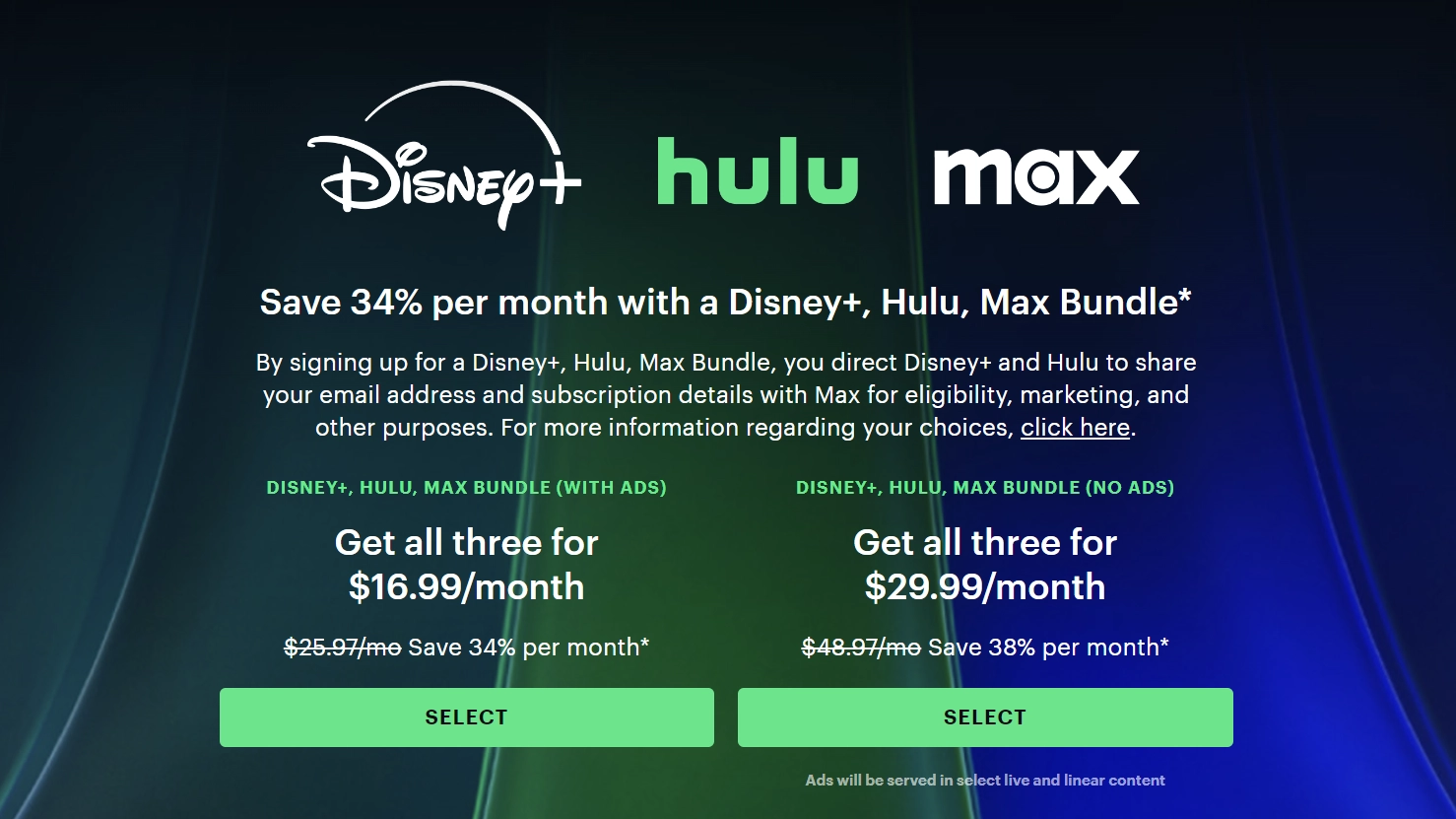
The most advanced financial strategy for streaming is the “Cycling” or “Rotation” method. Instead of paying for Hulu, Netflix, and Max simultaneously, a consumer subscribes to one service for two months, watches the specific shows they are interested in, cancels, and moves to the next service.
Because Hulu does not require a long-term contract, you can effectively “rent” the library for $7.99 or $17.99 whenever a new season of a favorite show drops. By cycling through 3-4 services throughout the year, a household can reduce its annual streaming spend from $600+ to under $200 while still enjoying all the top-tier content the market has to offer.
Final Financial Assessment
So, how much is Hulu? It is $7.99 for the budget-conscious, $17.99 for the time-sensitive, and $76.99 for the cord-cutter. But beyond these numbers, Hulu is a variable cost in your financial ecosystem. By leveraging bundles, utilizing student or partner discounts, and employing a rotation strategy, the savvy consumer can ensure that their entertainment spending serves their lifestyle without compromising their long-term financial goals. In the current economy, the best way to “watch” Hulu is with a clear understanding of its place in your ledger.
aViewFromTheCave is a participant in the Amazon Services LLC Associates Program, an affiliate advertising program designed to provide a means for sites to earn advertising fees by advertising and linking to Amazon.com. Amazon, the Amazon logo, AmazonSupply, and the AmazonSupply logo are trademarks of Amazon.com, Inc. or its affiliates. As an Amazon Associate we earn affiliate commissions from qualifying purchases.