
The release of Hogwarts Legacy represented more than just a milestone for the gaming industry; it was a calculated masterclass in brand expansion and intellectual property (IP) management. When fans asked, “What year does Hogwarts Legacy take place?” the answer—the late 1890s—was not merely a creative choice by the developers at Avalanche Software. It was a strategic branding decision designed to decouple the “Wizarding World” from its reliance on specific characters while maintaining the core brand equity that has made the franchise a multi-billion dollar asset.
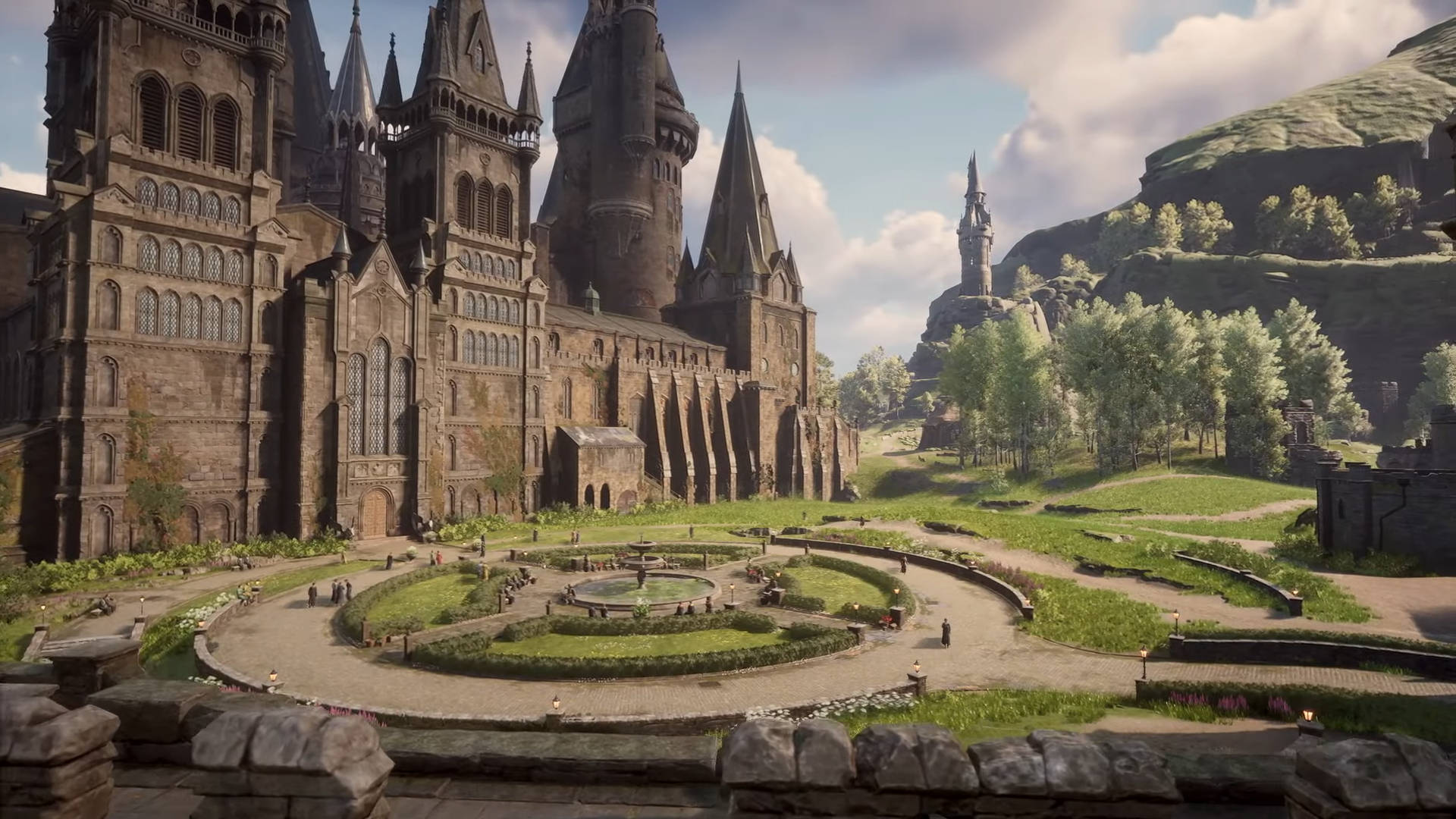
By situating the narrative roughly 100 years before the events of the original Harry Potter series, the brand owners successfully navigated the complex waters of franchise fatigue and creative constraints. This article examines the 1890s setting through the lens of brand strategy, exploring how a historical pivot can revitalize a corporate identity and secure the future of a legacy IP.
The Strategic Significance of the 1890s: Defining a New Era for the Wizarding World Brand
Choosing the late 19th century as the temporal home for Hogwarts Legacy served a dual purpose: it offered a familiar visual language to existing fans while providing the brand with a “tabula rasa” (clean slate) to build new narratives. In branding, this is known as “core expansion”—keeping the essence of the brand (the school, the magic, the atmosphere) while removing the baggage of established timelines.
Establishing Brand Autonomy from the “Potter” Era
For decades, the “Wizarding World” brand was inextricably linked to the persona of Harry Potter. From a brand strategy perspective, this created a “Key Person Risk” within the IP. If the brand cannot exist without its titular character, its longevity is capped by that character’s story arc. By setting the game in the 1890s, the brand managers successfully demonstrated that the environment—Hogwarts itself—is the true hero of the brand. This move shifted the brand identity from a character-driven narrative to a setting-driven ecosystem, allowing for infinite scalability in future products.
Leveraging the Victorian Aesthetic for Premium Brand Positioning
The 1890s setting allowed the designers to lean into a Victorian-era aesthetic that resonates with “Dark Academia” and high-fantasy trends. In terms of brand design, this period offers a sophisticated, premium feel that appeals to an aging demographic of original fans who are now adults. The use of brass, velvet, ornate wood carvings, and early industrial influences in the game’s visual identity helped reposition the brand as something more mature and aesthetically complex than the primary-color-coded themes often associated with the early films.
Navigating Legacy Content: The Mechanics of a Successful Brand Prequel
A brand prequel is a high-risk maneuver. If the product drifts too far from the original source material, it loses its brand recognition; if it stays too close, it feels redundant. The 1890s setting provided the perfect “buffer zone” for Hogwarts Legacy to navigate these challenges.
Bridging the Gap Between Nostalgia and Fresh Narrative
Nostalgia is one of the most powerful tools in a brand’s arsenal, but it can also be a cage. The branding of Hogwarts Legacy utilized “Anchor Points”—familiar brand elements like the Great Hall or the Gryffindor Common Room—to provide a sense of security to the consumer. However, because the year is 1890, the brand was free to introduce new professors, new political stakes, and a different social hierarchy. This balance ensures that the brand remains “fresh yet familiar,” a core tenet of successful long-term brand management.
Consistency in Brand Voice Across Media Formats
Maintaining a consistent brand voice is essential when moving between books, films, and interactive software. The decision to set the game in the 19th century required a shift in linguistic tone and social etiquette within the game’s script. Despite these changes, the “Wizarding World” brand voice—characterized by a blend of whimsy, mystery, and British charm—remained intact. This consistency reinforces brand trust, ensuring that regardless of the era, the consumer knows exactly what “flavor” of entertainment they are purchasing.
Visual Identity and Environmental Branding: Building the 19th Century Digital Assets

In the digital age, a brand’s visual identity is often defined by its environments. For Hogwarts Legacy, the 1890s setting offered a unique opportunity to engage in “Architectural Branding.”
Architectural Branding: Hogwarts as a Permanent Brand Landmark
Brands often use flagship stores or iconic headquarters to ground their identity. In the virtual space, the Hogwarts castle serves as the “Flagship Store” for the franchise. By setting the game in the 1890s, the developers could showcase the “heritage” of this landmark. The branding strategy here was to treat the castle as a timeless entity. Seeing the castle in the 1890s reinforces the idea that the Wizarding World is a permanent, historical reality rather than a fleeting fictional setting. This increases the “Brand Gravitas,” making the IP feel more substantial and historically grounded.
The Role of UI and UX in Reinforcing Brand Immersion
The User Interface (UI) of Hogwarts Legacy was meticulously designed to reflect the 1890s timeframe. From parchment-style menus to hand-drawn maps and quill-and-ink aesthetics, every touchpoint of the User Experience (UX) reinforces the brand’s historical positioning. In brand strategy, this is called “sensory alignment”—ensuring that every interaction the consumer has with the product reinforces the central brand promise. The UI doesn’t just function; it markets the era.
Marketing the Unfamiliar: How Setting the Game in 1890 Affected Market Reach
When marketing a product that lacks a known protagonist, brand managers must rely on the strength of the “Parent Brand.” The marketing campaign for Hogwarts Legacy leaned heavily into the “Your Story” tagline, a brilliant branding move that capitalized on the 1890s setting.
Targeting Multi-Generational Demographics
One of the primary goals of the 1890s setting was to cast a wider net. By moving away from the 1990s (the setting of the original books), the brand successfully distanced itself from any specific generational ownership. It made the Wizarding World accessible to Gen Z and Alpha, who may not have the same emotional connection to the original films, while simultaneously providing a “historical” curiosity for older Millennials. This demographic agility is a key indicator of a healthy, evolving brand.
Overcoming Brand Controversy through Product Excellence
The Wizarding World brand has faced significant external PR challenges in recent years. From a corporate strategy perspective, setting the game in the 1890s acted as a form of “Brand Insulation.” It allowed the product to stand on its own merits, separate from the contemporary discourse surrounding the IP’s creator. By focusing on the historical setting and the player’s individual experience, the brand was able to refocus the narrative on the quality of the product and the richness of the world, successfully mitigating “Brand Dilution” caused by external factors.
The Future of the Wizarding World Brand: Lessons from the 1890s Narrative Pivot
The success of Hogwarts Legacy—becoming one of the best-selling games of the decade—proves that the brand’s pivot to the 1890s was a financial and strategic triumph. It has provided a roadmap for how other legacy brands can handle the passage of time.
Scalability of the “Legacy” Brand Architecture
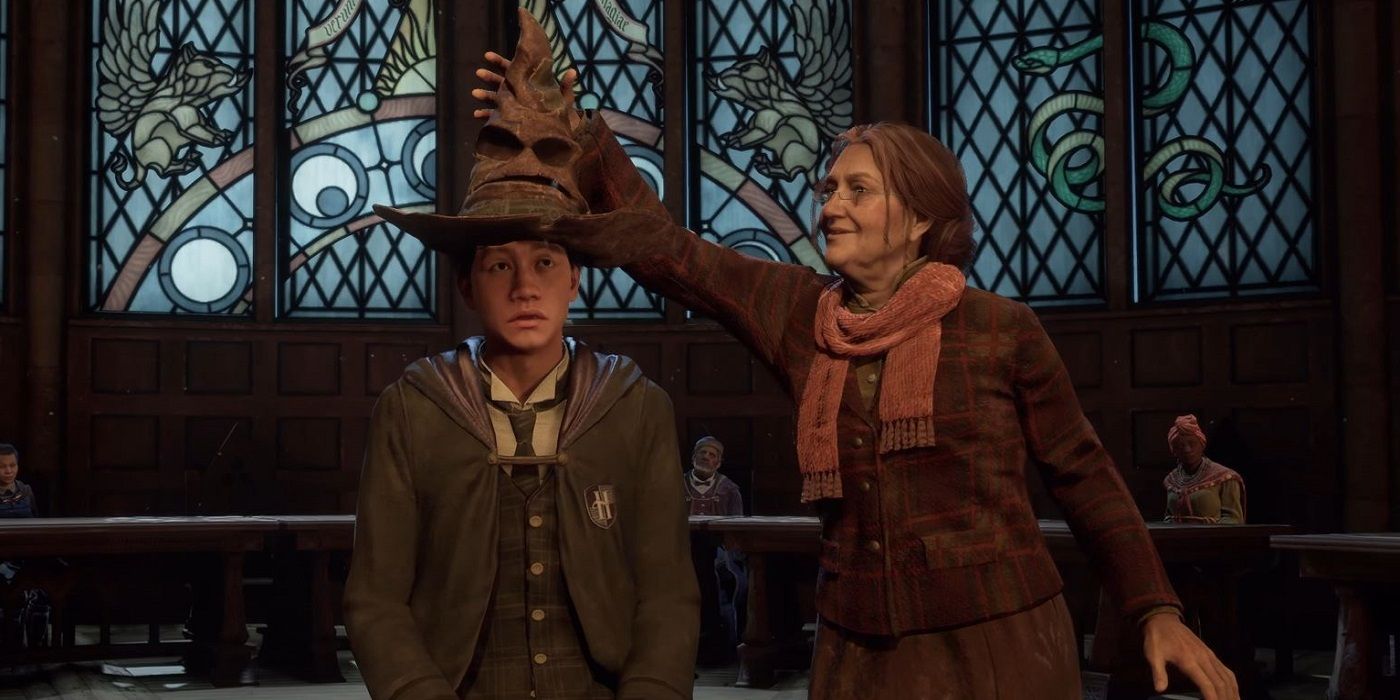
The “Legacy” suffix in the title is itself a strategic brand asset. It implies a continuation, a heritage, and a weightiness. Because the game proved that the 1890s is a viable setting, the brand now has the architecture to explore other “Legacy” eras—perhaps a 1920s Noir-style magical world or a medieval “Founders” era. The 1890s setting broke the “Potter-centric” mold, opening the door for a “Cinematic Universe” style of brand expansion that can span centuries.
Long-term Brand Equity and IP Protection
Finally, the 1890s setting contributes to the long-term “Brand Equity” of the franchise. By documenting the history, customs, and technological state of the Wizarding World in the 19th century, the creators have added layers of depth to the IP. This depth makes the brand more defensible against competitors and more valuable to stakeholders. In the world of brand strategy, the more “real” and “documented” a fictional world feels, the higher its market valuation.
In conclusion, when we ask what year Hogwarts Legacy takes place, we are looking at the foundation of a new era in brand management. The 1890s was not just a backdrop for spell-casting; it was a strategic choice to decouple an IP from its origins, appeal to a broader demographic, and ensure that the “Wizarding World” remains a dominant cultural and commercial force for the next century. Through clever positioning, visual consistency, and a focus on environmental storytelling, Hogwarts Legacy has successfully transformed a book series into a timeless, multi-generational brand ecosystem.
aViewFromTheCave is a participant in the Amazon Services LLC Associates Program, an affiliate advertising program designed to provide a means for sites to earn advertising fees by advertising and linking to Amazon.com. Amazon, the Amazon logo, AmazonSupply, and the AmazonSupply logo are trademarks of Amazon.com, Inc. or its affiliates. As an Amazon Associate we earn affiliate commissions from qualifying purchases.