
The seemingly simple question of “what number is premium gasoline” unlocks a deeper discussion about its cost, its role in vehicle performance, and ultimately, its financial implications for car owners. While the “number” itself – the octane rating – is a technical specification, understanding its significance and the premium price tag attached is a core aspect of personal finance and smart consumer choices in the automotive world. This exploration delves into the financial rationale behind octane ratings, the economic factors influencing gasoline prices, and how informed decisions about fuel can impact your overall vehicle ownership expenses.
The Science Behind the Number: Octane and Engine Knock
At its heart, the number associated with gasoline is the octane rating, a measure of its resistance to detonation or “knocking.” This phenomenon occurs when the fuel-air mixture in an engine’s cylinder ignites prematurely, creating a sharp pinging sound and potentially causing engine damage. Different octane ratings signify different levels of anti-knock capability.
Understanding Octane Ratings
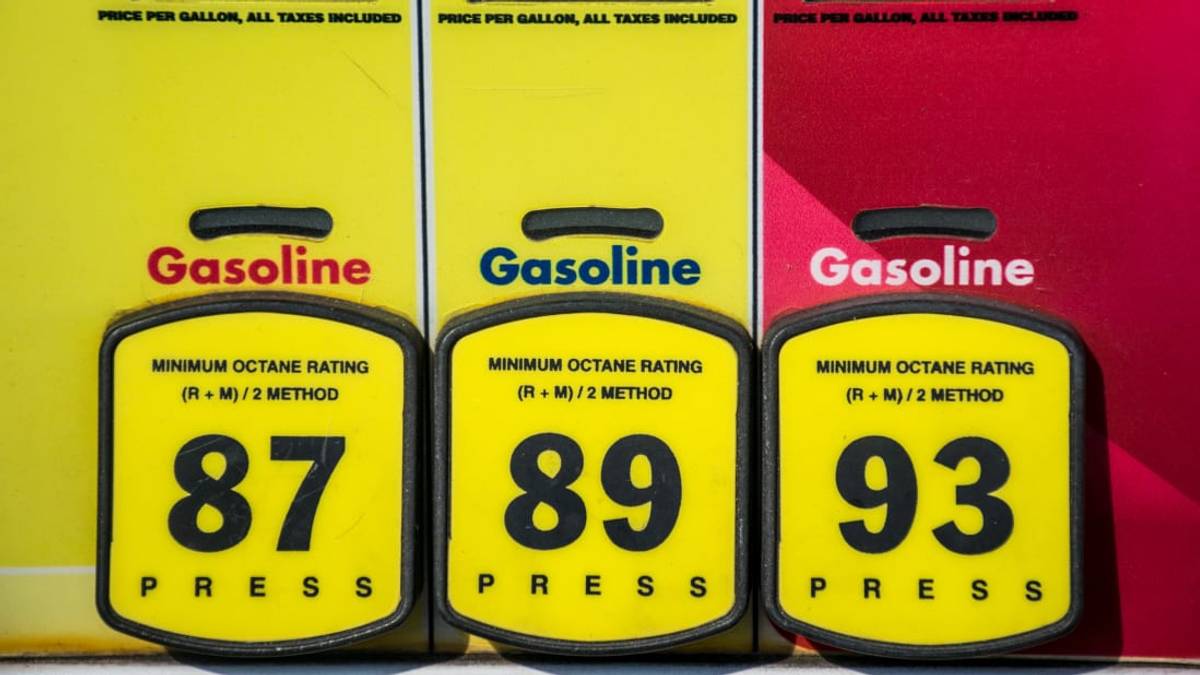
Gasoline is graded by its octane number, which is determined through a standardized test. The most common ratings in the United States are 87 (regular), 89 (mid-grade), and 91 or 93 (premium). These numbers don’t refer to the actual percentage of octane in the fuel but rather to the fuel’s performance under pressure. A higher octane number indicates a greater ability to withstand compression without igniting spontaneously.
The Role of Engine Design
The need for higher octane fuel is directly linked to engine design, specifically the compression ratio. Engines with higher compression ratios generate more power but also increase the pressure and temperature within the combustion chamber. This elevated environment makes the fuel more susceptible to knocking. Therefore, manufacturers design engines that require higher octane fuels to operate optimally and prevent damage. Most standard passenger vehicles are engineered to run efficiently on regular unleaded gasoline (87 octane). However, high-performance vehicles, sports cars, and some turbocharged engines often have higher compression ratios and are designed to benefit from or even require premium fuel.
The Trade-off: Performance vs. Cost
The primary driver for choosing a higher octane fuel is to prevent engine knock and unlock the full performance potential of engines designed for it. For vehicles that specifically recommend or require premium gasoline, using lower octane fuel can lead to reduced engine efficiency, sluggish performance, and in severe cases, costly engine damage. However, for the vast majority of vehicles, the higher octane rating of premium gasoline offers no tangible performance benefit and simply results in a higher cost at the pump. This is where financial prudence becomes essential.
The Premium Price Tag: Why Higher Octane Costs More
The distinction in price between regular and premium gasoline is not arbitrary. Several economic factors contribute to the higher cost of fuel with a higher octane rating. Understanding these elements can help consumers make more informed purchasing decisions.
Manufacturing and Blending Costs
Producing gasoline with a higher octane rating involves more complex refining processes and the addition of specific anti-knock agents. While the base components of gasoline are largely the same across different grades, the blending to achieve higher octane levels requires more specialized additives and potentially more energy-intensive refining stages. These added steps in the production process contribute to a higher manufacturing cost for premium gasoline.
Market Demand and Supply Dynamics
Like any commodity, the price of gasoline is influenced by market demand and supply. While premium gasoline is a smaller segment of the overall fuel market compared to regular unleaded, its demand is often concentrated among drivers of performance vehicles. Refiners and distributors must manage inventory and production to meet this demand, which can also impact pricing. Fluctuations in crude oil prices, geopolitical events, and seasonal demand patterns all play a role in the final price of all gasoline grades, but the premium segment’s pricing is also shaped by its specific market niche.
Retailer Margins and Branding

Gas stations also factor in their operating costs, desired profit margins, and competitive pricing strategies when setting fuel prices. While the difference in wholesale cost between regular and premium is a significant driver, retailers may also adjust their markups based on the perceived value and the purchasing habits of their customer base. In some areas, the price difference might be a few cents per gallon, while in others, it could be substantially more, reflecting local market conditions and competition.
The Financial Impact of Fuel Choices: Optimizing Your Budget
The decision of which octane fuel to purchase has a direct impact on your personal finances. While the allure of premium fuel might be tempting for its association with better performance, a closer financial examination reveals that often, regular unleaded is the more economical and equally effective choice.
Assessing Your Vehicle’s Needs
The most critical step in optimizing fuel spending is understanding your vehicle’s actual requirements. Consult your owner’s manual. This is the definitive guide to the recommended or required fuel octane for your car. Most modern vehicles are designed to run optimally on regular unleaded gasoline. Using premium fuel in a vehicle that doesn’t require it is akin to buying a premium coffee when you’re perfectly satisfied with the regular – you’re paying more for a benefit you don’t receive.
Calculating the True Cost of Ownership
The price difference between regular and premium gasoline, multiplied by the number of gallons you purchase annually, can represent a significant expenditure. For instance, if premium gasoline costs $0.50 more per gallon and you drive 15,000 miles per year with a vehicle that achieves 25 miles per gallon, you’ll use 600 gallons of fuel annually. This translates to an extra $300 per year simply for choosing premium fuel unnecessarily. Over the lifespan of a vehicle, this difference can amount to thousands of dollars. This money could be allocated to other financial goals, such as saving for retirement, paying down debt, or investing.
Beyond the Pump: Fuel Efficiency and Maintenance
While octane rating is a key consideration, optimizing your vehicle’s fuel expenditure also involves other factors. Maintaining proper tire inflation, ensuring your engine is tuned up, and driving habits that promote fuel efficiency (e.g., smooth acceleration and braking) can all contribute to lower overall fuel costs, regardless of the octane you choose. These practices ensure you’re getting the most miles for your money, making your fuel budget work harder for you.
Making Informed Decisions: Smart Spending on Your Vehicle
The question of “what number is premium gasoline” ultimately leads to a financial decision. By understanding the technicalities of octane ratings and the economic factors influencing fuel prices, consumers can make more strategic choices that benefit their personal finances.
The Owner’s Manual as Your Financial Compass
The owner’s manual is not just a guide to operating your vehicle; it’s a crucial document for managing your automotive budget. Adhering to its recommendations for fuel octane is the most straightforward way to avoid unnecessary expenses. If your manual specifies “regular unleaded” or “87 octane,” stick to it. If it suggests or requires a higher octane for optimal performance, then the premium price becomes a justifiable investment in your vehicle’s engineering and your driving experience.
The “What If” Scenarios: Performance vs. Practicality
For many, the allure of premium fuel is tied to the idea of enhanced performance. However, for daily commuting and general driving, the difference in acceleration or horsepower is often negligible, especially in vehicles not specifically designed for high-octane fuel. The financial implications, on the other hand, are very real and quantifiable. Prioritizing practicality and cost-effectiveness for the majority of your driving needs, while only opting for premium when explicitly recommended by the manufacturer for specific performance gains, is a financially sound approach.

Long-Term Financial Health and Automotive Expenses
Fuel is a recurring expense in vehicle ownership. By making informed decisions about fuel choices, you contribute to the long-term financial health of your budget. Every dollar saved on unnecessary fuel purchases can be redirected to more impactful financial goals. This mindful approach to automotive spending is a cornerstone of responsible personal finance, demonstrating that even seemingly small choices at the pump can have a significant cumulative effect on your overall financial well-being. The “number” on the gasoline pump is a simple indicator, but the decision of which number to choose is a financial one, requiring careful consideration of your vehicle’s needs and your budget.
aViewFromTheCave is a participant in the Amazon Services LLC Associates Program, an affiliate advertising program designed to provide a means for sites to earn advertising fees by advertising and linking to Amazon.com. Amazon, the Amazon logo, AmazonSupply, and the AmazonSupply logo are trademarks of Amazon.com, Inc. or its affiliates. As an Amazon Associate we earn affiliate commissions from qualifying purchases.