
The question of “what names are banned in the US” might initially conjure images of archaic legal pronouncements or obscure social taboos. However, in the modern, increasingly digitized world, the concept of a “banned name” takes on a far more nuanced and pervasive meaning. This isn’t about literal prohibitions on personal given names, but rather about the complex web of regulations, intellectual property laws, and platform-specific policies that govern the use of names – particularly in the digital realm. From domain names and social media handles to brand names and even AI-generated identifiers, the landscape of acceptable and enforceable names is constantly evolving. Understanding these boundaries is crucial for individuals, businesses, and innovators navigating the online space.
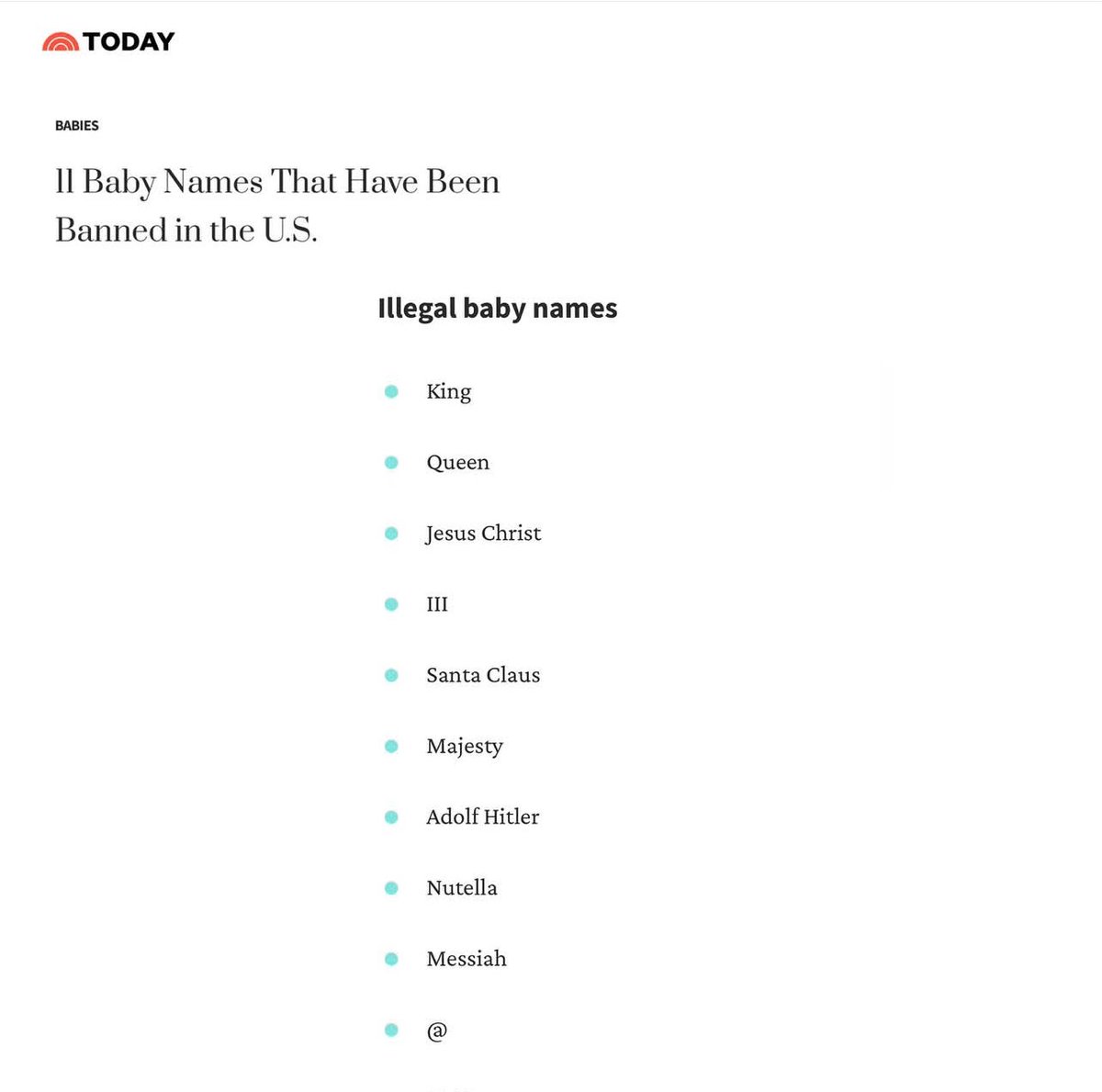
This exploration delves into the multifaceted ways names can be restricted or rendered unusable in the United States, focusing on the intricate interplay between law, technology, and commerce. We will dissect the mechanisms by which certain names are effectively “banned,” not through overt decree, but through legal enforceability, trademark protections, and the very architecture of digital platforms.
The Foundation: Legal Restrictions on Name Usage
While the US does not maintain a centralized registry of “banned” personal names in the way some countries do, various legal frameworks indirectly, yet powerfully, restrict the adoption and use of certain names, especially in a commercial context. These restrictions are primarily rooted in intellectual property law and consumer protection statutes.
Trademarks: The Pillars of Brand Identity
The most significant legal barrier to using a “name” in the US, particularly for commercial purposes, is the concept of trademark. A trademark is a word, phrase, symbol, design, or a combination thereof, that identifies and distinguishes the source of the goods or services of one party from those of others. The Lanham Act is the primary federal statute governing trademarks in the US.
- Preventing Confusion: The core purpose of trademark law is to prevent consumer confusion. If you attempt to use a name that is identical or confusingly similar to an existing registered trademark for related goods or services, you are likely to face legal action. This is not a ban in the sense of illegality of possession, but a ban on use in a way that misleads consumers about the origin of products or services. For instance, one cannot legally operate a soft drink company named “Coca-Cola” in the US, as it is a heavily protected trademark.
- Generic vs. Descriptive vs. Suggestive vs. Arbitrary/Fanciful: The strength of a trademark, and thus its protectability, varies. Generic terms (e.g., “Apple” for a fruit) cannot be trademarked. Descriptive terms (e.g., “Sharp” for a knife) are protectable only if they acquire secondary meaning. Suggestive terms (e.g., “Coppertone” for suntan lotion) hint at the product without directly describing it. Arbitrary or fanciful terms (e.g., “Kodak” or “Exxon”) are the strongest and most easily protected. Attempting to use a generic or poorly protected name might not be “banned” legally, but it won’t offer any enforceable brand protection.
- Geographic Indications and Certification Marks: Beyond standard trademarks, names can also be restricted through geographic indications (e.g., “Champagne” can only refer to sparkling wine from the Champagne region of France) and certification marks, which attest to a product’s quality or origin. While less common in everyday naming, these restrictions add further layers to what names can be legitimately used.
Other Legal Considerations: Deception and Public Interest
Beyond trademark infringement, other legal principles can render certain names unusable or lead to their de facto banning in specific contexts.
- False Advertising and Unfair Competition: Names that are inherently deceptive or misleading can be subject to legal challenge. For example, a company cannot name its product “100% Natural” if it contains synthetic ingredients, as this would be considered false advertising.
- Names that Infringe on Other Intellectual Property: While less direct, using a name that closely resembles a patented invention or a copyrighted work could lead to legal complications, effectively banning its use in that context.
- Names Impersonating Public Figures or Scams: Names that are designed to impersonate well-known individuals or organizations for fraudulent purposes can be legally pursued. This falls under broader laws against fraud and deception.
The Digital Frontier: Platform Policies and Technical Limitations
The internet and digital platforms have introduced a new set of “rules of engagement” for names. While not always codified in law, platform policies and technical limitations act as significant gatekeepers, effectively “banning” certain names from being used.
Domain Names: The Address Book of the Internet

Domain names are the human-readable addresses for websites on the internet. The Internet Corporation for Assigned Names and Numbers (ICANN) oversees the domain name system, but domain registrars and registries implement specific policies that can restrict name availability.
- Reserved Domain Names: Certain names are reserved and unavailable for public registration. These often include generic top-level domains (gTLDs) like “.com,” “.org,” and “.net,” and country-code top-level domains (ccTLDs) like “.us.” Additionally, ICANN and domain registries may reserve names that are offensive, violate trademark law, or are deemed to be of public interest.
- Trademark Protection and Disputes (UDRP): The Uniform Domain-Name Dispute-Resolution Policy (UDRP) is a crucial mechanism for trademark holders to reclaim domain names that are identical or confusingly similar to their trademarks and are registered in bad faith. This process can effectively “ban” a registrant from using a domain name if a trademark holder successfully proves their case.
- Country-Code Top-Level Domains (ccTLDs) and Local Restrictions: While this article focuses on the US, it’s important to note that many ccTLDs have their own specific naming policies. For instance, a ccTLD registry in another country might have restrictions on certain character combinations or even specific words deemed inappropriate within their cultural context. Even within the US, some newer gTLDs might have specific restrictions tied to their industry or theme.
Social Media Handles and Online Usernames: The Digital Moniker
Social media platforms, online forums, and gaming services all have their own unique naming conventions and policies. These are often the most visible and frequently encountered “name bans” for everyday users.
- Prohibited Characters and Length Restrictions: Almost all platforms have technical limitations on usernames, such as character limits, prohibited special characters (e.g., spaces, certain punctuation), and requirements for specific formats.
- Offensive and Hateful Content Policies: A vast majority of platforms explicitly ban usernames that are sexually explicit, promote hate speech, harassment, violence, or are otherwise offensive or discriminatory. These are enforced through community guidelines and content moderation. Repeated violations can lead to account suspension or permanent banning.
- Impersonation Policies: Similar to legal restrictions, social media platforms strictly prohibit usernames intended to impersonate other individuals or organizations. This is crucial for maintaining authenticity and preventing scams.
- Reserved or Taken Usernames: The most common reason a desired username is “banned” is simply that it’s already taken by another user. This creates a constant scramble for unique and memorable online identities.
- Platform-Specific Brand Protection: Some platforms may also implement policies to protect their own brand or the brands of major partners, preventing users from adopting names that closely mimic them.
The Emerging Landscape: AI, Pseudonymity, and the Future of Naming
As technology advances, the concept of “names” and their associated restrictions continues to evolve. Artificial intelligence, the rise of pseudonymous online identities, and the increasing digitization of personal data present new challenges and considerations.
AI-Generated Identifiers and Names: A New Frontier
The emergence of powerful AI models capable of generating text, images, and even code introduces novel questions about naming.
- AI-Generated Brand Names: Businesses are increasingly using AI to brainstorm brand names. However, the legal implications of trademarking AI-generated names are still being explored. Ensuring that an AI-generated name doesn’t infringe on existing trademarks remains a critical step.
- AI Personas and Digital Identity: As AI becomes more sophisticated in creating human-like personas, questions arise about the ownership and control of these generated “names” and identities. Are they the property of the AI developer, the user, or something else entirely? This could lead to future regulations or platform policies governing AI-generated names.
- Ethical Considerations in AI Naming: The potential for AI to generate harmful or misleading names (e.g., for fake news sites or phishing operations) necessitates careful consideration of ethical guidelines and potential regulatory oversight in how AI can be used for naming purposes.

Pseudonymity, Anonymity, and the “Right to Be Forgotten”
The debate around online identity, pseudonymity (using a consistent but not real name), and anonymity (hiding one’s identity altogether) directly impacts the concept of “banned names.”
- Balancing Free Speech and Accountability: While platforms often ban overtly offensive or harmful usernames, there’s a delicate balance between allowing users to express themselves pseudonymously and holding individuals accountable for their online actions.
- The “Right to Be Forgotten”: In some jurisdictions (though not a broad federal law in the US like in Europe), the concept of the “right to be forgotten” can influence what personal information, including names, can be removed from search engine results or online platforms. This can effectively “ban” certain associations of a name with specific content.
- Data Privacy and Name Association: As more personal data is collected and associated with digital identities, the control individuals have over their names and how they are used becomes increasingly important. Future regulations might offer more granular control over the digital footprint of one’s name.
In conclusion, the question of “what names are banned in the US” is not a simple one. It’s a complex interplay of legal protections, platform-specific policies, and the ever-evolving digital landscape. From the robust framework of trademark law safeguarding brands to the granular community guidelines that shape online usernames, the ability to use a name is contingent upon a multitude of factors. As technology continues to advance, particularly with the rise of AI, the definitions and boundaries of what constitutes an acceptable and enforceable name will undoubtedly continue to be debated and redefined, shaping the future of digital identity and commerce in the United States.
aViewFromTheCave is a participant in the Amazon Services LLC Associates Program, an affiliate advertising program designed to provide a means for sites to earn advertising fees by advertising and linking to Amazon.com. Amazon, the Amazon logo, AmazonSupply, and the AmazonSupply logo are trademarks of Amazon.com, Inc. or its affiliates. As an Amazon Associate we earn affiliate commissions from qualifying purchases.