
China’s financial landscape is undergoing a profound transformation, moving from a long-standing reliance on physical cash and established digital payment systems to embracing cutting-edge digital currency. Understanding the evolution and current state of China’s monetary instruments is crucial for anyone engaging with the world’s second-largest economy, from individual travelers to multinational corporations. This exploration delves into the multifaceted answer to “what money does China use,” examining the traditional currency, the dominant digital payment platforms, and the revolutionary digital yuan.
The Foundation: Renminbi and its Denominations
The official currency of the People’s Republic of China is the Renminbi (RMB), which translates to “people’s currency.” It is also known internationally by its unit of account, the Yuan. The Yuan is subdivided into 10 Jiao (角), and each Jiao is further subdivided into 10 Fen (分).
Physical Currency: Notes and Coins
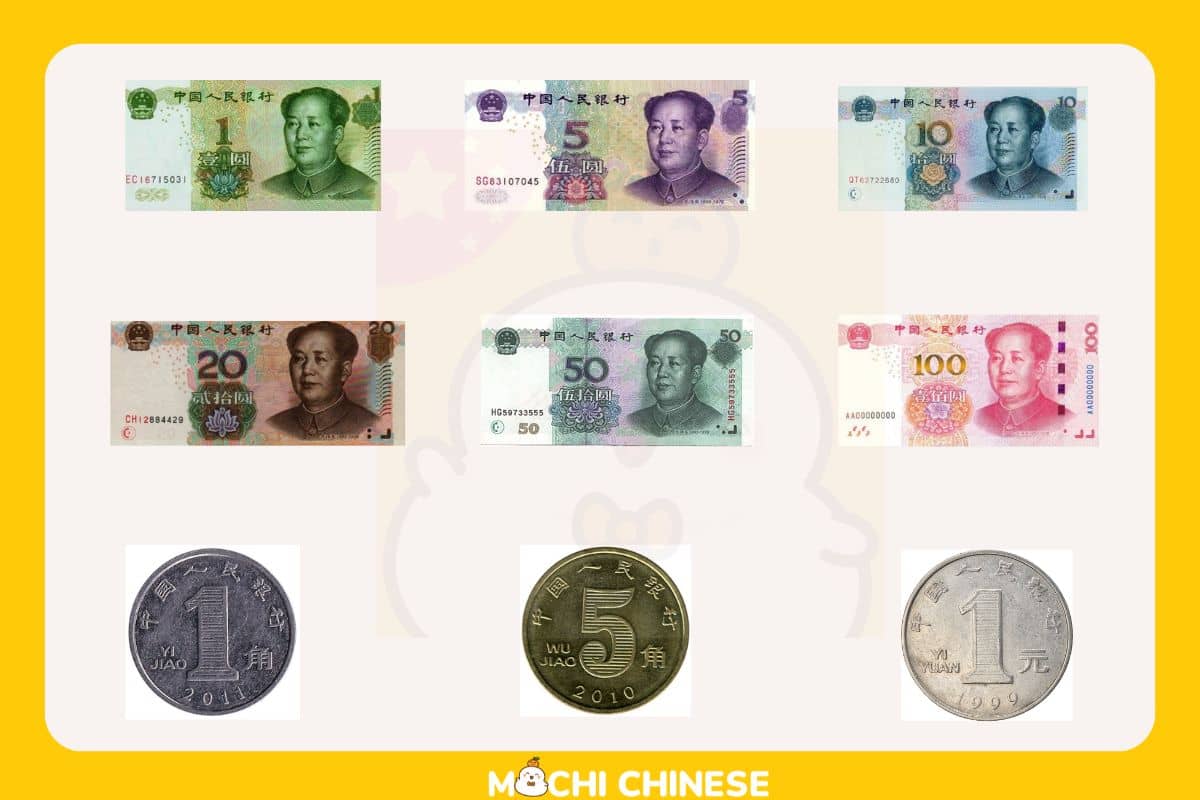
Despite the rapid digital shift, physical Renminbi remains legal tender and is still used, particularly in rural areas, by older demographics, or for small transactions. The most commonly encountered denominations are:
-
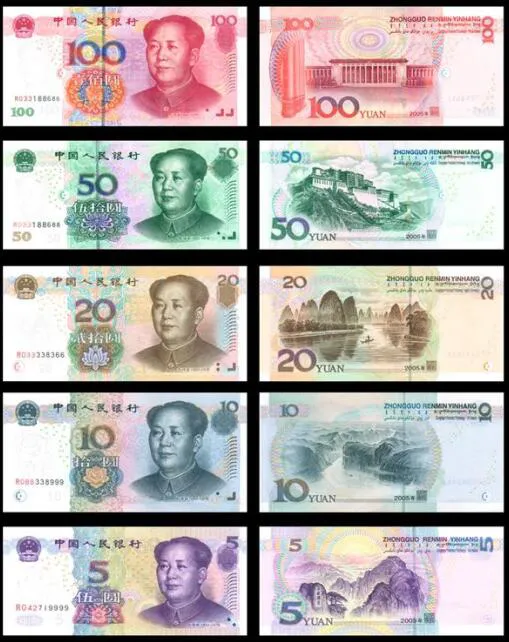
Notes: 1, 5, 10, 20, 50, and 100 Yuan. There are also smaller denominations of Jiao notes, though less common. These notes feature portraits of prominent Chinese leaders and national landmarks, designed with intricate security features to prevent counterfeiting. The current series in circulation is the fifth series of the Renminbi, progressively updated with enhanced security measures and updated designs.
-
Coins: 1, 5, 10 Fen; 1, 5 Jiao; 1 Yuan. Fen and Jiao coins are less frequently used in everyday transactions due to their low value.
While the physical currency is still present, its significance in daily transactions has dramatically diminished. The convenience and efficiency of digital alternatives have largely supplanted the need for carrying significant amounts of cash for most urban Chinese consumers.
Historical Context and Evolution
The Renminbi was first issued by the People’s Bank of China in 1948, shortly before the establishment of the People’s Republic of China. Its value was initially pegged to gold, but it later transitioned to a managed float system. For decades, the RMB was subject to strict currency controls, with an official exchange rate that differed significantly from its black market value. This dual-track system reflected China’s planned economy.
However, as China opened up its economy and integrated into the global market, the Renminbi underwent a process of internationalization and liberalization. The exchange rate became more market-driven, and efforts have been made to make the RMB a more widely accepted international currency. Despite these efforts, capital controls remain in place, influencing its convertibility and its role in global finance.
The Dominant Digital Realm: Mobile Payment Giants
The most striking aspect of money usage in China today is the ubiquity of mobile payment platforms. These systems have revolutionized how people pay for goods and services, transforming daily life and commerce to an extent unparalleled in many other developed economies.
Alipay: The Pioneer and E-commerce Enabler
Launched by Alibaba Group in 2004, Alipay initially served as a trusted escrow service for online transactions on Alibaba’s e-commerce platforms like Taobao and Tmall. Its success was intrinsically linked to the explosion of China’s e-commerce market.
-
Core Functionality: Alipay allows users to link their bank accounts or credit cards to make payments, transfer money, and manage their finances. It has evolved into a comprehensive financial services platform, offering a vast array of services beyond simple payments.
-
Ecosystem Expansion: Alipay’s ecosystem extends to investments (Yu’e Bao, a money market fund), loans, insurance, utility bill payments, transportation ticketing, and even social services. This “super-app” approach makes it an indispensable tool for many Chinese citizens.
-
Merchant Adoption: The widespread adoption by merchants, from street vendors to large retailers, has been a key driver of Alipay’s success. Users can scan QR codes displayed by merchants to initiate payments, or merchants can scan the user’s payment code.
WeChat Pay: The Social Commerce Powerhouse
WeChat, China’s dominant social messaging app, developed by Tencent, integrated its payment functionality, WeChat Pay, in 2013. It quickly became a formidable competitor to Alipay, leveraging its massive user base within the social networking context.
- Social Integration: WeChat Pay’s strength lies in its seamless integration with the WeChat app. Users can send money to friends within chat windows, participate in group red packet giveaways (digital envelopes containing money, often during festivals), and make payments directly within the app.

-
Versatile Applications: Similar to Alipay, WeChat Pay has expanded its reach to cover a wide range of transactions: online shopping, bill payments, booking tickets, and even paying for public transport. Its ability to facilitate peer-to-peer transactions and integrate with business accounts has made it a powerful tool for both individuals and businesses.
-
QR Code System: Like Alipay, WeChat Pay relies heavily on the QR code system for merchant transactions, making payments quick, contactless, and convenient.
Together, Alipay and WeChat Pay command over 90% of China’s mobile payment market. This duopoly has created a “cashless” society for many, where carrying physical money is often unnecessary. The reliance on these platforms has also raised questions about data privacy and market concentration, which the Chinese government has begun to address.
The Future of Money: The Digital Yuan (e-CNY)
The most significant development in China’s monetary system is the ongoing rollout of the Central Bank Digital Currency (CBDC), known as the Digital Yuan or e-CNY (electronic Chinese Yuan). This initiative represents a bold step towards modernizing the financial infrastructure and asserting greater control over the digital economy.
What is the e-CNY?
The e-CNY is a digital form of China’s fiat currency, the Renminbi. It is issued by the People’s Bank of China (PBOC) and is intended to circulate alongside physical cash and bank deposits. Unlike cryptocurrencies like Bitcoin, which are decentralized, the e-CNY is centralized and controlled by the central bank.
-
Legal Tender Status: The e-CNY is designed to be legal tender, meaning it will have the same legal status as physical RMB. This is a crucial distinction from private digital payment systems or cryptocurrencies, which do not hold this status.
-
Two-Tiered Distribution System: The e-CNY will be distributed through a two-tiered system. The PBOC will distribute it to commercial banks and other authorized institutions (the first tier), which will then distribute it to the public (the second tier). This approach leverages the existing financial infrastructure.
-
Technological Underpinnings: The e-CNY utilizes a combination of technologies, including distributed ledger technology (DLT) and potentially other blockchain-inspired innovations, although it is not a fully decentralized blockchain system. It aims for both traceability and privacy, a delicate balance.
Objectives and Potential Impact
The e-CNY is driven by several strategic objectives:
-
Enhancing Payment Efficiency and Financial Inclusion: By providing a digital alternative, the e-CNY could potentially lower transaction costs and improve accessibility to financial services, especially for those in remote areas or unbanked populations.
-
Improving Monetary Policy Transmission: A central bank digital currency could offer new tools for monetary policy, allowing for more targeted interventions or even negative interest rates in the future.
-
Combating Financial Crime and Maintaining Financial Stability: The traceability of digital transactions could aid in combating illicit activities such as money laundering and terrorist financing. It also provides a more direct oversight capability for the central bank.
-
Challenging Dominant Private Payment Platforms: The rise of Alipay and WeChat Pay has concentrated significant financial data and transaction flows in the hands of private entities. The e-CNY aims to reassert the central bank’s role in the digital payment ecosystem and potentially curb the monopolistic tendencies of these tech giants.
-
Internationalization of the Renminbi: While not an immediate goal, the e-CNY could pave the way for greater international use of the Renminbi. A more accessible and efficient digital version of the currency might encourage cross-border transactions and investment, reducing reliance on the US dollar.
Pilot Programs and Future Rollout
The PBOC has been conducting extensive pilot programs for the e-CNY in various cities and for different use cases. These pilots have involved millions of users and a wide range of merchants, testing its functionality in retail payments, public transportation, and even government subsidies.
-
Expanding Use Cases: Pilots have included scenarios like paying for subway rides, purchasing groceries, and even settling utility bills. Some pilots have also explored business-to-business (B2B) transactions and cross-border payments.
-
User Experience Refinements: Feedback from these pilots is crucial for refining the user interface, security features, and overall functionality of the e-CNY wallet. Users can access the e-CNY through dedicated mobile apps provided by authorized institutions.
-
Gradual National Adoption: The plan is for a gradual and measured rollout, expanding the coverage and use cases as the technology matures and public acceptance grows. The ultimate goal is for the e-CNY to become an integral part of China’s payment system, coexisting with other forms of money.
The journey of money in China is a fascinating case study in rapid technological adoption and deliberate economic policy. From the physical Renminbi to the dominant mobile payment duopoly and now the pioneering digital yuan, China is actively shaping the future of how its citizens and businesses transact, with profound implications for the global financial landscape.
aViewFromTheCave is a participant in the Amazon Services LLC Associates Program, an affiliate advertising program designed to provide a means for sites to earn advertising fees by advertising and linking to Amazon.com. Amazon, the Amazon logo, AmazonSupply, and the AmazonSupply logo are trademarks of Amazon.com, Inc. or its affiliates. As an Amazon Associate we earn affiliate commissions from qualifying purchases.