
For business owners and financial managers, tax season isn’t just a once-a-year event; it is a quarterly commitment to transparency and compliance. One of the most critical documents in this cycle is IRS Form 941, the Employer’s Quarterly Federal Tax Return. While many businesses now handle their tax liabilities electronically, the physical filing of the form remains a necessity for many. A common point of confusion arises when a business has already remitted its tax payments via the Electronic Federal Tax Payment System (EFTPS) and simply needs to submit the informational return. Knowing exactly where to send Form 941 without payment is essential to avoid processing delays, potential penalties, and administrative headaches.
Understanding Form 941 and the Importance of Accurate Filing
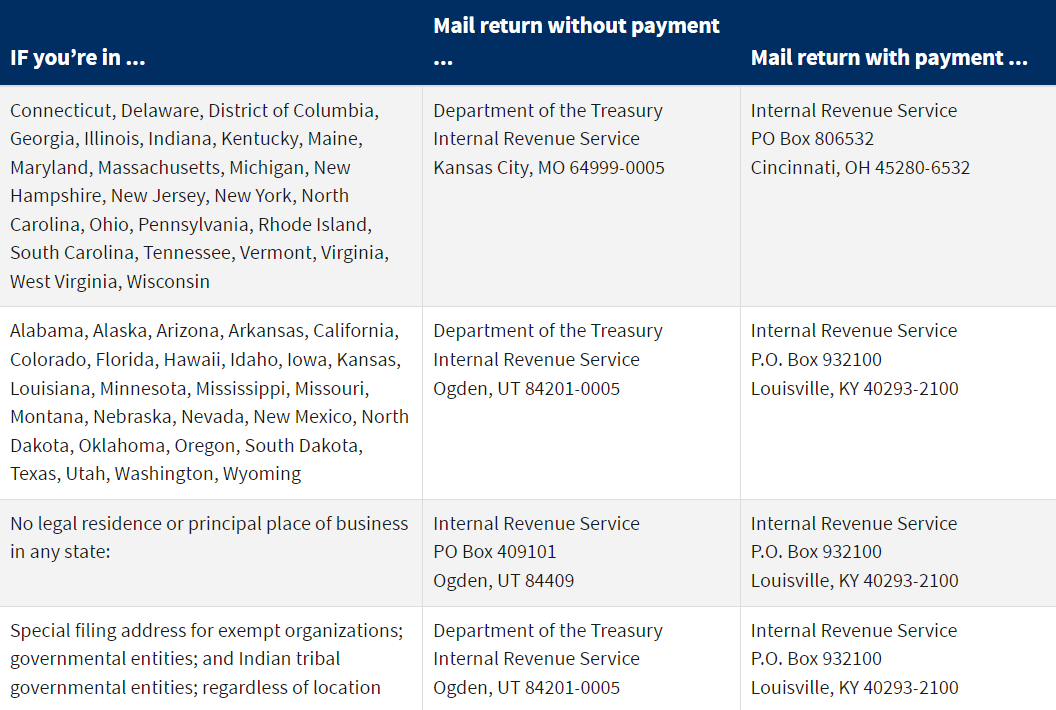
Form 941 is the primary tool the Internal Revenue Service uses to track the income taxes, Social Security tax, and Medicare tax withheld from employees’ paychecks. It also accounts for the employer’s portion of Social Security and Medicare taxes.
The Role of the Employer’s Quarterly Federal Tax Return
The 941 provides a snapshot of a company’s payroll health and its contribution to the national social safety net. It is due every quarter: April 30, July 31, October 31, and January 31. Failing to file this form—even if all taxes have been paid in full through electronic transfers—can trigger an “Inquiry Regarding Substitute for Return” or a “Failure to File” penalty. For the business finance professional, the 941 is more than a tax form; it is a reconciliation document that ensures the business’s ledger matches the government’s records.
Why Filing Without Payment is Common for Modern Businesses
In the modern financial landscape, the vast majority of businesses are required to deposit their payroll taxes monthly or semi-weekly using EFTPS. Because these funds are already in the IRS’s possession by the time the quarterly deadline rolls around, the actual Form 941 is often submitted “without payment.” In this scenario, the form acts as a final report to confirm that the amounts deposited throughout the quarter align with the total tax liability calculated on the form. Understanding this distinction is the first step in optimizing your business’s tax workflow.
Determining Your Mailing Address: A State-by-State Guide
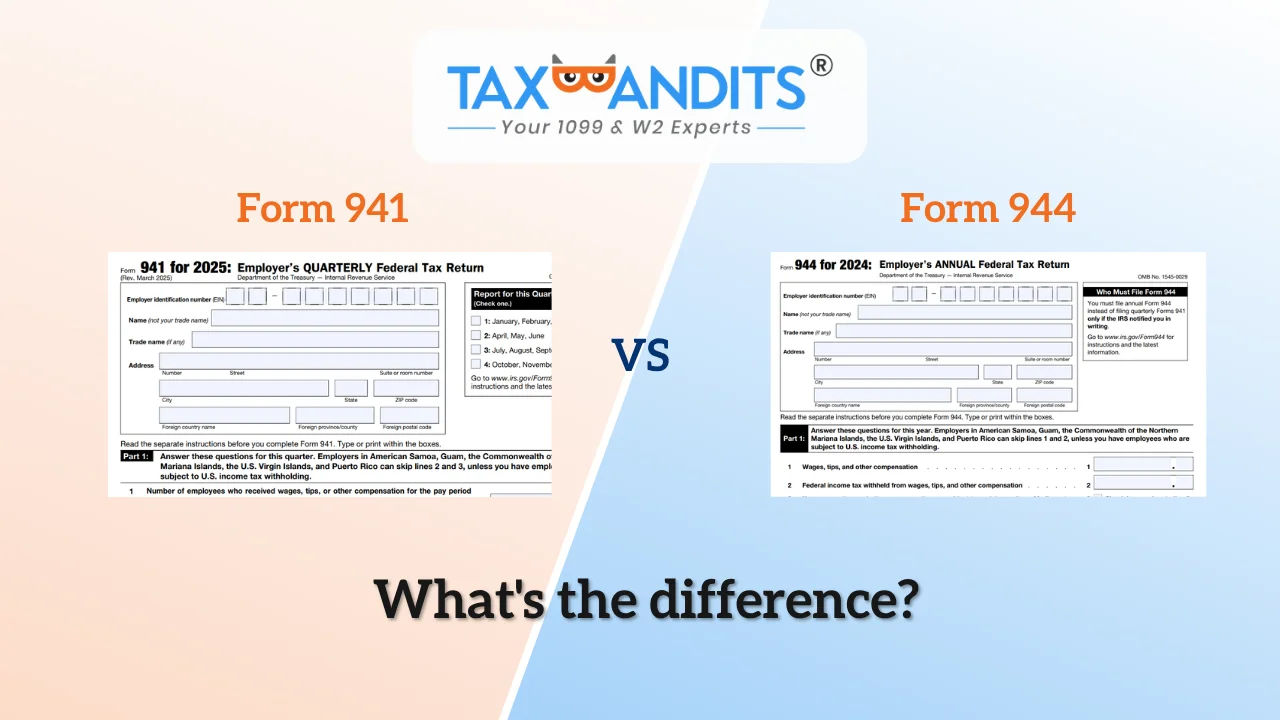
The IRS utilizes different processing centers based on the geographic location of the business and whether a check is included. Sending your return to the wrong service center can lead to significant delays in processing, which might result in erroneous late-filing notices. Below is the breakdown of where to mail Form 941 when you are not including a payment.
Group 1: Northeastern and Mid-Atlantic States
If your business is located in the following states, the IRS requires your non-payment Form 941 to be sent to the processing center in Cincinnati, Ohio:
- Connecticut, Delaware, District of Columbia, Georgia, Illinois, Indiana, Kentucky, Maine, Maryland, Massachusetts, Michigan, New Hampshire, New Jersey, New York, North Carolina, Ohio, Pennsylvania, Rhode Island, South Carolina, Vermont, Virginia, West Virginia, and Wisconsin.
The specific address for this group is:
Department of the Treasury
Internal Revenue Service
Cincinnati, OH 45999-0005
Group 2: Southern and Western Regions
For businesses operating in the Southern, Midwestern, and Western portions of the United States, the designated processing center is located in Ogden, Utah. This includes the following states:
- Alabama, Alaska, Arizona, Arkansas, California, Colorado, Florida, Hawaii, Idaho, Iowa, Kansas, Louisiana, Minnesota, Mississippi, Missouri, Montana, Nebraska, Nevada, New Mexico, North Dakota, Oklahoma, Oregon, South Dakota, Tennessee, Texas, Utah, Washington, and Wyoming.
The specific address for this group is:
Department of the Treasury
Internal Revenue Service
Ogden, UT 84201-0005
Group 3: Special Cases and International Filers
If you are filing for a business located in American Samoa, Guam, the Northern Mariana Islands, Puerto Rico, or the U.S. Virgin Islands, your return follows a different protocol. Similarly, if you are an “exempt organization” or if you are filing for a business located in a foreign country, you generally use the Ogden, Utah address, though you should always verify with the most recent IRS Publication 15 (Circular E) to ensure no mid-year logistical changes have occurred.
Best Practices for Tax Documentation and Submission
Filing tax forms is a matter of precision. Beyond simply knowing the address, business owners must implement a system that ensures every submission is timely and verifiable. In the world of business finance, “lost in the mail” is not a valid legal defense.
Timing Your Submission: Deadlines and Grace Periods
The IRS is strict regarding deadlines. If you mail your Form 941, it must be postmarked by the due date of the quarter. However, there is a small “grace period” for businesses that have made their deposits in full and on time. If you have deposited all taxes due for the quarter on time, you may have an additional 10 days after the standard due date to file the return. While this provides a safety net, it is best practice to aim for the standard deadline to maintain a clean financial record.
Transitioning to E-Filing for Enhanced Efficiency
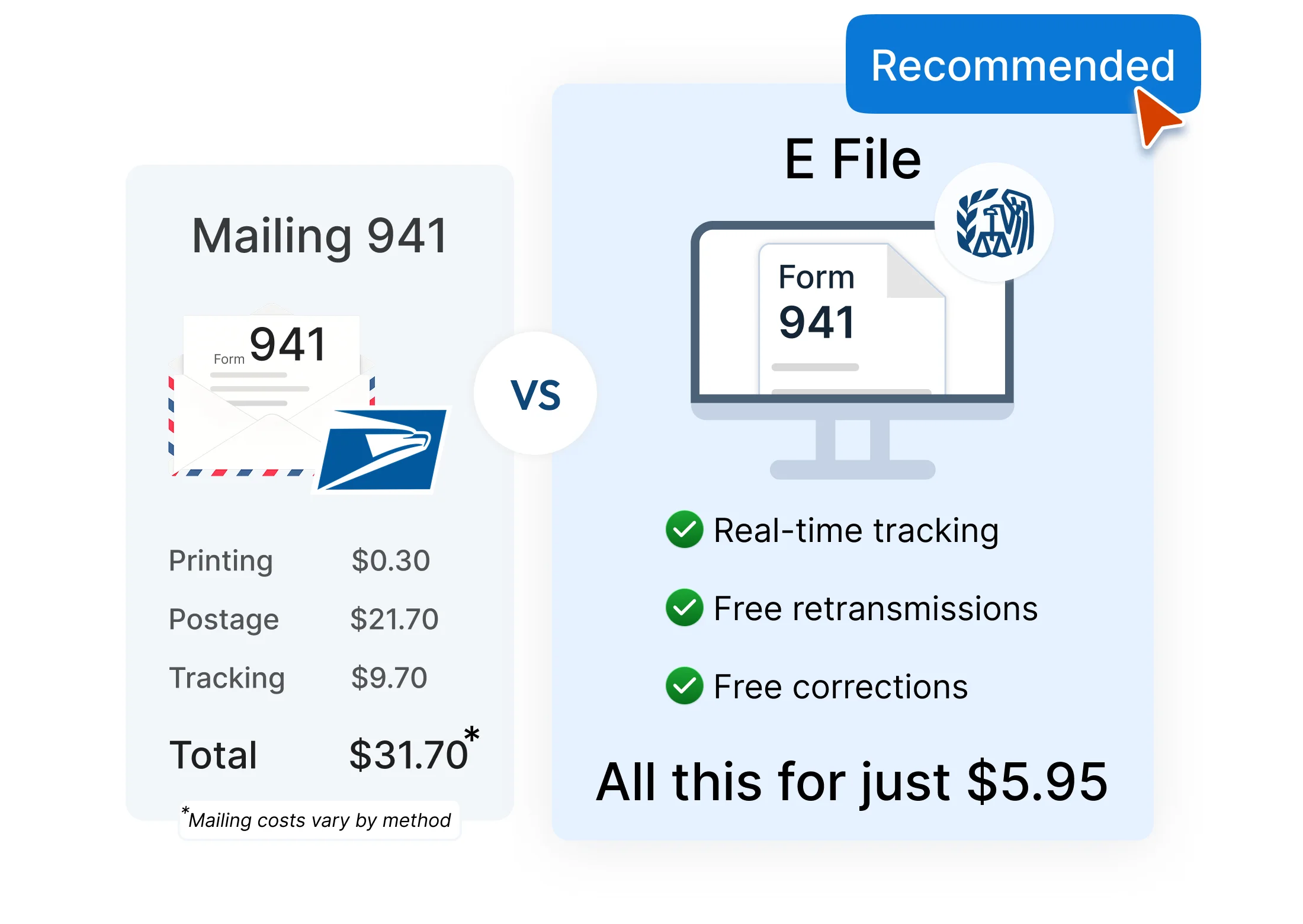
While this guide focuses on physical mailing addresses, any discussion of modern business finance would be incomplete without mentioning e-filing. The IRS strongly encourages businesses to file Form 941 electronically using IRS e-file. This method provides an immediate acknowledgment of receipt, reducing the anxiety of waiting for a paper form to be processed. For businesses using modern payroll software, this process is often automated, drastically reducing the margin for human error and ensuring that the “where to send” question becomes a relic of the past.
Managing Business Liquidity and Payroll Tax Liabilities
From a financial management perspective, Form 941 represents the culmination of a quarter’s worth of cash flow management. Proper handling of these funds is a hallmark of a healthy business.
Separating Tax Liabilities from Operating Capital
One of the most common pitfalls for small businesses and side hustles is treating payroll tax withholdings as available cash flow. Because these funds belong to the employees and the government, they should ideally be held in a separate, dedicated tax account. By automating the transfer of tax liabilities every pay period, businesses ensure they have the liquidity necessary to make their EFTPS payments on time, making the filing of Form 941 a simple administrative check-off rather than a financial crisis.
Utilizing Financial Tools for Seamless Compliance
Investment in financial tools—ranging from cloud-based accounting software to specialized payroll services—is an investment in the business’s longevity. These tools can generate Form 941 automatically, pre-filled with the data from your quarterly payroll runs. When you choose to file without payment because your software has already handled the electronic deposits, you are leveraging technology to mitigate risk. This allows the business owner to focus on growth and strategy rather than the minutiae of IRS mailing addresses.
Conclusion: Safeguarding Your Business Finances Through Diligence
Successfully managing Form 941 is a fundamental skill in the realm of business finance. While the physical act of mailing a form to Cincinnati or Ogden may seem like a small task, it represents the final step in a complex chain of financial responsibility. By identifying the correct service center, adhering to strict deadlines, and maintaining a robust system for tracking tax liabilities, you protect your business from unnecessary scrutiny and financial penalties.
Whether you are a seasoned CFO or a new entrepreneur navigating your first year of payroll, remember that tax compliance is a marathon, not a sprint. Consistency, accuracy, and an understanding of the IRS’s logistical requirements are the keys to maintaining a stable and reputable business. As you move forward, consider the benefits of shifting toward electronic systems, but keep this geographic guide close at hand for those moments when paper filing is the necessary path forward. Through diligent financial management, the quarterly “941 season” can become a streamlined, stress-free component of your business’s success.
aViewFromTheCave is a participant in the Amazon Services LLC Associates Program, an affiliate advertising program designed to provide a means for sites to earn advertising fees by advertising and linking to Amazon.com. Amazon, the Amazon logo, AmazonSupply, and the AmazonSupply logo are trademarks of Amazon.com, Inc. or its affiliates. As an Amazon Associate we earn affiliate commissions from qualifying purchases.