
The term “rim offset” might sound like a niche piece of jargon, but for anyone involved in automotive customization, performance tuning, or even just understanding how their vehicle sits on the road, it’s a fundamental concept. Understanding rim offset is crucial for ensuring proper fitment, aesthetics, and even the mechanical integrity of your wheels and suspension. This article will delve into the intricacies of rim offset, explaining its definition, its impact on vehicle dynamics and aesthetics, and how to choose the right offset for your specific needs.
Understanding the Fundamentals of Rim Offset
At its core, rim offset, also known as wheel offset, is a measurement that dictates how a wheel is positioned relative to its hub mounting surface. This seemingly simple measurement has profound implications for how a wheel interacts with the vehicle’s suspension, brakes, and bodywork.
Defining Rim Offset: The Measurement Explained
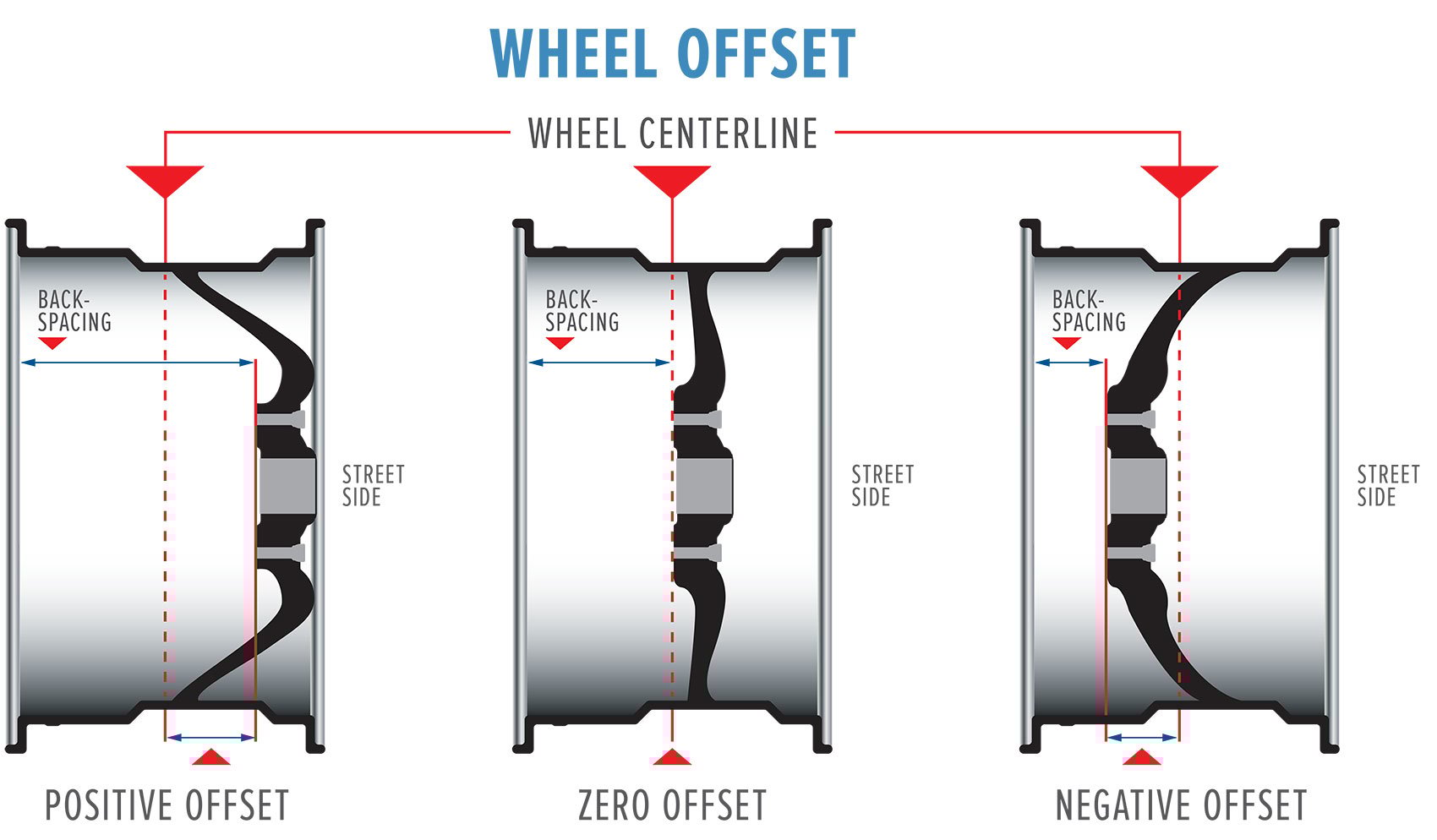
Rim offset is the distance between the wheel’s mounting surface (where it bolts to the hub) and the centerline of the wheel. This distance is typically measured in millimeters (mm) and can be positive, negative, or zero.
-
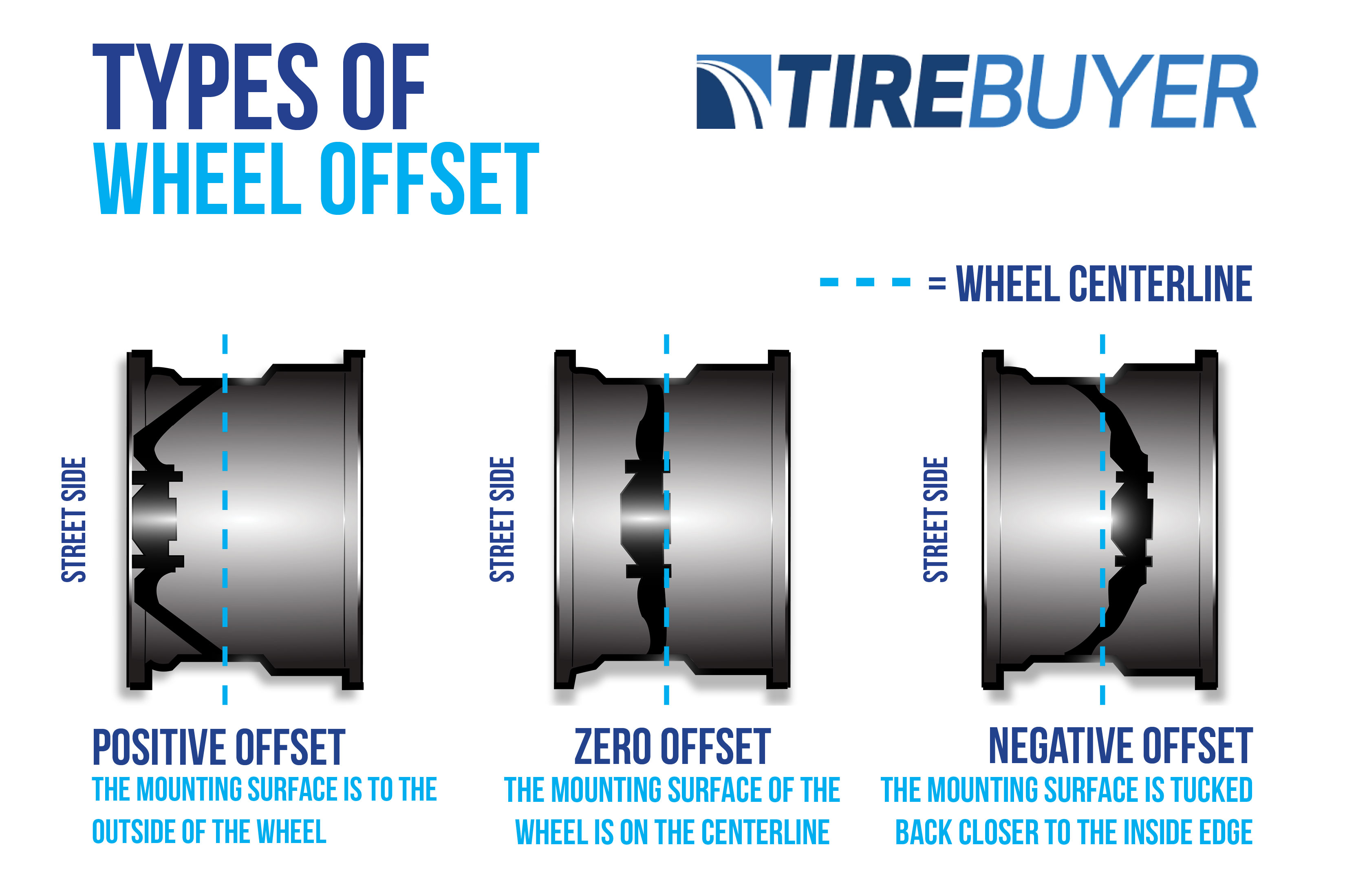
Positive Offset: In a positive offset wheel, the mounting surface is located further out than the centerline of the wheel. Imagine looking at the wheel from the front of the car; the mounting surface is closer to the outside of the wheel than the geometric center. Most modern passenger vehicles come with positive offset wheels. This design helps to keep the wheel and tire assembly tucked inside the fender well, which is beneficial for aerodynamics, fuel efficiency, and protecting the wheel from curb damage.
-
Negative Offset: Conversely, a negative offset wheel has its mounting surface located further in than the centerline of the wheel. When viewed from the front, the mounting surface is closer to the inner hub assembly. Negative offset wheels are less common on standard road vehicles but are often found on older trucks, some performance vehicles designed for aggressive stances, or vehicles with very wide brake calipers that require more clearance. They push the wheel further out from the hub, which can enhance the “stanced” or aggressive look, but can also lead to increased scrub radius and potential rubbing issues.
-
Zero Offset: A zero offset wheel means the mounting surface is exactly in line with the centerline of the wheel. In this configuration, the wheel sits neither in nor out relative to its centerline. While less common in modern OEM applications, some aftermarket wheels and older vehicle designs might feature zero offset.
It’s important to distinguish offset from backspacing and frontspacing. Backspacing is the distance from the inside edge of the wheel lip to the wheel’s mounting surface. Frontspacing is the distance from the outside edge of the wheel lip to the mounting surface. While related, offset is the standard measurement used by manufacturers and tire shops for wheel fitment.
The Hub Mounting Surface: The Reference Point
The hub mounting surface is the flat area on the back of the wheel that makes direct contact with the vehicle’s hub assembly. This is where the lug nuts or bolts secure the wheel to the car. The precise location of this surface relative to the wheel’s centerline is what defines the offset. Precision in this measurement is critical, as even small deviations can have significant consequences.
Units of Measurement: Millimeters are Key
As mentioned, rim offset is universally measured in millimeters. This standardized unit ensures clarity and accuracy when discussing wheel specifications across different brands and regions. When you see a wheel specification like ” +35 offset,” it means there is a positive 35mm offset. Similarly, “-15 offset” indicates a negative 15mm offset.
The Impact of Rim Offset on Vehicle Dynamics and Aesthetics
The choice of rim offset isn’t merely an aesthetic decision; it significantly influences how your vehicle handles, its stability, and its overall appearance.
Impact on Handling and Performance
Rim offset directly affects the scrub radius, which is the distance between the point where the steering axis intersects the ground and the center of the tire’s contact patch.
-
Scrub Radius: A positive offset generally reduces the scrub radius, bringing the wheel closer to the suspension’s pivot point. This can lead to more precise steering feel and potentially reduce torque steer. Conversely, a negative offset increases the scrub radius, pushing the wheel further out. This can make steering feel heavier and, in extreme cases, contribute to unpredictable handling under acceleration or braking.
-
Wheel Bearing Load: An incorrect offset can place undue stress on the wheel bearings. When a wheel is pushed too far out (excessive negative offset) or pulled too far in (excessive positive offset), the leverage on the bearings increases. This can lead to premature wear and potential failure of the wheel bearings, which are critical safety components.
-
Suspension Geometry: Changing the offset alters the suspension geometry. This can affect camber and caster angles, which are crucial for tire wear, steering stability, and cornering grip. While minor changes in offset might be within acceptable tolerances, significant deviations can negatively impact the designed suspension characteristics.
-
Tire Clearance: The most immediate and noticeable impact of offset is on tire clearance. Wheels with excessive positive offset might cause the tire to rub against the suspension components (like control arms or brake calipers) or the inner fender lining. Wheels with excessive negative offset are more prone to rubbing against the outer fender or bodywork, especially during turns or over bumps. This rubbing can damage tires, fenders, and even suspension components.
Aesthetic Considerations: The Stance and Fitment
Beyond performance, rim offset plays a pivotal role in achieving a desired aesthetic for your vehicle, often referred to as its “stance.”
-
Flush Fitment: Many enthusiasts aim for a “flush” look, where the outer edge of the tire is perfectly aligned with the fender. Achieving this often requires careful selection of wheel width, tire size, and offset. A slightly more aggressive offset (either more negative or less positive) can push the wheel out to achieve this flush look.
-
Aggressive Stance: Some choose a more aggressive stance, where the wheels are noticeably pushed outwards beyond the fenders. This is typically achieved with significant negative offset wheels. While this can create a dramatic visual impact, it often comes with compromises in drivability, potential legal issues regarding tire coverage, and increased risk of damage from road debris.
-
Tucked Fitment: Conversely, a “tucked” fitment refers to wheels that are set deep within the fender well, often due to a high positive offset. This can be a more subtle and OEM-like appearance.
The interplay between wheel width and offset is crucial here. A wider wheel with the same offset will naturally sit further out than a narrower wheel with the same offset. Therefore, when considering offset, you must also account for the width of the wheel and the dimensions of the tire.
Calculating and Choosing the Right Rim Offset
Selecting the correct rim offset is a critical step in wheel and tire upgrades. It requires understanding your vehicle’s specifications and your desired outcome.
Understanding Your Vehicle’s OEM Offset
Every vehicle is designed with a specific OEM (Original Equipment Manufacturer) offset. This offset is determined by engineers to optimize the balance between handling, comfort, fuel efficiency, and aesthetics within the constraints of the vehicle’s chassis and suspension.
-
Checking Your Current Wheels: The easiest way to find your vehicle’s OEM offset is to look directly at your current wheels. The offset is usually stamped or cast into the back of the wheel, often near the valve stem or on the hub mounting surface. It will be indicated by a “+”, “-“, or no symbol (for zero offset) followed by a number in millimeters. For example, “ET35” is a common European marking for a +35mm offset.
-
Consulting Vehicle Manuals and Online Resources: Your vehicle’s owner’s manual might list wheel specifications, including offset. Alternatively, numerous online automotive forums, wheel retailers, and specification databases provide OEM wheel information for most makes and models.
The Formula for Offset Adjustment
When deviating from the OEM offset, understanding how changes affect fitment is essential. The basic principle is that for every millimeter you change the offset, the wheel’s position relative to the fender and suspension also changes by one millimeter.
-
Increasing Positive Offset: If you increase the positive offset (e.g., from +35mm to +45mm), the wheel moves inward by 10mm. This increases clearance from the fender but decreases clearance from suspension components.
-
Decreasing Positive Offset: If you decrease the positive offset (e.g., from +35mm to +25mm), the wheel moves outward by 10mm. This moves the wheel closer to the fender but increases clearance from suspension components.
-
Increasing Negative Offset: If you increase the negative offset (e.g., from -10mm to -20mm), the wheel moves outward by 10mm. This moves the wheel closer to the fender and bodywork.
-
Decreasing Negative Offset: If you decrease the negative offset (e.g., from -10mm to 0mm), the wheel moves inward by 10mm. This moves the wheel further inside the fender and closer to suspension components.
Tools and Resources for Offset Calculation
Several tools and resources can help you accurately calculate the impact of different offsets:
-
Online Wheel Offset Calculators: Many tire and wheel retailers offer free online calculators. You input your vehicle’s current wheel size and offset, and then the desired new wheel size and offset. The calculator will then show you how much the new wheel will move in or out relative to your current setup and provide clearance warnings.
-
Wheel Fitment Guides: Reputable wheel manufacturers and retailers provide detailed fitment guides that list compatible wheel sizes, offsets, and bolt patterns for various vehicles.
-
Professional Wheel Shops: Experienced professionals at wheel and tire shops can provide invaluable advice. They have seen countless applications and understand the nuances of fitment for specific vehicles. They can help you avoid costly mistakes.
When using these tools, always consider the total width of the wheel and the tire you intend to use. A change in wheel width will also alter the wheel’s position relative to the fender and suspension, independent of offset. It’s a complex interplay, and it’s often wise to err on the side of caution and consult with experts.
Common Pitfalls and Considerations When Changing Offset
Making the wrong choice regarding rim offset can lead to a host of problems, ranging from minor aesthetic issues to significant mechanical and safety concerns. Being aware of these potential pitfalls can help you make informed decisions.
Tire Rubbing and Clearance Issues
This is perhaps the most common and frustrating consequence of incorrect offset.
-
Fender Rubbing: Wheels with insufficient positive offset or excessive negative offset can cause the tire to rub against the fender lip, fender liner, or even the bodywork. This can occur during turns, when the suspension compresses, or even at full steering lock. Tire rub can damage the tire sidewall, tear up the fender liner, and lead to an unsightly appearance.
-
Suspension Component Rubbing: Conversely, wheels with too much positive offset can bring the tire too close to suspension components like control arms, steering knuckles, or brake calipers. This can lead to interference, reduced steering articulation, and in severe cases, contact that could compromise the safety of these critical parts.
-
“Stretched” Tires and Aggressive Fitment: While some enthusiasts intentionally “stretch” tires onto wider wheels with aggressive offsets for aesthetic reasons, this practice can compromise tire performance and safety. The sidewall is under undue stress, and the tire can become more susceptible to damage.
Impact on Steering and Driving Feel
As discussed in the “Impact on Handling” section, offset has a direct influence on the scrub radius and overall steering geometry.
-
Increased Torque Steer: Significant deviations from OEM offset, especially towards negative offsets, can exacerbate torque steer, the phenomenon where the steering wheel pulls to one side under hard acceleration.
-
Heavier Steering: A larger scrub radius can make the steering feel heavier and less responsive.
-
Tramlining: Incorrect offset, combined with wide tires, can also lead to “tramlining,” where the tires tend to follow the grooves in the road, making it difficult to maintain a straight line.
Wear and Tear on Suspension Components
Unusual forces placed on the suspension due to incorrect offset can accelerate wear on various components.
-
Wheel Bearings: As mentioned, increased leverage on wheel bearings can lead to premature failure, requiring costly repairs.
-
Ball Joints and Tie Rod Ends: The altered geometry can also put additional stress on ball joints and tie rod ends, potentially leading to their premature wear and eventual failure. This can manifest as loose steering and clunking noises.
-
Shocks and Struts: While less direct, sustained uneven loading on the suspension can indirectly affect the lifespan of shock absorbers and struts.
Legal and Regulatory Compliance
In many regions, there are regulations regarding how far a tire can extend beyond the fender.
- Tire Coverage: Laws often require tires to be covered by the fenders or specific fender flares to prevent road debris from being thrown onto other vehicles or pedestrians. Significantly negative offset wheels can violate these regulations, leading to fines or issues during vehicle inspections.
The Importance of Professional Consultation
Given the complexities and potential ramifications, consulting with a professional wheel and tire expert is highly recommended when making offset changes. They can:
- Assess your vehicle’s specific needs: Based on your car’s make, model, and existing suspension setup.
- Recommend appropriate offsets: Balancing aesthetics with functionality and safety.
- Advise on tire sizes: Ensuring proper fitment with your chosen wheels.
- Prevent costly mistakes: Saving you time, money, and potential headaches down the line.

Conclusion: Mastering Rim Offset for Optimal Fitment
Rim offset is a critical dimension that determines how your wheels sit relative to your vehicle’s hub. While it may seem like a minor detail, understanding and correctly applying the principles of rim offset can dramatically impact your vehicle’s aesthetics, handling characteristics, and the longevity of its suspension components. Whether you’re aiming for a flush stance, a more aggressive look, or simply seeking to replace OEM wheels, prioritizing the correct offset is paramount.
By understanding the difference between positive, negative, and zero offset, and how each affects scrub radius, wheel bearing load, and tire clearance, you can make informed decisions. Always start by knowing your vehicle’s OEM offset and utilize online calculators, fitment guides, and, most importantly, the expertise of professional wheel and tire specialists. Avoiding common pitfalls like tire rubbing, compromised steering feel, and accelerated wear on suspension parts will ensure that your wheel upgrade enhances, rather than detracts from, your driving experience and vehicle’s overall integrity. Mastering rim offset is not just about achieving a desired look; it’s about ensuring your vehicle performs optimally and safely.
aViewFromTheCave is a participant in the Amazon Services LLC Associates Program, an affiliate advertising program designed to provide a means for sites to earn advertising fees by advertising and linking to Amazon.com. Amazon, the Amazon logo, AmazonSupply, and the AmazonSupply logo are trademarks of Amazon.com, Inc. or its affiliates. As an Amazon Associate we earn affiliate commissions from qualifying purchases.