
In the contemporary digital landscape, the consumption of video content has transitioned from a passive activity to a sophisticated technological experience. At the center of this evolution is YouTube, a platform that has moved far beyond its origins as a simple video-sharing site to become a massive ecosystem of software, algorithms, and integrated services. For many users, the primary question—”How much is YouTube Premium?”—is often the first step in deciding whether to upgrade their digital lifestyle. However, understanding the cost requires a closer look at the technological value proposition that the subscription offers.

YouTube Premium is not merely a “pay-to-remove-ads” service; it is a comprehensive software suite designed to enhance the efficiency, mobility, and audio-visual quality of the platform. As Google continues to refine its subscription models, the pricing structure reflects a complex balance between feature sets, device compatibility, and regional software markets.
The Technological Value Proposition: Beyond Ad-Blocking
To understand why YouTube Premium carries its specific price tag, one must analyze the underlying software enhancements that the subscription unlocks. For the casual viewer, the most immediate change is the removal of advertisements, but from a technical perspective, this is a fundamental shift in how the app handles data and stream interrupts.
Engineering a Seamless User Interface
The standard version of YouTube relies on an ad-injection engine that pauses video buffers to load external commercial assets. For users on slower connections or older hardware, this transition can cause latency, caching issues, and app crashes. YouTube Premium removes these interruptive scripts, providing a “clean” stream that reduces the computational load on the device’s processor. This results in faster load times and a more fluid navigation experience across the interface.
Background Play and Picture-in-Picture (PiP)
One of the most sought-after technical features included in the Premium subscription is the ability to maintain playback while the app is minimized or the screen is locked. This is achieved through sophisticated background process management within mobile operating systems (iOS and Android). By unlocking this feature, YouTube transforms from a foreground video application into a versatile background audio engine, allowing users to multitask—using navigation apps or responding to emails—without disrupting their stream.
Enhanced Bitrate and Visual Fidelity
Recently, YouTube has introduced a “1080p Premium” setting for its subscribers. This is a technical distinction that goes beyond resolution. While standard 1080p is available to everyone, the Premium version offers an enhanced bitrate. Higher bitrate means less compression, resulting in deeper blacks, sharper motion, and fewer artifacts in high-action sequences. For tech enthusiasts with high-end OLED displays or 4K monitors, this software-level enhancement is a significant justification for the monthly cost.
Deciphering the Pricing Architecture and Tiers
As of late 2023 and early 2024, YouTube has adjusted its pricing to reflect the increasing costs of data hosting and feature development. The cost of YouTube Premium varies depending on the plan selected, and each tier is tailored to different user demographics and technical needs.
The Individual Plan: The Standard Benchmark
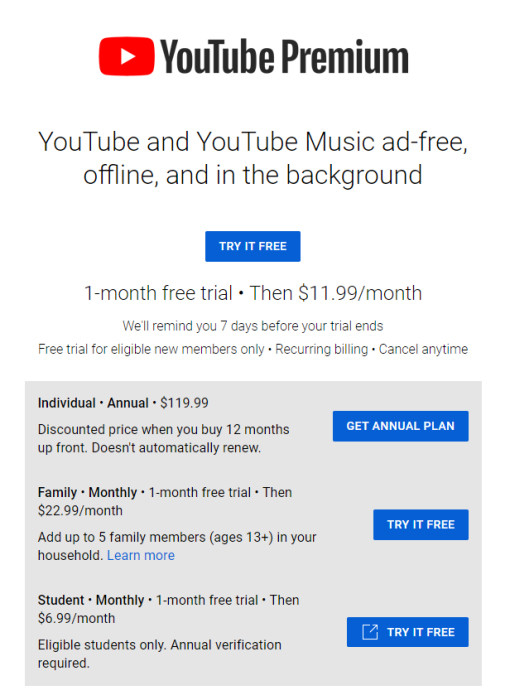
The Individual YouTube Premium plan is currently priced at $13.99 per month in the United States. This plan is designed for a single Google account and provides the full suite of features, including ad-free viewing, background play, and YouTube Music Premium. For users who spend more than an hour a day on the platform, the “tech-tax” breaks down to pennies per hour for a significantly optimized software experience.
The Family Plan: Scalable Digital Access
For households with multiple users, the Family Plan is priced at $22.99 per month. Technically, this is one of the most efficient tiers, as it allows the primary account holder to add up to five additional family members (aged 13+). Each member receives their own independent account with personalized algorithmic recommendations. From a data management perspective, the Family Plan ensures that one person’s viewing habits do not “pollute” the recommendation engine of another, maintaining the integrity of the AI-driven “Up Next” features for everyone in the household.
The Student Tier: High-Value Entry Point
Recognizing the digital needs of students, YouTube offers a discounted tier at $7.99 per month. This requires annual verification through a third-party service like SheerID to ensure the user is enrolled at a higher education institution. It provides the exact same technical benefits as the Individual plan, serving as an entry-level gateway into the YouTube ecosystem.
YouTube Music: A Integrated Software Suite
A critical component often overlooked when discussing “how much” the service costs is the inclusion of YouTube Music Premium. This is not a separate purchase but a fully integrated music streaming software that competes directly with industry giants like Spotify and Apple Music.
Algorithm Performance and Discovery
The technical strength of YouTube Music lies in its integration with the broader Google “Knowledge Graph.” Because the app shares data with the main YouTube platform, its recommendation engine is often cited as being superior at finding “deep cuts,” live performances, and remixes that do not exist on other streaming platforms. The software uses machine learning to analyze not just your listening history, but the billions of data points gathered from video views, creating a highly personalized audio environment.
High-Bitrate Audio and Offline Management
YouTube Music allows for high-quality audio streaming at up to 256kbps AAC. While audiophiles might look for “Lossless” tiers found elsewhere, the technical stability of YouTube’s AAC stream is optimized for mobile data efficiency. Furthermore, the “Smart Downloads” feature is a sophisticated piece of automation; the app can be configured to automatically download up to 500 songs based on your recent history, ensuring that you have content available even when the device is offline or in a low-connectivity zone.
The Hardware Ecosystem and Cross-Platform Integration
The value of YouTube Premium is magnified when considered across a user’s entire gadget ecosystem. The subscription is tied to the Google account, meaning the technical benefits follow the user from their smartphone to their desktop, and onto their smart home devices.
Smart TVs and Gaming Consoles
On platforms like Apple TV, Android TV, PlayStation 5, and Xbox Series X, ad-blocking software (like browser extensions) is notoriously difficult or impossible to implement. YouTube Premium provides a server-side solution to this problem. Since the “ad-free” status is verified at the account level, the software delivers a clean feed directly to the television app, bypassing the need for complex network-level ad blockers or Pi-hole configurations.
Offline Downloads and Storage Optimization
For users who travel or live in areas with spotty internet, the “Download” feature is a vital technical tool. YouTube Premium allows users to save videos in resolutions ranging from 144p to 1080p. The app’s storage management settings allow users to see exactly how much space these files occupy and give the option to save content to SD cards on Android devices. This granular control over data and storage is a hallmark of the Premium software experience.
The Future of the Subscription: AI and Experimental Features
As YouTube continues to innovate, the Premium subscription has become a testing ground for cutting-edge AI features. This “early access” component adds a layer of value for tech-forward users who want to see the future of video interaction.
AI-Generated Summaries and “Jump Ahead”
YouTube has recently begun testing AI-driven features exclusive to Premium members. One such feature is an AI “Ask” button that allows users to ask questions about the video they are watching, with a Large Language Model (LLM) providing answers based on the transcript. Another is the “Jump Ahead” feature, which uses viewership heatmaps and AI to predict the most interesting parts of a video, allowing users to skip directly to the core content.
Experimental Labs
Premium subscribers often get access to “YouTube Labs,” a section of the settings where users can toggle on experimental UI changes, new gesture controls, or different ways of organizing comments. By paying for Premium, users are essentially opting into a “beta tester” status, gaining access to software iterations months before they are rolled out to the general public (if they are rolled out at all).
Conclusion
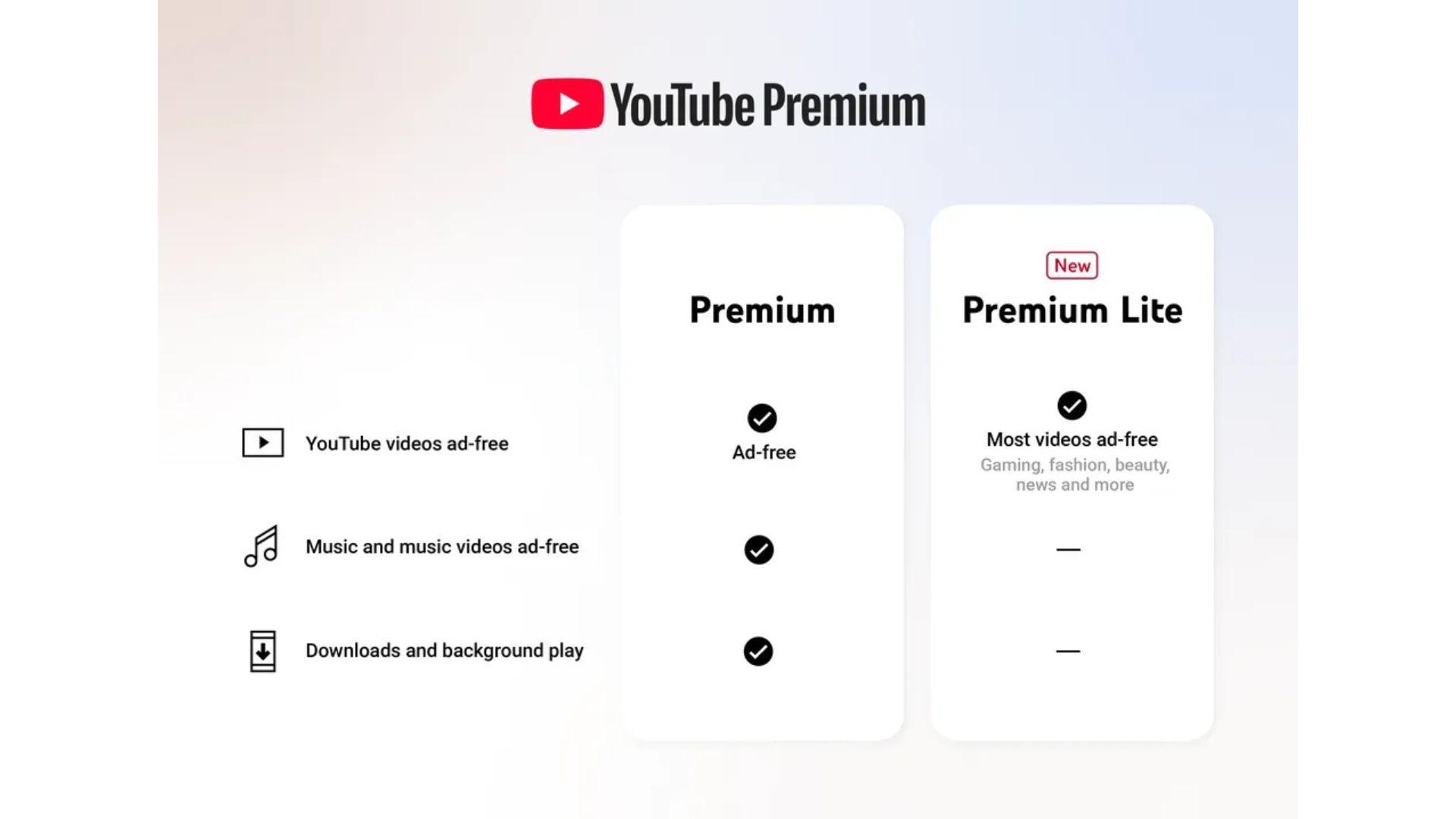
When asking “how much is YouTube Premium,” the answer is more than just a monthly dollar amount. It is an investment in a more efficient, high-fidelity, and feature-rich version of the world’s largest video platform. From the $13.99 individual plan to the high-value $22.99 family tier, the cost covers a suite of technological upgrades: a streamlined UI, advanced background processing, high-bitrate streaming, and a world-class music AI. For the modern user whose life is deeply integrated with digital video, YouTube Premium represents a move toward a more “pro” software experience, eliminating the friction of the modern web and replacing it with a seamless, cross-platform media engine.
aViewFromTheCave is a participant in the Amazon Services LLC Associates Program, an affiliate advertising program designed to provide a means for sites to earn advertising fees by advertising and linking to Amazon.com. Amazon, the Amazon logo, AmazonSupply, and the AmazonSupply logo are trademarks of Amazon.com, Inc. or its affiliates. As an Amazon Associate we earn affiliate commissions from qualifying purchases.