
In the world of high-stakes personal branding, every public choice serves as a data point in a larger narrative. From the cut of a suit to the choice of a wristwatch, public figures curate their personas to resonate with specific demographics. Perhaps no modern figure has mastered the art of “culinary branding” as effectively as Donald Trump. While the question “what is Donald Trump’s favorite food?” might seem like a trivial inquiry into his dietary habits, it is actually an entry point into a sophisticated study of brand strategy, corporate identity, and the psychology of relatability.
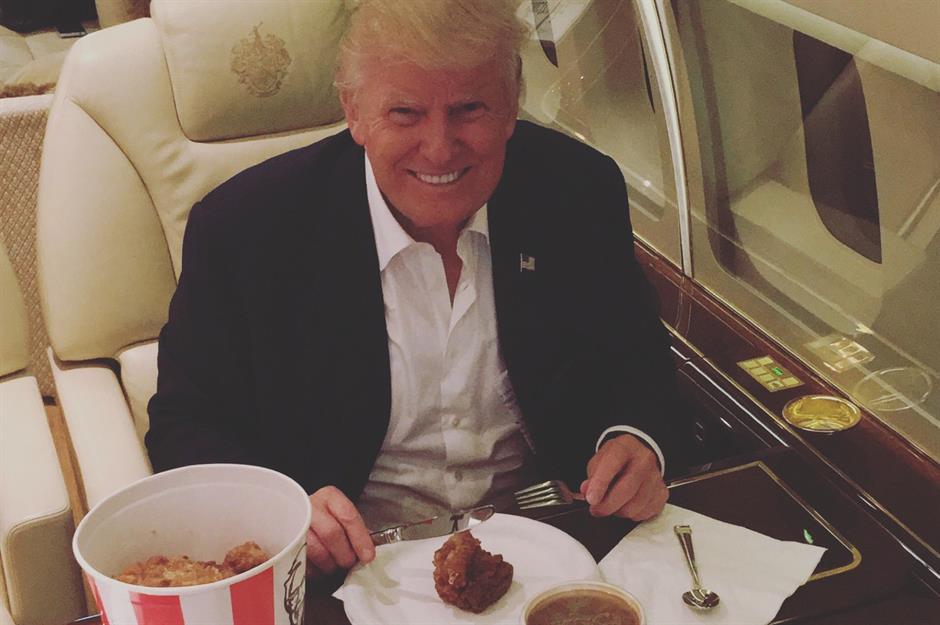
By consistently choosing fast food staples like McDonald’s, Kentucky Fried Chicken, and well-done steaks with ketchup, Trump has bypassed the traditional elite markers of wealth. Instead, he has leveraged these dietary choices to construct a “Blue-Collar Billionaire” brand that defies conventional marketing logic. This article examines the strategic underpinnings of his food choices and how they function as essential pillars of his personal brand architecture.
The Psychology of Fast Food in Personal Branding
To understand why a billionaire would choose a $5 Big Mac over a Michelin-starred meal, one must look at the psychology of the “Common Man” narrative. In branding, consistency is the bedrock of trust. For Trump, his preference for fast food is not merely a matter of taste; it is a tactical alignment with the everyday experiences of his target audience.
The “Common Man” Narrative and Populist Appeal
Personal branding often relies on finding a “middle ground” between the aspirational and the attainable. By publicly consuming McDonald’s and KFC, Trump signals that despite his private jets and gold-plated penthouses, his fundamental tastes remain rooted in the American mainstream. This creates a powerful brand bridge. It suggests that while he has achieved extraordinary financial success, he has not been “corrupted” by the perceived snobbery of the global elite. In a branding context, this is “identity signaling.” It tells the consumer—or the voter—that the brand understands their lifestyle because it shares their cravings.
Predictability, Safety, and Brand Control
Beyond the populist appeal, there is a secondary brand layer: the concept of “Total Quality Management” through standardization. Trump has often remarked that his preference for fast food stems from a concern for hygiene and consistency. From a brand strategy perspective, this mirrors the corporate philosophy of the fast-food giants themselves. McDonald’s is a brand built on the promise that a burger in Tokyo will taste exactly like a burger in New York. By aligning his personal brand with these symbols of industrial reliability, Trump projects a persona that values predictability and safety over the “risk” of the unknown—a key trait often emphasized in his business and political messaging.
Culinary Minimalism as a Corporate Identity
In corporate branding, “minimalism” often refers to clean lines and simple logos. In the context of Donald Trump’s persona, culinary minimalism refers to the rejection of complex, epicurean experiences in favor of bold, simple, and recognizable flavors. This choice serves as a direct rejection of “elite” cultural capital.
Rejecting Elitism through the “Well-Done Steak”
Few things cause more friction in high-society circles than a well-done steak served with ketchup. For many, this is a culinary faux pas. However, from a brand strategy viewpoint, it is a deliberate act of defiance. By refusing to adhere to the “correct” way of eating expensive meat, Trump reinforces a brand identity that is unapologetically authentic to its own standards. It messages that the brand does not seek validation from traditional gatekeepers. This “disruptor” stance is a core component of the Trump corporate identity, signaling that the brand dictates its own rules rather than following established norms.
Standardization as a Management Philosophy
The preference for “industrial” food also reflects a broader business philosophy: the appreciation for scale and systems. In his personal branding, Trump often highlights his background as a builder. Fast food is, in many ways, the “built environment” of the culinary world—engineered, efficient, and mass-produced. By associating himself with these systems, he reinforces his image as a man of industry and action, rather than a man of leisure or intellectual contemplation. The brand is “fast, efficient, and American,” much like the fast-food franchises he frequents.

Strategic Consumption: The Media as an Audience
In the digital age, a brand only exists if it is seen. Trump’s food choices are frequently documented through highly stylized social media posts and press photos, turning a simple meal into a strategic marketing event.
The Iconic “Big Mac” Photo Ops
The image of Donald Trump eating a McDonald’s meal on a private plane, complete with silver service and a Diet Coke, is a masterclass in brand contrast. This visual juxtaposition—high-end luxury meets low-end consumer goods—creates a “viral loop.” It is jarring enough to capture media attention but familiar enough to be shared by millions. This is “calculated relatability.” The silver tray elevates the McDonald’s, while the McDonald’s grounds the silver tray. This balance ensures the brand remains aspirational without becoming alienated from the masses.
Leveraging Viral Consumption for Market Penetration
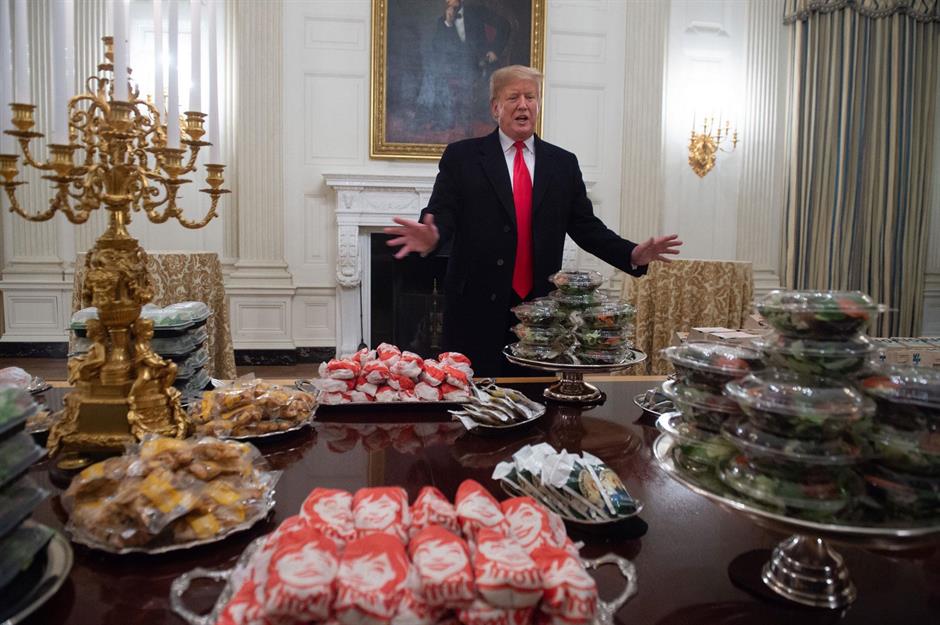
Every time a story circulates about Trump’s “12 Diet Cokes a day” or his “two Big Macs, two Filet-O-Fish, and a chocolate malt” order, it reinforces brand recall. In marketing, “top-of-mind awareness” is everything. By choosing foods that are ubiquitous, Trump ensures that his brand is triggered in the minds of consumers every time they pass a golden arch or a drive-thru. He has essentially co-opted the marketing budgets of the world’s largest food brands to serve as a backdrop for his personal narrative.
Lessons for Modern Brand Architects
What can brand managers and entrepreneurs learn from the “Trump Diet”? While his specific choices might be polarizing, the underlying strategies provide a roadmap for building a resilient personal brand in a crowded marketplace.
Authenticity vs. Perception in Brand Building
The most effective brands are those that feel “authentic,” even if that authenticity is carefully curated. Trump’s commitment to his food choices has been consistent for decades, which lends them a sense of genuineness that a sudden shift to “healthy eating” would lack. For brand architects, the lesson is clear: consistency over time builds equity. If a brand tries to pivot too quickly to satisfy a new trend (such as organic or artisanal foods), it risks alienating its core base and appearing opportunistic.
Consistency Across Touchpoints
Every touchpoint of the Trump brand—from the rallies to the tweets to the dinner table—is synchronized. There is no “cognitive dissonance” for the consumer. You don’t see the brand advocating for protectionism one day and then dining on imported, rare delicacies the next. The brand’s “flavor profile” is consistent with its “policy profile.” This holistic approach to branding ensures that the message is reinforced at every level of interaction, creating a singular, unbreakable identity.
Conclusion: The Brand is What You Eat
The answer to “what is Donald Trump’s favorite food?” is far more than a list of ingredients. It is a reflection of a meticulously crafted brand strategy designed to project strength, relatability, and a rejection of the status quo. By leaning into the “All-American” staples of fast food, Trump has created a personal brand that is as recognizable and standardized as the franchises he admires.
For those in the fields of marketing and brand strategy, the Trump model serves as a case study in “Identity Branding.” It proves that in a world of complex choices, simplicity and consistency are often the most powerful tools in a brand’s arsenal. Whether it is a Big Mac or a well-done steak, the food is the medium, but the message is clear: this is a brand that knows exactly who it is, who its audience is, and exactly how to bridge the gap between the two. In the end, Donald Trump hasn’t just chosen a menu; he has built a lifestyle brand that feeds off the very familiarity of the American palate.
aViewFromTheCave is a participant in the Amazon Services LLC Associates Program, an affiliate advertising program designed to provide a means for sites to earn advertising fees by advertising and linking to Amazon.com. Amazon, the Amazon logo, AmazonSupply, and the AmazonSupply logo are trademarks of Amazon.com, Inc. or its affiliates. As an Amazon Associate we earn affiliate commissions from qualifying purchases.