
The term “First Generation American” is often used, but its precise meaning can be nuanced. It’s a designation that carries significant cultural, social, and sometimes economic implications. While the most straightforward definition refers to someone born in the United States to immigrant parents, the lived experience and societal perception of being a first-generation American can extend beyond this literal interpretation. This article will explore the multifaceted nature of this identity, examining its definition, the unique challenges and triumphs it encompasses, and its evolving place within the American tapestry.
Defining the First Generation American Identity
The core definition of a “First Generation American” is rooted in the birthplace of the individual and their parents. However, understanding this identity requires looking beyond simple demographics to the experiences that shape it.
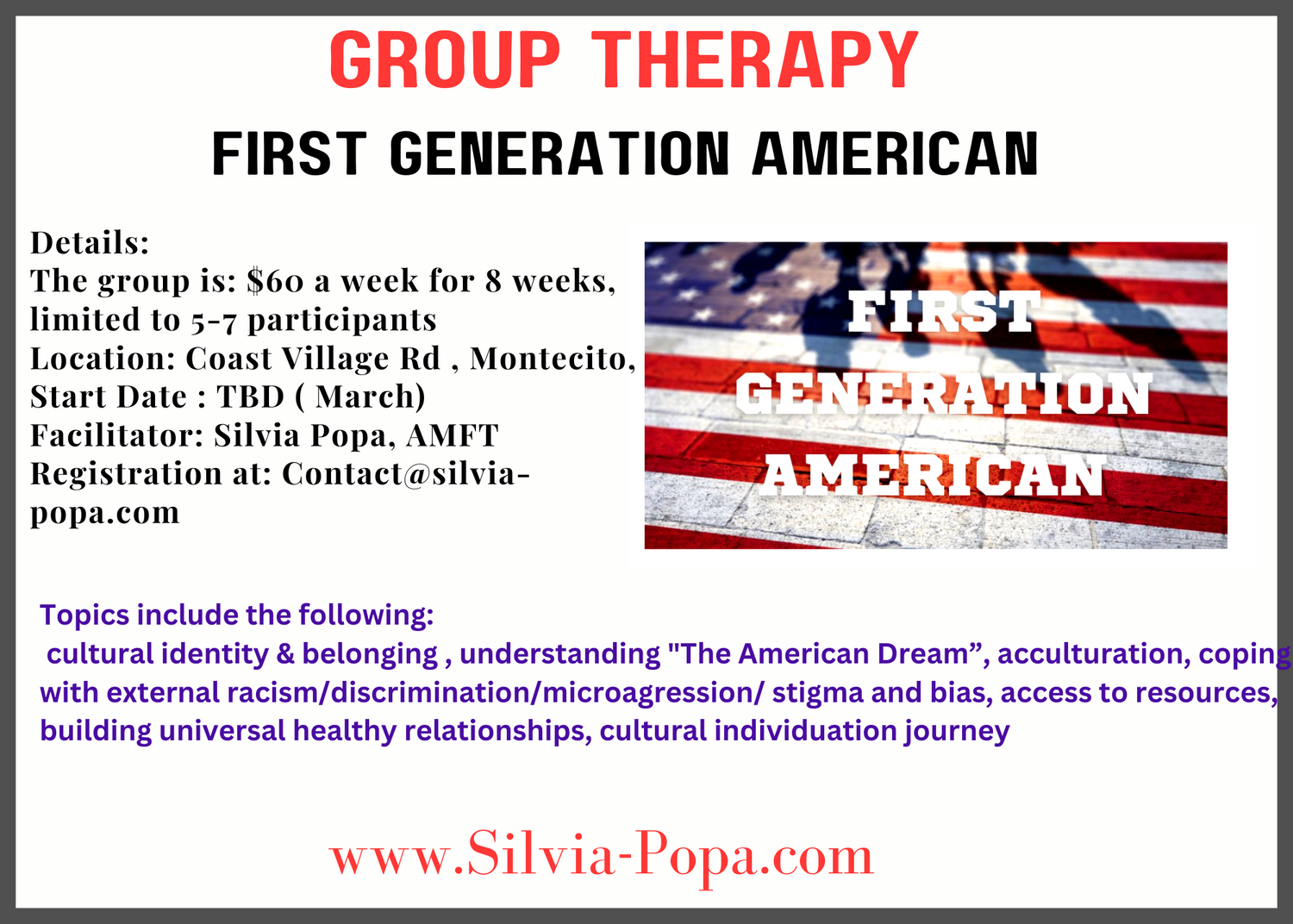
The Literal Definition: Born in the USA, Parents Abroad
At its most fundamental level, a First Generation American is an individual born on United States soil to parents who were not born in the United States. This means their parents are immigrants, having come to America from another country. This distinction is crucial because it separates them from second-generation Americans (whose parents were born in the US, but grandparents were immigrants) and subsequent generations. The experience of being born in America, yet having parents who carry the cultural heritage, languages, and often the immigrant narrative, creates a unique bridge between two worlds. This duality often informs a first-generation American’s perspective, values, and aspirations.
Beyond Birthplace: The Nuances of Identity
While the birthplace is the primary criterion, the identity of a First Generation American is also shaped by factors beyond birth. The age at which an individual immigrates to the US, or the extent to which they are immersed in their parents’ culture versus American culture, can influence how they perceive their own identity. For instance, someone who immigrated to the US as a young child might feel more Americanized than someone who arrived as a teenager, even if both are technically first-generation immigrants. Similarly, individuals who are adopted by American citizens but have no biological connection to American soil might, in some contexts, feel a sense of first-generation identity due to their parents’ immigrant status. However, the most common and widely accepted definition focuses on being born in the US to immigrant parents.
The “American Dream” and Generational Expectations
A significant aspect of the First Generation American experience is often tied to the “American Dream.” Immigrant parents often make immense sacrifices to provide their children with opportunities they themselves may not have had. This can translate into immense pressure and high expectations for their children to succeed academically, professionally, and economically. This drive, while born of love and a desire for a better future, can create a unique set of challenges and aspirations that define the first-generation identity.
Navigating the Dualities: Challenges and Strengths
Being a First Generation American often involves navigating a complex interplay of cultures, expectations, and societal perceptions. This can present unique challenges, but also fosters remarkable strengths and resilience.
Bridging Cultures: Language, Values, and Traditions

One of the most defining aspects of being a First Generation American is the experience of living between two cultural worlds. They are often fluent in the language of their parents and deeply familiar with their cultural traditions, while simultaneously being immersed in American language, customs, and social norms. This can lead to a profound understanding and appreciation of diversity, but also to internal conflicts or a feeling of not fully belonging to either world. For example, navigating differing family values regarding education, career choices, or social interactions can be a constant balancing act. However, this biculturalism also imbues First Generation Americans with a unique perspective, fostering adaptability, cross-cultural communication skills, and a broader worldview.
Educational and Career Ambitions: The Weight of Expectation
The drive for educational and professional success is frequently a cornerstone of the First Generation American experience. Immigrant parents often view education as the primary pathway to upward mobility and a secure future for their children. This can manifest as intense pressure to excel in school, pursue prestigious careers, and achieve a level of financial stability that surpasses their parents’ own. While this ambition can be a powerful motivator, it can also lead to significant stress, anxiety, and a fear of failure. First Generation Americans may also face additional hurdles, such as navigating a complex and sometimes unfamiliar educational system, or dealing with subtle biases in the professional world. However, this very drive often translates into exceptional perseverance, a strong work ethic, and a deep appreciation for the opportunities they are afforded.
Societal Perceptions and Belonging
First Generation Americans often grapple with questions of belonging and identity in the broader American society. While they are legally American citizens, they may sometimes be perceived as “other” due to their ethnic background, surname, or perceived cultural differences. This can range from subtle microaggressions to more overt forms of discrimination. The experience of being seen through the lens of their immigrant heritage, rather than solely as an individual American, can be a significant challenge. Conversely, many First Generation Americans embrace their dual heritage, seeing it as a source of strength and a unique contribution to the American mosaic. They are often at the forefront of promoting diversity and inclusion, bringing new perspectives and enriching the national dialogue.
The Evolving Landscape of First Generation Identity
The experience of being a First Generation American is not static. It evolves with each new wave of immigration, shifts in societal attitudes, and the growing presence of this demographic within American society.
Generational Shifts and Assimilation
As subsequent generations of children born to immigrant parents come of age, the definition and experience of being a First Generation American continue to evolve. While the core definition remains, the degree of cultural assimilation and the nature of the immigrant narrative may differ. Second and third-generation Americans may have less direct contact with their ancestral homelands or a more diluted connection to immigrant traditions. However, the legacy of their immigrant ancestors often continues to influence their values and aspirations, even if the immediate experience is less pronounced. The ongoing process of assimilation, while varying in pace and degree for different groups, shapes how First Generation Americans and their descendants integrate into the broader American culture.
The Growing Influence and Contributions of First Generation Americans
The demographic impact of First Generation Americans is undeniable. They represent a significant and growing segment of the American population, contributing to all facets of American life. From entrepreneurship and innovation to arts, sciences, and public service, First Generation Americans are making invaluable contributions. Their unique perspectives, shaped by their bicultural experiences and the drive for a better future, often lead to novel solutions and a richer understanding of complex issues. As their numbers grow, their influence on American culture, politics, and economics will undoubtedly continue to expand, further shaping the national identity.

Redefining “American” in a Diverse Society
The very concept of what it means to be “American” is continuously being redefined by the contributions and experiences of diverse populations, including First Generation Americans. They challenge traditional notions of identity and belonging, demonstrating that being American is not a monolithic experience but rather a vibrant and multifaceted tapestry woven from countless threads of heritage and aspiration. The rise of the First Generation American identity signifies a nation that is increasingly embracing its multicultural roots and recognizing the strength that comes from diversity. They are not just hyphenated Americans; they are Americans, in all their complexity and richness.
In conclusion, the First Generation American identity is a powerful testament to the enduring pursuit of opportunity and the complex process of cultural integration. It is a story of bridging worlds, of fulfilling generational dreams, and of contributing a unique and vital perspective to the ever-evolving narrative of the United States. Understanding this identity is crucial to appreciating the full spectrum of the American experience.
aViewFromTheCave is a participant in the Amazon Services LLC Associates Program, an affiliate advertising program designed to provide a means for sites to earn advertising fees by advertising and linking to Amazon.com. Amazon, the Amazon logo, AmazonSupply, and the AmazonSupply logo are trademarks of Amazon.com, Inc. or its affiliates. As an Amazon Associate we earn affiliate commissions from qualifying purchases.