
In the complex landscape of modern finance, where digital transfers and mobile payment apps dominate daily transactions, the traditional “banker’s check” remains a cornerstone of high-value commerce. Often referred to interchangeably as a cashier’s check, an official check, or a treasurer’s check, a banker’s check is a payment instrument guaranteed by a financial institution rather than an individual account holder.
When you are purchasing a home, buying a vehicle from a private seller, or settling a significant legal debt, the recipient often demands a level of certainty that a standard personal check cannot provide. This is where the banker’s check enters the fold. It bridges the gap between the speed of a check and the security of physical cash, offering a layer of protection for both the payer and the payee. Understanding how these instruments work, when to use them, and the security protocols surrounding them is vital for anyone navigating significant personal or business financial milestones.

The Mechanics of a Banker’s Check: How It Differs from Personal Payments
To appreciate the value of a banker’s check, one must first understand the fundamental mechanics of how money moves between accounts. In a standard personal check transaction, the “drawer” (the person writing the check) promises that the funds will be available in their account when the “payee” (the recipient) attempts to deposit it. This creates a window of risk; if the drawer’s account has insufficient funds, the check “bounces,” leaving the payee with nothing but a fee from their own bank.
The Shift in Liability
The defining characteristic of a banker’s check is the shift in liability. When you request a banker’s check, the bank immediately withdraws the specified amount from your personal or business account and moves it into the bank’s own internal “gl” (general ledger) or escrow account. The bank then issues a check signed by a bank officer, drawn against the bank’s funds. Consequently, the recipient is no longer relying on your creditworthiness; they are relying on the solvency of the financial institution itself. Because banks are heavily regulated and capital-protected, a banker’s check is considered “cleared funds” almost immediately.
Key Components of the Document
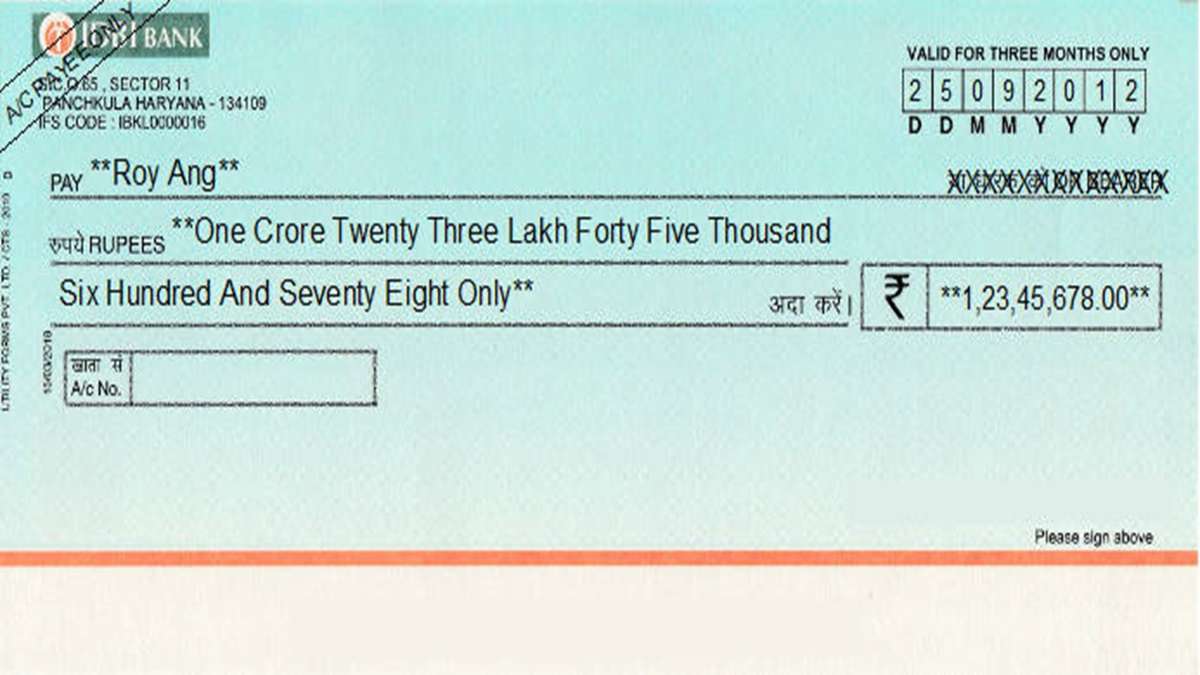
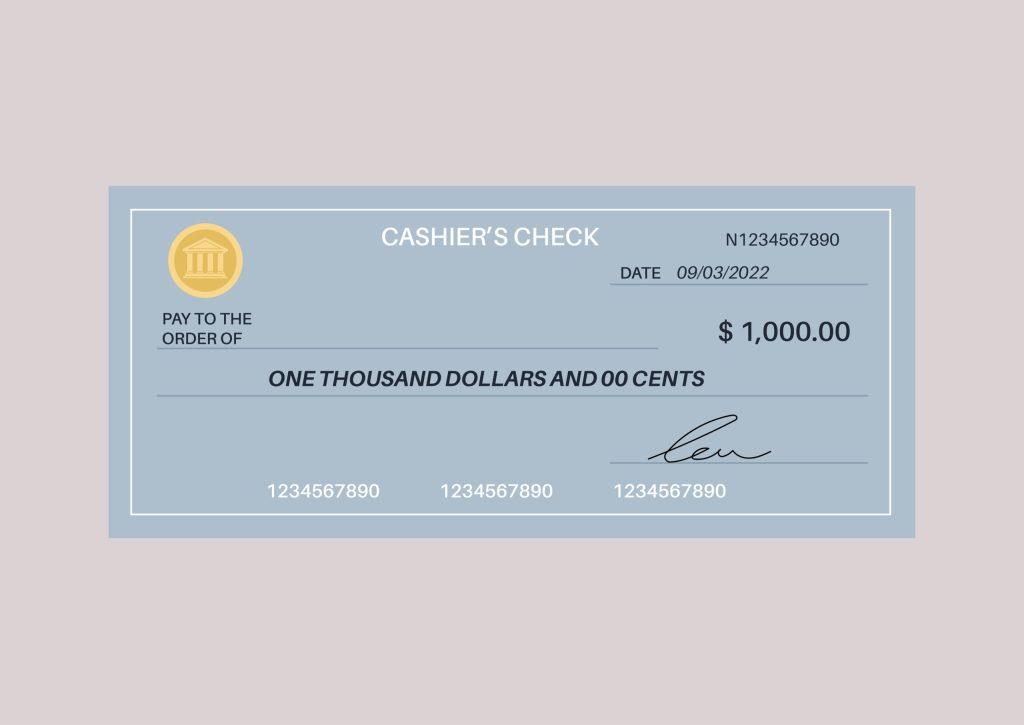
A banker’s check looks distinct from a personal check. It is typically printed on high-security, watermarked paper to prevent duplication. It includes the name of the issuing bank, the name of the payee (banker’s checks are rarely made out to “Cash”), the exact amount, and a serialized tracking number. Most importantly, it bears the signature of an authorized bank representative, signaling that the funds have been verified and set aside.
Verification and Clearing
Under various banking regulations (such as Regulation CC in the United States), banker’s checks are often subject to faster clearing times than personal checks. While a personal check might take three to five business days for the funds to be fully verified, the first $5,000 to $10,000 of a banker’s check is often made available by the receiving bank within one business day. This liquidity makes it the preferred instrument for time-sensitive, high-stakes closings.
When and Why to Use a Banker’s Check
While digital payments like Zelle or Venmo are convenient for small peer-to-peer transfers, they have strict limits and lack the formal paper trail required for major transactions. Conversely, carrying tens of thousands of dollars in physical cash is a significant security risk. The banker’s check occupies the “Goldilocks” zone of high-limit transactions.
Real Estate and Closing Costs
The most common use for a banker’s check is in the real estate industry. During a home closing, the buyer must provide a “down payment” and cover various closing costs. Title companies and escrow agents generally refuse personal checks because they cannot risk the transaction failing due to a lack of funds after the deed has already been transferred. A banker’s check provides the legal and financial certainty required to finalize a property transfer.
Purchasing High-Value Assets
When buying a car, boat, or high-end piece of equipment from a private seller, the seller needs an assurance of payment before handing over the title and keys. A banker’s check serves as a professional guarantee. For the buyer, it provides a record of payment that is more formal and traceable than cash, which can be crucial for tax purposes or in the event of a contractual dispute.
Security for the Payee
For a business or individual receiving a payment, the banker’s check eliminates the “settlement risk.” In a world where credit card chargebacks and personal check fraud are common, the guaranteed nature of a banker’s check offers peace of mind. Once the check is in hand and verified, the seller can be reasonably certain that the funds are secure, allowing them to release goods or services without a lengthy waiting period.
The Step-by-Step Process of Obtaining a Banker’s Check
Securing a banker’s check is a more formal process than simply writing a check from your own book. It requires a physical or digital interaction with your financial institution and involves specific verification steps.
Requirements and Documentation
To obtain a banker’s check, you must have an active account with the issuing bank with sufficient “available” funds to cover the full amount of the check plus any service fees. You will need to provide a valid government-issued ID and the exact name of the payee. Accuracy is paramount; because the bank is guaranteeing the funds, correcting a mistake on the payee’s name often requires a full “stop payment” and re-issuance, which can be a bureaucratic headache.
Fees and Processing
Most banks charge a fee for issuing a banker’s check, typically ranging from $5 to $15. However, many “premium” or “private banking” tiers waive these fees as a perk for high-balance customers. While many banks require you to visit a branch in person to sign for the check, some modern online banks allow you to request a banker’s check through their portal, which is then sent via certified mail to either you or the recipient.
Cancellation and Lost Checks
Unlike a personal check, you cannot simply “stop payment” on a banker’s check because you changed your mind. Since the bank has already guaranteed the payment to the payee, they are legally obligated to honor it. If a banker’s check is lost or stolen, the process to recover the funds is rigorous. You will often be required to purchase an “indemnity bond” from an insurance company, which protects the bank in case the original check is eventually found and cashed. This process can take 30 to 90 days, highlighting the importance of treating a banker’s check with the same care as physical currency.
Security, Fraud Prevention, and Common Risks
Despite their reputation for being “as safe as cash,” banker’s checks are not immune to criminal activity. In fact, their perceived safety is exactly what scammers exploit in various financial fraud schemes.
Identifying Fake Banker’s Checks
Sophisticated scammers use high-quality printers to create fraudulent banker’s checks that look incredibly authentic. They may include legitimate-looking logos, routing numbers, and even security watermarks. A common scam involves an “overpayment”: a buyer (the scammer) sends a fake banker’s check for more than the purchase price and asks the seller to wire back the difference. By the time the bank realizes the check is counterfeit, the seller has already wired their own real money to the scammer.
The “Available Funds” Trap
A common misconception is that if a bank makes the funds from a check “available” in your account, the check has “cleared.” This is not true. Banking laws require banks to make funds available quickly, but it can still take weeks for the check to move through the clearinghouse and be discovered as a fraud. If you deposit a fake banker’s check and spend the money, the bank will eventually deduct that amount from your account, potentially leaving you with a negative balance and legal liability.
Best Practices for Recipients
If you are receiving a banker’s check from someone you do not know well, never release the goods or services until you have independently verified the check. Do not use the phone number printed on the check itself, as it may lead to a “fake” bank call center operated by the scammer. Instead, look up the issuing bank’s official customer service number online and ask them to verify the check’s authenticity using the check number and amount.
Alternatives to Banker’s Checks in the Digital Age
While the banker’s check is a venerable tool, it is not always the most efficient option for every high-value transaction. Depending on the speed and nature of the deal, other financial instruments might be more appropriate.
Wire Transfers
A domestic or international wire transfer is often faster than a banker’s check. In a wire transfer, money moves electronically between banks via the Fedwire or SWIFT systems. Once a wire is “confirmed,” the funds are truly settled and cannot be reversed. This is often preferred for international transactions or ultra-high-value commercial deals where even a one-day mail delay for a physical check is unacceptable.
Money Orders
For smaller amounts (typically under $1,000), a money order is a viable alternative. These are also prepaid and guaranteed, but they can be purchased at post offices, grocery stores, and convenience stores without needing a bank account. However, because of their lower limits and lower security features, they are rarely accepted for major transactions like home or car purchases.
Certified Checks
A certified check is a middle ground between a personal check and a banker’s check. With a certified check, the bank signs the personal check and “certifies” that the signature is genuine and that the funds are currently in the account. Unlike a banker’s check, the money is drawn directly from the customer’s account, not the bank’s account. While still secure, many institutions are phasing these out in favor of the more standardized banker’s check.
Conclusion: The Enduring Value of Financial Certainty
The banker’s check remains an indispensable asset in the world of personal and business finance because it provides something that digital apps often cannot: a physical, legal guarantee of payment backed by the full faith of a financial institution. Whether you are navigating the complexities of a real estate closing or conducting a significant private sale, the banker’s check offers a level of professionalism and security that facilitates the smooth flow of high-value commerce.
By understanding the mechanics of how these checks are issued, the importance of verifying their authenticity, and the responsibilities involved in handling them, you can protect your financial interests. In an era of increasing digital uncertainty, the banker’s check stands as a testament to the enduring need for trust and institutional backing in our most significant financial transactions.
aViewFromTheCave is a participant in the Amazon Services LLC Associates Program, an affiliate advertising program designed to provide a means for sites to earn advertising fees by advertising and linking to Amazon.com. Amazon, the Amazon logo, AmazonSupply, and the AmazonSupply logo are trademarks of Amazon.com, Inc. or its affiliates. As an Amazon Associate we earn affiliate commissions from qualifying purchases.