
The simple question, “What is hair conditioner?” often leads to a surprisingly complex answer when viewed through the lens of brand strategy and marketing. Beyond its basic function of softening and detangling, hair conditioner is a product imbued with meaning, designed to evoke specific desires and deliver promised results, all meticulously crafted by brands. It’s a testament to how consumer goods are not just about utility but about the emotional connections, perceived benefits, and aspirational qualities that brands skillfully weave into their offerings. This exploration delves into the multifaceted nature of hair conditioner as understood and communicated by the brands that bring it to our bathrooms.
The Evolution of Hair Conditioning: From Ancient Balms to Modern Science
The concept of conditioning hair is not a recent invention. For millennia, individuals have sought ways to improve the texture, manageability, and appearance of their hair. Brands, recognizing this enduring human desire, have built their narratives and product lines upon this fundamental need, adapting to scientific advancements and evolving consumer expectations.
Ancient Practices and Early Formulations
Before the advent of modern chemical formulations, early civilizations relied on natural ingredients to condition hair. Olive oil, animal fats, and plant extracts were used to add shine and softness. These rudimentary practices laid the groundwork for what would eventually become a sophisticated industry. Brands today often tap into this heritage, leveraging terms like “natural,” “botanical,” and “ancient wisdom” to connect with consumers who value tradition and natural ingredients. These elements are not merely descriptive; they are marketing tools that evoke a sense of authenticity and time-tested efficacy, positioning products as more than just chemicals in a bottle. The narrative of natural origins provides a powerful brand story, allowing companies to differentiate themselves in a crowded market by appealing to a growing segment of environmentally conscious and health-aware consumers. This historical context informs contemporary brand messaging, suggesting that the pursuit of healthy, beautiful hair is a timeless endeavor, and the brand’s product is the modern culmination of this ancient quest.
The Dawn of Commercial Hair Care and Brand Differentiation
The commercialization of hair care in the 19th and 20th centuries marked a significant shift. As scientific understanding of hair structure grew, so did the complexity of hair conditioning products. Brands began to emerge, each striving to carve out a unique identity and appeal to specific consumer segments. This era saw the introduction of terms like “moisturizing,” “strengthening,” and “repair,” which became key differentiators in brand messaging. The development of silicones, proteins, and humectants allowed for more targeted formulations, and brands began to highlight these technological advancements as proof of their superior products. The “science” behind the conditioner became a cornerstone of brand identity, with companies investing heavily in research and development to create proprietary formulas. This focus on scientific innovation allowed brands to claim superior performance and justify premium pricing. Furthermore, the packaging and marketing campaigns of this period started to shape consumer perceptions, associating certain brands with luxury, efficacy, or specific lifestyle choices. The very language used to describe conditioner began to evolve from simple terms of softening to complex descriptors of molecular repair and cuticle sealing, all driven by a brand’s desire to communicate tangible benefits and technological superiority.
The Science of Softness: How Brands Communicate Efficacy
At its core, hair conditioner is a complex blend of ingredients designed to interact with the hair shaft. Brands invest heavily in communicating the scientific rationale behind their formulations, translating chemical jargon into relatable benefits that resonate with consumers. This is where brand marketing truly shines, transforming scientific processes into promises of transformation.
Understanding Hair Structure and the Role of Conditioner
Hair is composed primarily of keratin, a protein that forms the protective outer layer (cuticle) and the inner cortex. When hair is exposed to environmental stressors, heat styling, or chemical treatments, the cuticle can become raised, damaged, or stripped away, leading to dryness, frizz, and breakage. Brands position conditioner as the solution to these problems. Their messaging often involves explaining the damaging effects on the hair cuticle and how their product works to smooth, seal, and protect it. This explanation is rarely purely academic; it’s strategically framed to highlight the “problem” that their conditioner “solves.” For instance, a brand might use visuals of a damaged cuticle appearing rough and uneven, followed by an image of a smooth, sealed cuticle after using their product. This visual storytelling, coupled with carefully chosen language emphasizing repair and protection, is a fundamental aspect of brand communication. The emphasis is always on the visible and tangible results, allowing consumers to connect the scientific mechanism with their desired outcome of healthier-looking hair.
Key Ingredients and Their Marketing Narratives

Brands meticulously select and highlight specific ingredients to build their product’s efficacy and brand story. Fatty alcohols, silicones, humectants, and proteins are common components, each with a distinct scientific function. Fatty alcohols, for example, act as emollients, softening and smoothing the hair. Silicones create a smooth, shiny coating, reducing friction and increasing manageability. Humectants attract and retain moisture, combating dryness. Proteins help to repair and strengthen damaged hair.
Brands then translate these scientific functions into compelling marketing narratives. Instead of saying “contains cetyl alcohol,” a brand might advertise “infused with nourishing fatty alcohols for superior softness.” Silicones are often presented as “shine-boosting polymers” or “smoothing agents that create a silky feel.” Humectants become “moisture magnets” that “quench thirsty strands.” Proteins are lauded as “reconstructive agents” that “mend broken bonds.” These carefully chosen phrases are designed to evoke positive emotions and a sense of advanced care. The marketing often emphasizes the “feeling” of the hair after use – smooth, soft, manageable, and shiny – linking the ingredient’s scientific action to a desirable sensory experience. The choice of ingredients and the way they are presented are critical to building a brand’s perceived value and expertise. A brand focusing on natural ingredients will highlight botanical extracts and their historical use, while a high-tech brand will emphasize proprietary blends and patented technologies. This ingredient-led storytelling is a powerful tool for differentiation and consumer trust.
The Art of Persuasion: Branding and Consumer Perception
Beyond the functional benefits, hair conditioner is a product deeply intertwined with brand identity, consumer aspirations, and sophisticated marketing strategies. Brands don’t just sell a product; they sell a solution, a feeling, and a promise.
Creating a Desired Brand Image and Target Audience
The way a brand positions its hair conditioner is crucial to its success. Is it a luxury item, an everyday necessity, a natural and organic solution, or a scientifically advanced repair treatment? This brand image is meticulously crafted through packaging design, advertising campaigns, celebrity endorsements, and influencer collaborations. For example, a luxury brand might use sleek, minimalist packaging, evocative scent profiles, and aspirational imagery in its advertisements to appeal to a discerning clientele seeking indulgence and exclusivity. Conversely, a drugstore brand might focus on practical benefits, affordability, and relatable everyday scenarios in its marketing, targeting a broader audience seeking effective and accessible solutions. The choice of target audience dictates every aspect of the brand’s communication, from the visual aesthetic to the tone of voice used in its messaging. Understanding the psychological drivers of the target consumer – their desires, insecurities, and values – is paramount in developing a compelling brand narrative for hair conditioner.
The Power of Sensory Marketing: Scent, Texture, and Experience
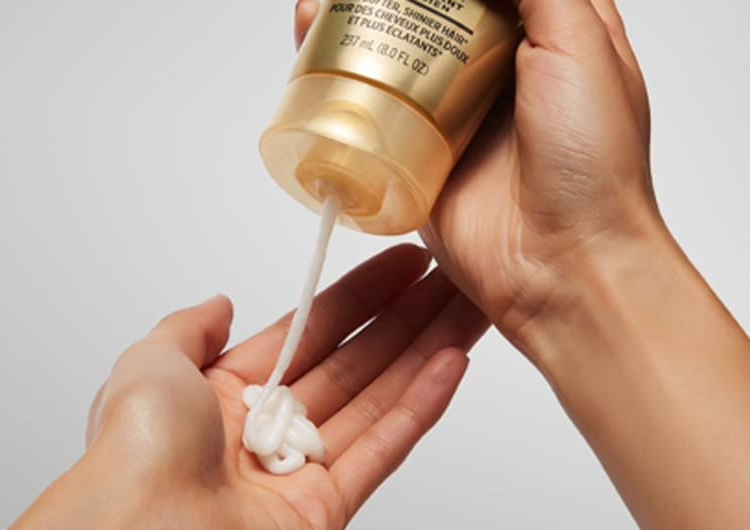
The sensory experience of using hair conditioner plays a significant role in brand perception and consumer loyalty. Brands invest considerable effort in developing unique and appealing fragrances, recognizing that scent is a powerful emotional trigger. A signature scent can become synonymous with a brand, creating a memorable and pleasurable experience that encourages repeat purchases. Beyond scent, the texture of the conditioner is also a key marketing element. Is it a lightweight, airy mousse, a rich and creamy balm, or a silky smooth serum? Each texture communicates a different promise of performance and sensory delight. Brands use descriptive language to highlight these textures, such as “velvety smooth,” “lightweight hydration,” or “intense nourishment.” The act of conditioning is often framed not just as a routine but as a moment of self-care and indulgence. Marketing campaigns frequently depict users enjoying the process, emphasizing the relaxing and beautifying aspects of the ritual. This sensory marketing transforms a functional product into an emotional experience, fostering a deeper connection between the consumer and the brand. The tactile and olfactory sensations become integral to the product’s perceived value, often outweighing purely functional benefits in driving consumer choice and brand advocacy.
The Competitive Landscape: Innovation and Market Segmentation
The hair conditioner market is intensely competitive, with brands constantly innovating and strategically segmenting the market to capture consumer attention and market share. The definition of “hair conditioner” itself is broadened by these competitive pressures, encompassing specialized treatments and multi-functional products.
The Rise of Specialized Conditioners and Niche Markets
As consumer needs have become more nuanced, brands have responded by developing specialized conditioners tailored to specific hair types and concerns. This includes conditioners for color-treated hair, fine hair, damaged hair, curly hair, oily hair, and even scalp health. Brands leverage these niche categories to target specific consumer pain points and position themselves as expert solutions. For example, a brand focusing on color-treated hair will highlight its “color-protecting formulas” and “UV filters,” while a brand for curly hair might emphasize “curl definition” and “frizz control.” This segmentation allows brands to create highly relevant products and marketing messages, resonating deeply with consumers who feel understood and catered to. The development of these specialized lines often involves targeted ingredient research and specific product claims, further enhancing the brand’s authority within its chosen niche. The success of these specialized products demonstrates how brands can effectively communicate value by addressing very specific consumer needs, turning a generic product category into a series of highly desirable, tailored solutions.
Innovation in Delivery Systems and Sustainable Branding
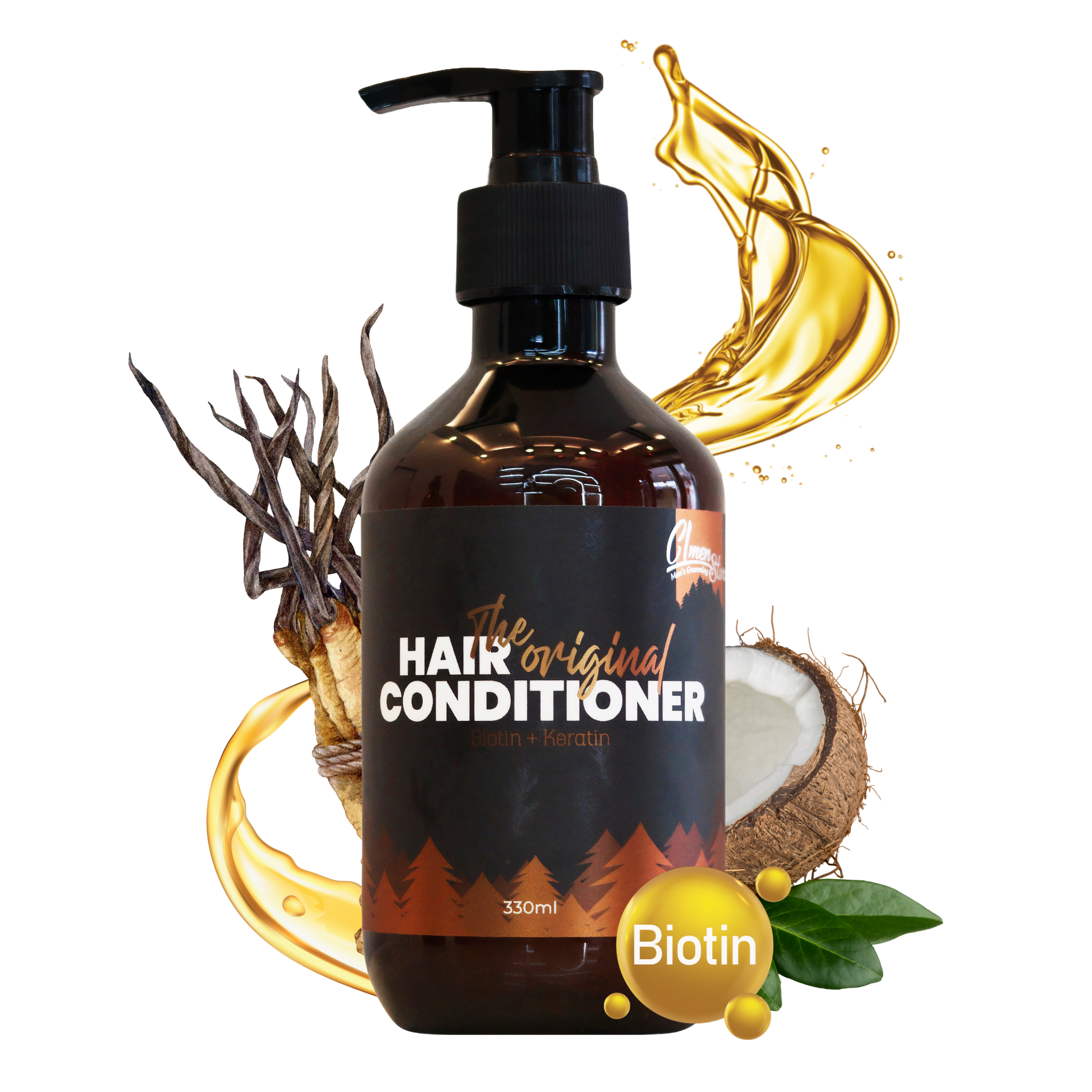
Innovation in hair conditioner extends beyond formulations to include advancements in delivery systems and a growing emphasis on sustainability. Brands are exploring new ways to apply conditioner, such as rinse-off conditioners in solid bar form, waterless formulations, and spray-on conditioners for quick touch-ups. These innovations are often driven by consumer demand for convenience and environmental consciousness. Solid conditioner bars, for instance, reduce plastic packaging waste, appealing to eco-aware consumers and becoming a key differentiator for brands promoting sustainability. Waterless formulations reduce shipping emissions and conserve water. Brands are increasingly highlighting their commitment to sustainability through ingredient sourcing, manufacturing processes, and recyclable packaging. This focus on eco-friendly practices has become a powerful marketing tool, allowing brands to connect with consumers on a shared value system. The narrative shifts from simply providing a product to offering a responsible and ethical choice. This strategic emphasis on sustainability not only appeals to a growing segment of conscientious consumers but also positions the brand as forward-thinking and socially responsible, enhancing its overall equity and market standing. The story of conditioner, therefore, is not just about smooth hair, but also about the brand’s commitment to a better future.
aViewFromTheCave is a participant in the Amazon Services LLC Associates Program, an affiliate advertising program designed to provide a means for sites to earn advertising fees by advertising and linking to Amazon.com. Amazon, the Amazon logo, AmazonSupply, and the AmazonSupply logo are trademarks of Amazon.com, Inc. or its affiliates. As an Amazon Associate we earn affiliate commissions from qualifying purchases.