
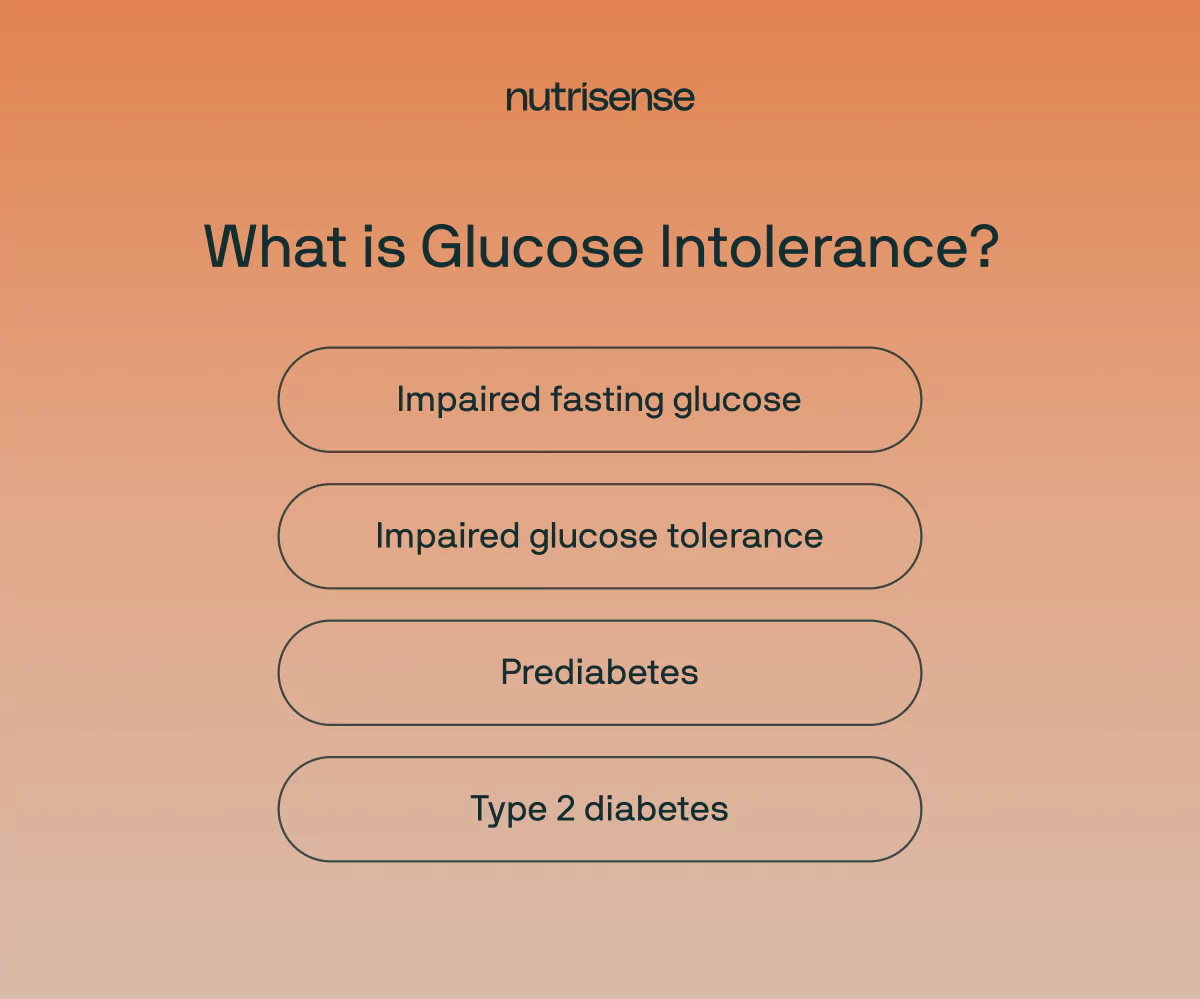
Glucose intolerance is a metabolic condition where the body struggles to regulate blood glucose levels effectively. While often used interchangeably with prediabetes, it’s a broader term encompassing a spectrum of impaired glucose metabolism that doesn’t yet meet the diagnostic criteria for type 2 diabetes. This condition signifies that the body’s systems, primarily the pancreas and insulin, are not functioning optimally to process the glucose derived from the food we consume. Understanding glucose intolerance is crucial, not just for individuals who receive this diagnosis, but for anyone interested in maintaining long-term metabolic health and preventing the progression to more serious conditions.
Understanding the Fundamentals: Glucose, Insulin, and Metabolism
At its core, glucose intolerance revolves around the complex interplay between glucose, a vital energy source for our cells, and insulin, a hormone produced by the pancreas. When we eat, carbohydrates are broken down into glucose, which then enters the bloodstream. This rise in blood glucose signals the pancreas to release insulin. Insulin acts like a key, unlocking cells to allow glucose to enter and be used for energy or stored for later. In a healthy individual, this process is remarkably efficient, maintaining blood glucose levels within a narrow, optimal range.
The Role of Glucose in the Body
Glucose, derived primarily from the digestion of carbohydrates, is the body’s preferred and most readily available source of energy. It fuels everything from our brain’s complex cognitive functions to the basic contractions of our muscles. After a meal, glucose levels in the blood naturally rise. This surge is a normal physiological response, prompting the body to take action to bring those levels back down to a baseline. The efficiency with which the body manages these post-meal glucose spikes is a key indicator of metabolic health. If glucose remains elevated for prolonged periods, it can lead to cellular damage and contribute to various health problems.
Insulin: The Key to Glucose Uptake
Insulin, a peptide hormone secreted by the beta cells of the islets of Langerhans in the pancreas, plays a pivotal role in glucose metabolism. Its primary function is to facilitate the uptake of glucose from the bloodstream into cells, particularly muscle, fat, and liver cells. This action lowers blood glucose levels. Insulin also promotes the storage of glucose as glycogen in the liver and muscles, and it inhibits the production of glucose by the liver. When insulin is produced in sufficient amounts and its receptors on cells are functioning properly, glucose can enter cells smoothly, ensuring adequate energy supply and maintaining stable blood sugar.
The Metabolic Pathway: From Food to Energy
The metabolic pathway for glucose begins in the digestive system. Carbohydrates from food are broken down into simpler sugars, primarily glucose, which are then absorbed into the bloodstream. This absorption triggers a hormonal response from the pancreas, releasing insulin. Insulin then binds to specific receptors on target cells, initiating a cascade of events that allows glucose to enter these cells. Inside the cells, glucose can be used immediately for energy through cellular respiration, or it can be converted into glycogen for storage in the liver and muscles. This stored glycogen can be broken down back into glucose when energy is needed between meals or during periods of fasting. This intricate, tightly regulated process is fundamental to sustaining life and ensuring optimal bodily function.
Glucose Intolerance: When the System Falters
Glucose intolerance arises when this finely tuned metabolic system experiences disruptions. It signifies that the body is not efficiently clearing glucose from the bloodstream. This can be due to either insufficient insulin production or the body’s cells becoming resistant to the effects of insulin. Understanding the nuances of these disruptions is key to comprehending the condition.
Insulin Resistance: The Primary Culprit
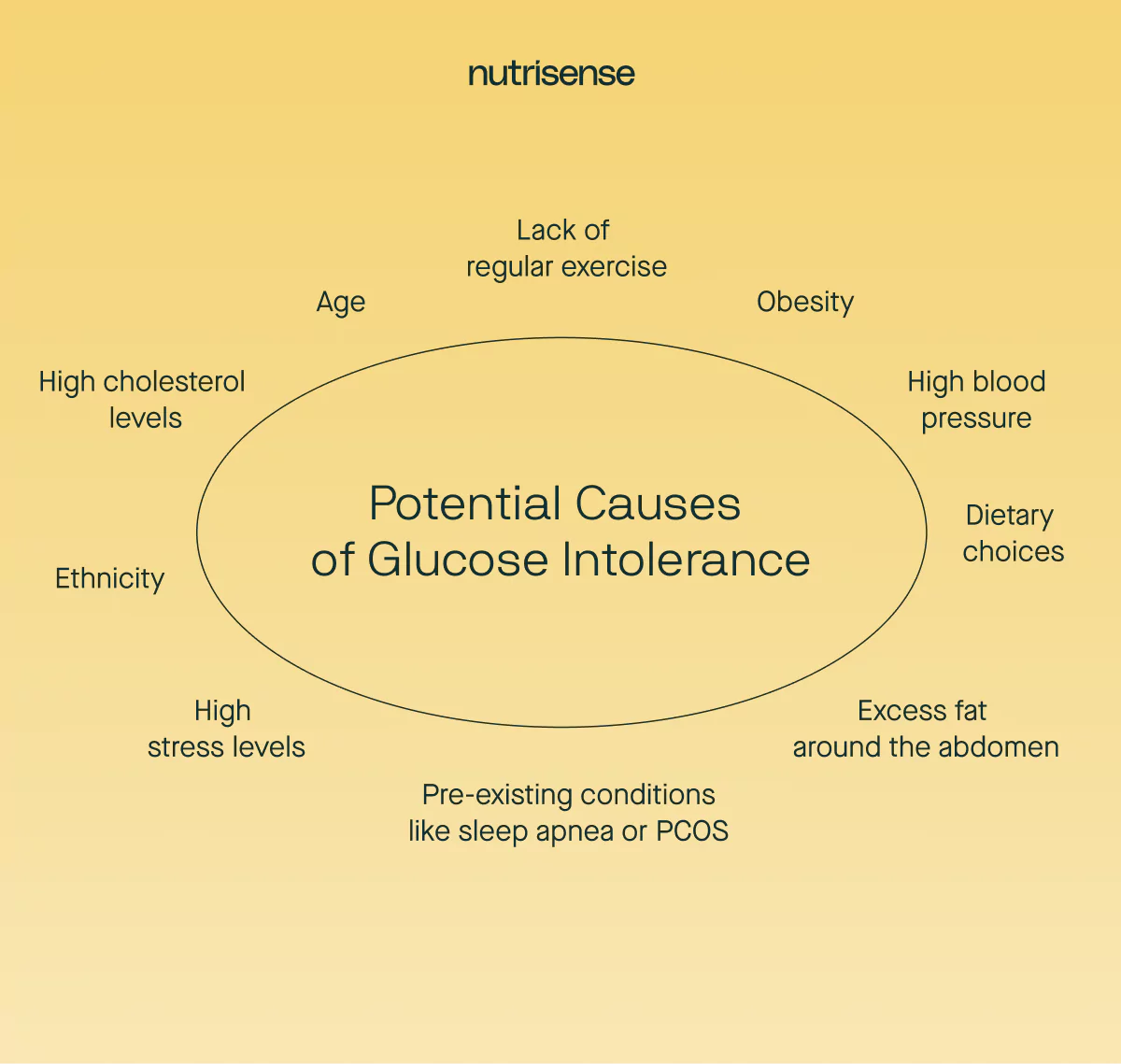
Insulin resistance is a condition where the body’s cells—muscle, fat, and liver cells—do not respond effectively to insulin. This means that even though insulin is present, it cannot “unlock” the cells to allow glucose to enter. As a result, glucose builds up in the bloodstream. To compensate for this resistance, the pancreas initially works harder, producing more insulin to try and overcome the cellular blockade. This compensatory phase can maintain relatively normal blood glucose levels for a time, but eventually, the pancreas may not be able to keep up, leading to elevated blood glucose. Factors contributing to insulin resistance are multifaceted, often including genetics, lifestyle choices such as diet and physical inactivity, excess body weight (particularly abdominal fat), and chronic inflammation.
Impaired Insulin Secretion: A Pancreatic Challenge
In some cases, glucose intolerance is not solely due to insulin resistance but also involves a decline in the pancreas’s ability to produce and secrete adequate amounts of insulin. Over time, the beta cells in the pancreas that produce insulin can become exhausted from the effort of overproducing insulin to combat resistance. This can lead to a diminished insulin response, further exacerbating the problem of high blood glucose. While insulin resistance is often the initial issue, impaired insulin secretion can develop as the condition progresses, contributing to the worsening of glucose control.
The Spectrum of Impaired Glucose Metabolism
Glucose intolerance exists on a continuum. It’s not a binary condition of “normal” or “diabetic.” Rather, it encompasses a range of metabolic states. At one end is impaired fasting glucose (IFG), where blood glucose levels are higher than normal after an overnight fast but not high enough for a diabetes diagnosis. At the other end is impaired glucose tolerance (IGT), often identified during an oral glucose tolerance test (OGTT) where blood glucose levels are elevated two hours after consuming a sugary drink. Prediabetes is a term often used to encompass both IFG and IGT, signifying an increased risk of developing type 2 diabetes. Recognizing this spectrum is important because interventions can be most effective when implemented early in the progression of impaired glucose metabolism.
Recognizing the Signs and Symptoms
Glucose intolerance can often be asymptomatic, especially in its early stages, which is why regular health check-ups and screening are so vital. However, as the condition progresses and blood glucose levels become more consistently elevated, certain subtle or more pronounced signs may emerge. Recognizing these can prompt individuals to seek medical attention and begin making necessary lifestyle changes.
Subtle Indicators and Risk Factors
Many individuals with glucose intolerance experience no discernible symptoms. This silent progression is a significant concern, as it allows the underlying metabolic dysfunction to continue unchecked, increasing the risk of complications. However, certain risk factors are strongly associated with an increased likelihood of developing glucose intolerance. These include a family history of diabetes, being overweight or obese (especially with a waist circumference indicating abdominal adiposity), a sedentary lifestyle, a history of gestational diabetes, polycystic ovary syndrome (PCOS), and certain ethnic backgrounds that have a higher predisposition to type 2 diabetes. Age is also a factor, with the risk increasing after age 45.
More Pronounced Manifestations (As Blood Glucose Rises)
As blood glucose levels begin to rise more significantly, even if not yet at diabetic levels, some individuals may experience a few more noticeable symptoms. These can include increased thirst and frequent urination, as the body attempts to excrete excess glucose through the kidneys. Fatigue and lethargy can also occur, as cells are not efficiently utilizing glucose for energy. Blurred vision, though more common in overt diabetes, can sometimes be an early indicator. Slow-healing sores or infections, particularly skin infections, can also be a consequence of impaired circulation and immune function associated with elevated blood sugar. However, it’s crucial to reiterate that these symptoms are not exclusive to glucose intolerance and can be indicative of other conditions. Therefore, professional medical evaluation is always necessary for accurate diagnosis.
Diagnosis and Management: Taking Control of Metabolic Health
Diagnosing glucose intolerance involves specific medical tests that measure how the body processes glucose. Once diagnosed, a proactive approach to management is essential to prevent progression to type 2 diabetes and mitigate the risk of associated health complications. The focus of management is typically on lifestyle modifications, with medication sometimes considered in more severe cases.
Diagnostic Tools and Methods
The primary method for diagnosing glucose intolerance involves blood tests. An Fasting Plasma Glucose (FPG) test measures blood glucose after an overnight fast (at least eight hours without food or drink). A reading between 100 and 125 mg/dL (5.6 to 6.9 mmol/L) typically indicates impaired fasting glucose, a form of glucose intolerance. The Oral Glucose Tolerance Test (OGTT) is another key diagnostic tool. In this test, blood glucose is measured after a fast, and then again two hours after consuming a standardized sugary drink. A two-hour blood glucose level between 140 and 199 mg/dL (7.8 to 11.0 mmol/L) suggests impaired glucose tolerance. The A1C test, which provides an average of blood glucose levels over the past two to three months, can also be used, with readings between 5.7% and 6.4% often indicating prediabetes or glucose intolerance. Your healthcare provider will interpret these results in the context of your overall health and medical history to make a diagnosis.
Lifestyle Modifications: The Cornerstone of Management
The most effective strategy for managing glucose intolerance and preventing its progression to type 2 diabetes is through comprehensive lifestyle modifications. These changes empower individuals to take an active role in their health.
Dietary Adjustments for Metabolic Health
The food we eat has a direct and profound impact on our blood glucose levels. Making informed dietary choices is paramount. This typically involves reducing the intake of refined carbohydrates and sugary drinks, which cause rapid spikes in blood glucose. Instead, the focus shifts to whole, unprocessed foods. Incorporating plenty of non-starchy vegetables, fruits, lean proteins, and healthy fats can help stabilize blood glucose levels. Choosing whole grains over refined grains, such as brown rice, quinoa, and whole-wheat bread, provides fiber that slows down glucose absorption. Understanding portion sizes and the glycemic index of foods can also be beneficial. Consulting a registered dietitian or nutritionist can provide personalized guidance and support in developing a meal plan tailored to individual needs and preferences.
The Power of Physical Activity
Regular physical activity plays a dual role in managing glucose intolerance. Firstly, exercise makes the body more sensitive to insulin, meaning that cells can take up glucose more effectively even with less insulin. Secondly, during exercise, muscles use glucose for energy, directly lowering blood glucose levels. A combination of aerobic exercise (such as brisk walking, jogging, swimming, or cycling) and strength training is generally recommended. Aiming for at least 150 minutes of moderate-intensity aerobic activity or 75 minutes of vigorous-intensity aerobic activity per week, along with muscle-strengthening activities at least two days a week, can significantly improve glucose metabolism. Finding enjoyable activities and incorporating them consistently into daily routines is key to long-term adherence.
Weight Management and Its Impact
For individuals who are overweight or obese, even a modest weight loss of 5-10% of body weight can have a significant positive impact on glucose intolerance. Excess adipose tissue, particularly visceral fat around the abdomen, is strongly linked to insulin resistance. Losing weight through a combination of dietary changes and increased physical activity can improve insulin sensitivity, lower blood glucose levels, and reduce the overall risk of developing type 2 diabetes. Gradual, sustainable weight loss is more effective and healthier than rapid, drastic measures.
Medical Interventions: When Lifestyle Isn’t Enough
In some cases, lifestyle modifications alone may not be sufficient to adequately control blood glucose levels, or the risk of progression to type 2 diabetes may be very high. In such situations, healthcare providers may consider pharmacological interventions. Metformin is a commonly prescribed medication for prediabetes and glucose intolerance. It works by reducing glucose production by the liver and improving insulin sensitivity. Other medications might be considered depending on an individual’s specific circumstances, co-existing health conditions, and response to treatment. It is crucial to work closely with a healthcare professional to determine the most appropriate management plan, which may include a combination of lifestyle changes and medication.
The Long-Term Outlook and Preventing Progression
Glucose intolerance is a serious warning sign, but it is not an irreversible diagnosis. With consistent effort and a proactive approach, individuals can significantly improve their metabolic health and prevent or delay the onset of type 2 diabetes. The journey involves understanding the condition, embracing healthy habits, and maintaining ongoing medical oversight.
The Risk of Type 2 Diabetes and Complications
Without effective management, glucose intolerance significantly increases the risk of developing type 2 diabetes. Type 2 diabetes is a chronic condition characterized by persistently high blood glucose levels that can lead to serious long-term complications affecting various organ systems. These complications can include cardiovascular disease (heart attack, stroke), nerve damage (neuropathy), kidney damage (nephropathy), eye damage (retinopathy) leading to blindness, and foot problems that can result in amputations. Furthermore, individuals with uncontrolled diabetes are also at higher risk for other health issues such as certain cancers and Alzheimer’s disease. Therefore, addressing glucose intolerance early is paramount to safeguarding long-term health and well-being.
Empowerment Through Awareness and Action
The most powerful tool in managing glucose intolerance is awareness coupled with consistent action. Understanding the mechanisms behind the condition, recognizing personal risk factors, and being informed about diagnostic methods empower individuals to take charge of their health. This includes making informed dietary choices, engaging in regular physical activity, maintaining a healthy weight, and attending regular medical check-ups for monitoring. Furthermore, seeking support from healthcare professionals, support groups, and even family and friends can provide the encouragement and accountability needed to sustain positive lifestyle changes.

A Path Towards Improved Metabolic Health
The diagnosis of glucose intolerance can be a catalyst for positive change. By embracing the recommendations for lifestyle modifications, individuals can not only reduce their risk of progressing to type 2 diabetes but also experience immediate benefits such as increased energy levels, improved mood, better sleep, and a greater sense of overall well-being. It signifies a critical juncture where proactive intervention can lead to a healthier, more vibrant future. The journey to improved metabolic health is ongoing, requiring sustained commitment, but the rewards—a reduced risk of chronic disease and a higher quality of life—are immeasurable.
aViewFromTheCave is a participant in the Amazon Services LLC Associates Program, an affiliate advertising program designed to provide a means for sites to earn advertising fees by advertising and linking to Amazon.com. Amazon, the Amazon logo, AmazonSupply, and the AmazonSupply logo are trademarks of Amazon.com, Inc. or its affiliates. As an Amazon Associate we earn affiliate commissions from qualifying purchases.