
The term “Fata Morgana” conjures images of shimmering palaces in deserts or impossible landforms appearing on the horizon. This captivating atmospheric optical phenomenon, a complex form of superior mirage, has long fascinated observers. While rooted in natural atmospheric conditions, understanding and even simulating Fata Morgana today increasingly relies on technological advancements. From sophisticated meteorological analysis to the digital rendering of its effects, technology provides us with the tools to dissect, visualize, and even predict these ethereal apparitions. This article delves into what Fata Morgana is, examining it through a technological lens, exploring its scientific underpinnings, how technology aids its observation and analysis, and its surprising relevance in the digital age.
The Science Behind the Mirage: Atmospheric Optics and Technological Observation
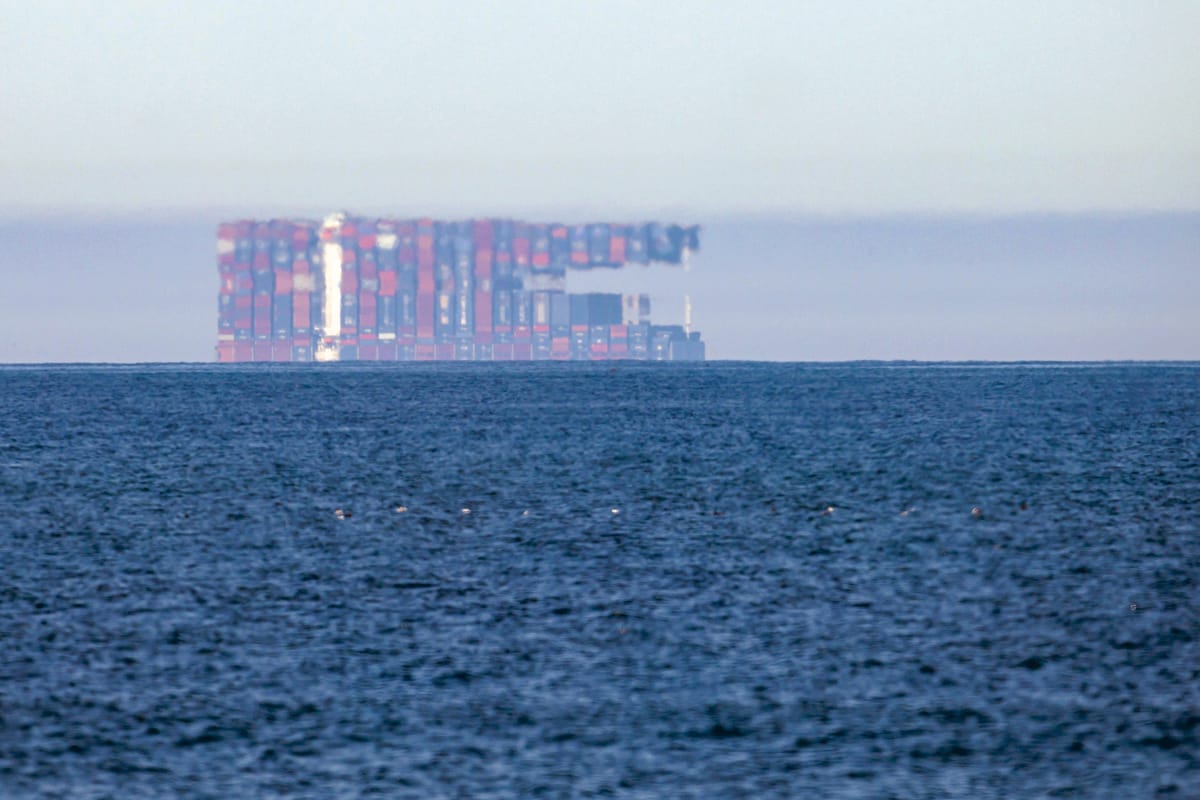
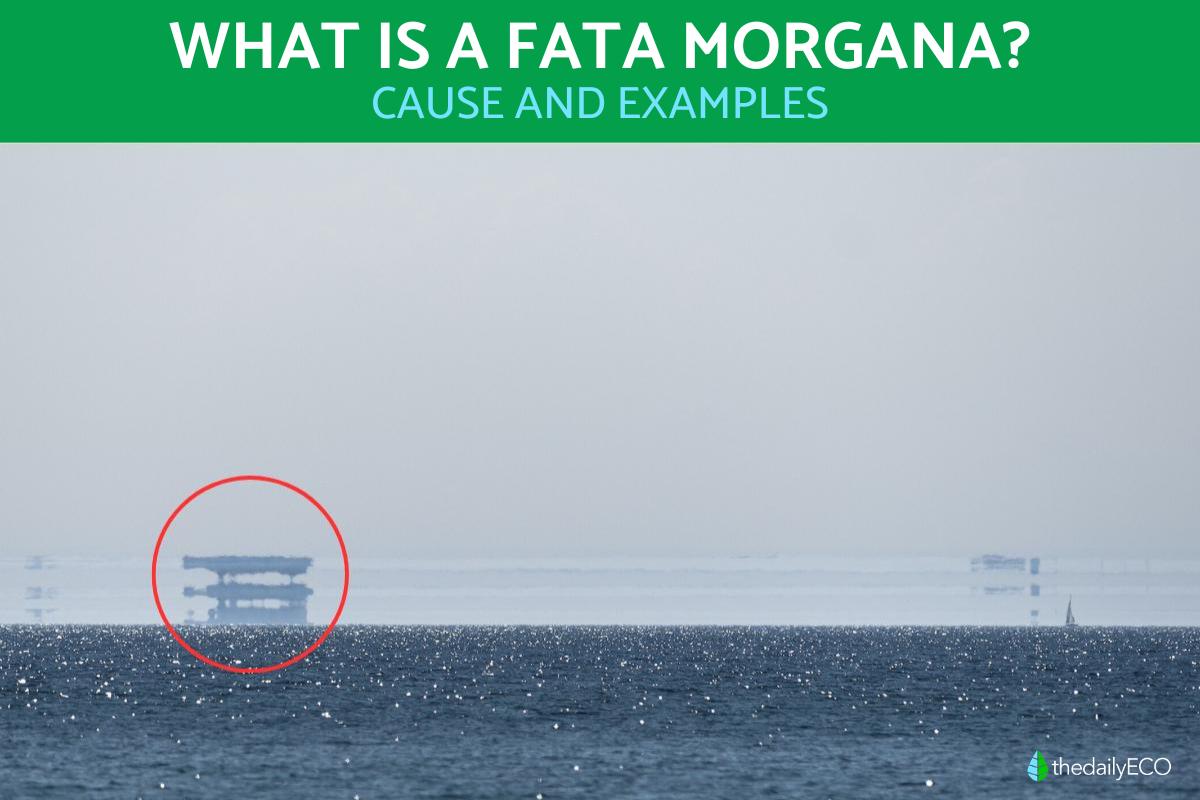
At its core, a Fata Morgana is a superior mirage, meaning the object being miraged appears higher than its actual position. This optical illusion is caused by specific atmospheric temperature inversions. Unlike a simple inferior mirage, where light bends downwards, a superior mirage involves light bending upwards. This happens when a layer of warm air sits atop a layer of cooler air, creating a refractive gradient. Light rays travelling from a distant object are bent as they pass through these layers, leading to distorted and often magnified images.
Temperature Inversions: The Foundation of the Illusion
The crucial element for a Fata Morgana is a pronounced temperature inversion. This occurs when the normal atmospheric lapse rate (temperature decreasing with altitude) is reversed. In such conditions, a layer of warmer air traps a layer of cooler air beneath it. This trapped cooler air is often very dense, and the temperature difference between the layers can be significant. When this occurs over a water surface (like the sea or a large lake) or a uniformly cold land surface (like snow or ice), the conditions are ripe for a Fata Morgana.
Light Refraction and Distortion: A Technical Phenomenon
Light travels in straight lines in a uniform medium. However, when light passes from one medium to another with a different density, or through a medium with varying densities, it bends or refracts. In the case of a Fata Morgana, the varying temperature and density of the atmosphere create an atmospheric lens. Light rays from the distant object, such as a ship or a coastline, enter the cooler, denser air layer, bend upwards, and then refract back down towards the observer’s eyes. This bending is not uniform. Different parts of the object are affected by the refractive gradient differently, leading to a highly distorted and often magnified image. The result is often a series of stacked, inverted, and stretched images, appearing as fantastical structures.
Technological Tools for Detection and Measurement
While the phenomenon itself is natural, our ability to understand and observe it has been profoundly enhanced by technology.
- Meteorological Instruments: Modern meteorology relies on sophisticated instruments to detect and monitor temperature inversions. Weather balloons equipped with radiosondes measure temperature, humidity, and pressure at various altitudes, providing crucial data for forecasting conditions favorable to Fata Morgana. Ground-based instruments like thermometers, anemometers, and barometers, along with satellite imagery showing surface temperatures and atmospheric patterns, also contribute to identifying potential Fata Morgana zones.
- Remote Sensing: Advanced remote sensing technologies, including lidar (light detection and ranging) and radar, can provide detailed atmospheric profiles, identifying the precise layering of air masses and the presence of refractive gradients. These technologies allow scientists to map out areas where Fata Morgana is likely to occur with greater accuracy.
- High-Resolution Photography and Videography: While casual observers can witness Fata Morgana, professional photographers and videographers equipped with high-resolution cameras and telephoto lenses can capture the phenomenon in remarkable detail. This visual data is invaluable for scientific study, allowing for detailed analysis of the distortions and transformations.
- Atmospheric Modeling Software: Complex computer models, powered by advanced algorithms and vast datasets, are used to simulate atmospheric conditions. These models can predict the formation of temperature inversions and, in some cases, even simulate the visual appearance of a Fata Morgana based on atmospheric data, providing a digital twin of the optical illusion.
Digital Replications and Technological Interpretations of Fata Morgana
The allure of the Fata Morgana has transcended its natural occurrences, finding its way into the realm of digital technology, where it inspires and informs various applications and artistic expressions. The concept of an illusion that manipulates perception is a fertile ground for technological exploration, particularly in areas of visual simulation and digital art.
Virtual Reality and Augmented Reality: Immersive Illusions

The principles behind Fata Morgana—distortion, inversion, and the creation of seemingly impossible visuals—are directly relevant to the development of immersive technologies.
- Virtual Reality (VR): VR experiences are designed to create believable, albeit artificial, realities. Understanding how light bends and how our brains interpret visual cues is paramount in crafting convincing virtual environments. While not directly simulating Fata Morgana, the underlying principles of optical distortion and perceptual manipulation are integral to VR design. Developers aim to create worlds that feel tangible, and the study of natural illusions like Fata Morgana can offer insights into how to achieve greater realism or even controlled surrealism.
- Augmented Reality (AR): AR overlays digital information or imagery onto the real world. The challenge in AR is often to seamlessly integrate these digital elements, making them appear as if they are truly part of the physical environment. The distortions inherent in Fata Morgana can inspire AR applications that deliberately play with perception, creating playful or artistic effects. Imagine an AR app that, when pointed at a building, renders it as if it were a Fata Morgana, floating or inverted, offering a novel way to interact with urban landscapes.
Computer Graphics and Digital Art: The Ghost in the Machine
The surreal and dreamlike quality of Fata Morgana makes it a compelling subject for computer graphics and digital art.
- Procedural Generation: Artists and game developers use procedural generation techniques to create complex and often fantastical environments. The algorithms that generate terrains, landscapes, and atmospheric effects can be influenced by the optical principles of mirages. Imagine a digital world where the horizon often shimmers with impossible structures, mirroring the unpredictability of Fata Morgana.
- Visual Effects (VFX) in Film and Media: In cinema and television, VFX artists often aim to create breathtaking and otherworldly visuals. The visual characteristics of Fata Morgana—its distortions, inversions, and ephemeral nature—can serve as a direct inspiration for creating supernatural phenomena or alien landscapes. A scene depicting a city appearing to melt into the sky or a desert mirage becoming a tangible, albeit fleeting, reality could draw heavily from Fata Morgana’s visual language.
- Algorithmic Art: Artists are increasingly using algorithms to generate visual art. These algorithms can be programmed to mimic natural phenomena, including optical illusions. A generative art piece might explore variations of inverted and stretched forms, creating abstract compositions that evoke the feeling of a Fata Morgana.
Simulation and Training: Recreating the Impossible
Beyond entertainment and art, the ability to simulate Fata Morgana has practical applications, particularly in areas involving navigation and visual perception training.
- Navigation Simulators: For naval and aviation training, understanding how visual cues can be distorted is crucial. Simulators can be programmed to replicate atmospheric conditions that might lead to Fata Morgana, training pilots and navigators to identify and compensate for such illusions, ensuring safe operation in challenging environments. This is particularly relevant in polar regions or over large bodies of water where Fata Morgana is more common.
- Perceptual Psychology Research: Technologically advanced eye-tracking devices and virtual environments allow researchers to study human perception and how we interpret visual information. Simulating Fata Morgana in a controlled virtual setting can help scientists understand how our brains process distorted images and the cognitive mechanisms involved in distinguishing reality from illusion.
The Fata Morgana in the Digital Narrative: From Myth to Algorithm
The historical fascination with Fata Morgana is deeply intertwined with human perception and storytelling. From ancient myths of phantom islands to modern digital narratives, the illusion has consistently captured our imagination. Technology, in its various forms, has become the new medium through which we explore, recreate, and even manipulate these perceptions.
Historical Context and Technological Evolution
The name “Fata Morgana” itself originates from Arthurian legend, referring to Morgan le Fay, a sorceress said to have conjured magical castles in the Strait of Messina. These “castles” were likely observations of Fata Morgana mirages. For centuries, these phenomena were attributed to supernatural forces or optical tricks of nature. The advent of optics and physics in the Enlightenment began to demystify such events, explaining them through the bending of light. However, it was the technological advancements of the 20th and 21st centuries that allowed for unprecedented scientific scrutiny and creative interpretation.
The Algorithmic Echo of Natural Illusions
Today, the concept of an illusion, once confined to the natural world or human imagination, is increasingly replicated and explored through algorithms.
- Machine Learning and Image Generation: Advanced AI models, such as Generative Adversarial Networks (GANs), can learn from vast datasets of images and generate new, often strikingly realistic or surreal visuals. These models can, in principle, be trained to produce imagery that mimics the distortions and characteristics of a Fata Morgana, pushing the boundaries of digital art and visual storytelling. The creation of these AI-generated illusions is itself a complex technological process, involving sophisticated algorithms and powerful computing resources.
- Digital Storytelling and Virtual Worlds: In video games and interactive narratives, Fata Morgana can serve as a narrative device, introducing elements of mystery, unreliability, and the blurring of reality. Developers can implement game mechanics or environmental designs inspired by the phenomenon, creating environments where the player is constantly questioning what is real. The digital infrastructure of these worlds, from rendering engines to network protocols, is the technological backbone that brings these digitally conceived illusions to life.
The Future of Fata Morgana and Technology
As technology continues to evolve, our relationship with phenomena like Fata Morgana will likely deepen.
- Advanced Simulation: Future simulations might offer hyper-realistic recreations of Fata Morgana, allowing for detailed study and immersive experiences that are indistinguishable from reality. This could extend to training for specific environmental conditions or even therapeutic applications in visual rehabilitation.
- Ubiquitous AR Integration: As AR technology becomes more integrated into our daily lives, we might see more widespread applications that playfully or artistically alter our perception of the real world, drawing inspiration from natural illusions. Imagine walking through a city and seeing buildings shimmer and distort in real-time through your AR glasses, a personalized Fata Morgana experience.
- Ethical Considerations: As technology blurs the lines between reality and illusion, questions about authenticity, perception, and manipulation will become increasingly important. The study and replication of phenomena like Fata Morgana highlight the power of technology to shape our understanding of the world, prompting discussions about responsible innovation and the critical assessment of the digital realities we inhabit.
In conclusion, Fata Morgana, a captivating natural illusion, is not merely a subject of scientific curiosity but also a testament to the evolving capabilities of technology. From the scientific instruments that measure its atmospheric precursors to the digital realms that replicate its visual splendor, technology provides us with new ways to understand, experience, and even create these ethereal apparitions. As we continue to push the boundaries of technological innovation, our perception and interpretation of natural phenomena, including the enigmatic Fata Morgana, will undoubtedly continue to evolve, offering both profound insights and exciting new possibilities.
aViewFromTheCave is a participant in the Amazon Services LLC Associates Program, an affiliate advertising program designed to provide a means for sites to earn advertising fees by advertising and linking to Amazon.com. Amazon, the Amazon logo, AmazonSupply, and the AmazonSupply logo are trademarks of Amazon.com, Inc. or its affiliates. As an Amazon Associate we earn affiliate commissions from qualifying purchases.