
Understanding how you get paid as a DoorDash driver, often referred to as a Dasher, is fundamental to maximizing your income and managing your expectations. While the allure of flexible hours and the ability to earn on your own schedule is a primary draw for many, the actual compensation structure can be nuanced. At the heart of this structure lies “base pay,” a crucial component that often sparks questions and requires clarification for anyone looking to operate within the gig economy. This article delves into the intricacies of DoorDash base pay, exploring what it is, how it’s calculated, and its significance within the broader context of your earnings.

Understanding the Components of a DoorDash Offer
A DoorDash payout for completing a delivery isn’t a single, fixed amount. Instead, it’s a sum derived from several contributing factors. While the exact algorithm is proprietary and can shift, there are generally three main pillars that make up the total earnings for a single delivery: Base Pay, Promotions, and Customer Tips. For a comprehensive understanding of your earning potential, it’s essential to dissect each of these elements, with a particular focus on the foundational “Base Pay.”
The Role of Base Pay
Base pay represents the guaranteed minimum amount DoorDash pays a Dasher for completing a delivery. This is the foundational element, designed to offer a baseline compensation for the time, effort, and vehicle expenses incurred during a delivery. It’s not tied to the specific value of the order or the distance to the customer, but rather to the estimated time and effort involved in completing the task.
How Base Pay is Determined
DoorDash’s base pay for any given offer typically ranges from $2 to $10. This range isn’t arbitrary; it’s influenced by several factors that aim to reflect the complexity and demands of the delivery.
Factors Influencing Base Pay Calculation
While DoorDash keeps the precise weighting of these factors confidential, industry analysis and Dasher experience suggest the following play a significant role:
- Distance: Longer delivery routes generally command a higher base pay. This acknowledges the increased fuel consumption, wear and tear on the vehicle, and time spent traveling.
- Time: The estimated time it takes to complete the delivery, including pickup and drop-off, is a crucial factor. If an order is expected to take longer, the base pay will likely be higher. This estimation considers traffic conditions, the restaurant’s preparation time, and the distance to the customer.
- Desirability of the Order: DoorDash might adjust base pay to incentivize Dashers to accept certain orders. Orders that are less appealing due to low potential total earnings (even with tips), difficult pickup locations, or challenging drop-off points may sometimes receive a slightly higher base pay to attract drivers.
- Demand and Driver Availability: In areas with high customer demand and fewer available Dashers, DoorDash may increase base pay to encourage more drivers to go online and accept orders. This is a dynamic adjustment based on real-time market conditions.
It’s important to note that base pay is calculated per delivery, not per hour. This means that while some deliveries might offer a higher base pay due to their complexity, the total earnings for an hour can still vary significantly depending on how many deliveries you can complete within that timeframe.
The Significance of Base Pay in Total Earnings
While base pay is a crucial component, it’s rarely the only source of income for a Dasher. Understanding its interplay with other earning components is vital for accurate income forecasting.
Base Pay vs. Total Payout
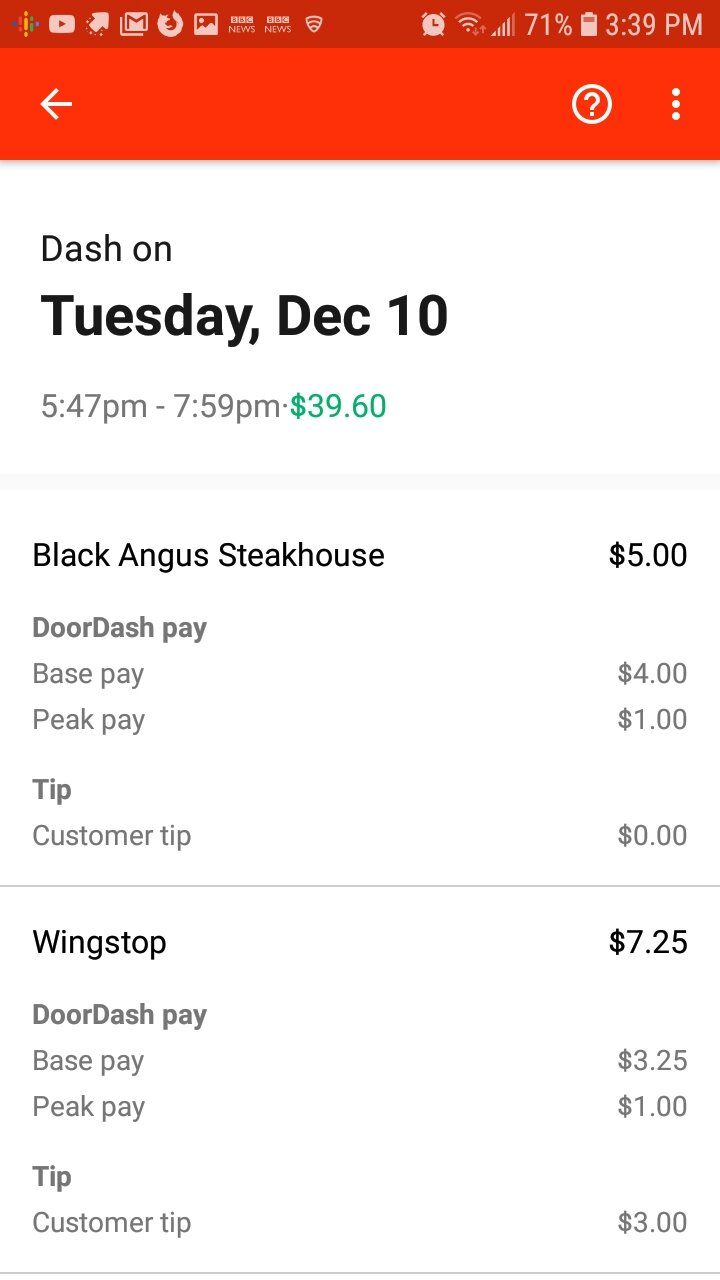
The total payout for a delivery is the sum of the base pay, any applicable peak pay (explained later), and the customer’s tip. For instance, a delivery might have a base pay of $3, a peak pay bonus of $2, and a customer tip of $5, resulting in a total payout of $10. In this scenario, the base pay forms a significant portion, but the tip is equally, if not more, impactful on the overall earning for that specific order.
The Floor for Your Earnings
Base pay acts as a crucial safety net. Even if a customer doesn’t tip, or if the tip is minimal, you are guaranteed to receive at least the base pay for completing the delivery. This principle is fundamental to the gig economy model, providing a predictable minimum earning for your service. However, it’s also why understanding average base pay and how to maximize your overall earnings becomes so important, as relying solely on base pay can lead to lower-than-desired income.
The Impact of Promotions and Peak Pay on Earnings
Beyond the standard base pay, DoorDash utilizes promotional strategies to influence driver behavior and ensure service availability during high-demand periods. These promotions can significantly augment your earnings and are a key factor in understanding your total payout.
Understanding Promotions
Promotions are initiatives by DoorDash designed to incentivize Dashers to accept orders or drive during specific times or in certain areas. These can take various forms, but “Peak Pay” is the most common and directly impacts your earnings for individual deliveries.
Peak Pay Explained
Peak Pay is an additional amount added to the base pay of deliveries made during periods of high demand. DoorDash identifies these periods based on factors like increased customer orders, specific events, or inclement weather. When Peak Pay is active in a zone, you’ll see an additional dollar amount added to the estimated earnings for deliveries in that area.
For example: If a delivery typically has a base pay of $3, but there’s a $2 Peak Pay active, the base pay for that order would effectively increase to $5 before any customer tip is considered.
- How Peak Pay is Displayed: DoorDash typically highlights Peak Pay on the Dasher app map with a distinct color and a dollar amount indicating the bonus per delivery. This allows Dashers to make informed decisions about where and when to drive to maximize their earning potential.
- Dynamic Nature of Peak Pay: Peak Pay is not static. It can fluctuate based on real-time demand and the number of Dashers online. A zone might start with a $1 Peak Pay and increase to $3 or more if demand surges and driver supply remains low. Conversely, it can decrease or disappear as more drivers come online or demand subsides.
- Impact on Order Acceptance: Understanding and strategically utilizing Peak Pay can significantly boost your overall earnings. Driving in areas with active Peak Pay during busy times can translate to a higher average payout per delivery.
Other Promotional Incentives
While Peak Pay is a direct per-delivery bonus, DoorDash also offers other promotions, such as:
- Guaranteed Earnings: In some markets, DoorDash might offer guaranteed earnings for completing a certain number of deliveries within a specific timeframe. If your total earnings from base pay, tips, and Peak Pay fall short of the guaranteed amount, DoorDash will pay you the difference. This provides an extra layer of income security.
- Challenges and Streaks: DoorDash occasionally introduces challenges or “streaks” where completing a set number of deliveries within a designated time frame or order sequence can unlock bonus pay. These are often designed to encourage consistent activity and completion of orders.
- New Driver Incentives: New Dashers may be eligible for sign-up bonuses or guaranteed earning periods as they begin their journey, providing a helpful boost to their initial income.
The strategic use of these promotions, particularly Peak Pay, is a cornerstone of effective earnings management for Dashers. By staying informed about active promotions and timing your dashes accordingly, you can significantly enhance your income beyond the basic base pay.
The Crucial Role of Customer Tips
While base pay provides a guaranteed minimum and promotions can offer lucrative bonuses, the often most significant variable in a Dasher’s total earnings comes directly from the customer: the tip. Understanding how tips work, their impact on your income, and the factors that influence them is paramount for any Dasher aiming to optimize their earning potential.
How Customer Tips Work on DoorDash
When a customer places an order on DoorDash, they have the option to add a tip during the checkout process. This tip is intended to be a direct recognition of the Dasher’s service, reflecting factors like efficiency, politeness, and the overall delivery experience.
Tip Transparency and Payment
DoorDash displays the estimated total earnings for an offer upfront, which includes the base pay and any applicable Peak Pay. Crucially, customer tips are also factored into this upfront estimate, although the exact tip amount might not always be fully revealed until after the delivery is completed. This is a point that has historically caused some confusion and discussion among Dashers.
- Upfront Tip Estimation: DoorDash aims to provide a realistic estimate of the total payout, including the tip. If a customer adds a significant tip, this will be reflected in the total earnings shown for the offer, making it more attractive to accept.
- Potential for Higher Tips: While DoorDash provides an estimate, it’s possible for customers to adjust their tip after the delivery is completed, usually within a 48-hour window. This means that an offer that initially seemed moderately lucrative could potentially become more rewarding if the customer decides to increase their tip.
- “Tip Baiting” and Other Scenarios: While generally not a widespread issue, there have been anecdotal reports of “tip baiting,” where a customer initially offers a large tip that is later reduced. Conversely, some customers may add a tip only after successful delivery. DoorDash’s system is designed to be as transparent as possible, but these edge cases highlight the variable nature of tips.
Factors Influencing Tip Amounts
Several factors can influence the generosity of a customer’s tip. While some are beyond a Dasher’s control, others can be positively impacted by the driver’s approach to the delivery.
Dasher-Controlled Factors:
- Professionalism and Politeness: A friendly greeting, respectful interaction, and a positive attitude can go a long way. Even a brief, polite exchange at pickup and drop-off can enhance the customer’s perception of the service.
- Timeliness and Efficiency: Delivering orders promptly and efficiently, especially when the customer has selected a specific delivery window, is crucial. Avoiding unnecessary delays and ensuring the food arrives in good condition demonstrates competence.
- Order Accuracy and Condition: While not always the Dasher’s direct responsibility, ensuring the order is complete and the food is handled with care (e.g., keeping drinks upright, ensuring bags are sealed) contributes to a positive customer experience. Communicating any minor issues proactively (e.g., “There was a slight delay at the restaurant, but I’m on my way now”) can also manage expectations.
- Communication: Providing timely updates, especially if there are any unforeseen delays or issues, can significantly improve the customer’s experience. A simple “On my way!” or an explanation for a delay can prevent frustration.
Customer- and Situation-Controlled Factors:
- Order Value: Customers often tip a percentage of the order total. Larger orders tend to result in larger tips.
- Distance: While base pay accounts for distance, customers might also consider the effort involved when deciding on a tip.
- Weather Conditions: During inclement weather (heavy rain, snow, extreme heat), customers often provide larger tips to compensate Dashers for braving the elements.
- Day of the Week and Time: Tips may sometimes be higher during peak dining hours or on weekends when demand is higher.
- Restaurant Performance: If a restaurant is particularly slow in preparing an order, the customer might attribute that delay to the Dasher and potentially tip less, or vice versa.
The Synergistic Effect of Tips and Base Pay
It’s the combination of base pay and customer tips that truly defines a Dasher’s earnings for a given delivery. While base pay provides the floor, tips often elevate the total payout, making some deliveries significantly more profitable than others.
Maximizing Your Earning Potential
A strategic Dasher will evaluate each offer based on the estimated total payout, which includes base pay, peak pay, and the predicted tip. Prioritizing offers with a higher estimated total, especially when they also involve reasonable time and distance, is key to increasing your hourly earnings. Understanding that a higher base pay order without a tip might be less profitable than a lower base pay order with a substantial tip is a critical insight for financial success on the platform.
In conclusion, while DoorDash base pay forms the fundamental layer of compensation for Dashers, it’s the synergistic interplay of base pay, promotional incentives, and generous customer tips that ultimately determines the profitability of deliveries and the overall earning potential for individuals working within the DoorDash ecosystem.
Strategies for Maximizing DoorDash Earnings
Understanding the mechanics of DoorDash base pay is the first step towards financial success on the platform. However, to truly maximize your earnings, you need to adopt strategic approaches that leverage this knowledge. This involves smart decision-making, efficient work habits, and a keen awareness of market dynamics.
Smart Order Selection and Acceptance
The most direct way to impact your earnings is through the orders you choose to accept or decline. Every order offers a glimpse into potential earnings, and developing a discerning eye is crucial.
Evaluating Offer Details
Before accepting any order, take a moment to analyze the information presented in the Dasher app.
- Estimated Total Earnings: This is your primary guide. Always look at the total estimated payout, which includes base pay, peak pay, and the estimated tip. Don’t just focus on the base pay.
- Distance and Time: Consider the estimated driving distance and time to the restaurant and then to the customer. A higher payout might not be worth it if it involves an excessively long drive or if you anticipate significant traffic delays. Use your knowledge of the area to make realistic time estimates.
- Restaurant Location and Type: Some restaurants are known for being consistently slow or having difficult pickup procedures. Similarly, some locations might be in areas with notoriously bad traffic. Factor these potential delays into your decision.
- Drop-off Location: Consider the destination. Is it in a busy area with easy parking, or a remote location requiring extra effort?
The “$1 Per Mile” Rule of Thumb (and its Limitations)
A common piece of advice in the gig economy is to aim for offers that pay at least $1 per mile. This is a useful heuristic, but it’s not a hard and fast rule.
- When it Works: For longer distances, this rule can help ensure you’re adequately compensated for the mileage. If an order is 10 miles and offers $10 or more, it’s often a good candidate.
- When it Falls Short: For very short distances, this rule might be too restrictive. A 2-mile delivery that pays $6 might be highly profitable per mile, but also very efficient in terms of time. Conversely, a 20-mile delivery for $20 might adhere to the rule but still take a significant chunk of time and fuel.
- Focus on Hourly Rate: Ultimately, your goal is to maximize your hourly earnings. This means balancing the payout per mile with the time it takes to complete the delivery. A quick, low-mileage delivery with a good total payout can be more profitable than a long, high-mileage delivery that keeps you busy for an extended period.
Declining Orders Strategically
It’s perfectly acceptable, and often necessary, to decline orders. Don’t feel pressured to accept every offer. Over time, you’ll develop a sense for which offers are likely to be unprofitable or frustrating. Consistent declining of low-paying orders signals to the algorithm that you’re looking for better opportunities, though it’s important not to decline excessively, as that could affect your Dasher status.
Optimizing Your Driving and Delivery Route
Efficient driving and delivery practices can significantly increase the number of deliveries you can complete within a given timeframe, thereby boosting your overall earnings.
Understanding Your Delivery Zone
Get to know the areas where you typically dash. Identify busy restaurant hubs, understand traffic patterns at different times of day, and be aware of residential areas with potentially higher tips or, conversely, more challenging drop-off logistics.
Minimizing Downtime
The time you spend waiting for orders or between deliveries is unproductive time.
- Strategic Positioning: When you finish a delivery, consider positioning yourself near popular restaurants or areas that are currently experiencing Peak Pay. This can reduce the time it takes to receive your next offer.
- Multi-Apping (with Caution): Some Dashers choose to run multiple delivery apps simultaneously. This can potentially lead to more orders, but it requires careful management to avoid order stacking issues, missed deadlines, and negative customer experiences. It’s a strategy best suited for experienced drivers who can effectively manage their time and prioritize deliveries.
Efficient Navigation and Driving
- Utilize Navigation Apps: Always use a reliable GPS app (like Google Maps or Waze) that provides real-time traffic updates.
- Plan Your Route: Before leaving the restaurant, briefly review the customer’s address and plan your route. If there are multiple orders, try to optimize the sequence for efficiency.
- Safe and Efficient Driving: While speed is important, safety is paramount. Drive defensively, follow traffic laws, and avoid reckless behavior that could lead to accidents or tickets, which would negate any earnings.
Managing Expenses and Taxes
While not directly part of base pay, understanding and managing your expenses and tax obligations is critical for accurately assessing your net income.
Tracking Your Expenses
As an independent contractor, you are responsible for all your business expenses. Meticulous tracking is essential for maximizing your tax deductions.
- Mileage: This is typically your largest deductible expense. Keep a detailed log of every mile driven for deliveries, including the date, starting mileage, ending mileage, and the purpose of the trip (e.g., “Delivery for DoorDash”). Many mileage tracking apps can automate this process.
- Fuel: Keep receipts for all fuel purchases.
- Vehicle Maintenance: Costs for oil changes, tire rotations, repairs, and other maintenance can be deductible.
- Phone and Data Plan: A portion of your cell phone and data plan costs can be deducted if you use your phone for work.
- Supplies: Items like insulated bags, phone mounts, or cleaning supplies for your vehicle can also be expensed.

Understanding Tax Obligations
DoorDash does not withhold taxes from your earnings. You are responsible for paying self-employment taxes (Social Security and Medicare) and income taxes.
- Estimated Taxes: It’s highly recommended to make quarterly estimated tax payments to the IRS to avoid penalties. Consult with a tax professional to determine the appropriate amount.
- Tax Forms: You will receive a Form 1099-NEC (Nonemployee Compensation) from DoorDash if you earn $600 or more in a calendar year. This form reports your gross earnings.
- Consult a Tax Professional: The complexities of self-employment taxes can be significant. Engaging with a tax advisor who specializes in independent contractor income is a wise investment to ensure you are compliant and maximizing your deductions.
By implementing these strategic approaches to order selection, efficient operation, and careful financial management, Dashers can move beyond simply understanding “what is DoorDash base pay” and actively cultivate a more profitable and sustainable side hustle or full-time income stream.
aViewFromTheCave is a participant in the Amazon Services LLC Associates Program, an affiliate advertising program designed to provide a means for sites to earn advertising fees by advertising and linking to Amazon.com. Amazon, the Amazon logo, AmazonSupply, and the AmazonSupply logo are trademarks of Amazon.com, Inc. or its affiliates. As an Amazon Associate we earn affiliate commissions from qualifying purchases.