
Catholic Social Doctrine (CSD) is a rich and complex body of teachings developed by the Catholic Church over the past century and a half. It offers a comprehensive ethical framework for understanding and responding to the social, economic, and political challenges of the modern world. Far from being a rigid set of rules, CSD is a dynamic and evolving tradition, rooted in scripture, tradition, and reason, that seeks to guide individuals and institutions toward building a just and humane society. At its core, it is a call to action, urging believers and all people of good will to engage with the world in a way that reflects the values of the Gospel.
The origins of CSD can be traced to the late 19th century, a period marked by profound social upheaval. The Industrial Revolution had led to widespread poverty, exploitation of workers, and growing inequality. In response, Pope Leo XIII issued the encyclical Rerum Novarum (On the Condition of Labor) in 1891, often considered the foundational document of modern Catholic Social Teaching. This landmark encyclical addressed the rights and duties of capital and labor, advocating for a just wage, the right to form unions, and the protection of private property while also emphasizing the common good. Since then, a succession of Popes has continued to develop and expand upon these principles, addressing new challenges and refining the Church’s social witness.
CSD is not a political ideology or a blueprint for a specific economic system. Instead, it provides ethical principles and foundational values that can inform policy decisions and shape individual actions across a spectrum of societal issues. It is characterized by a profound concern for the dignity of every human person and a commitment to the common good, aiming to foster a world where all can flourish.
The Dignity of the Human Person and Fundamental Human Rights
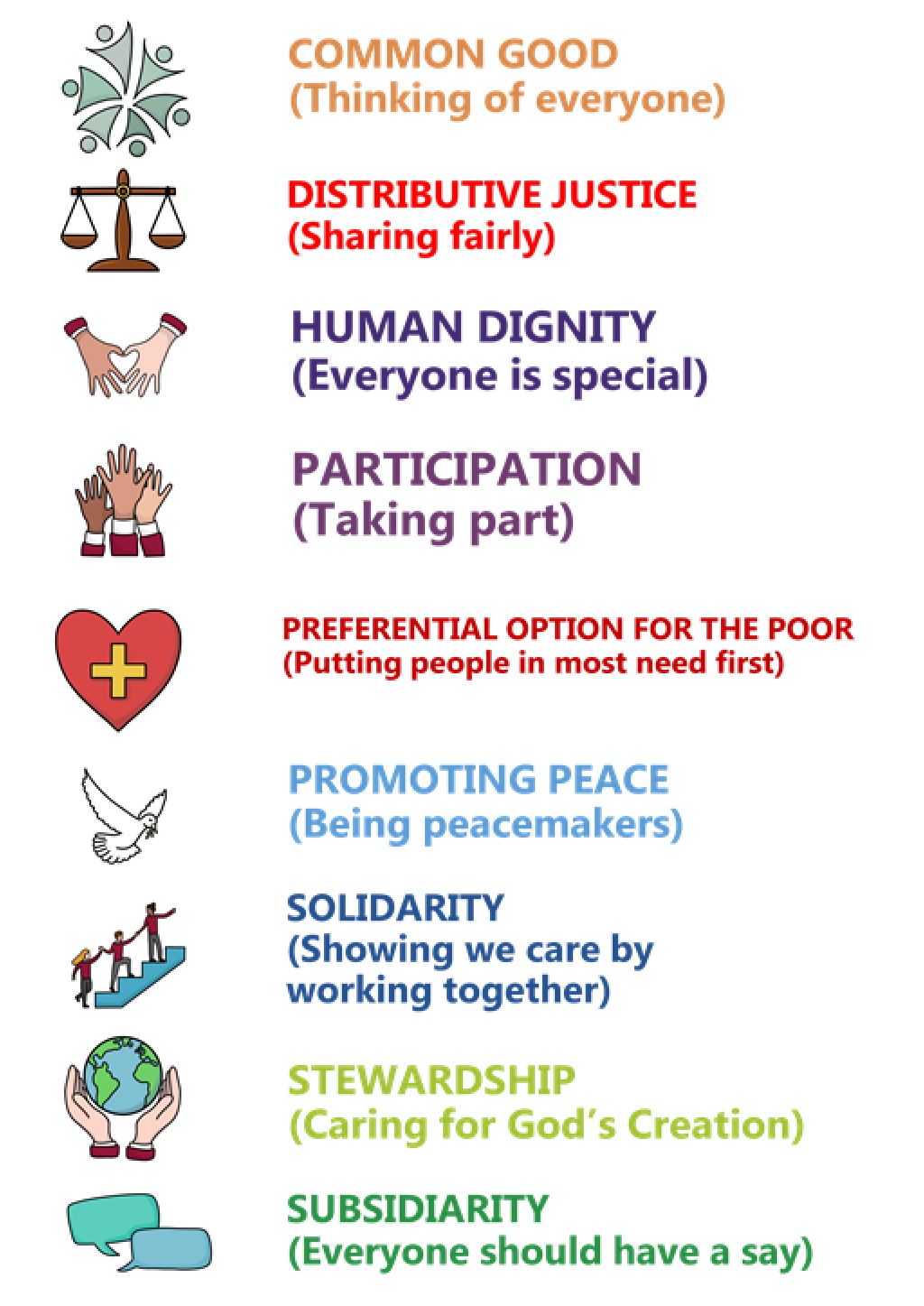
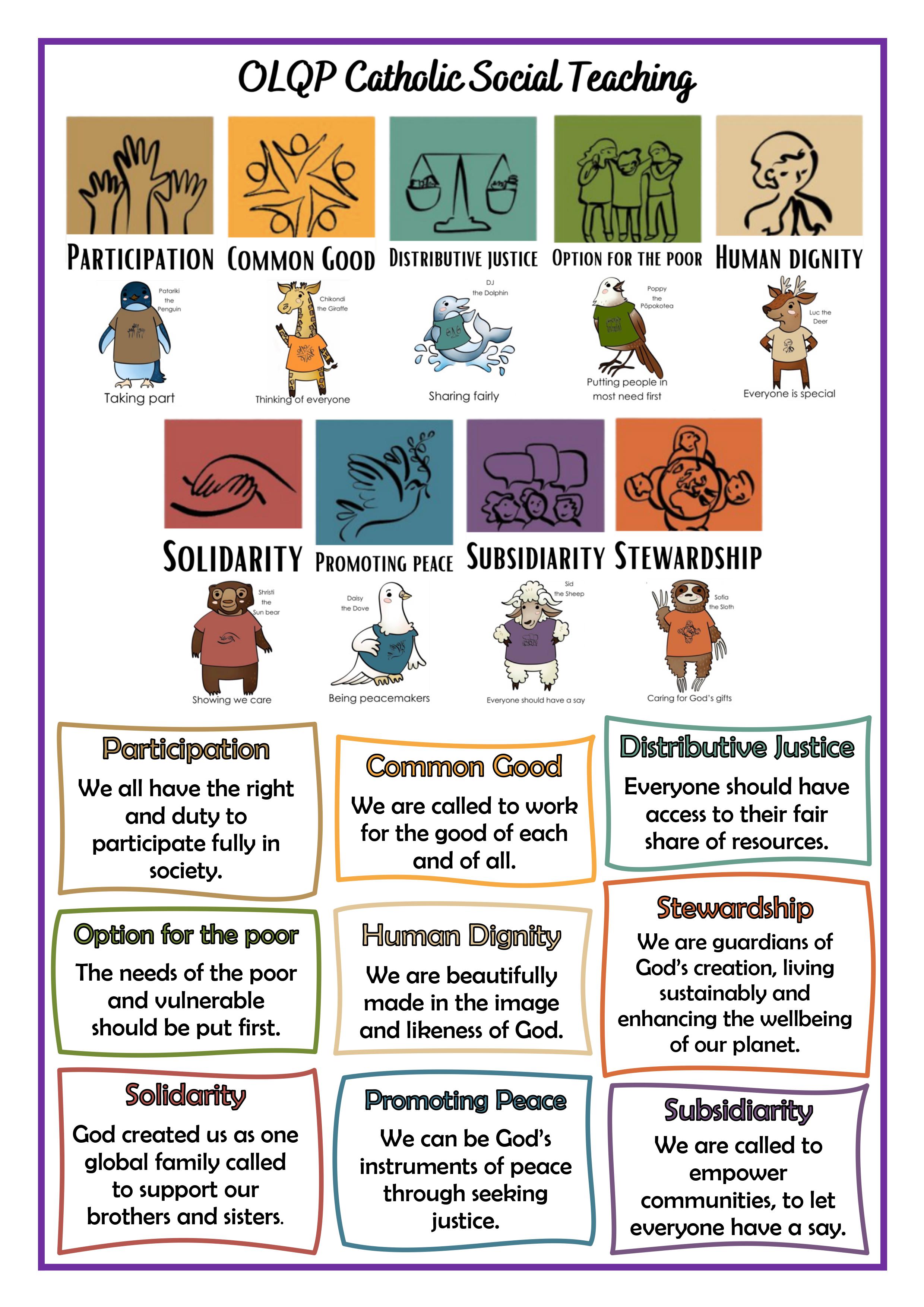
At the very heart of Catholic Social Doctrine lies an unwavering conviction in the inherent dignity of every human person. This dignity is not earned or conferred by any external authority; it is an intrinsic quality bestowed by God, who created humanity in His own image and likeness. This fundamental principle has profound implications for how society should be structured and how individuals should be treated.
Inherent Worth and Inalienable Rights
The recognition of human dignity means that every individual, regardless of their race, gender, age, social status, or any other characteristic, possesses an inviolable worth. This worth demands respect, protection, and the opportunity to reach their full potential. From this inherent dignity flows the concept of fundamental human rights. These are not privileges granted by governments but are inherent entitlements that must be recognized and protected by all societies.
Key among these rights are the right to life, from conception to natural death, and the right to those things necessary for a truly human life, such as food, clothing, shelter, medical care, education, and employment. These are not mere suggestions but are moral imperatives that underscore the responsibility of individuals, communities, and governments to ensure that everyone has access to the basic necessities for a dignified existence. CSD insists that these rights are universal, inalienable, and indivisible, meaning they apply to everyone, everywhere, and cannot be legitimately taken away. The Church’s consistent defense of the unborn, the poor, the marginalized, and those facing persecution is a direct application of this core teaching.
The Common Good and Social Solidarity
Closely linked to the dignity of the human person is the concept of the common good. This refers to the sum total of social conditions which allow people, either as groups or as individuals, to reach their fulfillment more fully and more easily. It is not merely the sum of individual goods but the good of the whole human family, which includes the well-being of all its members. Achieving the common good requires a commitment to social justice, which is the consistent and constant will to give God and neighbor what is due to them.
Social solidarity, another cornerstone of CSD, is the recognition that we are all interconnected and interdependent. It is the determination to commit ourselves to the common good, meaning that we recognize that the good of each individual is inextricably linked to the good of all. This principle calls for a global vision, extending beyond national borders and cultural divides to recognize our shared humanity. It demands that we work towards a world where the burdens of poverty and injustice are shared, and the benefits of progress are distributed equitably. Solidarity calls for empathy, compassion, and a willingness to sacrifice for the sake of others, particularly those who are most vulnerable. It moves beyond simple charity to address the systemic causes of injustice and inequality, advocating for structural changes that promote fairness and opportunity for all.
Key Principles Guiding Social Action
Building upon the foundational principles of human dignity and the common good, Catholic Social Doctrine outlines several key principles that serve as ethical guideposts for social and economic life. These principles provide a framework for evaluating policies, institutions, and individual behaviors, encouraging actions that foster a more just and compassionate world.
Preferential Option for the Poor and Vulnerable

One of the most distinctive and challenging tenets of CSD is the “preferential option for the poor and vulnerable.” This principle does not mean that the Church loves the poor more than others, but rather that it is called to pay special attention to the needs of those who are marginalized, oppressed, and living in poverty. This focus stems directly from the teachings and example of Jesus Christ, who consistently ministered to the sick, the poor, and the outcasts of society.
This preferential option calls for a critical examination of social structures and economic systems to identify and dismantle the barriers that keep people in poverty. It means advocating for policies that promote economic justice, ensure access to education and healthcare, and provide a safety net for those who are unable to support themselves. It also demands a conversion of heart, encouraging individuals to overcome indifference, prejudice, and self-interest to actively work for the liberation and empowerment of the poor. This principle extends to all who are vulnerable, including the elderly, children, refugees, and those with disabilities, recognizing their unique needs and advocating for their protection and inclusion.
Participation and Subsidiarity
The principles of participation and subsidiarity are crucial for fostering a healthy and vibrant society. Participation emphasizes that every person has a right and a duty to participate in the life of society, contributing their gifts and talents to the common good. This means creating opportunities for individuals to be involved in decision-making processes that affect their lives, whether in families, communities, workplaces, or the political arena. Active participation is essential for human flourishing and for building a just society where everyone feels valued and has a stake in the outcomes.
Subsidiarity, on the other hand, holds that decisions should be made at the lowest possible level of authority. This means that higher levels of government or organization should only intervene when lower levels are unable to adequately address a problem. This principle respects the autonomy and responsibility of local communities and individuals, empowering them to take initiative and find solutions to their own challenges. It also prevents the over-centralization of power and bureaucracy, promoting efficiency and responsiveness. Together, participation and subsidiarity encourage a dynamic and collaborative approach to social organization, where individuals and communities are empowered to act and where authority is exercised responsibly and judiciously.
Stewardship of Creation
In recent decades, Catholic Social Doctrine has increasingly emphasized the importance of environmental stewardship. Recognizing that the Earth and its resources are a gift from God, CSD calls for a responsible and sustainable use of creation for the benefit of all present and future generations. This principle, often referred to as “care for our common home,” is rooted in the belief that humanity is called to be a steward, not a master, of the natural world.
This teaching challenges a purely anthropocentric view of creation, emphasizing the intrinsic value of the natural world itself. It calls for an ecological conversion, a change of heart and mind that recognizes our interconnectedness with all of creation and the moral obligation to protect it from degradation and exploitation. This includes addressing issues such as climate change, pollution, deforestation, and the loss of biodiversity. CSD urges individuals and societies to adopt sustainable practices, promote environmental justice, and advocate for policies that protect the planet. The health of the environment is seen as intrinsically linked to the health and well-being of humanity, making responsible environmental stewardship a matter of social justice and human dignity.
Applying Catholic Social Doctrine in the Modern World
The principles of Catholic Social Doctrine are not abstract theological concepts but are intended to have a tangible impact on the real world. Applying CSD requires a commitment to critical thinking, ethical reflection, and courageous action in navigating the complexities of contemporary society.
Ethical Framework for Decision-Making
CSD provides a robust ethical framework that can inform decision-making at all levels of society. For individuals, it offers guidance on how to live a virtuous life and contribute positively to their communities. For businesses, it presents a vision of ethical commerce that prioritizes the dignity of workers, fair labor practices, and responsible environmental impact, moving beyond a purely profit-driven motive. For governments, it offers principles for crafting just laws and policies that promote the common good and protect human rights.
By grounding ethical decision-making in the inherent dignity of the human person and the pursuit of the common good, CSD encourages a more holistic and humane approach to solving societal problems. It challenges individuals and institutions to look beyond immediate self-interest and consider the long-term consequences of their actions on others and on the planet. This ethical compass can help navigate the often-conflicting demands of economic development, social progress, and environmental sustainability.
Promoting Social Justice and Integral Human Development
Ultimately, the goal of Catholic Social Doctrine is to promote social justice and foster integral human development. Social justice is not merely charity but the transformation of unjust systems and structures that perpetuate inequality and oppression. Integral human development is a holistic concept that encompasses the full range of human needs – spiritual, intellectual, emotional, social, and physical – and seeks to create conditions where all individuals can flourish.
Applying CSD means actively working to address systemic injustices, such as poverty, racism, discrimination, and war. It involves advocating for the marginalized, defending the voiceless, and building bridges of understanding and reconciliation. It requires a commitment to creating societies where everyone has the opportunity to live a life of dignity and purpose, where basic needs are met, and where individuals are empowered to reach their full potential. This ongoing pursuit of a more just and humane world is the enduring legacy and continuing mission of Catholic Social Doctrine.
aViewFromTheCave is a participant in the Amazon Services LLC Associates Program, an affiliate advertising program designed to provide a means for sites to earn advertising fees by advertising and linking to Amazon.com. Amazon, the Amazon logo, AmazonSupply, and the AmazonSupply logo are trademarks of Amazon.com, Inc. or its affiliates. As an Amazon Associate we earn affiliate commissions from qualifying purchases.